
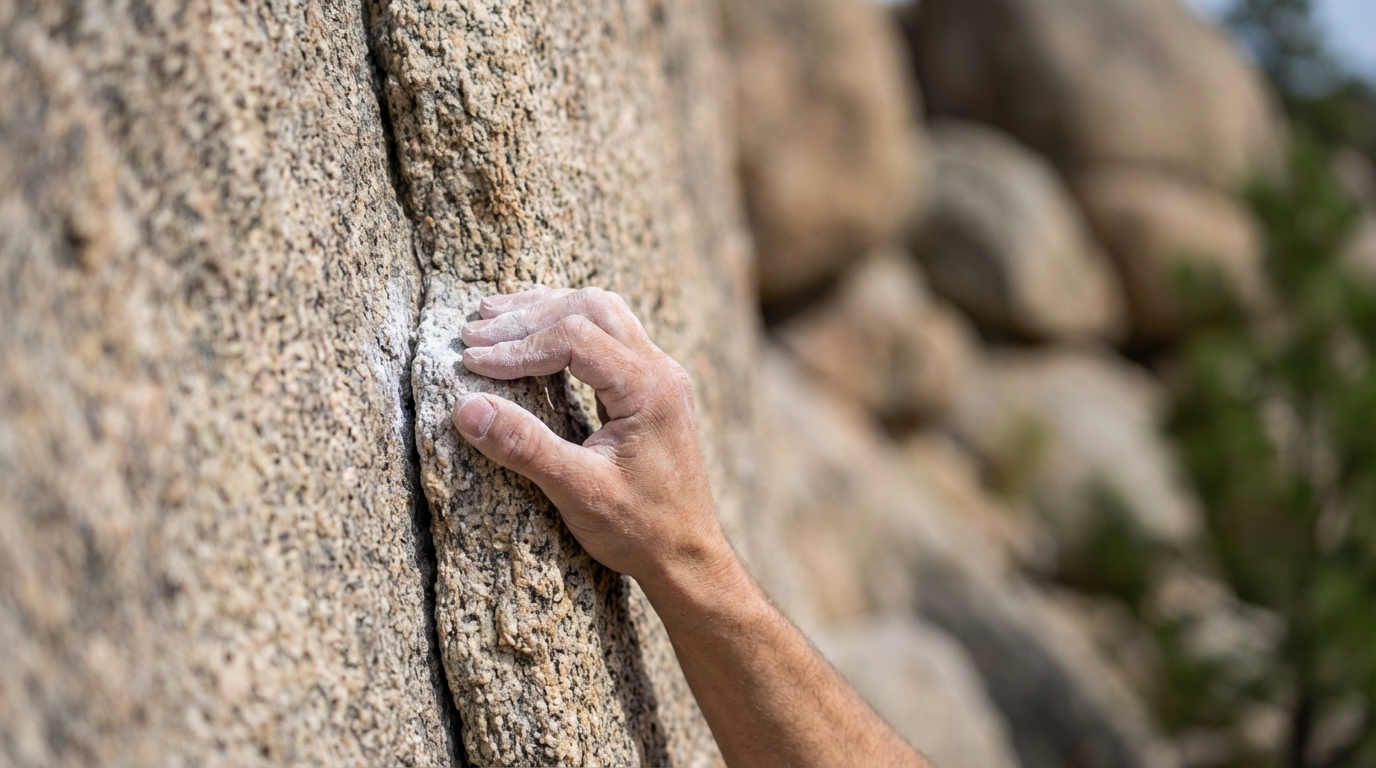
Rock climbing is a multifaceted activity demanding a blend of physical prowess, mental fortitude, and precise technique. At its core, however, lies a fundamental physical attribute that often dictates a climber’s success and safety: finger strength. Far from being a mere accessory, the strength and endurance of the fingers, along with the supporting forearm muscles, serve as the primary connection point between the climber and the rock. This foundational element impacts everything from holding onto the smallest features to executing complex sequences with grace and efficiency. Understanding why finger strength is so critical offers insight into the biomechanics of climbing and highlights a key area for development for anyone looking to improve their performance on the wall or rock face.
The Biomechanics of Grip: A Climber’s Connection
The human hand is an intricate structure, and in climbing, it’s subjected to extraordinary forces. The ability to hold onto a rock relies on a complex interplay of muscles, tendons, and ligaments primarily located in the forearms and the hand itself. When a climber grasps a hold, the flexor muscles in the forearm contract, pulling on tendons that run through the wrist and attach to the finger bones. Simultaneously, smaller intrinsic muscles within the hand work to stabilize the fingers and optimize the grip.
Types of Grips and Their Demands
Climbers utilize a variety of grip configurations, each placing distinct demands on the finger and forearm musculature:
- Crimp Grip: Often employed on small edges, a crimp involves hyperextending the knuckles (the DIP joints) while flexing the middle finger joints (PIP joints). This creates a strong, aggressive grip, heavily engaging the finger flexors and often leveraging the thumb to “lock” the grip.
- Open Hand Grip: Characterized by the fingers remaining relatively flat and open, this grip is common on slopers or larger features. It distributes the load more broadly across the fingers and relies on the strength of the flexor digitorum profundus and superficialis muscles, along with substantial friction.
- Pinch Grip: This grip involves squeezing a feature between the thumb and opposing fingers. It heavily recruits the adductor pollicis and other thumb muscles, as well as the lumbricals and interossei in the hand.
- Pocket Grip: When holds are small holes or pockets, climbers might use one, two, or three fingers. This isolates specific finger flexors and places considerable strain on the individual finger tendons and pulleys.
Each of these grips, and the transitions between them, critically depends on the strength and endurance of the fingers and forearms. Without sufficient strength in these areas, maintaining a hold becomes an immediate challenge, leading to early fatigue and potential falls.
Force Transmission and Control
Finger strength is not solely about brute force; it’s also about the efficient transmission and control of that force. When a climber applies pressure to a hold, strong fingers enable the body to effectively transfer weight and momentum through the points of contact. This allows for precise movements and stability on the wall.
- Adherence to Small Holds: On challenging routes, holds can be incredibly small, sometimes no wider than a pencil lead. Strong fingers are essential for gripping these diminutive features, allowing the climber to remain attached to the rock.
- Maintaining Body Tension: A firm grip allows a climber to pull their body into the wall, creating tension that is crucial for stability and moving between holds. Without this foundational strength, the body tends to peel away from the rock, making movement difficult and inefficient.
- Preventing Slippage: While friction plays a significant role, the ability to apply consistent, controlled pressure through the fingers helps prevent hands from sliding off holds, especially on slick or less textured surfaces.
- Energy Conservation: Paradoxically, stronger fingers can lead to greater energy conservation. When fingers are strong enough to comfortably hold onto a feature, climbers can relax other muscles, reduce unnecessary tension, and climb more fluidly, postponing forearm pump.
Injury Mitigation Through Strength Development
Rock climbing places significant stress on the fingers, forearms, and shoulders, making injury a common concern. The tendons and pulley systems in the fingers are particularly vulnerable due to the immense loads they bear. Developing appropriate finger strength is a crucial component of injury mitigation.
Common Finger and Forearm Injuries:
- Pulley Injuries: The A2 and A4 pulleys in the fingers are frequently injured. These are small ligamentous bands that hold the finger flexor tendons close to the bone. Overloading weak fingers can cause these pulleys to strain or rupture.
- Tendonitis: Inflammation of the finger flexor tendons (flexor tendonitis) or the tendons in the elbow (epicondylitis, or “golfer’s elbow” for medial, “tennis elbow” for lateral) can result from repetitive strain and insufficient strength or recovery.
- Ligament Sprains: The collateral ligaments of the finger joints can also be strained or sprained, especially during dynamic movements or uncontrolled slips.
Progressively developed finger strength helps fortify the connective tissues, making them more resilient to the stresses of climbing. This doesn’t mean absolute immunity from injury, but it significantly reduces the risk when combined with proper technique, gradual training progression, adequate rest, and good nutrition. Strong, well-conditioned fingers are better equipped to handle the demands placed upon them, distributing load more effectively and providing greater structural integrity.
Enhancing Technique and Efficiency
While often seen as a physical attribute, finger strength profoundly influences a climber’s technique and overall efficiency on the wall. When climbers possess sufficient finger strength, they are freed from the constant battle of simply holding on, allowing them to redirect mental and physical resources towards more refined aspects of climbing.
- Focus on Body Positioning: Instead of desperately gripping, climbers can focus on precise foot placements, hip movements, and body angles, which are critical for balance and upward movement.
- Executing Dynamic Moves: Strong fingers enable powerful, dynamic movements where a climber temporarily releases some holds to reach others. The ability to quickly and securely latch onto the target hold is paramount for success in such sequences.
- Precision and Control: On delicate or technical routes, strong fingers allow for fine adjustments and greater control over subtle changes in pressure, which can make the difference between sticking a move and falling.
- Reduced Over-gripping: Climbers with underdeveloped finger strength often compensate by over-gripping holds, squeezing them with excessive force. This leads to rapid forearm pump and diminishes endurance. Adequate strength allows for a more relaxed, yet secure, grip, conserving energy.
Unlocking Progression and Difficulty
For many climbers, a primary motivation is to tackle harder routes and problems. Finger strength is arguably the single most important physical factor in this progression. As the difficulty of climbing increases, holds tend to become smaller, more positive, or more widely spaced, demanding greater finger and forearm power.
- Accessing Higher Grades: Moving from moderate to advanced routes almost invariably requires a significant increase in finger strength. The physical demands of higher grades necessitate the ability to hold onto increasingly challenging features.
- Variety of Climbing Styles: Certain climbing disciplines, such as bouldering and sport climbing, heavily emphasize finger strength due to the nature of their shorter, more intense sequences and often smaller holds. Trad climbing also demands strong fingers for placing protection and managing gear while holding on.
- Steeper Terrain: On overhanging walls or roofs, the body’s weight is pulling directly away from the holds. Strong fingers are essential to counter this gravitational pull, enabling sustained climbing on steep terrain.
Without foundational finger strength, many advanced techniques and difficult routes remain inaccessible. It acts as a gateway, allowing climbers to explore new challenges and refine their abilities across a broader spectrum of climbing scenarios.
Principles of Finger Strength Development
Improving finger strength for climbing is a gradual, deliberate process that adheres to principles of progressive overload and specificity. Training should always prioritize safety and listen to the body to prevent injury.
- Specificity: Training should mimic the specific demands of climbing. This often involves isometric contractions (holding positions) and dynamic movements on various hold types.
- Progressive Overload: To get stronger, the fingers and forearms must be subjected to gradually increasing stress over time. This can mean holding smaller holds, increasing the duration of hangs, or adding weight.
- Structured Training: Incorporating dedicated finger training sessions into a balanced regimen that also includes antagonist muscle training (e.g., extensor exercises), core work, and overall body conditioning is beneficial.
- Rest and Recovery: The tendons and muscles require adequate time to recover and adapt after training sessions. Over-training can lead to injury and hinder progress.
- Technique Integration: While isolated finger training is useful, the ultimate goal is to apply this strength effectively on the rock. Integrating strength gains with refined climbing technique is key.
It is important to approach finger strength training with caution, especially for beginners or those new to specific training tools, due to the high risk of injury if executed improperly or too aggressively.
Conclusion
Finger strength is not merely an advantageous trait for rock climbers; it is a foundational pillar that supports almost every aspect of the sport. From enabling the basic act of holding onto a rock to facilitating advanced techniques and mitigating injury risks, its importance cannot be overstated. Adequately developed finger and forearm strength empowers climbers to engage with a wider array of routes, execute movements with greater precision and efficiency, and ultimately progress safely and effectively. Recognizing its critical role encourages a holistic approach to training and helps climbers understand the intricate relationship between physical conditioning, technique, and overall performance in the vertical world.
Frequently Asked Questions (FAQs)
1. Is finger strength the only important factor in climbing performance?
No, while finger strength is critically important, it is one of many factors. Technique, core strength, body awareness, mental resilience, flexibility, and overall fitness also play crucial roles in a climber’s success and progression. A balanced approach to development that integrates all these elements typically leads to the most well-rounded and effective climber.
2. How quickly can someone expect to improve their finger strength for climbing?
Improvement rates vary significantly based on an individual’s starting point, consistency of training, genetic predispositions, and recovery practices. Beginners often see noticeable gains in the first few months, while more experienced climbers may require longer, more structured programs to achieve further progress. Gradual and consistent effort over time generally yields the most sustainable results.
3. Are there risks associated with finger strength training?
Yes, there are risks, primarily injuries to the tendons and pulleys within the fingers. These risks are heightened if training is approached too aggressively, without proper warm-up, insufficient rest, or poor form. It is crucial to listen to one’s body, progress gradually, and seek guidance from experienced coaches or resources to minimize injury potential.
4. Can finger strength be improved without specialized equipment?
While dedicated finger training tools are widely available, it is possible to improve finger strength through climbing itself on various hold types. Climbing on progressively smaller holds or steeper terrain can naturally strengthen the fingers. Bodyweight exercises and general grip exercises can also contribute, though specialized tools often allow for more targeted and measurable training.
5. Does finger strength training for climbing offer benefits for other activities?
Absolutely. Strong fingers and forearms are beneficial in many other sports and daily activities. Any activity requiring strong grip (e.g., weightlifting, martial arts, certain sports, carrying heavy objects) can see performance improvements. It can also contribute to overall hand health and potentially reduce the risk of certain types of hand and wrist pain in everyday life.

Diana Miller, is a dedicated nature enthusiast and an outdoor adventurer. She began leading groups for excursions in her teens and never stopped. Following her passion for nature, she gathers her friends for outdoor trips every now and then. And for the last 10 years, she has executed workshops on backpacking, snow kayaking and traveling that included her main motive of lightweight packing while outdoors. During leisure, she loves planning for her next adventure.