
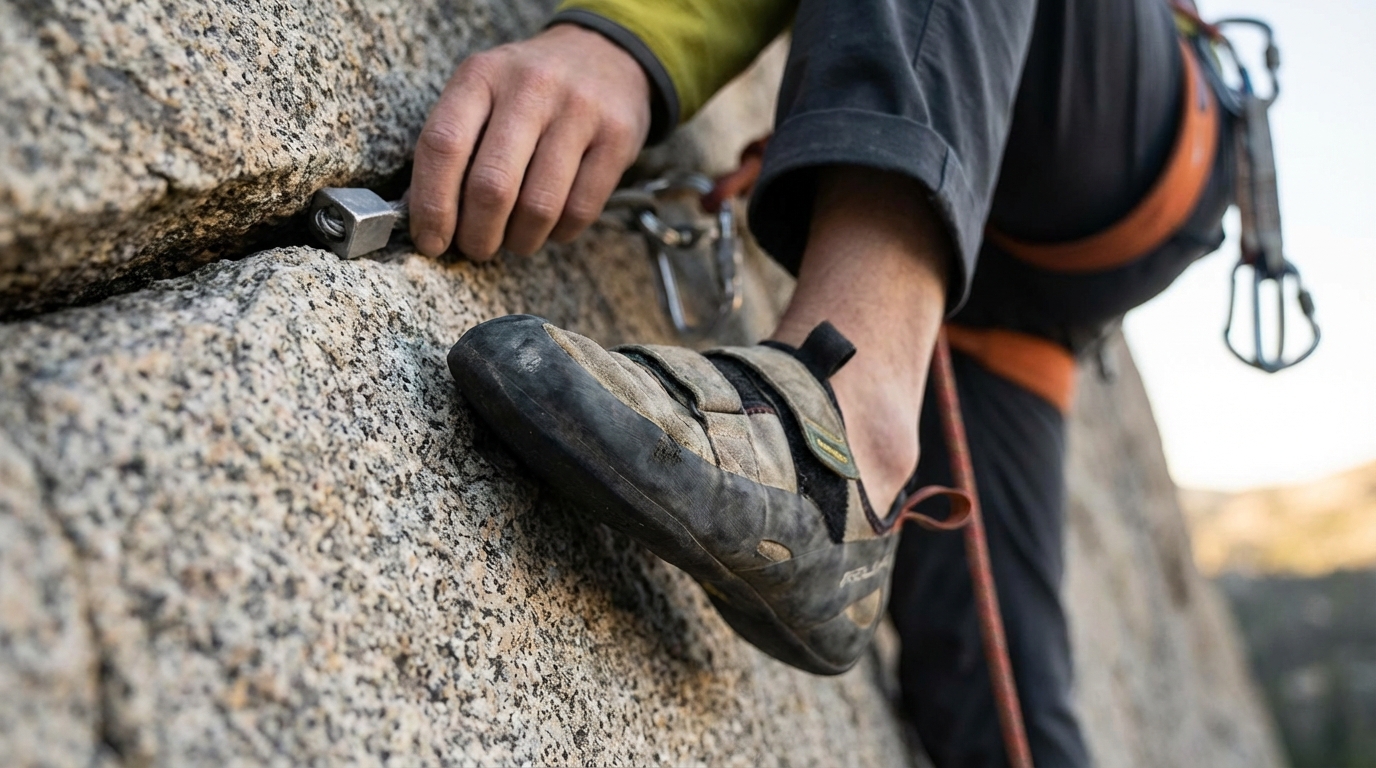
Climbing is a sport that demands precision, strength, and an intimate connection with the rock or climbing surface. While many factors contribute to a climber’s success and safety, one piece of equipment stands out for its specialized design and direct impact: climbing shoes. These aren’t just ordinary athletic shoes; they are engineered tools that fundamentally alter how a climber interacts with their environment. Understanding their design, how they function, and the implications of various features is crucial for anyone looking to enhance their performance and ensure their safety on the wall.
The Fundamental Role of Climbing Shoes
Unlike regular athletic footwear, which prioritizes cushioning and general support for walking or running, climbing shoes are designed for specific, high-friction applications. Their primary purpose is to maximize contact and grip on small, irregular holds, enabling climbers to utilize their feet with the same precision and effectiveness as their hands. This specialized design allows climbers to stand on features that would be impossible with conventional shoes, translating into improved efficiency, reduced fatigue, and a greater sense of security.
Key Design Elements and Their Impact on Performance
The intricate design of climbing shoes involves several critical elements, each contributing to their overall performance characteristics. These elements work in concert to provide the necessary friction, support, and sensitivity required for various climbing styles and terrains.
Fit and Sizing
The fit of a climbing shoe is perhaps the single most important factor influencing performance. A truly effective climbing shoe should feel snug, almost like a second skin, minimizing any dead space within the shoe. This close fit ensures maximum power transfer from the foot to the rock and enhances sensitivity, allowing the climber to feel the texture and shape of the foothold.
- Snugness: A proper fit eliminates movement inside the shoe, preventing blisters and ensuring the foot’s power is directed precisely where needed.
- Without Pain: While snug, the shoe should not cause excruciating pain. Persistent pain can distract a climber, reduce their ability to focus, and potentially lead to foot issues over time.
- Precision: A well-fitted shoe allows for precise foot placements on tiny edges and smears, critical for efficient movement.
Last Shape (Asymmetry and Downturn)
The “last” refers to the foot-shaped form around which the shoe is built, dictating its overall shape. Key aspects of the last shape are asymmetry and downturn.
- Asymmetry: This refers to how much the toe box deviates from the center line of the foot, pulling the big toe inward. Highly asymmetric shoes concentrate power over the big toe, making them very effective for precise edging on small holds. Less asymmetric shoes offer more comfort and are often preferred for multi-pitch climbing or those new to the sport.
-
Downturn: This describes the curvature of the sole, where the toes are pulled downwards.
- Neutral Last: Flatter profile, more comfortable, suitable for beginners, slab climbing, and long routes. They allow the foot to remain in a more relaxed position.
- Moderate Last: Slight downturn, offering a balance of comfort and performance. Versatile for various climbing styles, including sport climbing and some bouldering.
- Aggressive Last: Pronounced downturn and often significant asymmetry. Designed for overhanging terrain, precise toe hooking, and standing on extremely small holds. They put the foot in a powerful, claw-like position, though often at the expense of comfort.
Rubber Compound
The rubber on the sole of a climbing shoe is a highly specialized compound, engineered for optimal friction. The specific blend of polymers and additives determines its stickiness (grip) and durability. Softer rubbers offer superior friction and sensitivity, excelling on glassy smears but wearing out more quickly. Harder rubbers provide greater support for edging, are more durable, but may offer less “stick” on smooth surfaces. The choice of rubber significantly impacts how the shoe performs on different types of rock or climbing wall materials.
Sole Stiffness
The stiffness of the sole dictates the amount of support and flexibility the shoe provides.
- Stiff Sole: Offers more support for standing on small edges, reducing foot fatigue on longer routes. It acts like a platform, allowing the climber to put more weight on their toes without the foot collapsing.
- Soft Sole: Provides greater sensitivity and flexibility, making it ideal for smearing (relying on friction across a larger surface area) and dynamic movements where foot articulation is key. Softer shoes allow the climber to “feel” the rock better, but require more foot strength.
Closure Systems
Climbing shoes typically employ one of three main closure systems, each offering distinct advantages:
- Laces: Provide the most adjustable and secure fit, allowing climbers to customize tension across different parts of the foot. Ideal for all-day wear or situations requiring a very precise fit.
- Hook-and-Loop (Velcro): Offers a quick and easy on/off, making them popular for bouldering and gym climbing where shoes are frequently removed. They provide good adjustability but typically less than laces.
- Slippers: Designed for maximum sensitivity and quick on/off. They rely on elasticated fabric or a tight fit to stay on the foot. Often preferred for specific bouldering problems or crack climbing where flexibility and minimal bulk are paramount.
How Climbing Shoes Enhance Performance
The combined effect of these design elements translates directly into tangible performance benefits for climbers.
- Precision and Footwork: The snug fit, aggressive last, and sticky rubber enable climbers to place their feet with extreme accuracy on the smallest of features. This precision minimizes wasted movement and conserves energy.
- Power Transfer: A well-designed climbing shoe acts as an extension of the foot, efficiently transferring power from the legs to the climbing surface. This direct connection allows climbers to push off tiny holds with significant force.
- Grip and Friction: The specialized rubber compounds provide exceptional grip, allowing climbers to maintain purchase on slick surfaces, smear effectively on slabs, and confidently edge on minute features that would otherwise be unusable.
- Reduced Fatigue: By enabling efficient footwork and providing support (especially in stiffer shoes), climbing shoes help reduce foot and calf muscle fatigue, allowing climbers to stay on the wall for longer periods.
The Safety Implications of Climbing Shoe Choice
While performance is often the focus, the impact of climbing shoes on safety is equally critical. A poorly chosen or ill-fitting shoe can compromise a climber’s stability and increase the risk of incidents.
- Preventing Slips and Falls: The primary safety function of climbing shoes is to provide reliable friction, dramatically reducing the likelihood of foot slips. A secure foothold is foundational to safe climbing, preventing uncontrolled falls that can lead to injury.
- Foot Protection: Climbing shoes offer a degree of protection against sharp rock edges, abrasions, and impacts. The durable upper materials and robust sole shield the foot from direct contact with rough surfaces.
- Impact on Overall Body Mechanics: When a climber’s feet feel insecure, they may compensate by over-gripping with their hands, leading to increased arm fatigue and a higher risk of muscle strain or injury. Confident foot placements, enabled by appropriate shoes, promote better body positioning and more fluid, balanced movement, reducing stress on other joints and muscles.
-
Discipline-Specific Safety:
- Trad Climbing: Shoes for traditional climbing often need to be comfortable for long periods and durable enough for crack jamming, where feet are wedged into cracks.
- Bouldering/Sport Climbing: Aggressive, precise shoes are vital for difficult moves where falling is a constant possibility, ensuring every foot placement is as secure as possible.
Considerations for Choosing Climbing Shoes
Selecting the appropriate climbing shoe involves a thoughtful assessment of several factors:
- Experience Level: Beginners often benefit from more comfortable, neutral shoes that allow their feet to adapt to the new stresses of climbing. Experienced climbers may opt for more aggressive shoes tailored to specific challenges.
- Type of Climbing: The style of climbing—whether it’s bouldering, sport climbing, traditional climbing, gym climbing, or multi-pitch routes—should heavily influence the shoe choice. Each discipline presents unique demands on footwear.
- Foot Shape: Every foot is unique. Trying on a variety of models from different manufacturers is crucial, as brands construct their shoes on different lasts that may suit various foot anatomies better.
- Personal Preference: Ultimately, the shoe that feels right for an individual climber and helps them perform confidently is the appropriate choice. There is no universally suitable shoe for every climber or every situation.
Always try on climbing shoes before purchasing, ideally towards the end of the day when feet are slightly swollen, and aim to wear them for a short period to assess comfort and fit.
Conclusion
Climbing shoes are far more than mere footwear; they are a highly specialized and indispensable piece of equipment that directly influences both a climber’s performance and their safety. From the precision afforded by a snug fit and aggressive last to the unwavering grip provided by advanced rubber compounds, every design element contributes to a more effective and secure climbing experience. Understanding these nuances empowers climbers to make informed choices, selecting shoes that not only elevate their capabilities on the wall but also significantly mitigate risks, allowing for a more enjoyable and confident pursuit of the vertical world.
Frequently Asked Questions (FAQs)
Are climbing shoes supposed to be painful?
No, climbing shoes should not be excruciatingly painful. While a snug fit is essential to prevent movement and maximize precision, they should not cause sharp pain, crushing toes, or numbness. Some discomfort is common initially, especially with aggressive models, but it should not be debilitating. Persistent pain indicates an improper fit or an unsuitable shoe for your foot shape or climbing style.
How long do climbing shoes typically last?
The lifespan of climbing shoes varies significantly depending on several factors: the frequency and intensity of use, the aggressiveness of your footwork, the type of climbing surface (e.g., abrasive outdoor rock versus gym plastic), and the rubber compound’s durability. The sole rubber is usually the first part to wear out, but many shoes can be resoled, extending their life. On average, a sole might last anywhere from 3 months to over a year for regular climbers.
Can I use climbing shoes for general hiking or walking?
Climbing shoes are highly specialized for climbing and are generally unsuitable for hiking or extended walking. Their stiff, downturned, or asymmetric designs, combined with very thin soles, make them uncomfortable and inefficient for walking. They lack the cushioning and support needed for normal walking activities, and doing so would rapidly wear down the delicate climbing rubber.
What is the difference between a soft and a stiff climbing shoe?
A soft climbing shoe offers greater flexibility and sensitivity, allowing the climber to “feel” the rock better and articulate their foot for techniques like smearing. They are often preferred for dynamic movements, volumes, and delicate slabs. A stiff climbing shoe provides more support and power for standing on small edges, reducing foot fatigue on longer routes or when relying heavily on edging. They act like a stable platform, allowing the foot muscles to work less.
Is it necessary to wear socks with climbing shoes?
Wearing socks with climbing shoes is a matter of personal preference. Many climbers prefer to go sockless for maximum sensitivity and a direct connection to the shoe and the rock. However, wearing thin socks can help with hygiene, reduce friction (and thus blisters for some), and add a slight layer of comfort. The key is to ensure that wearing socks does not compromise the snug fit required for effective climbing.

Diana Miller, is a dedicated nature enthusiast and an outdoor adventurer. She began leading groups for excursions in her teens and never stopped. Following her passion for nature, she gathers her friends for outdoor trips every now and then. And for the last 10 years, she has executed workshops on backpacking, snow kayaking and traveling that included her main motive of lightweight packing while outdoors. During leisure, she loves planning for her next adventure.