
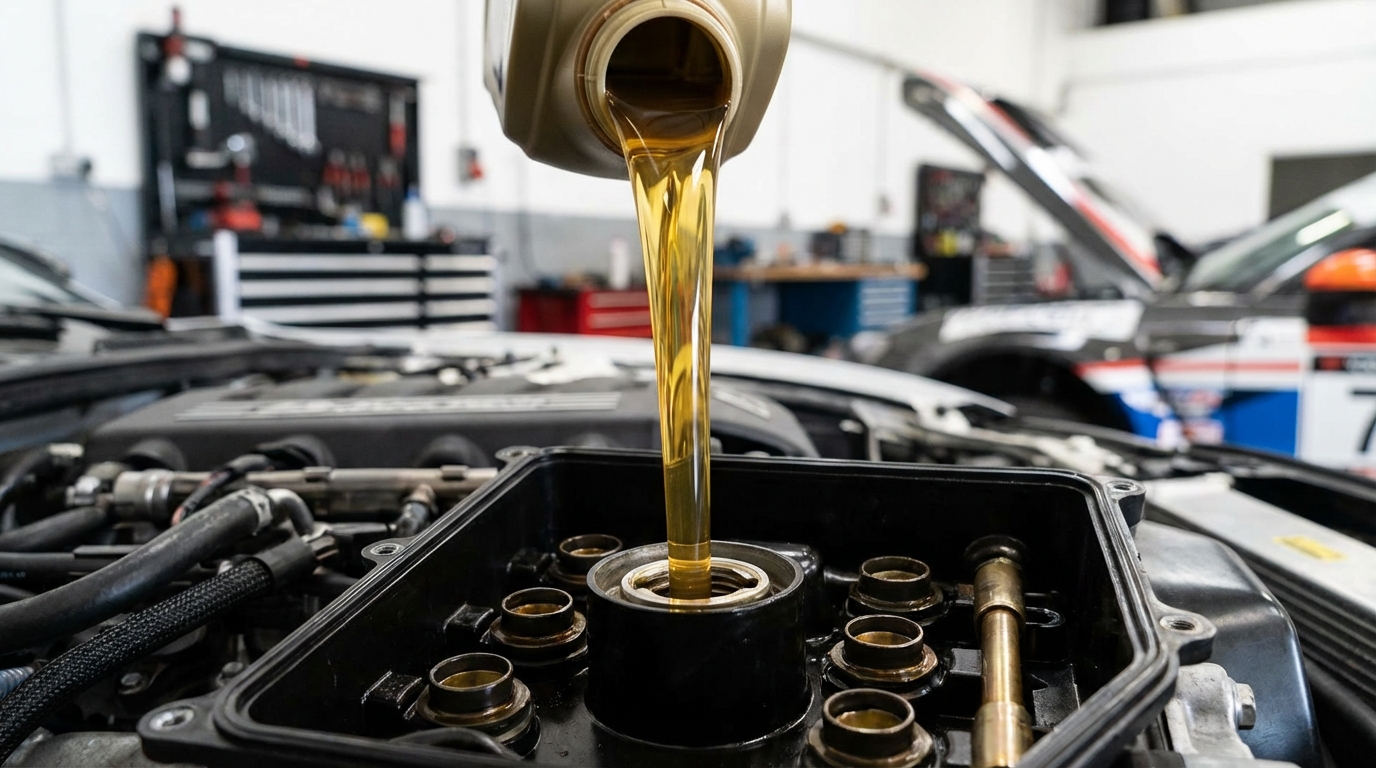
Engine oil, often considered the lifeblood of a vehicle’s engine, performs a complex array of functions that extend far beyond simple lubrication. Its quality is a critical factor influencing everything from an engine’s immediate operational efficiency to its long-term durability and overall performance. Understanding the composition and properties of engine oil, and how these attributes directly impact engine mechanics, is fundamental to appreciating why attention to oil quality is not merely a preference but a necessity for optimal vehicular function.
This exploration delves into the multifaceted roles of engine oil, examining how its formulation and characteristics translate into tangible differences in engine performance, efficiency, and lifespan. We will uncover the intricate ways high-quality oil protects engine components, maintains operating temperatures, and contributes to the smooth, powerful operation drivers expect.
The Fundamental Role of Engine Oil
An engine is a complex assembly of rapidly moving metal components. Without proper lubrication and protection, the immense friction and heat generated would quickly lead to catastrophic failure. Engine oil fulfills several vital functions to prevent this, ensuring the engine operates reliably and efficiently.
- Lubrication: The primary role of engine oil is to create a protective film between moving parts, such as pistons, crankshafts, and camshafts. This film significantly reduces metal-on-metal friction, preventing wear and minimizing energy loss due to resistance.
- Cooling: While the cooling system handles the majority of heat dissipation, engine oil also plays a crucial role. It absorbs heat from engine parts, particularly those not directly cooled by coolant, and carries it away to the oil pan where it can dissipate.
- Cleaning: During combustion, various byproducts like soot, carbon deposits, and sludge can form. Engine oil contains detergents and dispersants that clean engine surfaces and suspend these contaminants, preventing them from accumulating and causing blockages or abrasive wear. The oil then carries these suspended particles to the oil filter for removal.
- Sealing: Engine oil helps to create a seal between the piston rings and cylinder walls. This sealing action is crucial for maintaining compression, which directly impacts power output and combustion efficiency.
- Corrosion Protection: Combustion produces corrosive acids and water. Engine oil contains additives that neutralize these acids and form a protective barrier against rust and corrosion on internal metal surfaces, especially when the engine is not running.
Understanding Oil Properties and Composition
The quality of engine oil is not solely determined by its base stock but also by the sophisticated blend of additives it contains. These two components work synergistically to deliver the comprehensive protection and performance required by modern engines.
Base Oils
Base oils constitute 70-95% of the engine oil’s volume and provide the fundamental lubricating properties. There are typically three main types:
- Conventional (Mineral) Oils: Derived directly from crude oil through a refining process. They offer adequate lubrication for many older engines but have inherent molecular inconsistencies that can make them less stable under extreme temperatures.
- Synthetic Oils: Artificially engineered from chemical compounds rather than refined crude oil. Their molecules are more uniform in size and shape, leading to superior thermal stability, oxidation resistance, and performance across a wider range of temperatures. They flow more easily at low temperatures and maintain viscosity at high temperatures.
- Semi-Synthetic (Synthetic Blend) Oils: A mixture of conventional and synthetic base oils. They offer an intermediate level of performance, combining some of the enhanced properties of synthetics with the affordability of conventional oils.
Additives
The remaining 5-30% of engine oil consists of a carefully formulated package of additives, each designed to enhance specific properties or mitigate potential issues.
- Detergents: Keep engine surfaces clean by preventing the formation of deposits and neutralizing acids.
- Dispersants: Suspend contaminants, such as soot and sludge, in the oil to prevent them from clumping together and settling on engine parts.
- Anti-Wear Agents: Form a protective sacrificial layer on metal surfaces under high pressure and temperature conditions, preventing direct metal-to-metal contact.
- Viscosity Index Improvers (VIIs): Reduce the tendency of oil to thin out at high temperatures and thicken at low temperatures, ensuring consistent viscosity across varying operating conditions.
- Antioxidants: Slow down the chemical degradation (oxidation) of the oil, extending its lifespan and maintaining its protective properties.
- Corrosion Inhibitors: Protect engine components from rust and corrosion caused by moisture and acidic byproducts of combustion.
- Pour Point Depressants: Lower the temperature at which oil starts to solidify and lose its ability to flow, ensuring lubrication during cold starts.
How Oil Quality Influences Engine Performance
The synergy between high-quality base oils and a robust additive package directly translates into quantifiable benefits for engine performance and longevity.
Friction Reduction and Wear Prevention
Superior quality oil maintains a stable lubricating film even under high loads and temperatures. This significantly reduces friction, which in turn reduces parasitic losses within the engine. Less friction means less energy is converted into unwanted heat and more into usable power, contributing to smoother operation and enhanced mechanical efficiency. Over time, consistent friction reduction minimizes wear on critical components, preserving their precise tolerances and extending the engine’s operational life.
Temperature Regulation
High-quality oils possess excellent thermal stability, meaning they resist breaking down or oxidizing at high temperatures. They effectively transfer heat away from hot spots, helping to keep the engine within its optimal operating temperature range. An oil that degrades quickly at high temperatures can lead to localized overheating, varnish formation, and increased friction, compromising engine integrity.
Cleanliness and Contaminant Control
Advanced additive packages in high-quality oils are highly effective at cleaning engine internals and suspending contaminants. By preventing sludge, varnish, and carbon deposits from forming, the oil ensures that oil passages remain clear, hydraulic lifters operate correctly, and piston rings can move freely to maintain compression. A clean engine runs more smoothly and efficiently.
Maintaining Engine Efficiency and Power Output
Proper lubrication and sealing directly impact an engine’s ability to generate and sustain power. When oil effectively seals the piston rings against the cylinder walls, it ensures maximum compression, which is vital for efficient combustion and power delivery. Reduced friction also means less power is wasted overcoming internal resistance, allowing more of the engine’s output to reach the wheels. Degraded or unsuitable oil can lead to compression loss and increased internal resistance, diminishing power and responsiveness.
Fuel Economy Implications
The reduction of internal engine friction has a direct impact on fuel economy. When an engine’s moving parts encounter less resistance, less energy is required to operate them, meaning more of the fuel’s energy can be used for propulsion. Additionally, modern high-quality oils are often formulated to meet specific viscosity requirements that can further enhance fuel efficiency without compromising protection.
Consequences of Subpar Oil Quality
Neglecting oil quality or using an unsuitable grade can lead to a cascade of negative effects that degrade engine performance and shorten its lifespan.
- Increased Engine Wear: Inadequate lubrication leads to accelerated wear on bearings, camshafts, piston rings, and other critical components, potentially resulting in costly repairs or engine failure.
- Reduced Fuel Efficiency: Higher friction and increased internal resistance demand more energy from the fuel to operate the engine, leading to diminished miles per gallon.
- Sludge and Varnish Formation: Poor cleaning and dispersing capabilities allow contaminants to accumulate, forming thick sludge and varnish deposits that can block oil passages and restrict oil flow, leading to lubrication starvation.
- Overheating: Oil that cannot effectively transfer heat or maintain stability at high temperatures contributes to increased engine operating temperatures, which can stress components and accelerate degradation.
- Shorter Engine Lifespan: The cumulative effect of increased wear, contamination, and thermal stress significantly reduces the overall lifespan of the engine.
- Increased Emissions: Degraded oil can lead to increased blow-by (exhaust gases leaking past piston rings) and consumption, contributing to higher emissions.
Conclusion
The quality of engine oil is not a trivial consideration but a foundational element of engine performance and longevity. From reducing friction and dissipating heat to cleaning internal components and protecting against corrosion, engine oil performs a sophisticated suite of tasks essential for an engine’s health. High-quality oil, with its carefully balanced base oils and advanced additive package, ensures that an engine operates at its intended efficiency, delivers consistent power, and remains reliable for years. Understanding these critical roles underscores why selecting and maintaining appropriate engine oil is a crucial aspect of vehicle care, directly contributing to a smoother, more efficient, and more durable driving experience.
FAQs
1. What is viscosity, and why is it important for engine oil?
Viscosity is a measure of a fluid’s resistance to flow. For engine oil, it indicates how easily the oil pours at a specific temperature. It’s crucial because oil needs to be thin enough to flow quickly during cold starts to lubricate moving parts, but thick enough at high operating temperatures to maintain a protective film and prevent metal-on-metal contact. Oil with an inappropriate viscosity for the engine’s design and operating conditions can lead to inadequate lubrication or excessive friction.
2. How often should engine oil be changed?
The frequency of oil changes depends on several factors, including the vehicle’s manufacturer recommendations, the type of oil used (conventional, synthetic, semi-synthetic), driving conditions (e.g., frequent short trips, heavy towing, extreme temperatures), and engine age. Modern engines and synthetic oils often allow for longer intervals, but it is always prudent to consult the vehicle owner’s manual for specific guidelines and consider a fluid analysis for personalized recommendations.
3. Can different types of engine oil be mixed?
While mixing different brands or formulations of the same oil type (e.g., conventional with conventional of the same viscosity grade) is generally not an issue in small quantities, mixing different base stocks (e.g., conventional and synthetic) is generally not recommended. Doing so can dilute the performance properties of the higher-quality oil and may lead to an unpredictable chemical reaction or reduced effectiveness of the additive packages. For optimal engine performance and protection, it is advisable to use a consistent type and grade of oil.
4. What are the signs of degraded engine oil?
Signs of degraded engine oil can include a change in its appearance (dark, gritty, or milky color), a strong burning smell, an increased engine noise (ticking or knocking sounds due to inadequate lubrication), a decrease in engine performance or fuel efficiency, and the illumination of the oil pressure warning light. Regularly checking your oil level and condition is a simple way to monitor its health.
5. Does synthetic oil always offer superior performance?
Synthetic oils typically offer enhanced performance characteristics compared to conventional mineral oils. They provide superior thermal stability, better resistance to oxidation and breakdown, improved flow at low temperatures, and more consistent viscosity across a broader temperature range. This often translates to better engine protection, extended drain intervals, and potentially improved fuel economy. However, an engine must be designed for or compatible with synthetic oil, and following manufacturer recommendations is always paramount.

Diana Miller, is a dedicated nature enthusiast and an outdoor adventurer. She began leading groups for excursions in her teens and never stopped. Following her passion for nature, she gathers her friends for outdoor trips every now and then. And for the last 10 years, she has executed workshops on backpacking, snow kayaking and traveling that included her main motive of lightweight packing while outdoors. During leisure, she loves planning for her next adventure.