
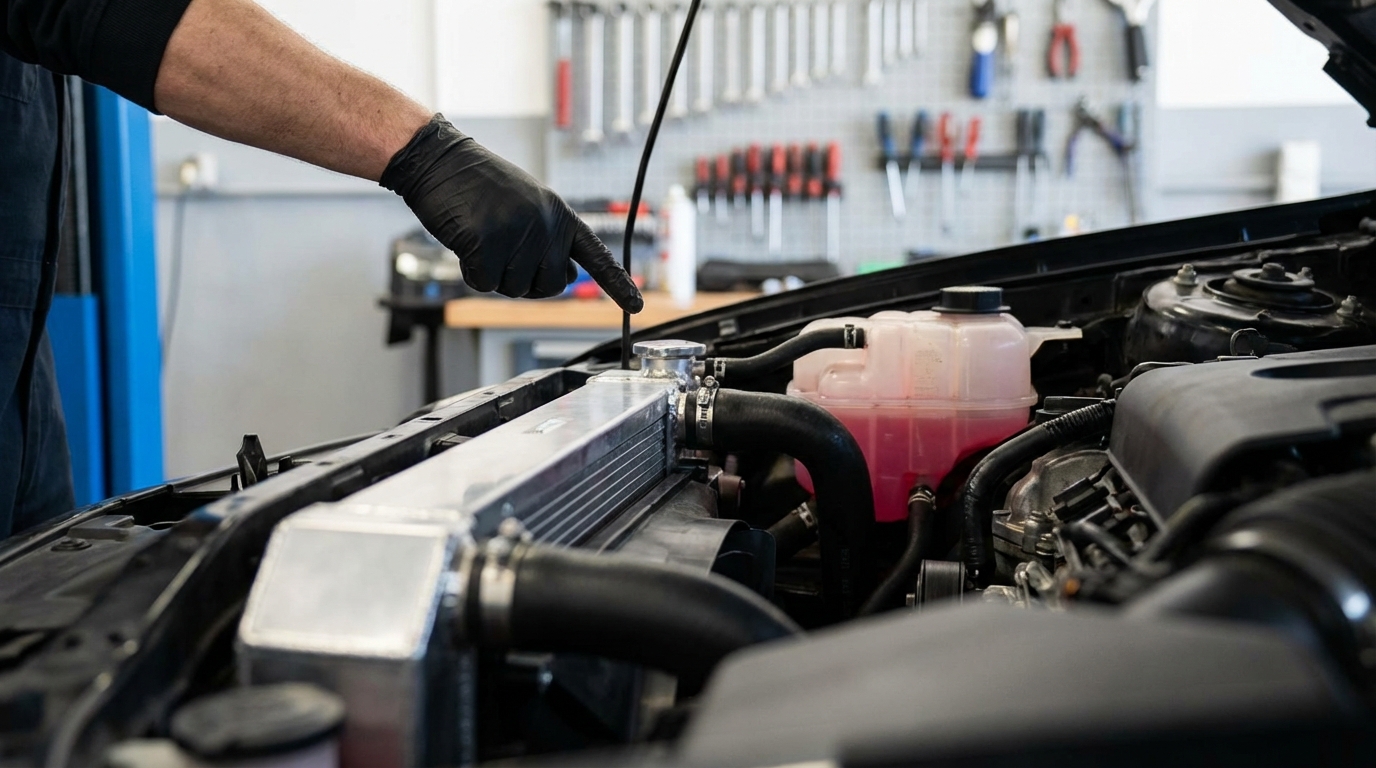
The internal combustion engine, a marvel of engineering that powers countless vehicles, operates by converting fuel into mechanical energy. This process inherently generates a substantial amount of heat, a byproduct that, if left uncontrolled, can quickly lead to severe engine damage. The sophisticated network designed to manage this thermal energy and maintain the engine within its optimal operating temperature range is known as the cooling system.
Understanding the intricate workings of this system is crucial for appreciating its role in vehicle longevity and performance. This post will delve into the mechanisms by which cooling systems diligently prevent engine overheating, ensuring the consistent and reliable operation of your vehicle’s powerplant.
The Imperative of Heat Management
At the heart of an internal combustion engine, the burning of fuel in the combustion chambers creates extreme temperatures, often reaching thousands of degrees Celsius. While some of this heat is converted into useful work, a significant portion must be dissipated. Beyond combustion, friction between moving parts like pistons, crankshafts, and bearings also contributes to heat generation within the engine block and cylinder head.
If this heat accumulates unchecked, it can lead to:
- Material fatigue and warping of engine components, such as the cylinder head.
- Breakdown of engine oil, reducing its lubricating properties and leading to increased wear.
- Scoring of cylinder walls and damage to piston rings.
- Loss of engine power and efficiency.
- Potential for complete engine failure.
Therefore, an effective cooling system is not merely an auxiliary component; it is fundamental to the engine’s survival and operational integrity.
Key Components of an Engine Cooling System
A typical liquid-cooled engine system comprises several interconnected parts, each performing a vital function in the heat transfer process.
The Radiator
The radiator is a primary heat exchanger, usually located at the front of the vehicle to maximize exposure to airflow. It consists of:
- Core: A network of thin tubes through which the hot engine coolant flows.
- Fins: Thin metal strips attached to the tubes, designed to increase the surface area for heat dissipation to the ambient air.
- Tanks: Typically made of plastic or metal, located at the top and bottom (or sides) of the core, which collect and distribute coolant.
As hot coolant passes through the radiator tubes, heat is transferred to the fins and then released into the cooler air passing over them.
The Water Pump
The water pump is the central circulation device of the cooling system. Driven by a belt connected to the engine’s crankshaft, it continuously circulates coolant through the engine block, cylinder head, and radiator. Its impeller design ensures a steady flow, pushing heated coolant out of the engine and drawing in cooled coolant from the radiator.
The Thermostat
The thermostat acts as the temperature regulator for the engine. It is a wax-pellet valve strategically positioned between the engine and the radiator. When the engine is cold, the thermostat remains closed, allowing the engine to warm up quickly to its operating temperature by restricting coolant flow to the radiator. Once the coolant reaches a predetermined temperature, the wax expands, opening the valve and permitting coolant to circulate to the radiator for cooling. This precise regulation ensures the engine operates within its optimal thermal range, promoting efficiency and reducing wear.
Engine Coolant (Antifreeze)
Far more than just water, engine coolant is a specialized fluid mixture, typically consisting of ethylene glycol or propylene glycol, mixed with distilled water and various additives. Its properties are crucial:
- High Specific Heat Capacity: Allows it to absorb large amounts of heat without a significant temperature increase.
- Antifreeze Properties: Lowers the freezing point of water, preventing the coolant from solidifying in cold temperatures and potentially cracking engine components.
- Boiling Point Elevation: Raises the boiling point of water, preventing the coolant from boiling over at engine operating temperatures.
- Corrosion Inhibitors: Protect internal engine and cooling system components from rust and corrosion.
The Radiator Cap
The radiator cap is not just a seal; it plays a critical role in maintaining pressure within the cooling system. By allowing the system to operate under pressure, the boiling point of the coolant is further elevated. This prevents coolant from boiling and converting into steam, which is less efficient at heat transfer. The cap also incorporates a pressure-relief valve that opens if the pressure becomes too high, directing excess coolant into the overflow reservoir.
The Cooling Fan
While the forward motion of the vehicle provides sufficient airflow through the radiator at higher speeds, additional assistance is required at low speeds or when idling. The cooling fan, either mechanically driven by the engine or electrically operated, draws air through the radiator to facilitate heat dissipation, especially when the vehicle is stationary or moving slowly.
Hoses and Reservoir/Overflow Tank
Various hoses (upper, lower, heater hoses) connect the different components of the cooling system, providing pathways for coolant flow. The reservoir or overflow tank collects coolant that expands and is released by the radiator cap when the system heats up. As the system cools, the vacuum created draws the coolant back into the radiator, maintaining the correct fluid level.
The Cooling Process in Action
The cooling system operates in a continuous cycle to manage engine temperature:
- Heat Absorption: As the water pump circulates coolant, it first flows through passages within the engine block and cylinder head. Here, the coolant directly contacts hot metal surfaces, absorbing heat generated by combustion and friction.
- Circulation to Radiator: The now heated coolant is pumped out of the engine and directed towards the radiator through the upper radiator hose.
- Heat Dissipation: Inside the radiator, the hot coolant travels through numerous small tubes. Air flowing over the radiator fins, either from vehicle movement or the cooling fan, absorbs heat from the coolant, effectively cooling it down.
- Temperature Regulation: The thermostat constantly monitors the engine coolant temperature. If the coolant is too cold, the thermostat remains closed, bypassing the radiator to allow the engine to warm up. Once the desired operating temperature is reached, the thermostat opens, allowing coolant to flow to the radiator for cooling.
- Return to Engine: After being cooled in the radiator, the refreshed coolant is drawn back into the engine block by the water pump through the lower radiator hose, ready to absorb more heat and restart the cycle.
This dynamic process ensures that the engine temperature is maintained within a narrow, optimal range, regardless of external conditions or engine load.
The Significance of Regular Maintenance
A well-functioning cooling system is crucial for engine longevity, and regular maintenance is key to its reliability.
- Coolant Level Checks: Regularly verifying the coolant level in the overflow reservoir helps ensure there is adequate fluid for effective heat transfer.
- Coolant Condition: Over time, coolant additives degrade, and the fluid can become contaminated. Checking its color and clarity can indicate if it needs replacement.
- Coolant Flushes and Replacements: Following manufacturer-recommended intervals for coolant flushes and replacement is vital. This removes old coolant with depleted additives and contaminants, replenishing the system with fresh fluid that offers full protective properties.
- Hose and Clamp Inspections: Checking hoses for cracks, bulges, or leaks and ensuring clamps are secure prevents coolant loss and air ingress.
- System Pressure Tests: Periodically testing the radiator cap and the system for pressure leaks can preempt serious issues.
Recognizing Cooling System Anomalies
Awareness of potential cooling system issues can help prevent minor problems from escalating into costly repairs. Signs of trouble include:
- Rising Temperature Gauge: An indicator needle moving towards the “hot” zone on the dashboard gauge.
- Coolant Leaks: Puddles of brightly colored fluid (often green, pink, or orange) under the vehicle.
- Steam or Smoke: Visible steam or smoke emanating from under the hood, often accompanied by a sweet, distinctive smell.
- Heater Malfunction: A cabin heater that blows cold air can sometimes indicate low coolant levels or other cooling system issues.
- Unusual Odors: A sweet smell could indicate a coolant leak, while a burning smell could signify overheating.
Conclusion
The cooling system is an understated yet indispensable component of any modern internal combustion engine. Its meticulous design and continuous operation are fundamental to preventing the destructive effects of excessive heat, thereby safeguarding the engine’s mechanical integrity and ensuring consistent performance. By facilitating the efficient transfer and dissipation of thermal energy, the cooling system allows the engine to operate within its designed parameters, promoting fuel efficiency, reducing emissions, and significantly extending the lifespan of the vehicle. Understanding its components and adhering to routine maintenance schedules are proactive steps every vehicle owner can take to ensure the continued health and reliability of their engine.
Frequently Asked Questions
Q1: What is the primary function of engine coolant?
A1: The primary function of engine coolant is to absorb excess heat from the engine’s internal components and transfer it to the atmosphere via the radiator, thereby maintaining the engine within its optimal operating temperature range. It also contains additives to prevent freezing, boiling, and corrosion.
Q2: How does the thermostat contribute to temperature regulation?
A2: The thermostat acts as a temperature-controlled valve that regulates the flow of coolant to the radiator. When the engine is cold, it stays closed to allow the engine to warm up quickly. Once the engine reaches its optimal operating temperature, the thermostat opens to permit coolant to circulate through the radiator for cooling, ensuring precise temperature control.
Q3: Why is maintaining proper coolant levels important?
A3: Maintaining proper coolant levels is crucial because coolant is the medium that absorbs and transfers heat. Insufficient coolant can lead to air pockets in the system, reducing its efficiency and potentially causing localized overheating. It also means there isn’t enough fluid to effectively dissipate the heat generated by the engine.
Q4: What happens if an engine overheats significantly?
A4: Significant engine overheating can lead to severe damage, including warping or cracking of the cylinder head, head gasket failure, damage to pistons and cylinder walls, and breakdown of engine oil’s lubricating properties. This can result in costly repairs or even require complete engine replacement.
Q5: How often should engine coolant be checked or replaced?
A5: Engine coolant levels should be checked regularly, typically during routine maintenance or at least every few months. The coolant itself should be replaced according to the vehicle manufacturer’s recommendations, which can vary widely depending on the type of coolant used, often ranging from every 30,000 miles (48,000 km) to 100,000 miles (160,000 km) or more, or every 2 to 5 years.

Diana Miller, is a dedicated nature enthusiast and an outdoor adventurer. She began leading groups for excursions in her teens and never stopped. Following her passion for nature, she gathers her friends for outdoor trips every now and then. And for the last 10 years, she has executed workshops on backpacking, snow kayaking and traveling that included her main motive of lightweight packing while outdoors. During leisure, she loves planning for her next adventure.