
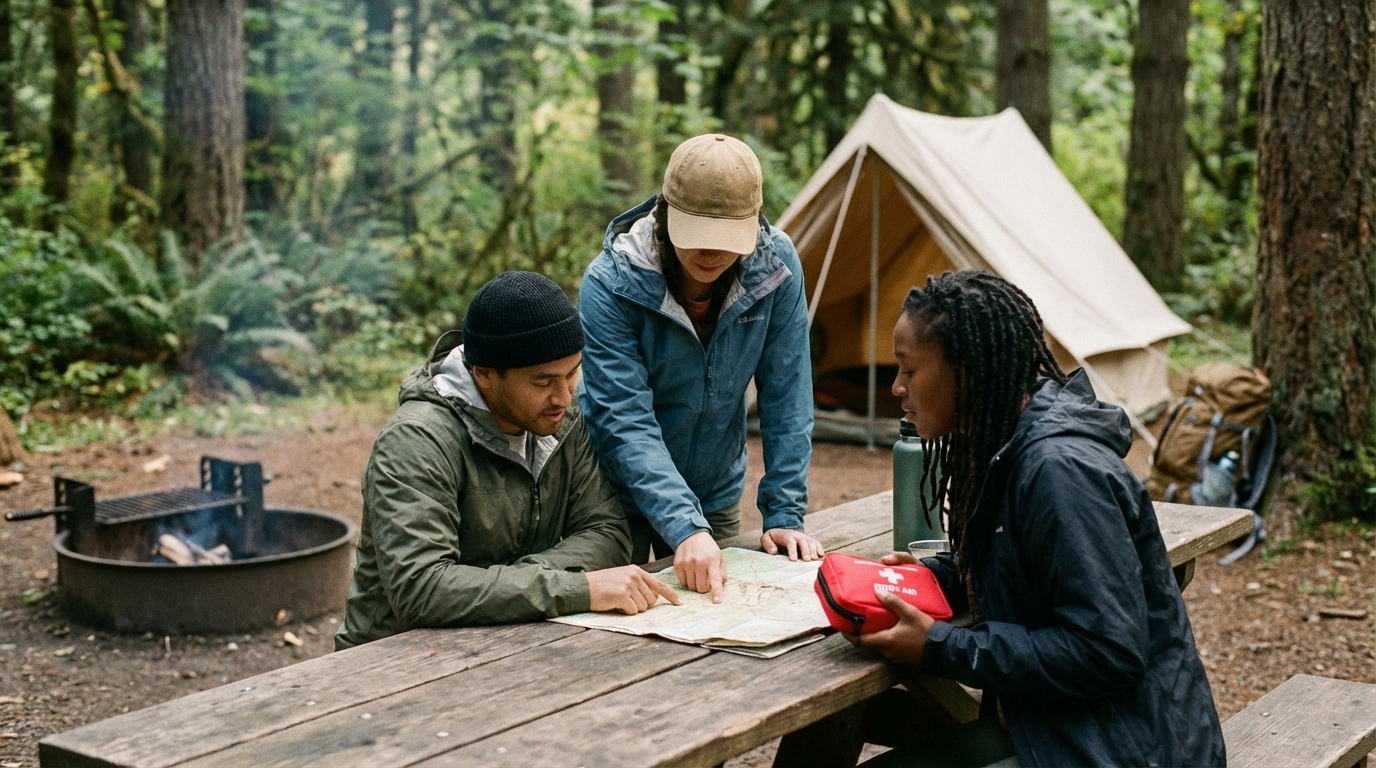
Understanding Common Camping Risks and Prevention
Camping offers an unparalleled opportunity to connect with nature, unwind from daily routines, and create lasting memories. However, enjoying the tranquility of the outdoors also comes with inherent risks that, if not understood and prepared for, can turn an enjoyable trip into a challenging situation. A proactive approach to safety, beginning with thorough knowledge of potential hazards and effective prevention strategies, is fundamental for any outdoor excursion. This post aims to provide a comprehensive overview of common camping risks and the practical steps individuals can take to mitigate them, ensuring a safer and more fulfilling experience in the wilderness.Environmental Considerations
The natural environment, while beautiful, presents several challenges that campers must be prepared to navigate. Understanding weather patterns and terrain features is crucial for safety.Weather Extremes
Unpredictable weather can significantly impact a camping trip. Being prepared for various conditions is essential.- Thunderstorms and Lightning: Rapidly changing weather can bring thunderstorms. Lightning poses a serious risk, especially in exposed areas.
- Monitor weather forecasts diligently before and during your trip.
- Seek shelter in a sturdy building or a hard-topped vehicle if a storm approaches.
- Avoid tall trees, open fields, and water during a thunderstorm. If caught in the open, crouch low to the ground.
- Extreme Heat: High temperatures can lead to heat-related illnesses.
- Stay hydrated by drinking plenty of water, even if you don’t feel thirsty.
- Seek shade during the hottest parts of the day.
- Plan strenuous activities for cooler morning or evening hours.
- Wear light-colored, loose-fitting clothing.
- Extreme Cold: Cold weather can lead to hypothermia and frostbite.
- Layer clothing to trap warm air and allow for adjustments.
- Ensure you have appropriate insulation, including a well-rated sleeping bag and sleeping pad.
- Stay dry; wet clothing dramatically increases heat loss.
- Consume warm liquids and calorie-dense foods to fuel your body’s internal heating system.
Terrain Challenges
The landscape itself can present physical hazards.- Uneven Ground and Slippery Surfaces: Trails can be rocky, muddy, or covered with roots, leading to slips and falls.
- Wear sturdy, supportive footwear with good traction.
- Pay attention to your footing, especially when carrying a heavy pack or in low light.
- Consider using trekking poles for added stability on challenging terrain.
- Steep Inclines and Declines: Navigating steep areas requires caution and sometimes specific techniques.
- Stick to marked trails designed for safe passage.
- Take small, controlled steps.
- Avoid rushing, especially when descending.
- Flash Floods: Heavy rainfall can cause rivers and streams to rise rapidly, creating dangerous conditions.
- Check flood forecasts for the area.
- Avoid camping in low-lying areas, dry riverbeds, or canyons.
- Be aware of changes in water levels and sound.
Wildlife Encounters
Camping means sharing the environment with various animals. Understanding how to coexist safely with wildlife is crucial.Large Mammals
Animals like bears, moose, and deer are part of many natural environments.- Prevention:
- Store food, toiletries, and scented items in bear-resistant containers, hung from a tree, or in a vehicle.
- Never feed wildlife, directly or indirectly.
- Make noise while hiking to avoid surprising animals.
- Keep a clean camp, free of food scraps and waste.
- Encounter Protocol:
- Give animals ample space. Do not approach them, especially mothers with young.
- If an encounter occurs, remain calm. Do not run, which can trigger a chase instinct.
- Back away slowly while continuing to face the animal.
- Make yourself appear large and make noise to deter certain animals.
Smaller Animals and Insects
Even small creatures can pose risks.- Ticks and Mosquitoes: These insects can transmit diseases.
- Use insect repellent on exposed skin and clothing.
- Wear long sleeves and pants, especially in wooded or grassy areas.
- Perform regular tick checks on yourself, companions, and pets.
- Use mosquito netting in tents.
- Snakes and Spiders: Some species are venomous.
- Watch where you step and where you place your hands.
- Shake out sleeping bags, shoes, and clothing before use.
- Avoid reaching into dark, unseen crevices or under logs.
Health and Safety Risks
Personal well-being can be affected by various factors, from physical injury to illness and getting lost.Injuries
Minor cuts, scrapes, sprains, and blisters are common in outdoor settings.- Prevention:
- Carry a well-stocked first aid kit and know how to use it.
- Wear appropriate footwear and use proper hiking techniques.
- Maintain clear pathways around your tent and campsite to prevent tripping.
- Use headlamps or flashlights at night to navigate safely.
Illness
Several illnesses can arise from improper hygiene, food handling, or environmental exposure.- Dehydration: Inadequate fluid intake can lead to fatigue, headaches, and more severe complications.
- Drink water regularly throughout the day.
- Bring sufficient water supplies or a reliable water filter/purification system.
- Foodborne Illness: Improper food storage or cooking can lead to digestive issues.
- Keep perishable foods properly chilled.
- Cook all foods to their appropriate internal temperatures.
- Practice good hand hygiene before and after handling food.
- Waterborne Illness: Consuming untreated water can lead to serious gastrointestinal infections.
- Always filter, boil, or chemically treat all drinking water from natural sources.
Loss of Direction
Getting disoriented or lost is a significant concern in unfamiliar terrain.- Prevention:
- Inform someone of your itinerary, including your route, destination, and expected return time.
- Carry a map, compass, and GPS device (and know how to use them).
- Stay on marked trails.
- If camping in a group, stay together and establish meeting points.
- If Lost:
- Stay calm and signal for help if possible.
- Stay in one place if you believe you are being searched for.
- Use the “STOP” acronym: Stop, Think, Observe, Plan.
Equipment and Fire-Related Risks
The tools and practices used in camping can also pose risks if not handled correctly.Improper Equipment Use
Camping gear, while designed for safety, requires proper handling.- Stoves and Lanterns:
- Operate stoves and fuel lanterns in well-ventilated areas to avoid carbon monoxide buildup.
- Ensure they are placed on a stable, non-flammable surface, away from tents and other combustibles.
- Read and follow manufacturer instructions carefully.
- Tents and Shelter:
- Pitch your tent in a safe location, away from potential rockfalls, dead trees, or flood zones.
- Securely stake down tents to prevent them from being blown away in high winds.
Fire Hazards
Campfires are a cherished part of camping, but they demand extreme caution.- Prevention:
- Check for fire bans or restrictions before starting a fire.
- Use established fire rings or create a clear, safe area, free of dry leaves, grass, and other flammable materials.
- Keep a bucket of water and a shovel nearby to manage the fire.
- Never leave a campfire unattended.
- Ensure the fire is completely extinguished before leaving the site or going to bed. It should be cold to the touch.
- Other Heat Sources:
- Be mindful of portable heaters, which can pose a fire risk or carbon monoxide poisoning risk if used incorrectly in enclosed spaces.
- Keep all flammable materials away from any heat source.
Conclusion
Camping provides invaluable experiences and a profound connection to the natural world. By understanding the common risks associated with outdoor activities and implementing preventive measures, campers can significantly enhance their safety and enjoyment. Prioritizing preparation, respecting the environment, and staying informed are key components of responsible outdoor recreation. A well-planned and cautious approach ensures that the focus remains on the beauty and adventure of nature, rather than on unforeseen challenges.Frequently Asked Questions
Q: What should be included in a basic camping first aid kit?
A: A basic camping first aid kit should include sterile bandages, antiseptic wipes, adhesive tape, gauze pads, pain relievers, allergy medication, blister treatment, insect bite relief, tweezers (for splinters/ticks), scissors, a CPR mask, and any personal prescription medications. It is also beneficial to have a small first aid manual.
Q: How can I protect my food from animals, especially in areas with bears?
A: To protect food from animals, especially bears, use approved bear-resistant containers or food storage bags. Alternatively, hang food from a sturdy tree branch at least 10-12 feet off the ground and 4-6 feet away from the tree trunk. Store all scented items, including toiletries and trash, along with food. Never keep food inside your tent.
Q: What are common signs of dehydration, and how can it be prevented?
A: Common signs of dehydration include thirst, dry mouth, infrequent urination, dark-colored urine, fatigue, headaches, and dizziness. To prevent dehydration, drink water regularly throughout the day, even if you don’t feel thirsty. Carry sufficient water for your activities, and consider electrolyte-enhanced drinks during strenuous exertion or in hot weather. Avoid excessive consumption of alcohol and caffeine, which can contribute to fluid loss.
Q: How do I properly extinguish a campfire to prevent it from reigniting?
A: To properly extinguish a campfire, first allow it to burn down to coals. Pour water onto all embers and logs until hissing stops. Stir the ashes and coals with a shovel or stick to ensure water penetrates everything. Add more water if needed. Repeat this process until everything is cold to the touch. If you don’t have water, cover the fire with dirt or sand and stir it in, ensuring no hot spots remain, but water is generally more effective.
Q: What should I do if I encounter a large animal like a bear or moose while camping or hiking?
A: If you encounter a large animal like a bear or moose, remain calm and do not run, as this can trigger a chase response. Make yourself appear as large as possible by waving your arms slowly. Speak in a low, calm voice to let the animal know you are human. Slowly back away while facing the animal, giving it plenty of space to retreat. Avoid direct eye contact, which some animals perceive as a challenge. If the animal charges, stand your ground and try to deter it. In the rare event of a physical attack, fight back vigorously.

Diana Miller, is a dedicated nature enthusiast and an outdoor adventurer. She began leading groups for excursions in her teens and never stopped. Following her passion for nature, she gathers her friends for outdoor trips every now and then. And for the last 10 years, she has executed workshops on backpacking, snow kayaking and traveling that included her main motive of lightweight packing while outdoors. During leisure, she loves planning for her next adventure.