
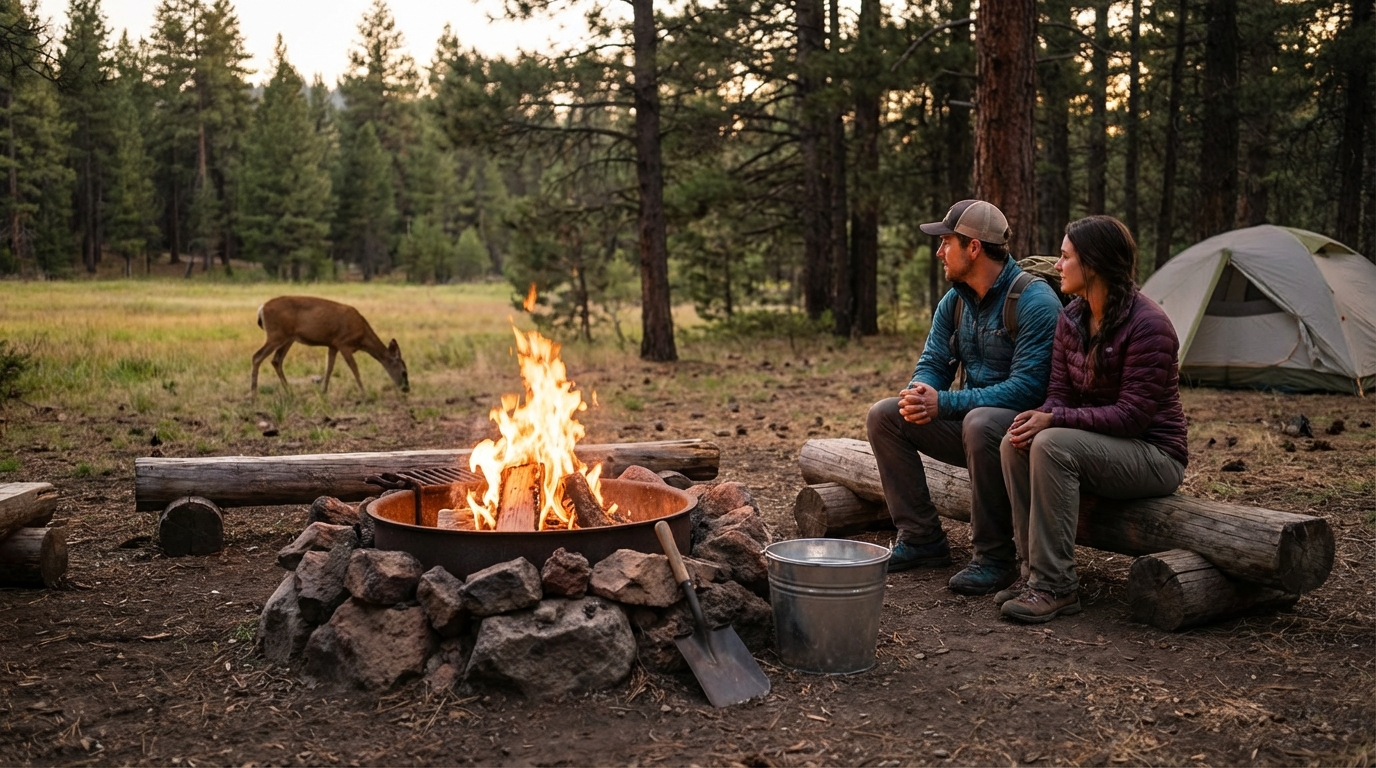
Spending time outdoors offers unique opportunities to connect with nature, whether through camping, hiking, or simply enjoying the serenity of a natural landscape. However, these experiences come with a significant responsibility: understanding and adhering to fire safety regulations. Wildfires pose an immense threat to both human lives and the intricate ecosystems that make our natural spaces so valuable. Every year, countless acres of forest, grassland, and wilderness are devastated by fires, many of which are preventable.
This blog post will delve into the critical role fire safety rules play in safeguarding campers and protecting the diverse flora and fauna that inhabit these environments. By understanding the risks, knowing the rules, and practicing vigilance, outdoor enthusiasts can contribute significantly to preserving our natural heritage for generations to come.
The Threat of Wildfires
Wildfires are uncontrolled fires that burn in wildland areas, consuming vegetation, structures, and everything in their path. While some wildfires are caused by natural phenomena like lightning strikes, a substantial majority are ignited by human activity. These can include unattended campfires, discarded cigarettes, sparks from equipment, arson, and even seemingly innocuous actions like improperly disposed of embers.
The speed and intensity of wildfires can be astonishing. Fueled by dry vegetation, strong winds, and high temperatures, they can spread rapidly, making containment extremely challenging. The immediate danger to human life is evident, as fires can trap campers, hikers, and residents, destroying homes and infrastructure. Beyond direct threats to safety, wildfires inflict severe and often long-lasting damage on the natural world.
Fire Safety Principles for Campers
Adhering to established fire safety guidelines is not just a suggestion; it’s a fundamental requirement for anyone enjoying the outdoors. These principles are designed to mitigate risks and prevent catastrophic events.
Understanding Fire Restrictions
- Fire Danger Levels: Land management agencies constantly assess fire danger levels, categorizing them as low, moderate, high, very high, or extreme. These levels are determined by factors such as fuel moisture, temperature, humidity, and wind speed.
- Regional and Seasonal Bans: During periods of elevated risk, specific fire restrictions or total fire bans may be implemented. These can vary by region and season, prohibiting open flames, campfires, or even certain types of cooking equipment. It is crucial to check local conditions and regulations before embarking on any outdoor trip. Ignoring these restrictions can lead to severe penalties and, more importantly, put lives and environments at risk.
Campfire Construction and Management
If campfires are permitted, their responsible construction and management are paramount.
- Site Selection: Choose a clear, level spot away from trees, shrubs, dry grass, and overhanging branches. Ensure there is a minimum of 10 feet (3 meters) of clear space around the fire ring, free of any flammable materials.
- Size and Containment: Keep campfires small and manageable. A modest fire provides ample heat and light without posing excessive risk. Use existing fire rings where available, or construct a ring of rocks to contain the fire.
- Fuel: Only use natural, untreated wood that is dead and fallen from the ground. Avoid burning garbage, plastics, or chemically treated wood, as these can release toxic fumes and leave harmful residues.
- Supervision: Never leave a campfire unattended, even for a short period. A single gust of wind can send embers flying, igniting nearby dry vegetation. Someone should always be present until the fire is completely extinguished.
- Extinguishing: This is perhaps the most critical step. Douse the fire thoroughly with water, stirring the ashes with a shovel until all embers are extinguished. Continue adding water and stirring until the area is cool to the touch. This method ensures that no hidden embers can reignite later.
Alternative Heating/Cooking Methods
When fire bans are in effect or conditions are unfavorable for campfires, safer alternatives are available:
- Propane Stoves: Portable propane or butane stoves are generally allowed even during many fire bans. They offer a controlled flame, heat quickly, and can be extinguished instantly. Always place them on a stable, non-flammable surface.
- No-Trace Principles: Embrace Leave No Trace principles, which advocate for minimizing impact on the environment. This often includes opting for cooking methods that don’t involve open flames when possible.
Emergency Preparedness
Being prepared for an emergency is a vital aspect of fire safety.
- Escape Routes: Before lighting a fire, know your escape routes and identify nearby water sources.
- Suppression Tools: Always have a shovel and a bucket of water nearby to manage sparks or contain a small flare-up.
- Reporting Fires: If a fire gets out of control or you spot an unattended fire, immediately contact emergency services (e.g., 911 in North America) and provide clear, precise location details.
Protecting Wildlife and Ecosystems
The consequences of wildfires extend far beyond the immediate burn scar, impacting wildlife and ecosystems in profound and lasting ways.
Direct Impact on Animals
- Mortality and Injury: Many animals are unable to escape the fast-moving flames and perish directly in the fire. Others suffer severe burns or injuries.
- Habitat Loss: Fires destroy critical habitats, including nesting sites, dens, and food sources. This displacement can force animals into unfamiliar territories, increasing competition for resources and making them vulnerable to predators.
- Disruption of Cycles: Wildfires can disrupt breeding cycles, migration patterns, and the availability of food for months or even years, leading to long-term population declines.
Indirect Ecological Consequences
- Soil Damage: Intense heat can sterilize soil, destroy beneficial microorganisms, and strip away the organic layer, making it difficult for new vegetation to grow. This can also lead to increased erosion and landslides as the soil loses its structure.
- Air Quality Degradation: Smoke and ash from wildfires can travel thousands of miles, degrading air quality in distant communities and affecting respiratory health.
- Water Contamination: Ash, sediment, and pollutants washed into streams, rivers, and lakes after a fire can contaminate water sources, harming aquatic life and affecting drinking water supplies.
- Vegetation Destruction: While some ecosystems are adapted to fire and require it for regeneration (e.g., certain pine species), large, intense fires can destroy entire plant communities, leading to long-term changes in biodiversity and ecosystem function.
- Invasion of Non-Native Species: Disturbed areas post-fire are often susceptible to colonization by invasive plant species, which can outcompete native plants and further alter the ecosystem.
Slow Recovery and Long-Term Effects
Ecosystems can take decades, or even centuries, to fully recover from a significant wildfire. The loss of old-growth forests, unique plant species, and established animal populations can represent an irreversible change. The cumulative effect of frequent or intense fires can fundamentally alter landscapes, reducing their resilience and making them more susceptible to future disturbances.
The Role of Education and Awareness
Preventing wildfires is a shared responsibility. Public education campaigns, such as those promoting the “Smokey Bear” message, have been instrumental in raising awareness about fire prevention. However, continuous vigilance and personal accountability are essential. By understanding the causes and consequences of wildfires, individuals can become active participants in prevention efforts.
Teaching children about fire safety, sharing knowledge with fellow campers, and staying informed about local conditions all contribute to a culture of responsibility. Every informed action, no matter how small, helps to reduce the risk of fire and protect the precious natural environments we cherish.
Conclusion
The rules and guidelines for fire safety in the outdoors are more than mere suggestions; they are critical safeguards for human lives and the health of our planet. Wildfires, often sparked by human negligence, inflict widespread destruction on our natural landscapes, endangering campers, decimating wildlife populations, and degrading vital ecosystems.
By diligently adhering to fire restrictions, practicing responsible campfire management, exploring safer alternatives, and preparing for emergencies, outdoor enthusiasts can play a pivotal role in preventing these devastating events. Our collective commitment to fire safety ensures that the serene beauty and ecological richness of our natural spaces remain intact for current and future generations to appreciate and enjoy. Stay informed, stay vigilant, and help keep our wild places safe.
Frequently Asked Questions
Q1: Why are campfires sometimes banned even if it hasn’t rained recently?
A1: Fire bans are based on a complex assessment of multiple factors, not just recent rainfall. These include historical drought conditions, the moisture content of vegetation (which can remain very low even after light rain), wind speed forecasts, temperature, and humidity. Even if the surface appears damp, deeper fuels might be extremely dry, and strong winds can quickly spread any spark.
Q2: What does “cold to the touch” mean for extinguishing a campfire?
A2: “Cold to the touch” means that after you’ve thoroughly doused the fire with water and stirred the ashes, you should be able to place your bare hand into the ashes and feel no warmth at all. If you feel any heat, there are still embers present, and you must add more water and stir again until it is completely cool.
Q3: How far away should a campfire be from tents or flammable materials?
A3: A campfire should be at least 10 to 15 feet (3 to 4.5 meters) away from any tent, sleeping bag, dry vegetation, overhanging branches, or other flammable materials. This provides a safety buffer against sparks or embers carried by the wind.
Q4: Can I use leaves and small twigs for kindling in a campfire?
A4: Yes, small dry leaves, needles, and twigs are excellent kindling to help start a fire. However, ensure they are thoroughly dry and only gather what is dead and fallen from the ground. Avoid using large amounts of very fine, dry material, as it can create rapid, intense flames that might be harder to control.
Q5: What should I do if I see a small wildfire starting?
A5: If you discover a wildfire, even a small one, prioritize your safety first. If it is small enough and safe to do so, attempt to put it out using water and a shovel. However, if the fire is growing rapidly, poses a threat to your safety, or is beyond your immediate ability to extinguish, evacuate the area immediately and report it to emergency services (e.g., 911) with as precise a location as possible.

Diana Miller, is a dedicated nature enthusiast and an outdoor adventurer. She began leading groups for excursions in her teens and never stopped. Following her passion for nature, she gathers her friends for outdoor trips every now and then. And for the last 10 years, she has executed workshops on backpacking, snow kayaking and traveling that included her main motive of lightweight packing while outdoors. During leisure, she loves planning for her next adventure.