
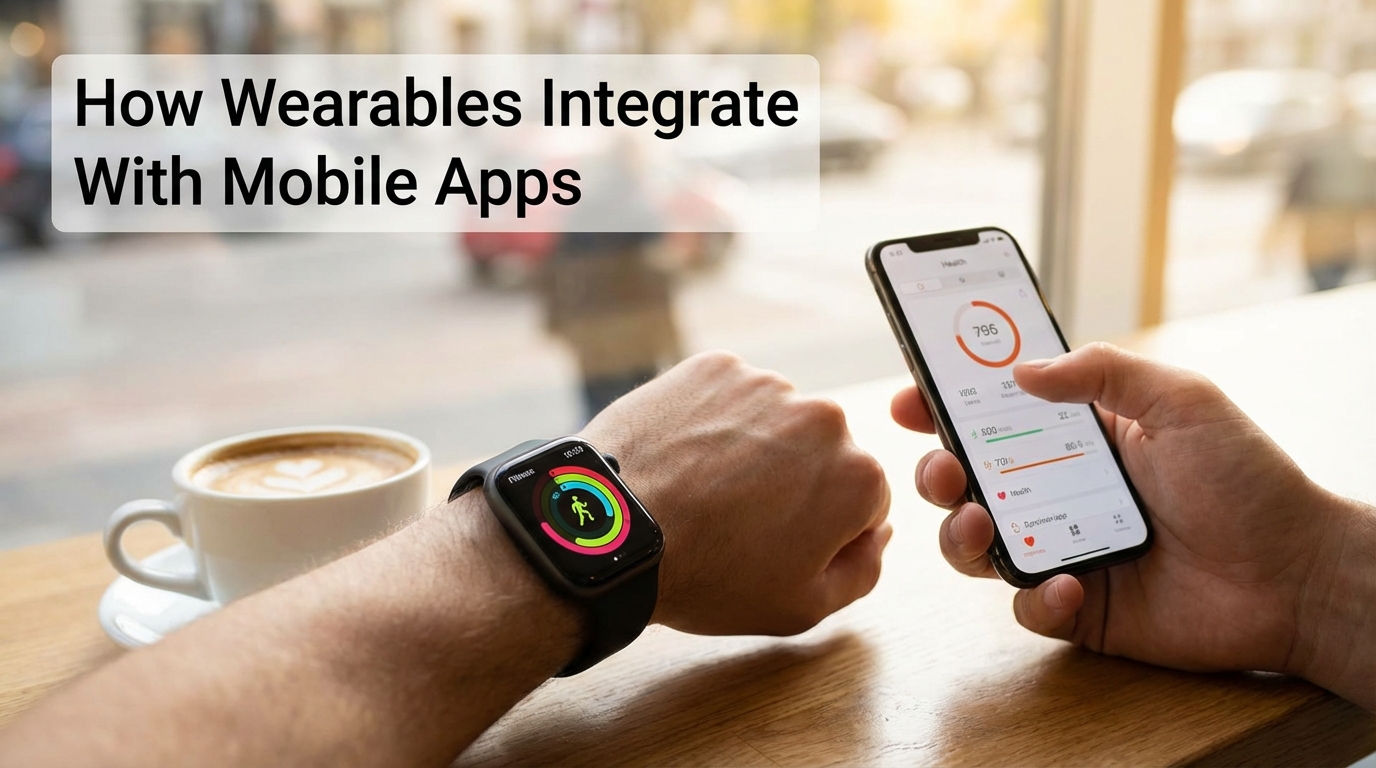
Wearable technology has transitioned from niche gadgets to pervasive devices, seamlessly woven into the fabric of daily life. From smartwatches tracking fitness metrics to continuous glucose monitors providing vital health data, these compact devices are increasingly indispensable. However, the true power and utility of most wearables are not fully realized in isolation. Their integration with mobile applications is what unlocks a comprehensive ecosystem of data, control, and personalized insights. This interconnectedness transforms raw data into actionable information, enhancing user experience and expanding the capabilities of the devices themselves.
The relationship between a wearable device and its accompanying mobile application is symbiotic. The wearable acts as a sophisticated sensor array, constantly collecting a rich tapestry of data from the user and their environment. The mobile app, residing on a smartphone or tablet, serves as the central hub for processing, visualizing, and interpreting this data, as well as providing a comprehensive interface for managing the wearable device. Understanding how this integration functions is key to appreciating the sophistication behind modern wearable technology.
The Foundation of Wearable-App Integration
At its core, the integration between wearables and mobile apps relies on established wireless communication protocols and robust software frameworks. This foundational layer ensures secure and efficient data exchange.
Wireless Communication Protocols
The primary method for a wearable device to communicate with a mobile application is through short-range wireless technologies. Among these, Bluetooth Low Energy (BLE) stands out as the predominant standard. BLE is specifically designed for applications that require low power consumption, making it ideal for battery-constrained wearable devices that need to maintain connectivity over extended periods.
- Bluetooth Low Energy (BLE): Enables continuous or intermittent data transmission with minimal impact on battery life for both the wearable and the mobile device. It supports various profiles for different types of data, from simple notifications to complex health metrics.
- Wi-Fi: While less common for direct, continuous wearable-to-phone communication due to its higher power consumption, Wi-Fi can be used by some advanced wearables for larger data transfers, such as firmware updates, or to directly synchronize data with cloud services when a smartphone is not present.
- NFC (Near Field Communication): Primarily used for quick pairing, authentication, or payment functionalities rather than continuous data streaming between the wearable and the mobile app.
Operating Systems and APIs
Both the wearable device and the mobile application operate within specific software environments. Wearables often run specialized, lightweight operating systems (OS) designed for their form factor and limited processing power. Mobile apps, on the other hand, are developed for prominent mobile OS platforms like Android or iOS.
Application Programming Interfaces (APIs) are crucial for enabling seamless communication between these different software layers. APIs define the methods and protocols that developers use to integrate various software components, allowing the mobile app to:
- Access data collected by the wearable.
- Send commands and settings to the wearable.
- Interact with the wearable’s hardware features.
This allows for a standardized way for the app to communicate with the wearable, regardless of specific hardware implementations, as long as both adhere to the defined API specifications.
Data Collection, Synchronization, and Processing
Wearables are sophisticated data collectors, but it’s the mobile app that transforms this raw influx into meaningful information.
Types of Data Collected
Wearables gather a diverse range of data, depending on their design and purpose. Common data points include:
- Physiological Metrics: Heart rate, heart rate variability, skin temperature, blood oxygen levels, electrodermal activity, sleep stages.
- Activity Data: Steps taken, distance traveled, calories burned, active minutes, exercise type recognition, GPS location.
- Environmental Data: Ambient light, air pressure, noise levels.
- User Input: Button presses, touch gestures, voice commands.
The Synchronization Process
Data synchronization can occur in several ways:
- Real-time Streaming: For certain critical data points, such as notifications or live heart rate monitoring during exercise, data may be streamed continuously to the mobile app for immediate display or processing.
- Periodic Sync: Much of the collected data, like hourly activity logs or sleep metrics, is often stored temporarily on the wearable device and then synced with the mobile app at regular intervals or when the app is opened. This approach conserves battery life.
- On-demand Sync: Users can manually initiate a sync from the mobile app to retrieve the latest data from their wearable.
Once synced, the mobile app typically uploads this data to a secure cloud service. This allows for data backup, cross-device access, and often serves as the backend for advanced analytical processing.
Mobile App’s Role in Enhancing Wearable Functionality
The mobile application elevates the utility of a wearable device far beyond its standalone capabilities, acting as the primary user interface and processing engine.
Data Visualization and Interpretation
Raw sensor data from a wearable is often indecipherable to the average user. The mobile app translates this into easily understandable formats:
- Graphs and Charts: Visualizing trends over time for metrics like heart rate, sleep patterns, or activity levels.
- Daily Summaries: Presenting aggregated data for a specific day, week, or month.
- Contextual Information: Explaining what the data means in relation to personal goals or general health guidelines.
Configuration and Customization
Many aspects of a wearable device are configured and customized directly through its paired mobile app:
- Notification Management: Selecting which app notifications from the phone should appear on the wearable.
- Watch Faces/Display Settings: Personalizing the appearance of the wearable’s screen.
- Alarms and Timers: Setting up vibrating alarms or timers on the device.
- Sensor Sensitivity: Adjusting settings for specific sensors, if applicable.
- Goal Setting: Defining activity, sleep, or health goals within the app, which then inform the wearable’s tracking.
Advanced Analytics and Insights
With greater processing power and access to broader datasets (historical data, aggregated user data in the cloud), the mobile app can perform more sophisticated analysis:
- Trend Analysis: Identifying long-term patterns in health and activity data.
- Personalized Coaching: Offering suggestions or feedback based on observed user behavior and goals.
- Comparative Analysis: Benchmarking individual data against similar user groups (anonymously).
- Risk Assessment: For health-focused wearables, generating reports that might indicate potential health issues for discussion with professionals.
User Interaction and Control
The mobile app often serves as a remote control for certain wearable functions, allowing users to:
- Initiate or stop workouts.
- Control music playback on the phone.
- Locate a misplaced wearable.
- Manage connectivity settings.
Software and Firmware Updates
Wearable devices regularly receive software and firmware updates to introduce new features, improve performance, or fix bugs. The mobile app typically manages this process, downloading the update files and facilitating their transfer and installation onto the wearable.
Security and Privacy Considerations
Given the sensitive nature of the data collected by wearables, robust security and privacy measures are paramount in their integration with mobile apps.
- Data Encryption: Data is typically encrypted both during transmission between the wearable and the mobile app (e.g., via secure Bluetooth connections) and when stored on the mobile device or in cloud services.
- User Consent: Mobile apps are designed to obtain explicit user consent for data collection, processing, and sharing, often in adherence to privacy regulations.
- Access Controls: Strong authentication mechanisms protect user accounts and prevent unauthorized access to personal data.
- Anonymization and Aggregation: When data is used for research or trend analysis, it is often anonymized and aggregated to protect individual identities.
User Experience Aspects
A successful wearable-app integration goes beyond technical functionality; it prioritizes a seamless and intuitive user experience.
- Effortless Pairing: The initial setup and pairing process should be straightforward and quick.
- Intuitive Interface: The mobile app’s design should be clean, easy to navigate, and visually appealing, making data interpretation and device control simple.
- Actionable Insights: Data presented should be relevant and provide clear pathways for users to act on the information.
- Reliable Synchronization: Users expect their data to be consistently and accurately transferred between devices.
- Battery Management: The integration should be optimized to minimize battery drain on both the wearable and the mobile device.
Conclusion
The integration of wearable devices with mobile applications is a cornerstone of modern personal technology. This synergistic relationship transforms compact sensors into powerful tools for health management, fitness tracking, and daily productivity. While the wearable excels at discreet data collection, the mobile app provides the essential platform for data interpretation, device management, and user interaction. Through robust communication protocols, intuitive interfaces, and stringent security measures, this integration unlocks the full potential of wearable technology, offering users a comprehensive and personalized experience that continues to evolve with advancements in both hardware and software.
Frequently Asked Questions (FAQs)
Q1: What is the primary method for wearables to connect to mobile apps?
A1: The most common and energy-efficient method for wearables to connect to mobile apps is through Bluetooth Low Energy (BLE). This wireless technology allows for consistent data exchange with minimal impact on battery life for both devices.
Q2: Why is a mobile app necessary for many wearables?
A2: A mobile app is crucial because it provides a graphical interface for data visualization and interpretation, allows users to configure and customize wearable settings, enables advanced data analytics, manages software updates, and often serves as a central hub for user interaction and control that the wearable’s small screen or limited interface cannot provide.
Q3: Can wearables function without a mobile app?
A3: Many wearables can function in a limited capacity without a constant connection to a mobile app, often continuing to collect and store raw data. However, without the app, users typically lose access to historical data trends, personalized insights, advanced settings, firmware updates, and the rich visual interpretation of their collected data.
Q4: How is data privacy handled during the integration process?
A4: Data privacy is addressed through several measures, including encrypting data during transmission between the wearable and the mobile app, requiring explicit user consent for data collection and sharing, employing secure storage practices on the mobile device and in cloud services, and implementing strong authentication controls to prevent unauthorized access.
Q5: Do all wearables integrate with all mobile operating systems?
A5: No, not all wearables integrate with all mobile operating systems. While many popular wearables support both Android and iOS, some devices or their specific features may be optimized for or exclusively compatible with one platform. It is important to check the compatibility requirements of a specific wearable before purchase.

Diana Miller, is a dedicated nature enthusiast and an outdoor adventurer. She began leading groups for excursions in her teens and never stopped. Following her passion for nature, she gathers her friends for outdoor trips every now and then. And for the last 10 years, she has executed workshops on backpacking, snow kayaking and traveling that included her main motive of lightweight packing while outdoors. During leisure, she loves planning for her next adventure.