
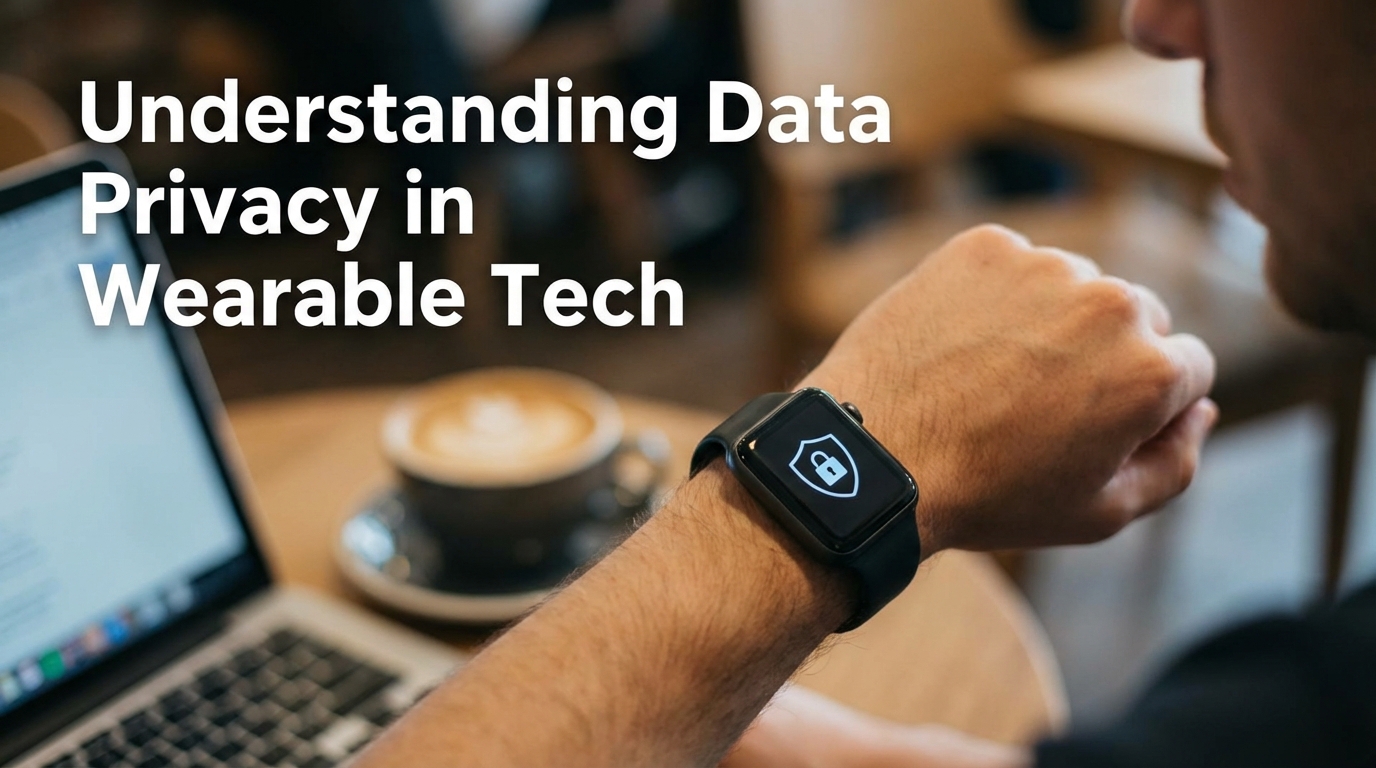
Understanding Data Privacy in Wearable Technology
The proliferation of wearable technology has transformed many aspects of daily life, from fitness tracking to health monitoring and communication. These devices, worn close to or on the body, offer convenience and valuable insights by continuously collecting a wide array of personal data. While the benefits are clear, the increasing integration of these devices into our lives brings significant considerations regarding data privacy. Understanding what data is collected, how it is used, and the associated privacy implications is crucial for users navigating this evolving landscape. This article aims to shed light on the intricacies of data privacy in wearable technology, empowering individuals with knowledge to make informed decisions.What is Wearable Technology?
Wearable technology encompasses electronic devices that can be worn as accessories, embedded in clothing, implanted in the user’s body, or even tattooed on the skin. They are designed to collect and transmit data about the user or their environment, often connecting wirelessly to smartphones or other computing devices. Common examples include:- Fitness trackers that monitor physical activity, sleep, and heart rate.
- Smartwatches offering notifications, communication, and health tracking features.
- Health monitors, such as continuous glucose monitors or smart patches, designed for specific medical conditions.
- Augmented reality (AR) and virtual reality (VR) headsets that track movements, gaze, and sometimes biometric responses.
- Smart clothing and smart jewelry with embedded sensors.
The Data Collected by Wearables
Wearable devices are sophisticated sensors that capture diverse categories of personal information. The type and volume of data collected depend on the device’s functionality and purpose.Biometric Data
This category includes physiological measurements that can provide insights into a user’s health and well-being.- Heart rate and heart rate variability
- Sleep patterns (duration, stages, interruptions)
- Skin temperature
- Blood oxygen saturation
- Electrocardiogram (ECG) data
- Blood pressure
Activity Data
Wearables excel at monitoring physical activity, offering a detailed picture of daily movement and exercise.- Step counts and distance walked or run
- Calories expended
- Workout types, duration, and intensity
- Standing time and inactivity alerts
- Elevation climbed
Location Data
Many wearables incorporate GPS or utilize connected smartphone GPS to track a user’s geographical position.- Real-time location tracking
- Route mapping for runs or rides
- Geofencing capabilities (alerts when entering or leaving specific areas)
Environmental Data
Some advanced wearables can also sense and record aspects of the surrounding environment.- Ambient noise levels
- UV exposure
- Air quality (less common but emerging)
Personal & Communication Data
When connected to other devices, wearables can access and display personal information or facilitate communication.- Notifications from connected apps (emails, messages, calendar alerts)
- Contact lists (for calls/messages)
- Payment information (for contactless payments)
- Voice commands and recordings
How Wearable Data is Used
The data collected by wearable devices serves multiple purposes, ranging from immediate user benefits to broader analytical applications.For Personal Health Insights
The primary use for many users is to gain a deeper understanding of their own health and activity levels. Devices analyze collected data to:- Provide daily summaries of activity, sleep, and heart rate.
- Track progress towards fitness goals.
- Offer alerts for unusual heart rhythms or other health metrics.
- Generate personalized health reports and recommendations.
For Device Functionality and Customization
Data is essential for the wearable device itself to function as intended and adapt to the user.- Customizing watch faces, notification preferences, and other settings.
- Improving the accuracy of algorithms based on individual user patterns.
- Facilitating seamless integration with other smart devices or platforms.
For Research and Development
Aggregated and anonymized data, meaning data that cannot be linked back to an individual, can be valuable for scientific research and for manufacturers to improve their devices.- Studying population health trends.
- Developing new algorithms for activity tracking or health detection.
- Identifying areas for product improvement and new feature development.
For Security and Emergency Services
Certain features leverage collected data to enhance safety.- Fall detection features that can automatically alert emergency contacts or services.
- Emergency SOS capabilities, often using location data.
Data Privacy Concerns in Wearable Tech
Despite the numerous benefits, the extensive data collection by wearables raises significant privacy concerns that users should be aware of.Data Security Risks
The storage and transmission of sensitive personal data inherently carry security risks.- **Hacking:** Unauthorized access to device data or cloud servers where data is stored.
- **Malware:** Malicious software that can compromise the device or siphon data.
- **Unsecured Connections:** Data interception during transmission if encryption is weak or absent.
Data Sharing Practices
The way data is shared, often with third parties, is a major area of concern.- **Third-Party Access:** Data may be shared with advertisers, analytics companies, or health researchers, sometimes without explicit and clear user consent.
- **Lack of Transparency:** Privacy policies can be complex and difficult to understand, making it challenging for users to know exactly who has access to their data and for what purposes.
Anonymization Challenges
While companies often state they use anonymized or aggregated data, the effectiveness of anonymization can be debated.- **Re-identification Risks:** In some cases, even “anonymized” data sets, when combined with other publicly available information, could potentially be used to re-identify individuals.
Lack of User Control
Users may find it difficult to fully control their data once it has been collected and transmitted.- **Limited Deletion Options:** The ability to delete all personal data from servers might not always be straightforward or fully comprehensive.
- **Granular Permissions:** Users might not have fine-grained control over which specific types of data are collected or shared.
Regulatory Gaps
The rapid pace of technological innovation often outstrips the development of specific legal frameworks.- **Evolving Legal Landscape:** Existing privacy laws may not fully address the unique challenges posed by wearable data, particularly across different jurisdictions.
- **Inconsistent Protections:** The level of data protection can vary significantly depending on where the user and the device manufacturer are located.
Safeguarding Your Wearable Data
Users can take proactive steps to better protect their personal data collected by wearable devices.Review Privacy Policies
Before purchasing or using a wearable device, take the time to read and understand its privacy policy.- Look for clear explanations of what data is collected, how it is stored, and with whom it might be shared.
- Understand data retention periods and deletion procedures.
Adjust Privacy Settings
Most devices and their accompanying applications offer privacy settings that can be customized.- Disable features that collect data you don’t use or are uncomfortable sharing (e.g., location tracking if not needed for specific functions).
- Limit permissions for third-party apps that connect to your wearable data.
Utilize Strong Authentication
Protecting access to your wearable device and its associated apps is fundamental.- Use strong, unique passwords for all accounts linked to your wearable.
- Enable two-factor authentication (2FA) wherever available for an added layer of security.
- Configure device passcodes or PINs to prevent unauthorized physical access.
Keep Software Updated
Regularly updating your wearable device’s firmware and its companion apps is essential for security.- Updates often include security patches that address vulnerabilities.
- Ensure automatic updates are enabled if possible, or check for them regularly.
Practice Data Minimization
Consider what data is truly necessary for the functions you use.- Provide only the information required to use the device’s features.
- Be cautious about linking your wearable data to too many other services or apps.
Understand Data Retention
Be aware of how long your data is stored and whether you have the ability to request its deletion. Some services retain data for extended periods, even after you stop using the device.Legal and Ethical Considerations
The intersection of technology and personal data gives rise to complex legal and ethical questions.Regulatory Frameworks
Governments and international bodies are developing regulations to address data privacy.- **General Data Protection Regulation (GDPR):** A comprehensive data privacy law in the European Union and European Economic Area, known for its strict requirements on consent, data rights, and breach notification.
- **California Consumer Privacy Act (CCPA):** A state-specific law in the United States that grants consumers rights regarding their personal information collected by businesses.
- **Health Insurance Portability and Accountability Act (HIPAA):** A US law primarily governing health information handled by specific healthcare entities, though its direct applicability to consumer wearables can be nuanced.
Ethical Dilemmas
Beyond legal compliance, ethical questions about wearable data are profound.- **Data Ownership:** Who truly owns the data generated by a user’s body and habits?
- **Surveillance Potential:** The continuous tracking capabilities raise concerns about potential misuse for surveillance by employers, insurance companies, or governments.
- **Discrimination Risks:** If health or activity data is shared, there’s a risk it could be used to discriminate against individuals in areas like insurance premiums or employment.
Conclusion
Wearable technology offers remarkable opportunities to enhance personal well-being, convenience, and our understanding of ourselves. However, the pervasive collection of highly personal and sensitive data demands careful consideration of privacy implications. By understanding the types of data collected, how it is used, and the inherent privacy risks, users can take meaningful steps to safeguard their digital footprint. Engaging with privacy policies, customizing settings, and staying informed about legal and ethical developments are all crucial actions in navigating the evolving landscape of wearable data privacy. Ultimately, informed choices are key to harnessing the benefits of wearable tech while protecting personal information.Frequently Asked Questions (FAQs)
**Q1: What kind of personal data do wearables typically collect?** A1: Wearables can collect a wide range of personal data, including biometric information (e.g., heart rate, sleep patterns, skin temperature), activity data (e.g., steps, calories, workout types), location data (e.g., GPS tracking), environmental data (e.g., ambient noise), and even personal communication data (e.g., notifications, messages) if connected to a smartphone. **Q2: Can my wearable data be shared without my explicit consent?** A2: Generally, reputable companies aim to obtain consent for data sharing, often through their privacy policies and terms of service that users agree to. However, the scope of this consent can vary, and data might be shared with third parties for purposes like analytics or marketing, often in aggregated or anonymized forms. It’s crucial to carefully review privacy policies and adjust in-app privacy settings to understand and control sharing practices. **Q3: Are consumer fitness trackers covered by health privacy laws like HIPAA?** A3: In the United States, HIPAA (Health Insurance Portability and Accountability Act) primarily covers “covered entities” such as healthcare providers, health plans, and healthcare clearinghouses, as well as their business associates. Consumer fitness trackers and wellness apps that are not directly affiliated with these entities typically do not fall under HIPAA’s direct regulation. However, some advanced health-focused wearables that integrate with medical systems or handle sensitive health information might be subject to stricter rules or other applicable privacy laws. **Q4: What are the risks if my wearable data is compromised in a data breach?** A4: If your wearable data is compromised, it could expose highly sensitive personal information. Risks include the unauthorized disclosure of your health status, activity levels, precise location history, sleep patterns, and potentially even communication data. This could lead to various problems, such as identity theft, targeted advertising, discrimination (e.g., by insurance companies), or even physical safety concerns if location data falls into the wrong hands. **Q5: How can I manage the privacy settings on my wearable device?** A5: You can typically manage privacy settings through the companion app on your smartphone, or sometimes directly on the wearable device itself. Look for sections labeled “Privacy,” “Settings,” “Account,” or “Data Management.” Within these sections, you can often:- Control which data types are collected (e.g., disable location tracking).
- Manage permissions for sharing data with third-party apps or services.
- Review and potentially delete your collected data.
- Adjust notification preferences.
- Enable or disable features that require access to sensitive information.

Diana Miller, is a dedicated nature enthusiast and an outdoor adventurer. She began leading groups for excursions in her teens and never stopped. Following her passion for nature, she gathers her friends for outdoor trips every now and then. And for the last 10 years, she has executed workshops on backpacking, snow kayaking and traveling that included her main motive of lightweight packing while outdoors. During leisure, she loves planning for her next adventure.