
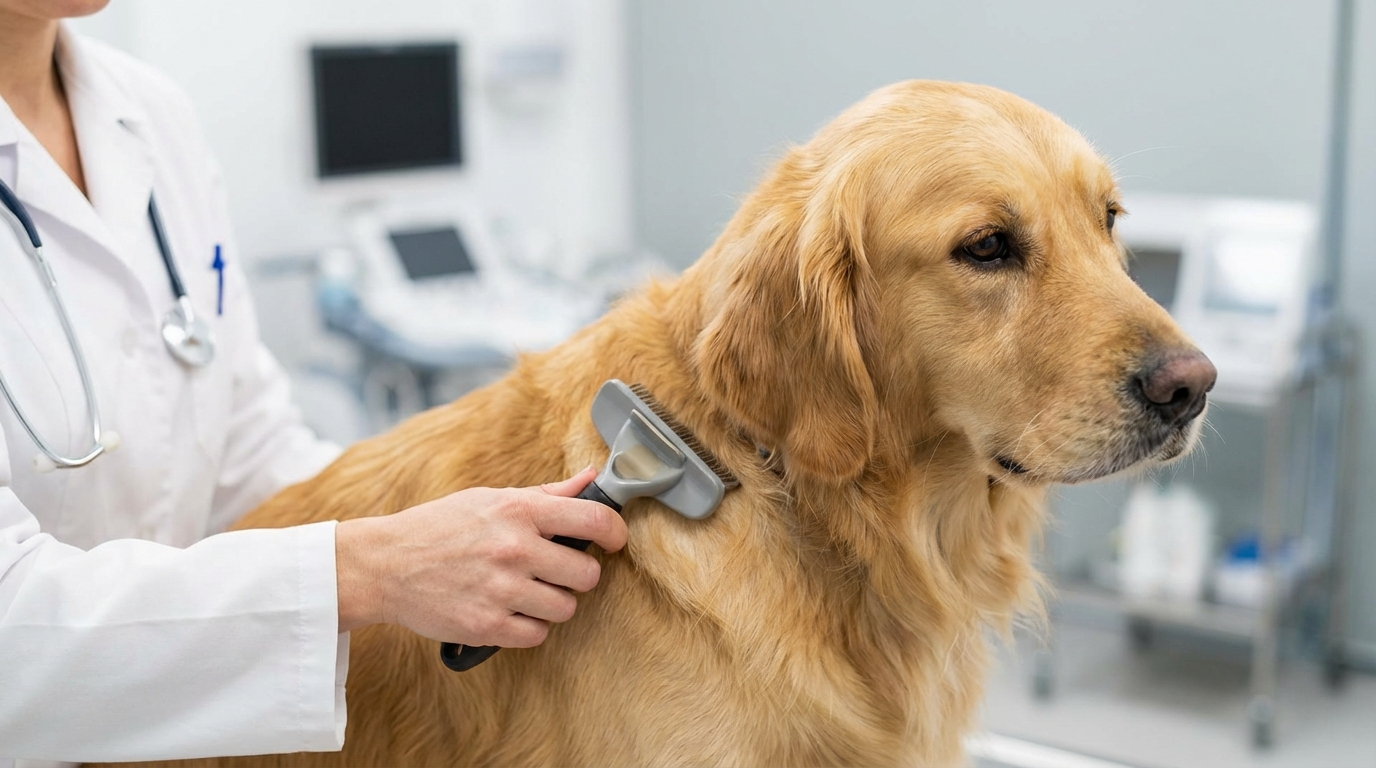
The Essential Role of Grooming in Animal Well-being
Grooming is often perceived as a cosmetic indulgence for animals, focused primarily on appearance. However, its true significance extends far beyond aesthetics, serving as a fundamental pillar of an animal’s overall health and well-being. Regular grooming practices, whether performed at home or by a professional, offer a myriad of health benefits that contribute to a longer, healthier, and more comfortable life for companion animals. This comprehensive approach to care involves more than just brushing; it encompasses skin, coat, oral, nail, ear, and eye maintenance, each playing a crucial role in preventing illness and promoting vitality. By understanding the profound impact of these routines, animal caregivers can better appreciate grooming as an integral component of responsible animal guardianship, directly influencing both physical and psychological health.The Skin and Coat: A Primary Defense Barrier
The skin and coat serve as an animal’s first line of defense against environmental elements, pathogens, and parasites. Maintaining their health is therefore paramount to the animal’s overall resilience.Maintaining Coat Health
A well-maintained coat is not just visually appealing; it is functionally vital.- **Shedding Management:** Regular brushing helps remove loose, dead hair, preventing it from matting and tangling. Excessive shedding can lead to hairballs, particularly in felines, causing digestive discomfort and potential blockages.
- **Temperature Regulation:** The coat plays a critical role in insulating an animal, keeping them warm in cold weather and helping to dissipate heat in warmer conditions. Mats can trap heat, leading to overheating, while an unkempt coat can lose its insulating properties.
- **Cleanliness and Debris Removal:** Brushing helps to dislodge dirt, debris, allergens, and environmental pollutants that can accumulate in the fur. This keeps the coat clean and reduces the burden on the skin.
Promoting Skin Integrity
Beneath the fur, the skin also requires dedicated attention to remain healthy.- **Stimulating Blood Flow and Oil Distribution:** Brushing and petting stimulate blood circulation to the skin, which is essential for healthy cell turnover. It also helps distribute natural skin oils throughout the coat, providing a protective barrier and maintaining moisture.
-
**Early Detection of Issues:** Regular grooming sessions provide an opportunity for caregivers to conduct a tactile examination of the animal’s body. This can lead to the early detection of various skin conditions such as:
- Rashes or irritations
- Dry, flaky skin
- Parasitic infestations (fleas, ticks, mites)
- Lumps, bumps, or sores that may indicate more serious underlying health concerns.
- **Preventing Skin Infections:** Mats in the fur can pull on the skin, causing discomfort and creating moist, airless environments where bacteria and yeast can thrive, leading to painful skin infections (pyoderma, hot spots).
Oral Hygiene: Beyond Fresh Breath
Dental health is a cornerstone of overall animal health, often overlooked until problems become severe. Neglecting oral hygiene can lead to significant pain and systemic health issues.Preventing Dental Disease
Dental disease is one of the most common health problems in animals.- **Plaque and Tartar Buildup:** Food particles and bacteria form plaque on teeth, which, if not removed, hardens into tartar. Tartar accumulation irritates the gums, leading to inflammation.
- **Gingivitis and Periodontal Disease:** Untreated plaque and tartar lead to gingivitis (inflammation of the gums). If left to progress, this can develop into periodontal disease, which damages the supporting structures of the teeth, leading to pain, infection, and eventual tooth loss.
Systemic Health Connections
The impact of poor oral health extends beyond the mouth.- **Organ Damage:** Bacteria from infected gums can enter the bloodstream and travel to major organs such as the heart, kidneys, and liver, causing secondary infections and contributing to serious systemic diseases.
- **Pain and Discomfort:** Animals with dental disease often experience significant pain, which can affect their eating habits, energy levels, and overall demeanor. Regular brushing helps to mitigate these risks.
Nail Care: Foundation for Mobility
Proper nail care is vital for an animal’s comfort, mobility, and musculoskeletal health. Overgrown nails can cause significant problems.Avoiding Overgrowth Complications
Unattended nails can lead to a cascade of issues.- **Pain and Difficulty Walking:** Excessively long nails can make walking painful, forcing the animal to alter its gait. This can lead to discomfort in the paws, legs, and spine.
- **Altered Gait and Joint Stress:** When nails are too long, they push the toes upwards and backwards, putting stress on the paw joints and potentially leading to arthritis or other orthopedic problems over time.
- **Ingrown Nails and Infections:** In severe cases, nails can grow so long they curl back and grow into the paw pads, causing painful infections and injury.
- **Household Damage:** Long nails can snag on carpets, furniture, or other objects, potentially tearing the nail or causing injury.
Proper Trimming Techniques
Regular nail trimming prevents these complications. The frequency required depends on the animal’s activity level and environment. For example, highly active animals on abrasive surfaces may naturally wear down their nails more than sedentary indoor animals. Learning to trim nails correctly, avoiding the quick (the sensitive part of the nail containing blood vessels and nerves), is crucial.Ear and Eye Care: Sensory Health
The ears and eyes are delicate sensory organs that require specific attention during grooming to prevent common health issues.Preventing Ear Infections
Ears can be prone to infections if not regularly cleaned.- **Removing Wax and Debris:** Regular cleaning removes accumulated wax, dirt, and debris that can trap moisture and create an ideal environment for bacterial or yeast overgrowth.
- **Checking for Abnormalities:** Grooming sessions allow for inspection of the ear canal for signs of infection, such as redness, swelling, discharge, unusual odor, or excessive scratching and head shaking.
- **Breed-Specific Needs:** Animals with floppy ears (e.g., Basset Hounds, Cocker Spaniels) are particularly susceptible to ear infections due to reduced air circulation, making regular ear cleaning even more important.
Maintaining Eye Clarity
Eyes require gentle attention to stay clear and free of irritation.- **Wiping Away Discharge:** Gently wiping away any discharge, crust, or tear staining around the eyes prevents irritation and bacterial buildup.
- **Checking for Irritation:** Regular inspection can help identify signs of irritation, redness, cloudiness, or foreign bodies, which warrant prompt attention.
- **Preventing Hair Obstruction:** For some breeds, hair growing around the eyes may need to be trimmed to prevent it from irritating the cornea or obstructing vision.
Parasite Control and Early Detection
Grooming offers a proactive opportunity to manage external parasites and detect other health anomalies.Identifying and Removing Pests
Regular grooming is a primary method for early parasite detection.- **Fleas, Ticks, and Mites:** Brushing and inspecting the coat and skin during grooming can reveal the presence of fleas, ticks, or mites before an infestation becomes severe. Early removal of ticks, for instance, reduces the risk of disease transmission.
- **Preventing Infestations:** Consistent grooming, combined with preventative measures, forms a robust defense against parasitic infestations, which can cause itching, skin irritation, allergic reactions, and transmit diseases.
Recognizing Other Health Indicators
Grooming sessions are more than just cosmetic; they are a routine health check.- **Skin Changes:** Caregivers can notice changes in skin color, texture, or the presence of new lumps, bumps, or sores that might require veterinary attention.
- **Unusual Odors:** An unusual or persistent odor might indicate a skin infection, ear infection, or dental problem.
- **Behavioral Changes:** An animal’s reaction to being groomed can also provide clues about its health. Sensitivity in certain areas or unusual aggression during handling could signal pain or discomfort.
The Psychological and Behavioral Benefits
Beyond the physical, grooming also plays a significant role in an animal’s psychological well-being and strengthens the bond with its caregiver.Strengthening the Human-Animal Bond
Grooming provides a dedicated time for positive, calm interaction.- **Positive Interaction:** Gentle brushing, petting, and handling during grooming can be a calming and enjoyable experience for many animals, fostering trust and affection.
- **Reduced Stress:** Regular, gentle grooming can help an animal become more accustomed to being handled, which can reduce stress during veterinary visits or other necessary physical examinations.
Socialization and Desensitization
Consistent grooming helps animals become more tolerant of touch and handling. This is especially beneficial for young animals, aiding in their socialization process. Animals accustomed to being touched and examined are generally less anxious during veterinary procedures, making essential health checks smoother and less stressful for all involved.Conclusion
Grooming is an indispensable aspect of responsible animal care, extending far beyond superficial appearance. It is a proactive health measure that supports the integrity of the skin and coat, safeguards oral health, ensures proper mobility through nail care, maintains sensory function of the ears and eyes, and facilitates early detection of parasites and other health concerns. Furthermore, the regular interaction inherent in grooming strengthens the bond between animals and their caregivers, contributing to their psychological comfort and overall contentment. By integrating consistent grooming practices into an animal’s routine, caregivers actively contribute to their companion’s physical health, comfort, and longevity, reinforcing the understanding that a well-groomed animal is often a healthier and happier animal.Frequently Asked Questions (FAQs)
**Q1: How often should an animal be groomed?** A1: The frequency of grooming varies significantly based on the animal’s breed, coat type, lifestyle, and individual needs. For many animals, a weekly brushing is beneficial, with more frequent sessions for long-haired or shedding breeds. Professional grooming may be recommended every 4-8 weeks, depending on the specific requirements. **Q2: Is grooming painful for animals?** A2: Grooming should not be painful. If an animal is experiencing pain during grooming, it often indicates an underlying issue such as matted fur, skin irritation, ingrown nails, or a medical condition. Gentle handling and proper techniques are essential to ensure a positive and comfortable experience. **Q3: Can I groom my animal at home, or do I need a professional?** A3: Many aspects of grooming, such as daily brushing, basic nail trims, and ear/eye cleaning, can be performed effectively at home. However, professional groomers have specialized tools, training, and expertise for more intricate tasks like dematting, specific coat trims, and thorough health checks, which can be particularly beneficial for certain breeds or animals with complex needs. **Q4: What are the common signs that an animal needs grooming?** A4: Common signs an animal needs grooming include a dull or greasy coat, matting or tangles, a strong odor, excessively long nails, discharge from the eyes or ears, and noticeable shedding. Behavioral cues like excessive scratching, licking, or discomfort when touched can also indicate a need for attention. **Q5: Does grooming help with animal allergies in humans?** A5: Yes, regular grooming can help reduce allergens in the home. Brushing removes loose fur and dander (dead skin flakes), which are primary triggers for human allergies. Regular bathing also washes away dander, saliva residue, and environmental allergens that collect on the coat, potentially alleviating symptoms for sensitive individuals.
Diana Miller, is a dedicated nature enthusiast and an outdoor adventurer. She began leading groups for excursions in her teens and never stopped. Following her passion for nature, she gathers her friends for outdoor trips every now and then. And for the last 10 years, she has executed workshops on backpacking, snow kayaking and traveling that included her main motive of lightweight packing while outdoors. During leisure, she loves planning for her next adventure.