
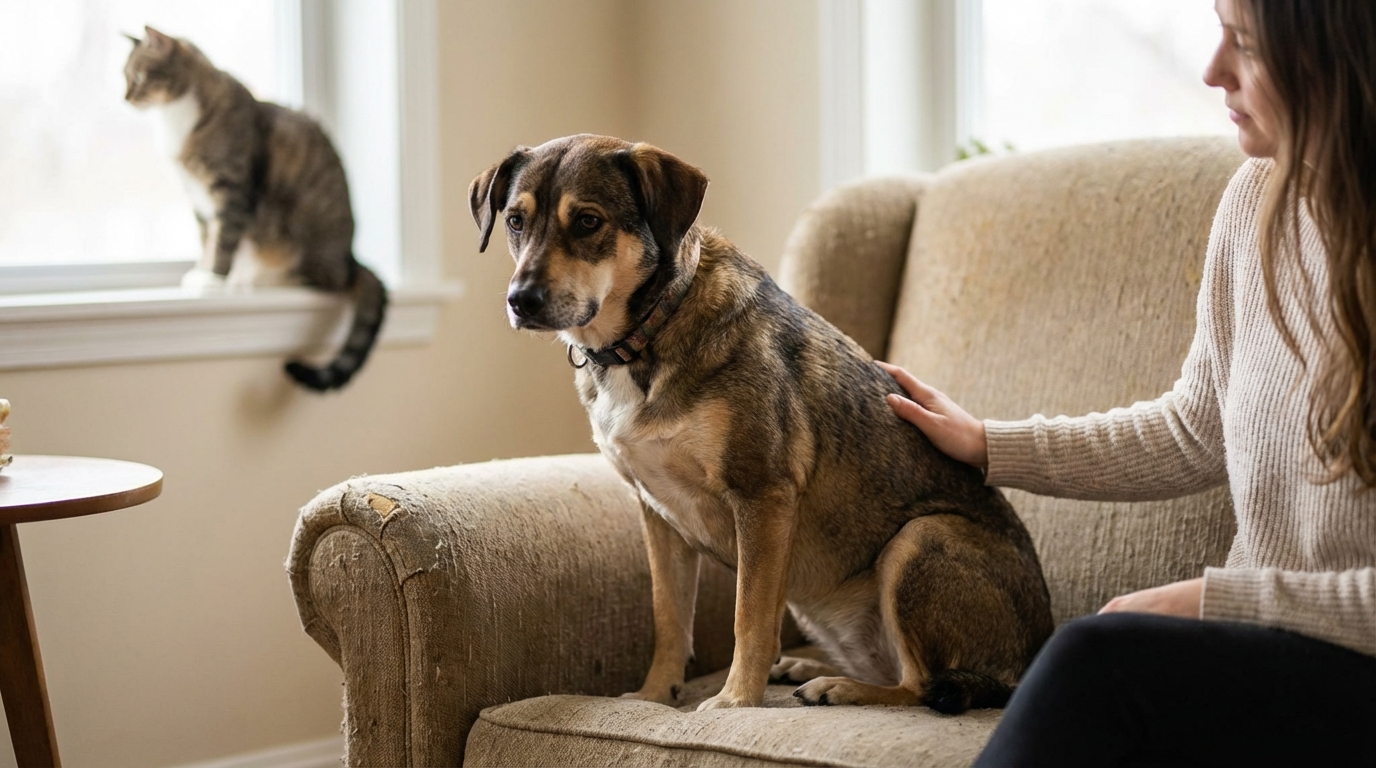
Pets communicate with us in many ways, and often, their most significant messages are conveyed through their behavior. While a pet’s personality may seem consistent, subtle or sudden shifts in their actions can serve as important indicators of underlying issues, ranging from medical conditions to environmental stress or emotional distress. Understanding these changes requires keen observation, patience, and a willingness to interpret their signals.
This post aims to shed light on common behavioral modifications observed in household pets, helping owners recognize when something might be amiss and understand the potential reasons behind these alterations. By becoming more attuned to our companions’ non-verbal language, we can better address their needs and ensure their well-being.
Recognizing Subtle Shifts in Behavior
Behavioral changes can often be gradual, making them easy to overlook at first. However, paying close attention to daily routines and habits can reveal early warning signs.
Changes in Appetite and Thirst
Alterations in eating and drinking habits are frequently among the first signs that a pet is experiencing a problem. These changes can manifest in several ways:
- Increased or decreased appetite: A sudden disinterest in food, or conversely, an insatiable hunger, can both be concerning. While an occasional picky day might be normal, persistent refusal to eat or an abrupt increase in food consumption warrants attention.
- Changes in food preferences: A pet that suddenly becomes extremely particular about their food, or avoids a previously favored meal, could be indicating discomfort.
- Increased or decreased thirst: Drinking significantly more or less water than usual can be a sign of various medical conditions, including kidney issues, diabetes, or dehydration.
Alterations in Sleep Patterns
A pet’s sleep schedule is generally quite regular. Any notable deviation from this routine should be noted:
- Sleeping more than usual: While older pets naturally sleep more, a sudden increase in lethargy and sleepiness in an otherwise active pet could signal pain, illness, or depression.
- Restlessness or difficulty sleeping: Pacing, frequent waking, or an inability to settle down can indicate discomfort, pain, anxiety, or even cognitive dysfunction in older animals.
- Unusual sleep locations: A pet choosing to sleep in an unusual, isolated, or hard-to-reach spot might be seeking solitude due to pain or fear.
Changes in Vocalization
The frequency and type of sounds a pet makes are part of their communicative repertoire.
- Increased vocalization: Excessive barking, meowing, howling, or whining can stem from pain, anxiety, fear, boredom, or seeking attention.
- Decreased vocalization: A normally chatty pet becoming unusually quiet may be experiencing pain, depression, or withdrawal.
- Unusual sounds: New types of vocalizations, such as groaning, whimpering, or growling in unusual contexts, can indicate distress or pain.
Social and Interactive Behavior Modifications
How a pet interacts with family members, other pets, and strangers provides significant insight into their emotional and physical state.
Changes in Affection or Social Interaction
Pets often have distinct ways of showing affection or interacting socially. Deviations from these norms can be telling:
- Increased clinginess: A pet that suddenly becomes unusually demanding of attention or follows you everywhere might be feeling anxious, insecure, or unwell.
- Withdrawal or avoidance: Hiding, retreating from touch, or showing a lack of interest in previously enjoyed interactions can be a sign of pain, fear, illness, or depression.
- Aggression: Any new display of growling, hissing, biting, or snapping towards humans or other animals, particularly when it’s out of character, is a serious concern that requires immediate investigation. This can be rooted in fear, pain, territoriality, or anxiety.
- Changes in interaction with other pets: Previously friendly housemates might suddenly show aggression or avoidance towards each other, which can be due to shifting social dynamics, pain in one animal, or competition for resources.
Play Behavior Changes
Play is a vital part of a pet’s well-being and a good indicator of their overall health and happiness.
- Reduced interest in play: A sudden disinterest in toys, games, or outdoor activities can signal pain, lethargy, or a general feeling of unwellness.
- Excessive play or destructiveness: Sometimes, an increase in destructive play or restless activity can be a symptom of boredom, lack of mental stimulation, or anxiety.
Eliminative Behavior and House-Soiling
Changes in a pet’s bathroom habits are often one of the most noticeable and concerning behavioral shifts for owners.
Inappropriate Urination or Defecation
When a previously house-trained pet begins eliminating inside the home or outside their designated area, it is a significant red flag:
- Urination or defecation indoors: This could be a sign of a medical problem such as a urinary tract infection, kidney disease, diabetes, or gastrointestinal upset. In older pets, it might indicate incontinence or cognitive decline.
- Litter box aversion (cats): Cats might avoid their litter box due to a medical issue, pain from arthritis making entry difficult, an unclean box, a change in litter type, or stress from other pets or environmental changes.
- Marking behavior: Spraying or marking, especially in cats and intact dogs, can be a territorial behavior or a sign of stress and insecurity.
Grooming and Self-Care Habits
A pet’s grooming habits provide insight into their physical comfort and emotional state.
Excessive or Reduced Grooming
Both an increase and decrease in grooming can be cause for concern:
- Excessive licking, chewing, or scratching: This can indicate allergies, skin parasites, pain (especially if focused on a specific area like a joint), anxiety, or boredom. Over-grooming can lead to skin irritation, hair loss, or “lick granulomas.”
- Reduced grooming or unkempt appearance: A pet that suddenly stops grooming themselves, leading to matted fur, greasy coats, or a generally disheveled look, might be experiencing pain (making it difficult to reach certain areas), illness, depression, or significant discomfort.
Activity Level and Mobility Changes
A pet’s overall energy levels and how they move can reveal much about their health.
Increased or Decreased Activity
Significant changes in a pet’s typical activity level warrant attention:
- Lethargy or decreased activity: A pet showing a marked decrease in energy, seeming tired, or unwilling to engage in usual activities often signals pain, illness, or a general feeling of being unwell. This is particularly noticeable if it’s a sudden change from their usual energetic self.
- Hyperactivity, pacing, or restlessness: Conversely, an unusual increase in activity, pacing, restlessness, or an inability to settle down can be a sign of anxiety, discomfort, pain, cognitive dysfunction, or an underlying medical condition affecting metabolism or neurological function.
- Difficulty with mobility: Limping, stiffness, reluctance to jump or climb stairs, or an unsteady gait can indicate arthritis, injury, or neurological issues.
Addressing Behavioral Changes: A Systematic Approach
When you notice a behavioral change in your pet, a structured approach is crucial for effective intervention.
The Importance of Veterinary Consultation
The first and most critical step is always to schedule a visit with a veterinarian. Many behavioral changes are symptoms of underlying medical conditions. Ruling out physical illness is paramount before considering behavioral-only causes. Your veterinarian can conduct a thorough examination, perform diagnostic tests, and provide appropriate treatment if a medical issue is identified.
Environmental and Routine Assessment
Once medical causes have been excluded or addressed, consider environmental or routine factors:
- Recent changes in the household: Have there been new people, pets, or significant alterations to the home environment (e.g., moving, renovation)?
- Changes in routine: Has there been a shift in feeding schedules, exercise routines, or the amount of time spent alone?
- Stressors: Are there new sources of noise, perceived threats, or lack of resources (e.g., food bowls, resting spots, litter boxes) that could be causing stress?
- Dietary changes: While less common, some dietary sensitivities or changes can sometimes manifest in behavioral shifts.
Behavioral Management Strategies
If the change is determined to be purely behavioral, various strategies can be employed. These often focus on addressing the root cause, whether it’s anxiety, boredom, fear, or a lack of appropriate stimulation:
- Environmental enrichment: Provide appropriate toys, puzzles, scratching posts, climbing structures, or opportunities for mental stimulation to alleviate boredom and frustration.
- Consistent routine: Re-establishing a predictable daily schedule can provide comfort and reduce anxiety.
- Positive reinforcement: Use rewards-based training to encourage desired behaviors and build confidence. Avoid punishment, which can worsen anxiety and fear.
- Creating a safe space: Ensure your pet has a quiet, comfortable retreat where they can feel secure and undisturbed.
- Professional behavioral guidance: For complex or severe behavioral issues, consulting with a certified professional dog trainer, cat behaviorist, or veterinary behaviorist can provide tailored strategies and support.
Observing and understanding our pets’ behavioral changes is a fundamental aspect of responsible pet ownership. These changes are rarely random; they are often a clear form of communication, signaling that something is affecting their well-being. By being attentive, methodical in investigation, and proactive in seeking professional guidance, pet owners can effectively respond to these cues, ensuring their companions live healthier, happier lives. Recognizing these signs allows us to intervene early, address underlying issues, and strengthen the bond we share with our cherished animals.
Frequently Asked Questions (FAQs)
Q1: Why do pets suddenly become destructive?
A1: Sudden destructiveness can stem from several factors. It might be a sign of anxiety (especially separation anxiety), boredom due to lack of physical or mental stimulation, pain or discomfort, or even a medical issue. Young pets may be exploring or teething, while older pets might experience cognitive decline. Observing when and where the destruction occurs can help pinpoint the cause.
Q2: What does excessive licking mean?
A2: Excessive licking can have multiple meanings. It could be a physical issue like allergies, skin irritation, parasites, or pain in a specific area (e.g., a joint). Behaviorally, it can be a self-soothing mechanism for anxiety, stress, or boredom. Persistent licking that causes skin irritation or hair loss should always be investigated by a veterinarian.
Q3: Is it normal for an older pet to sleep more?
A3: Yes, it is generally normal for older pets to sleep more and have reduced activity levels compared to their younger years. However, a sudden or significant increase in lethargy, or if they struggle to get up or seem disoriented when awake, could indicate pain from conditions like arthritis, other underlying medical problems, or cognitive dysfunction. It’s always prudent to discuss notable changes with your veterinarian.
Q4: How do I know if a behavior change is serious?
A4: Any sudden, drastic, or persistent change in behavior should be considered serious enough for a veterinary consultation. Signs that particularly warrant immediate attention include new aggression, severe lethargy, inability to eat or drink, persistent hiding, difficulty breathing, or sudden incontinence. When in doubt, consulting a professional is always the safest approach.
Q5: Can diet affect a pet’s behavior?
A5: While not the primary cause of most behavioral issues, diet can indeed influence a pet’s behavior in some cases. Nutritional deficiencies, food sensitivities or allergies, or an imbalance of certain nutrients can sometimes manifest as hyperactivity, lethargy, skin problems leading to discomfort, or gastrointestinal upset that causes general irritability. Discussing your pet’s diet with your veterinarian can help identify any potential links.

Diana Miller, is a dedicated nature enthusiast and an outdoor adventurer. She began leading groups for excursions in her teens and never stopped. Following her passion for nature, she gathers her friends for outdoor trips every now and then. And for the last 10 years, she has executed workshops on backpacking, snow kayaking and traveling that included her main motive of lightweight packing while outdoors. During leisure, she loves planning for her next adventure.