
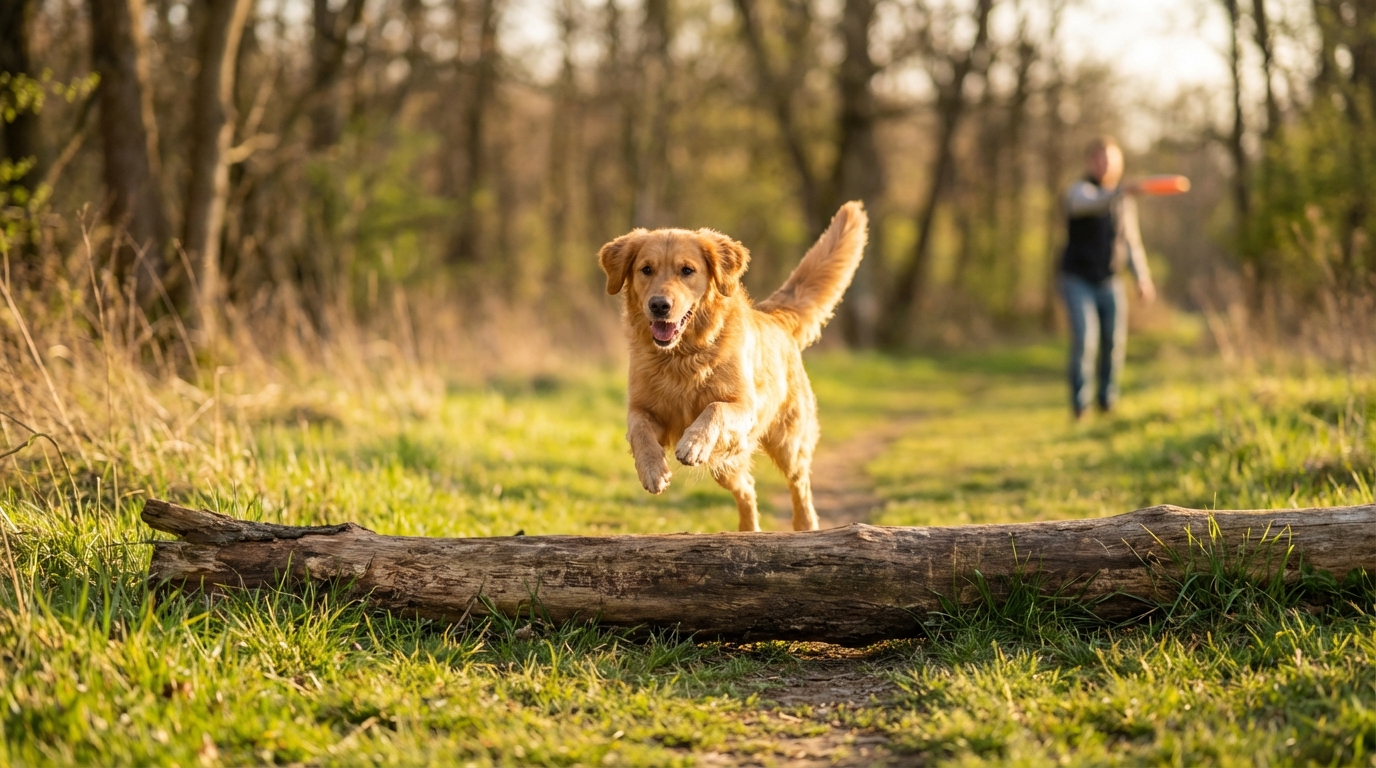
Caring for a domestic pet extends far beyond providing food, water, and shelter. A fundamental, yet sometimes underestimated, aspect of responsible pet ownership is ensuring they receive adequate physical activity and mental stimulation. Exercise is not merely about preventing weight gain; it plays a critical role in supporting a pet’s holistic well-being, influencing everything from their physical health to their emotional stability and behavioral patterns. Understanding the multifaceted benefits of regular movement can transform a pet’s quality of life, fostering a healthier, happier, and more balanced companion.
The Profound Physical Benefits of Regular Activity
Consistent physical activity is foundational for maintaining the physical health of domestic animals, much like it is for humans. It contributes to various physiological systems, helping pets thrive throughout their lives.
Weight Management and Metabolic Health
- **Preventing Obesity:** One of the most evident benefits of exercise is its role in weight control. Regular physical activity helps burn calories, maintain a healthy metabolism, and prevent the accumulation of excess fat. Obesity in pets can lead to a myriad of health complications, including diabetes, heart disease, respiratory issues, and decreased mobility.
- **Muscle Tone and Strength:** Exercise strengthens muscles, which in turn supports joints and bones. This is particularly important for larger breeds prone to orthopedic issues and for maintaining agility as pets age. Stronger muscles contribute to overall physical resilience and reduce the risk of injuries.
Cardiovascular and Respiratory Health
Engaging in activities that elevate the heart rate, such as brisk walks or vigorous play, strengthens the cardiovascular system. This improves blood circulation, enhances lung capacity, and helps maintain a healthy heart. A robust heart and efficient respiratory system are crucial for a pet’s endurance and overall vitality, reducing the risk of cardiovascular diseases.
Digestive Regularity and Immune System Support
Physical movement aids in healthy digestion by promoting gut motility, which can prevent issues like constipation. Additionally, moderate, consistent exercise has been shown to bolster the immune system, making pets more resilient to illnesses and infections. An active pet tends to have a more robust defense against common ailments.
Enhancing Mental and Emotional Well-being
The impact of exercise extends beyond the physical realm, profoundly affecting a pet’s mental and emotional state. A lack of stimulation can lead to boredom, stress, and undesirable behaviors.
Reducing Stress and Anxiety
Physical activity provides an outlet for stored energy and can act as a natural stress reliever. For many pets, especially those with high energy levels, a good session of play or a substantial walk can help dissipate anxiety and frustration. It releases endorphins, which have mood-boosting effects, contributing to a calmer and more content disposition.
Preventing Boredom and Destructive Behaviors
Pets that do not receive sufficient mental and physical stimulation often become bored. Boredom can manifest in destructive behaviors such as excessive chewing, scratching furniture, digging, or incessant barking/meowing. Regular exercise, especially when combined with engaging activities, provides an appropriate outlet for their natural instincts and energy, redirecting potential destructive tendencies into positive engagement.
Cognitive Stimulation and Learning
Many forms of exercise involve problem-solving, exploring new environments, and learning new commands or tricks. This cognitive engagement is vital for keeping a pet’s mind sharp and preventing cognitive decline, particularly in older animals. Learning and interaction during exercise sessions enhance their adaptability and responsiveness.
Strengthening the Human-Animal Bond
Engaging in shared activities is a powerful way to deepen the connection between pets and their human companions. Exercise provides a dedicated time for interaction and mutual enjoyment.
Shared Experiences and Trust
Walking, playing fetch, or simply exploring a new park together fosters a sense of companionship and shared experience. These interactions build trust and understanding, as pets learn to rely on their owners for leadership and stimulation. The consistent positive reinforcement during these activities strengthens the emotional ties.
Improved Communication
During exercise, owners often learn to read their pet’s body language and vocalizations more effectively, understanding their cues for play, rest, or excitement. This enhanced communication leads to a more harmonious household and a stronger, more intuitive relationship.
Tailoring Exercise to Individual Needs
While the need for exercise is universal for domestic pets, the type, intensity, and duration of activity must be customized. Factors such as species, breed, age, size, and individual health conditions all play a crucial role.
Species-Specific Requirements
- **Dogs:** Most dogs require daily walks, runs, or play sessions. Breeds developed for working or herding purposes typically need more vigorous and prolonged activity than sedentary companion breeds.
- **Cats:** While often perceived as less active, cats also benefit from regular play that mimics hunting behaviors. Interactive toys, climbing structures, and dedicated playtimes help them maintain physical fitness and mental sharpness.
- **Smaller Animals (Rabbits, Guinea Pigs, etc.):** Even small caged pets need opportunities for supervised exploration and exercise outside their enclosures, along with appropriately sized wheels or tunnels.
Age and Health Considerations
Puppies and kittens need frequent, short bursts of play, while adult animals might enjoy longer, more strenuous activities. Senior pets or those with pre-existing health conditions will require gentler, shorter, and lower-impact exercises, often with veterinary guidance. It is always important to observe a pet’s limits and signs of fatigue.
Consequences of Insufficient Exercise
Failing to provide adequate exercise can have detrimental effects on a pet’s overall well-being. These consequences are often interconnected, creating a cycle of declining health and behavior.
- **Obesity and Related Health Issues:** As mentioned, a sedentary lifestyle is a primary contributor to obesity, which opens the door to numerous secondary health problems.
- **Musculoskeletal Problems:** Lack of movement can lead to weakened muscles, stiff joints, and increased susceptibility to conditions like arthritis and hip dysplasia, particularly as pets age.
- **Behavioral Challenges:** Unexpended energy and boredom can manifest as anxiety, fear, aggression, excessive vocalization, or destructive habits, straining the bond between pet and owner.
- **Reduced Lifespan and Quality of Life:** Pets that are physically inactive and mentally understimulated may experience a shorter lifespan and a diminished quality of life due to chronic health issues and persistent stress.
In conclusion, incorporating regular physical activity into a pet’s daily routine is not merely an option but a fundamental pillar of responsible pet ownership. It is a commitment that yields profound returns, fostering not only a pet’s physical health through weight management, cardiovascular fitness, and immune support, but also their mental and emotional resilience. Providing opportunities for exercise mitigates stress, prevents destructive behaviors, and strengthens the unique bond shared between humans and their animal companions. By understanding and meeting their needs for movement and mental engagement, we enable our pets to lead lives that are vibrant, fulfilling, and truly integrated into our families.
Frequently Asked Questions (FAQs)
Q1: How much exercise does an average adult dog need daily?
A1: The amount of exercise an adult dog needs varies significantly based on its breed, age, size, and energy level. Generally, most adult dogs benefit from at least 30 minutes to 2 hours of physical activity daily, which can be broken into multiple sessions. High-energy breeds like Border Collies or Retrievers may require more, while smaller or less active breeds might be content with shorter, gentler walks and playtime. Consulting with a veterinarian can help tailor a routine to your specific dog.
Q2: Can mental stimulation count as a form of exercise for pets?
A2: Yes, mental stimulation is a crucial component of overall pet well-being and can indeed be considered a form of exercise. Activities like puzzle toys, training sessions, scent work, or learning new tricks engage a pet’s brain and can be just as tiring as physical exertion. While not a complete substitute for physical activity, mental exercise complements it by preventing boredom, reducing anxiety, and keeping cognitive functions sharp, contributing to a pet’s holistic health.
Q3: What are some signs that my pet might not be getting enough exercise?
A3: Signs of insufficient exercise can be both physical and behavioral. Physically, a pet might exhibit lethargy, excessive weight gain, or stiff joints. Behaviorally, you might notice destructive chewing or scratching, excessive barking or meowing, hyperactivity indoors, digging, nipping, or an increase in anxiety-related behaviors like pacing or obsessive licking. These behaviors often stem from boredom or pent-up energy.
Q4: Is it ever too late to start an exercise routine for an older pet?
A4: It is generally not too late to introduce or adjust an exercise routine for an older pet, but it’s crucial to do so gradually and under veterinary guidance. Senior pets still benefit immensely from movement to maintain muscle mass, joint flexibility, and mental stimulation. The key is low-impact activities tailored to their physical capabilities, such as shorter, slower walks, gentle swimming, or interactive playtime. A veterinarian can assess their health and recommend a safe and appropriate plan.
Q5: How can I safely exercise my pet during hot weather?
A5: Exercising pets safely in hot weather requires caution to prevent overheating. It’s advisable to schedule walks or play during the coolest parts of the day, typically early mornings or late evenings. Provide ample fresh water before, during, and after activity. Avoid hot pavement, which can burn paw pads, and consider indoor activities or water-based play like wading if suitable. Always watch for signs of heatstroke, such as excessive panting, drooling, weakness, or stumbling, and stop immediately if observed.

Diana Miller, is a dedicated nature enthusiast and an outdoor adventurer. She began leading groups for excursions in her teens and never stopped. Following her passion for nature, she gathers her friends for outdoor trips every now and then. And for the last 10 years, she has executed workshops on backpacking, snow kayaking and traveling that included her main motive of lightweight packing while outdoors. During leisure, she loves planning for her next adventure.