
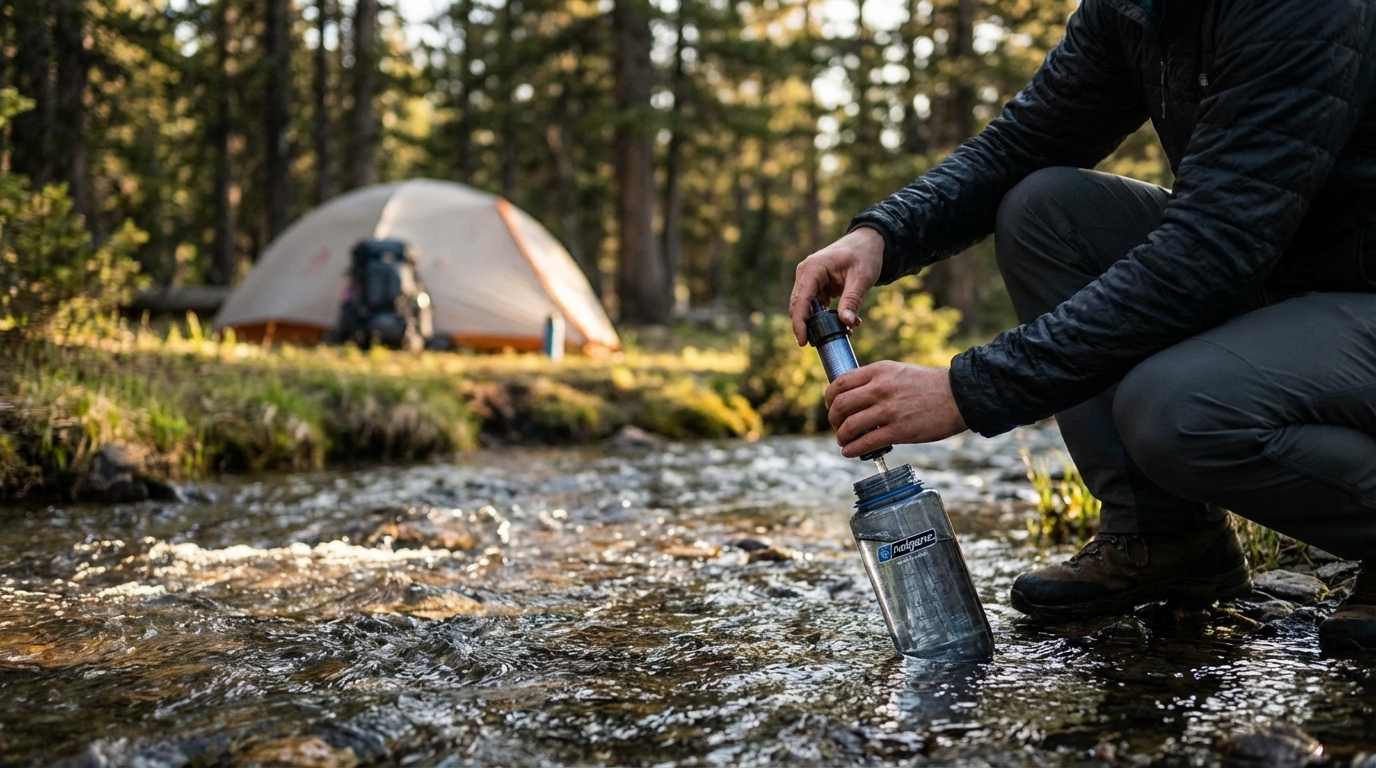
When embarking on an outdoor adventure, particularly camping or backpacking, the availability and quality of water sources are paramount. Water is not merely a convenience; it is a fundamental requirement for survival, well-being, and successful outdoor experiences. Overlooking the crucial role of water sources can lead to severe health issues, compromised comfort, and even life-threatening situations. Understanding where to find water, how to assess its safety, and how to treat it effectively are essential skills for anyone venturing into the wilderness.
This comprehensive guide explores why water sources matter so profoundly in the context of outdoor camping, delving into physiological needs, potential contaminants, and vital strategies for safe water procurement and management.
The Fundamental Role of Water in Outdoor Survival
Water is involved in virtually every bodily function, making its consistent intake non-negotiable, especially when engaged in physical activities like hiking and camping.
Physiological Needs
- Hydration: Water regulates body temperature, lubricates joints, and transports nutrients throughout the body. Dehydration can quickly impair physical and cognitive performance.
- Organ Function: Kidneys require water to filter waste from the blood, and adequate hydration supports cardiovascular health.
- Energy Levels: Even mild dehydration can lead to fatigue, headaches, and dizziness, significantly impacting a camper’s ability to navigate, set up camp, or respond to emergencies.
Non-Physiological Needs
Beyond drinking, water serves numerous practical purposes around a campsite:
- Cooking: Many dehydrated meals and hot beverages require a substantial amount of water.
- Hygiene: Washing hands, cleaning cookware, and basic personal hygiene contribute to preventing illness and maintaining comfort in the outdoors.
- First Aid: Water is often needed for cleaning wounds or rehydrating emergency food supplies.
Understanding Natural Water Sources
The wilderness offers a variety of natural water sources, but each comes with its own set of characteristics and potential risks. Identifying and evaluating these sources is a critical first step.
Types of Natural Sources
- Rivers and Streams: Often appear abundant and accessible. However, they can carry contaminants from upstream activities or animal life. Flowing water is generally considered less stagnant than still water, but not inherently safe.
- Lakes and Ponds: Large, still bodies of water. These are prone to higher concentrations of sediment, algae, and microbial growth, especially in warmer temperatures.
- Springs and Seeps: Water emerging directly from the ground is often considered a comparatively cleaner source as it has undergone some natural filtration through soil and rock. However, even spring water can be contaminated, especially if it flows through agricultural or industrial areas.
- Rainwater: Collecting rainwater directly can provide a relatively clean source, particularly if collected away from contaminated surfaces.
- Snow and Ice Melt: Melting snow or ice can provide water, but it’s important to understand that pathogens can survive in freezing temperatures, and impurities may be present.
Potential Contaminants in Natural Water
Natural water, even if it looks clear and pristine, can harbor a variety of contaminants invisible to the naked eye. These can pose significant health risks.
- Microbiological Contaminants:
- Bacteria: Such as E. coli or Salmonella, often originating from animal or human waste. Can cause severe gastrointestinal illness.
- Protozoa: Organisms like Giardia lamblia and Cryptosporidium parvum are common in surface waters and can cause prolonged diarrheal diseases. They are resistant to chlorine and are particularly concerning for campers.
- Viruses: Less common in North American backcountry water but can be present, especially from human waste. Can cause diseases like norovirus or hepatitis A.
- Chemical Contaminants:
- Pesticides and Herbicides: Runoff from agricultural areas can introduce these chemicals into water sources.
- Industrial Waste: Heavy metals or other pollutants can leach into water from mining operations or industrial sites, even those far upstream.
- Naturally Occurring Chemicals: Some areas have naturally high levels of minerals or compounds that can be harmful in large quantities.
- Physical Contaminants:
- Sediment: Silt, clay, and organic matter can make water cloudy, impact taste, and clog water treatment devices.
- Algae and Plant Matter: Can affect taste and smell, and some blue-green algae can produce toxins.
Strategies for Ensuring Safe Water Access
Given the potential risks, proactive strategies for water sourcing, treatment, and handling are indispensable for safe camping.
Pre-Trip Planning and Water Sourcing
Thorough planning before you even leave home is crucial for water management.
- Research the Area: Consult maps, guidebooks, park rangers, and recent trail reports to identify reliable water sources along your route. Note seasonal variations—some sources may dry up in summer or freeze in winter.
- Estimate Water Needs: A general guideline is to plan for at least 1 liter (about 34 fluid ounces) of water per person per day for drinking, plus additional amounts for cooking and hygiene. This amount can increase significantly with hot weather, strenuous activity, or high altitude.
- Carry Initial Supply: Always start your trip with a sufficient supply of treated water, especially if your first planned water source is distant or unreliable.
Water Treatment Methods in the Field
Once you’ve located a water source, treatment is almost always necessary to render it safe for consumption. No single method is perfect for all contaminants, so understanding the strengths and weaknesses of each is important.
- Boiling:
- Effectiveness: Boiling water vigorously for at least one minute (or three minutes at altitudes above 6,500 feet / 2,000 meters) effectively kills all bacteria, viruses, and protozoa.
- Drawbacks: Requires fuel, time, and leaves water hot. Does not remove sediment or chemical contaminants.
- Filtration:
- Types: Water filters vary in pore size. Microfilters (typically 0.1 to 0.4 microns) can remove bacteria and protozoa. Viruses are smaller and generally pass through most standard backcountry filters.
- Benefits: Relatively quick, removes sediment, and improves water clarity and taste.
- Limitations: Filters can clog, freeze (damaging the filter), and do not remove viruses or chemical contaminants.
- Chemical Purification:
- Tablets/Drops: Common options include iodine or chlorine dioxide.
- Effectiveness: Chlorine dioxide is effective against bacteria, viruses, and protozoa, though it requires a longer wait time (typically 30 minutes to 4 hours, depending on the pathogen). Iodine is also effective against bacteria and viruses but less so against Cryptosporidium and can leave an unpleasant taste.
- Drawbacks: Requires specific wait times, may leave a taste, and iodine is not suitable for pregnant women or individuals with thyroid conditions. Does not remove sediment.
- UV Purification:
- Mechanism: Uses ultraviolet light to disrupt the DNA of microorganisms, preventing them from reproducing and causing illness.
- Benefits: Effective against bacteria, viruses, and protozoa. No chemicals or taste alteration.
- Limitations: Requires batteries, water must be clear (pre-filtration for cloudy water is often necessary), and it does not remove sediment or chemical contaminants.
- Combining Methods: For the highest level of safety, many experienced campers combine methods, such as filtering to remove sediment and larger pathogens, followed by chemical treatment or UV purification to address viruses.
Safe Water Storage and Handling
Treating water is only half the battle; proper storage and handling prevent recontamination.
- Clean Containers: Use dedicated, clean water bottles, hydration reservoirs, or collapsible water bags for treated water. Ensure they are free of residues from untreated water or other substances.
- Avoid Cross-Contamination: Never use a bottle or reservoir that has held untreated water for treated water without thoroughly cleaning and sanitizing it first. Be mindful of hands, caps, and spouts.
- Designated Storage: Store treated water separately from untreated water, and clearly label containers if necessary.
Environmental Responsibility and Water Sources
Our actions in the outdoors directly impact the quality of natural water sources for ourselves and others downstream. Adhering to Leave No Trace principles is crucial.
- No Washing in Water Sources: Avoid using soap, detergents, or even biodegradable soaps directly in lakes, rivers, or streams. Carry water at least 200 feet (60 meters) away from sources for washing yourself or dishes.
- Proper Waste Disposal: Dispose of human waste at least 200 feet (60 meters) from water sources and trails, either by burying it in a cat hole or packing it out. Ensure all trash, including food scraps, is packed out.
- Minimize Contamination: Be mindful of spills, food particles, and other potential contaminants that could enter water systems.
In conclusion, the significance of water sources when camping outdoors cannot be overstated. From sustaining life to facilitating basic camp functions, water is central to any wilderness experience. By understanding the types of natural sources, the contaminants they may harbor, and the effective methods for purification, campers can ensure their safety and comfort. Comprehensive planning, diligent treatment, responsible handling, and a commitment to environmental stewardship are the cornerstones of safe and enjoyable outdoor adventures. Always prioritize safe water access; your health and the health of the environment depend on it.
Frequently Asked Questions (FAQs)
1. How much water should I carry or plan for per day while camping?
A general recommendation for drinking water is 1 liter (approximately 34 fluid ounces) per person per day. However, this is a minimum. Factors like strenuous activity, high temperatures, humidity, altitude, and individual physiology can increase this need significantly. It’s often prudent to plan for 2-4 liters per person per day, especially when accounting for cooking and basic hygiene. Always consult local park rangers or guides for specific recommendations for your intended area.
2. Can clear, flowing stream water be safely consumed without treatment?
No. Even crystal-clear, fast-flowing stream water can contain invisible microbiological contaminants like bacteria, viruses, or protozoa (e.g., Giardia, Cryptosporidium) from upstream animal waste, human activity, or decaying organic matter. It is always recommended to treat any natural water source before consumption, regardless of how clean it appears.
3. What are the signs of dehydration?
Signs of dehydration can range from mild to severe. Mild symptoms include thirst, dry mouth, infrequent urination, dark urine, and fatigue. As dehydration worsens, symptoms can progress to headaches, dizziness, confusion, irritability, rapid heart rate, and extreme fatigue. Severe dehydration is a medical emergency.
4. Is snow melt safe to drink directly?
Melting snow and ice can provide a water source, but it should not be consumed directly without treatment. While freezing temperatures can inhibit the growth of some pathogens, they do not eliminate all of them. Bacteria, viruses, and protozoa can survive in snow and ice. Additionally, snow can pick up atmospheric pollutants or contaminants from the ground or surface it rests on. Always melt snow completely and then treat the resulting water using boiling, filtration, or chemical purification methods.
5. How long does boiled water remain safe to drink?
Once water has been boiled and cooled, it is safe to drink as long as it is stored in a clean, sealed container to prevent recontamination. If stored properly, it can remain safe for several days. However, if the container is opened frequently, or if there’s any doubt about its cleanliness, it’s safer to consume it within 24-48 hours or re-treat it if concerns arise.

Diana Miller, is a dedicated nature enthusiast and an outdoor adventurer. She began leading groups for excursions in her teens and never stopped. Following her passion for nature, she gathers her friends for outdoor trips every now and then. And for the last 10 years, she has executed workshops on backpacking, snow kayaking and traveling that included her main motive of lightweight packing while outdoors. During leisure, she loves planning for her next adventure.