
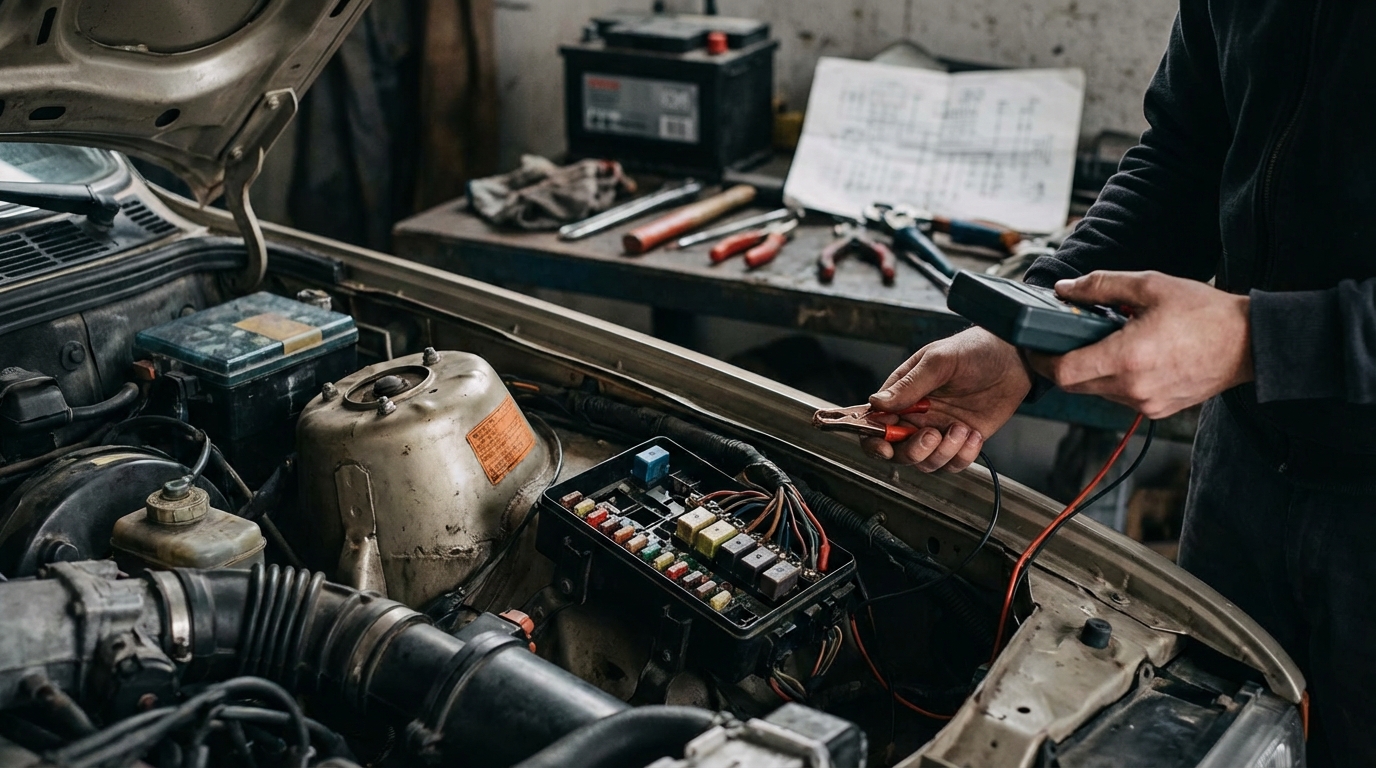
Understanding Basic Vehicle Electrical Systems
A vehicle’s ability to operate reliably hinges on a sophisticated yet fundamental electrical system. Far more than just powering the radio, this intricate network is responsible for starting the engine, charging the battery, illuminating the road, and enabling a vast array of safety and comfort features. Comprehending the foundational elements of this system can demystify how a vehicle functions and empower owners with a greater appreciation for its engineering and maintenance requirements. This post will explore the primary components and principles that govern the electrical heartbeat of modern vehicles.Core Components of a Vehicle’s Electrical System
The electrical system is typically divided into three main circuits: starting, charging, and accessory. Each relies on specific components working in harmony.The Power Source: Battery
The vehicle battery serves as the primary reservoir for electrical energy. It stores chemical energy and converts it into electrical energy when needed. Its key functions include:- Providing a surge of high current to crank the starter motor, initiating engine combustion.
- Supplying power to the vehicle’s electrical systems when the engine is off.
- Stabilizing voltage for various electrical components, acting as a buffer during fluctuations.
The Charging System: Alternator
Once the engine is running, the alternator takes over as the primary source of electrical power. Its role is twofold:- Generating electricity to power all the vehicle’s electrical accessories and systems.
- Recharging the battery, replenishing the energy expended during starting and supporting ongoing electrical loads.
The Starting System
The starting system is a high-current circuit designed to get the engine running. It consists primarily of:- Starter Motor: A powerful electric motor that turns the engine’s flywheel, initiating the combustion process. It draws a significant amount of current directly from the battery for a short period.
- Starter Solenoid: An electromagnetic switch that engages the starter motor and simultaneously connects it to the battery.
- Ignition Switch: The control point, often located on the steering column, which activates the starting circuit when turned to the “start” position.
Wiring, Fuses, and Relays
These elements are the connective tissue and protective measures of the electrical system.- Wiring: Copper wires, insulated with various materials, carry electrical current throughout the vehicle. Different circuits require wires of varying thickness (gauge) to safely handle different current loads.
- Fuses: Sacrificial safety devices designed to protect electrical circuits from excessive current. If an overcurrent condition occurs, the metallic strip inside the fuse melts, breaking the circuit and preventing damage to more expensive components or wiring. Fuses are rated in amperes (amps).
- Relays: Electromechanical switches that allow a small current from a control circuit to switch on or off a much larger current in a power circuit. They are often used for components like headlights, fuel pumps, and the starter motor, protecting the primary switch from high current loads.
Essential Electrical Subsystems
Beyond the core power components, numerous subsystems rely on precise electrical operation.Lighting Systems
Vehicle lighting is critical for visibility and safety. This includes:- Exterior Lighting: Headlights (low and high beam), tail lights, brake lights, turn signal lights, hazard warning lights, and license plate lights.
- Interior Lighting: Dome lights, dashboard illumination, glove box lights, and courtesy lights.
Ignition System (for Internal Combustion Engines)
This system is responsible for igniting the fuel-air mixture in the engine cylinders.- Ignition Coils: Transform the battery’s low voltage into the thousands of volts needed to create a spark.
- Spark Plugs: Deliver the high-voltage spark into the combustion chambers.
- Ignition Control Module: Manages the timing and intensity of the spark.
Fuel System Electrical Components
Several parts of the fuel system are electrically operated.- Fuel Pump: An electric pump located in the fuel tank, responsible for delivering fuel to the engine.
- Fuel Injectors: Electrically controlled valves that precisely atomize and deliver fuel into the engine’s intake manifold or directly into the cylinders.
- Fuel Level Sensor: Provides an electrical signal to indicate the amount of fuel in the tank.
Sensors and Control Units (ECUs/PCMs)
Modern vehicles rely heavily on a complex network of sensors and control units to manage nearly every aspect of operation.- Sensors: Devices that convert physical parameters (like temperature, pressure, speed, oxygen levels, engine position) into electrical signals. These signals are fed to control units.
- Control Units: Often referred to as Electronic Control Units (ECUs), Powertrain Control Modules (PCMs), or other specific modules (e.g., ABS module, Transmission Control Unit). These are essentially miniature computers that receive data from sensors, process it according to programmed logic, and send commands to actuators (like fuel injectors, ignition coils, motors, solenoids) to optimize vehicle performance, emissions, and safety.
Accessory Systems
This broad category encompasses a wide range of convenience and comfort features:- Power windows and door locks
- Radio and infotainment systems
- Heating, Ventilation, and Air Conditioning (HVAC) systems, including blower motors and climate controls
- Windshield wipers and washers
- Horn
Common Electrical Principles in Vehicles
Understanding a few fundamental electrical concepts helps in grasping how the system functions.- Voltage (Volts, V): Represents the electrical potential difference or “push” that drives current through a circuit. A typical vehicle’s electrical system operates at 12 volts.
- Current (Amperes, A): The rate of flow of electrical charge (electrons) through a conductor. Different components draw different amounts of current.
- Resistance (Ohms, Ω): The opposition to the flow of electrical current. Components like light bulbs and motors have inherent resistance, and excessive resistance in wiring can indicate a problem.
- Ohm’s Law: A fundamental relationship stating that Voltage = Current × Resistance (V = I × R). This law helps explain how current flows through circuits.
- Circuits: An electrical circuit is a complete path for current to flow from a power source, through components, and back to the source.
- An open circuit has a break in the path, preventing current flow.
- A short circuit is an unintended low-resistance path, often causing excessive current flow and potentially blowing a fuse or damaging components.
- Ground: In a vehicle, the metal chassis and body typically serve as the common return path for electrical current to the battery’s negative terminal. This simplifies wiring by eliminating the need for a separate return wire for every component.
Indicators of Electrical System Issues
Various symptoms can suggest a problem within the vehicle’s electrical system:- Dim headlights or interior lights.
- Slow or labored engine cranking.
- Warning lights on the dashboard, such as the battery light or check engine light.
- Intermittent operation of electrical accessories (e.g., windows, radio).
- A burning smell, which could indicate overloaded wiring or components.
- A clicking sound from the engine compartment when attempting to start the vehicle.
Conclusion
The electrical system is the lifeblood of a vehicle, orchestrating everything from initial ignition to the operation of sophisticated infotainment and safety features. A basic understanding of the battery, charging, and starting systems, along with the roles of wiring, fuses, relays, and various electrical subsystems, provides valuable insight into a vehicle’s operation. While complex, appreciating these fundamental principles can foster more informed vehicle ownership and help recognize potential issues before they become significant problems. —Frequently Asked Questions
Q1: What does the battery light on my dashboard mean?
A1: The battery light, often depicted as a battery symbol, typically indicates an issue with the vehicle’s charging system, not necessarily the battery itself. When illuminated while the engine is running, it usually means the alternator is not generating sufficient voltage to power the electrical systems and recharge the battery. The vehicle is then operating solely on battery power, which will eventually drain.Q2: How long does a typical vehicle battery last?
A2: The lifespan of a vehicle battery can vary significantly, but on average, a conventional battery lasts between three to five years. Factors such as climate (extreme heat or cold), driving habits (frequent short trips), regular maintenance, and the quality of the battery itself can all influence its longevity.Q3: Can a faulty alternator damage the battery?
A3: Yes, a faulty alternator can potentially damage the battery. If the alternator is consistently overcharging the battery, it can lead to premature battery failure due to excessive heat and internal damage. Conversely, an alternator that is consistently undercharging the battery will cause the battery to remain in a partially discharged state, reducing its overall lifespan and capacity.Q4: Why are fuses important in a vehicle?
A4: Fuses are crucial safety components in a vehicle’s electrical system. They are designed to protect wiring and electrical components from damage caused by an excessive flow of current (overcurrent). If an electrical fault occurs, the fuse melts and breaks the circuit, preventing overheating, short circuits, and potential fires in the wiring or sensitive electronics.Q5: What is “ground” in a vehicle’s electrical system?
A5: In a vehicle’s electrical system, “ground” refers to the common return path for electrical current back to the battery’s negative terminal. Instead of running a separate return wire for every electrical component, the vehicle’s metal chassis and body panels are used to complete the circuit. Components are connected to the chassis (grounded), allowing current to flow through the metal structure back to the battery, simplifying wiring and reducing weight.
Diana Miller, is a dedicated nature enthusiast and an outdoor adventurer. She began leading groups for excursions in her teens and never stopped. Following her passion for nature, she gathers her friends for outdoor trips every now and then. And for the last 10 years, she has executed workshops on backpacking, snow kayaking and traveling that included her main motive of lightweight packing while outdoors. During leisure, she loves planning for her next adventure.