
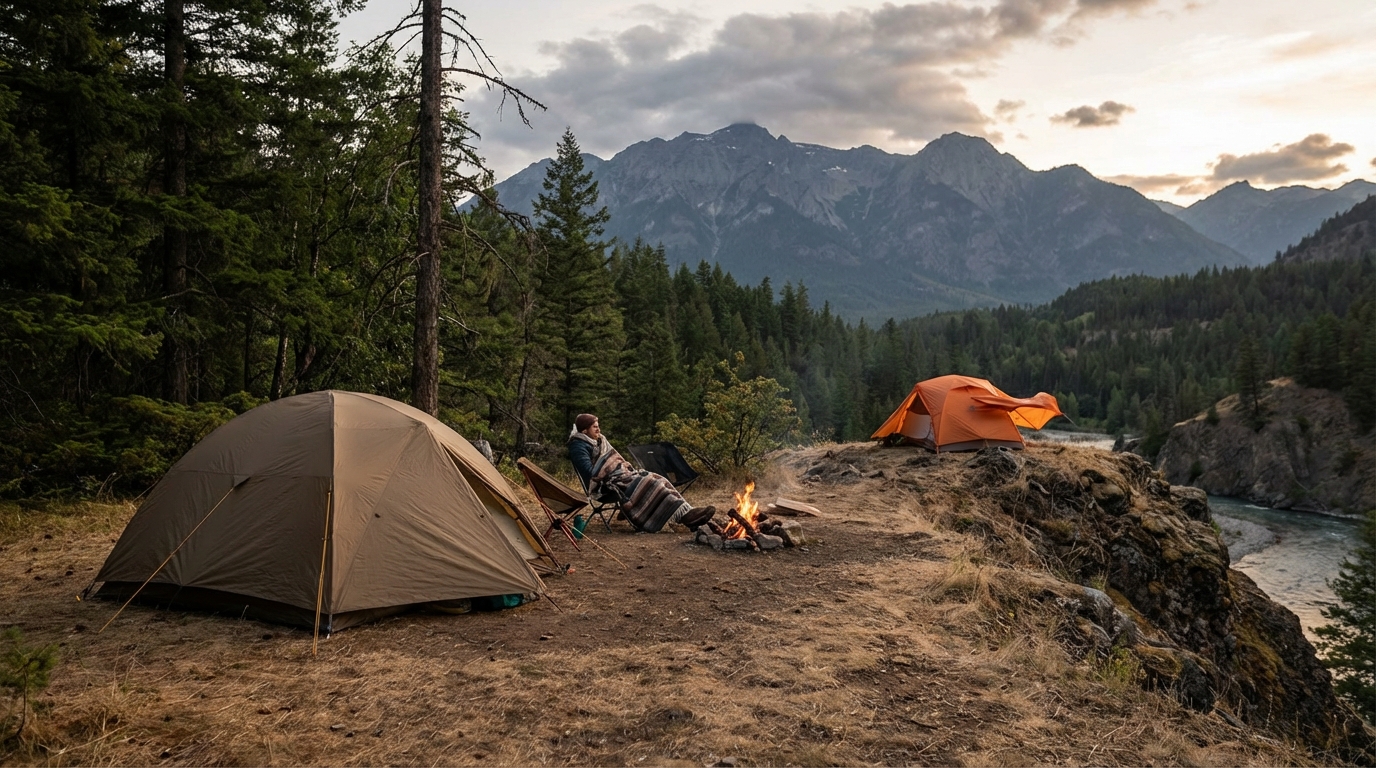
Embarking on an outdoor excursion often promises a refreshing escape into nature. However, the quality of this experience, particularly regarding comfort and safety, is profoundly influenced by one critical decision: where to pitch your tent. Far from being a trivial choice, campsite selection is a foundational element that can dictate everything from a restful night’s sleep to protection from potential hazards. A thoughtful approach to choosing your spot ensures not only a more enjoyable retreat but also a secure environment for you and your companions.
This post will explore the multifaceted considerations involved in campsite selection, dissecting how specific attributes of a location directly impact both your physical comfort and overall safety in the wilderness. Understanding these principles empowers adventurers to make informed choices, fostering memorable outdoor experiences free from preventable discomforts and dangers.
Prioritizing Comfort Through Deliberate Campsite Selection
Comfort in a campsite extends beyond the quality of your sleeping pad; it’s about creating a harmonious living space in the outdoors. Several environmental factors contribute significantly to a comfortable camping experience.
Achieving Physical Ease and Stability
- Level Ground: A fundamental requirement for comfort is a flat surface. Sleeping on an incline can lead to restless nights, as gravity constantly pulls you downwards, potentially causing you to slide against the tent wall or experience poor circulation. Level ground also simplifies the setup of tents, cooking areas, and allows for stable movement around your site, reducing tripping hazards.
- Shade and Sun Exposure Management: The amount of direct sunlight your site receives can drastically affect comfort. In warmer climates or during summer months, ample shade from trees can keep your tent cooler and provide a reprieve from intense UV radiation. Conversely, in colder seasons, a spot that receives morning sun can help warm your tent naturally after a chilly night and aid in drying condensation. Understanding the sun’s path throughout the day is key.
- Wind Protection: Persistent wind can be a significant source of discomfort. It can make cooking difficult, blow away gear, cause tents to flap loudly, and contribute to heat loss, especially in cooler conditions. Selecting a site naturally sheltered by hills, dense vegetation, or large rock formations can mitigate wind exposure, creating a calmer and warmer microclimate within your camp.
- Proximity to Resources: While convenience is desirable, the distance to water sources, firewood, and latrines requires careful consideration. Being too far means frequent, strenuous trips; being too close can introduce risks like flash flooding, animal encounters near water, or unsanitary conditions around waste disposal areas. A balanced distance ensures accessibility without compromising safety or environmental impact.
Enhancing the Overall Experience
- Privacy and Solitude: For many, camping is an opportunity to escape the hustle and bustle and find peace. A secluded site, away from main trails or other campers, can greatly enhance the sense of tranquility and personal space, contributing to a more relaxing and restorative experience.
- Aesthetic Appeal: While not strictly a comfort factor, a visually pleasing campsite can significantly uplift spirits. A spot with scenic views, interesting natural features, or a pleasant backdrop can contribute to mental well-being and overall enjoyment.
Ensuring Safety Through Prudent Campsite Selection
Safety is paramount in any outdoor activity, and campsite selection plays a crucial role in mitigating potential hazards. A meticulous assessment of the surroundings can prevent accidents and ensure a secure environment.
Mitigating Natural Hazards
- Avoiding "Widowmakers" and Falling Objects: Before setting up camp, carefully inspect the trees overhead. Dead branches, leaning trees, or those with significant damage (often referred to as "widowmakers") pose a serious risk of falling, especially during windy conditions or storms. Similarly, camping beneath unstable rock formations or cliffs can expose you to falling debris.
- Flash Flood Risk Assessment: Low-lying areas, dry riverbeds (arroyos), canyon bottoms, and areas near stream banks can be extremely dangerous during heavy rainfall, even if the rain occurs miles upstream. Always choose higher ground, well above any potential floodwaters, to safeguard against flash floods.
- Wildlife Awareness: Understanding the local wildlife is critical. Avoid camping on animal trails, near known dens or nesting sites, or between a water source and a feeding area. Proper food storage (hanging food, using bear canisters) and keeping cooking areas separate from sleeping areas are also key practices. Researching local animal activity is an important preparatory step.
- Weather Exposure and Lightning Protection: Open ridges and isolated tall trees can attract lightning, making them unsafe during thunderstorms. In lightning-prone areas, seek shelter in dense, uniformly tall forest areas or valleys, avoiding the highest points. Conversely, being too exposed to the elements without sufficient shelter can lead to hypothermia or heatstroke.
- Fire Safety: If permitted and conditions allow for a campfire, ensure your site is a safe distance from dry grass, fallen leaves, and overhanging branches. Clear a wide perimeter around your fire pit down to bare earth. Always be aware of current fire restrictions and adhere to them.
Adhering to Regulations and Environmental Principles
- Designated Sites and Permits: Many parks and wilderness areas have designated campsites for a reason—they are typically vetted for safety, environmental impact, and managed for maintenance. Always check if a permit is required or if camping is restricted to specific sites. Ignoring these regulations can lead to fines, damage to fragile ecosystems, and exposure to unassessed risks.
- Durable Surfaces for Leave No Trace: Selecting a durable surface (such as bare dirt, rock, or established campsites) helps minimize your impact on the environment. This principle, part of Leave No Trace ethics, also implicitly guides you away from delicate vegetation or overly soft ground that might become muddy or damaged, contributing to site degradation and potential safety issues (e.g., uneven tent pitching).
Strategic Planning for Optimal Campsite Selection
The process of selecting an appropriate campsite begins long before you arrive at your destination and continues with a thorough on-site evaluation.
Pre-Trip Research and Preparation
- Topographical Maps and Satellite Imagery: Study maps to identify flat areas, potential windbreaks, water sources, and escape routes. Satellite imagery can offer current views of tree cover, ground conditions, and proximity to trails or roads.
- Weather Forecasts: Consult detailed forecasts for your specific area, not just regional predictions. Understand temperature fluctuations, precipitation probabilities, and wind speeds, as these will directly influence your choice of site features.
- Local Regulations and Conditions: Always check with park rangers or local authorities about current conditions, fire restrictions, wildlife alerts, and specific camping rules for the area.
On-Site Assessment
Upon arrival, take your time to scout potential sites. A 360-degree survey is essential.
- Look Up: Check for "widowmakers" and anything that could fall.
- Look Around: Identify natural shelters from wind and sun, proximity to water and fuel, and signs of wildlife activity (tracks, scat).
- Look Down: Assess the ground for levelness, drainage, and presence of ant hills, thorny plants, or fragile vegetation. Consider how heavy rain might affect the site.
- Listen: Pay attention to the sounds of flowing water (potential flood indicator if it sounds like rushing water when it shouldn’t), strong winds, or unusual animal noises.
Adapting to Conditions
Your ideal campsite may change depending on the season or expected weather. A shady spot valued in summer might be undesirable in winter, when a sun-exposed, wind-sheltered location could provide vital warmth. Flexibility and adaptability are crucial skills in campsite selection.
Conclusion
The intentional act of choosing a campsite is a cornerstone of a successful outdoor experience. It directly impacts your physical comfort, mental peace, and, critically, your safety in environments that can be unpredictable. By thoroughly assessing factors such as ground stability, exposure to elements, proximity to natural resources, and potential hazards, adventurers can transform a simple patch of earth into a secure and welcoming temporary home. Thoughtful pre-trip research combined with diligent on-site observation are indispensable tools for making informed decisions, ensuring that your time spent connecting with nature is both gratifying and safe.
Frequently Asked Questions About Campsite Selection
1. What are some common indicators of an unsafe campsite?
Key indicators of an unsafe campsite include overhead dead or leaning trees ("widowmakers"), evidence of recent flash flooding (e.g., debris high in trees or along riverbanks, scoured ground), proximity to unstable rock formations, animal trails or dens, or being in a low-lying area vulnerable to water accumulation during rain.
2. How far should a campsite be from a water source?
A general guideline for camping is to establish your site at least 200 feet (approximately 70 adult paces) from water sources like lakes, rivers, and streams. This distance helps protect water quality from human waste and camp pollutants, reduces disturbance to wildlife that frequent water sources, and minimizes flood risk.
3. What considerations are important when camping in bear country?
When camping in bear country, it’s crucial to select a site away from animal trails and natural food sources. Ensure food and scented items are stored properly in bear-resistant containers or hung from a tree at least 10 feet off the ground and 4 feet from the tree trunk. Cooking and eating areas should be a significant distance from your sleeping area to avoid attracting wildlife to your tent.
4. Should I camp directly under large trees?
Camping directly under large, healthy trees can offer shade and some wind protection. However, it is important to inspect the tree carefully for dead branches or signs of disease that could lead to "widowmakers." During thunderstorms, camping directly under the tallest tree in an open area can also increase lightning risk. In such cases, a dense stand of uniformly tall trees or a lower elevation might be more prudent.
5. How can I ensure my campsite is protected from wind?
To ensure wind protection, look for natural barriers such as dense vegetation, large boulders, or the leeward side (the side sheltered from the wind) of hills or elevated terrain. Avoid exposed ridges, open fields, or areas at the mouth of canyons where wind can be funneled and intensified. Positioning your tent so its lowest profile faces into the prevailing wind can also help.

Diana Miller, is a dedicated nature enthusiast and an outdoor adventurer. She began leading groups for excursions in her teens and never stopped. Following her passion for nature, she gathers her friends for outdoor trips every now and then. And for the last 10 years, she has executed workshops on backpacking, snow kayaking and traveling that included her main motive of lightweight packing while outdoors. During leisure, she loves planning for her next adventure.