
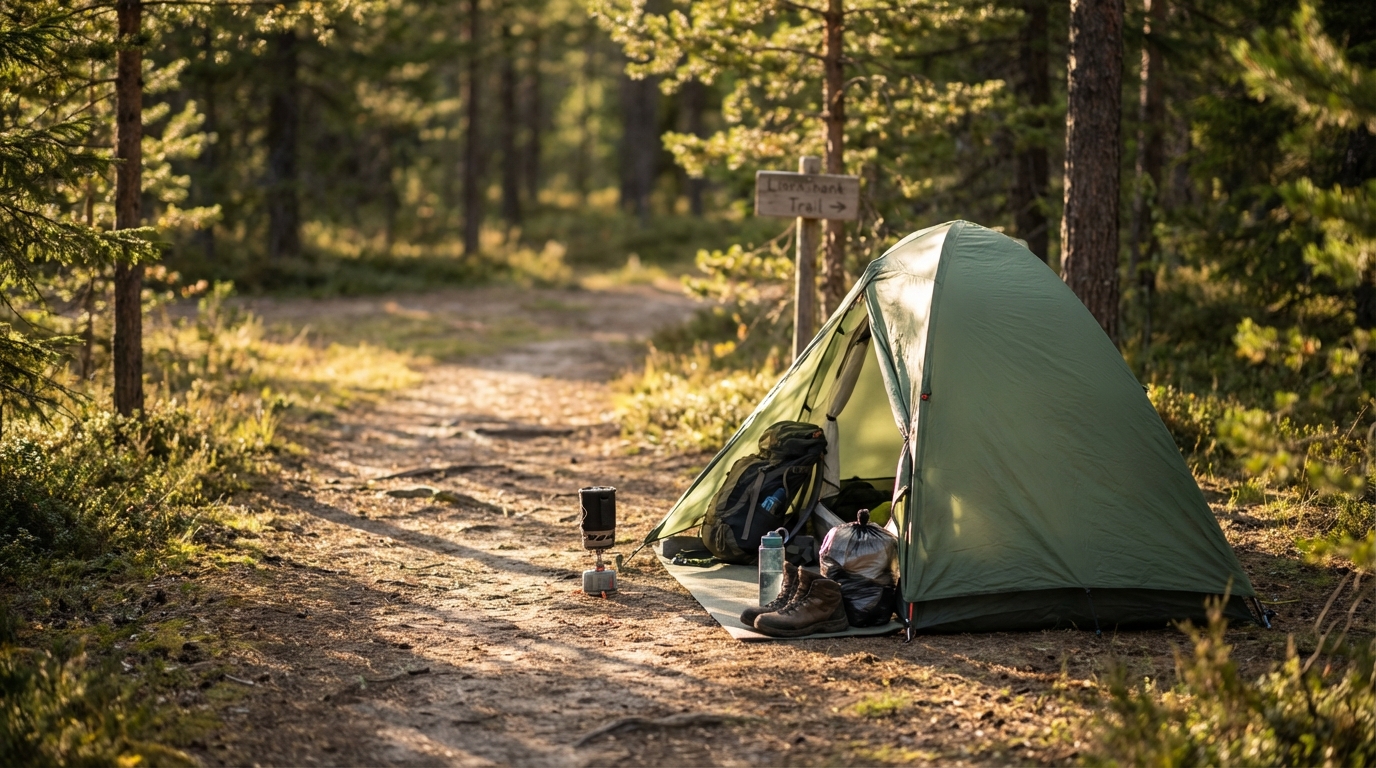
Exploring the outdoors, whether for a day hike or an extended camping trip, offers unparalleled opportunities for connection with nature. These experiences, however, come with a significant responsibility: to minimize our impact on the environment. The Leave No Trace Center for Outdoor Ethics has developed a comprehensive framework of principles designed to help outdoor enthusiasts protect the natural world for present and future generations. Understanding and applying these principles is not just a suggestion; it is a fundamental aspect of responsible outdoor recreation.
The Foundation of Leave No Trace
Leave No Trace (LNT) is an internationally recognized program that promotes outdoor ethics. It is built upon the idea that by following a few simple guidelines, individuals can significantly reduce their footprint on the natural world. The core philosophy emphasizes respecting wildlife, natural resources, and other visitors, ensuring that the beauty and integrity of wild places remain intact.
Originating from the United States Forest Service in the 1960s and 70s as outdoor recreation grew, the formalization of Leave No Trace principles came in the 1990s. Its aim is to teach people how to enjoy the outdoors responsibly, leaving no sign of their visit, or as little as possible. This involves proactive planning and mindful behavior during any outdoor activity, from a short picnic to a multi-day backcountry expedition.
The Seven Principles of Leave No Trace
The Leave No Trace principles are adaptable to various environments and activities, serving as universal guidelines for ethical outdoor conduct. Each principle addresses a specific aspect of outdoor impact and provides actionable steps to mitigate it.
Principle 1: Plan Ahead and Prepare
Thorough preparation is the cornerstone of a low-impact outdoor experience. Understanding your destination, its regulations, and potential challenges allows you to make informed decisions that protect both the environment and yourself.
- Know the Regulations and Special Concerns: Research local rules, permit requirements, and unique environmental considerations for your chosen area.
- Prepare for Weather, Hazards, and Emergencies: Check forecasts, understand terrain, and pack appropriate gear, clothing, and first-aid supplies.
- Schedule Your Trip to Avoid Times of High Use: Opting for off-peak seasons or weekdays can reduce crowding and environmental stress on popular areas.
- Visit in Small Groups: Smaller groups generally have less impact and are easier to manage. If part of a larger group, consider splitting into smaller units.
- Repackage Food: Remove excess packaging at home to reduce trash and weight.
- Use Maps and a Compass/GPS: Rely on navigation tools to avoid getting lost, which can lead to off-trail wandering and damage.
Principle 2: Travel and Camp on Durable Surfaces
The goal is to minimize damage to vegetation and soil by concentrating activity where impact is already occurring or on naturally resistant surfaces.
- Stay on Established Trails: Walking on trails prevents the creation of new paths, which can lead to erosion and habitat fragmentation.
- Camp in Designated Sites: Use existing campsites to minimize environmental disturbance.
- Choose Durable Surfaces for Travel and Camping: When off-trail or in undeveloped areas, select surfaces like rock, gravel, dry grasses, or snow. Avoid sensitive areas such as meadows, wetlands, and riparian zones.
- Disperse Use in Undesignated Areas: If camping in an area without established sites, spread out tents and activities to avoid creating new, visible impacts.
- Avoid Creating New Paths: Resist the urge to create shortcuts, as this contributes to erosion and vegetation damage.
Principle 3: Dispose of Waste Properly
The objective is to pack out all trash and properly manage human and food waste to prevent pollution and impacts on wildlife.
- Pack It In, Pack It Out: Everything you bring into the outdoors, including food scraps, wrappers, and hygiene products, must be carried out.
- Dispose of Human Waste Properly: In most areas, dig a cathole 6-8 inches deep and at least 200 feet (about 70 steps) from water, trails, and campsites. Cover it thoroughly. In some fragile environments, packing out human waste may be required.
- Dispose of Wastewater Properly: Disperse dishwater or bathwater at least 200 feet from water sources. Use minimal amounts of biodegradable soap, if any.
- Inspect Your Campsite: Before leaving, check the area for any dropped food, trash, or other signs of your visit.
Principle 4: Leave What You Find
Allow others to experience the wonder of discovery by leaving natural and cultural artifacts undisturbed. The outdoors is a place to observe and appreciate, not to collect or alter.
- Preserve the Past: Do not disturb archaeological sites, historical structures, or cultural artifacts.
- Leave Rocks, Plants, and Other Natural Objects As You Find Them: Taking souvenirs, even small ones, accumulates over time and diminishes the natural character of an area.
- Avoid Introducing Non-Native Species: Clean boots and gear to prevent transporting seeds or organisms to new areas.
- Do Not Build Structures or Dig Trenches: This alters the natural landscape and can cause unnecessary damage.
Principle 5: Minimize Campfire Impacts
While campfires are a traditional part of outdoor recreation, they can cause significant impact. It is often preferable to use a lightweight stove for cooking and a headlamp for light. If a campfire is essential, follow these guidelines:
- Use Established Fire Rings or Fire Pans: When fires are permitted, use existing fire rings. If none are present and fires are allowed, consider using a fire pan to contain the fire and its ash.
- Keep Fires Small: Only burn wood that can fit within the fire ring.
- Gather Wood Responsibly: Collect only dead and downed wood that is small enough to be broken by hand. Do not break branches from standing trees, living or dead.
- Burn Wood Completely to Ash: Ensure all wood is fully consumed to minimize debris.
- Extinguish Fires Completely: Drown the fire with water, stir the ashes, and check for any remaining hot embers. Repeat until the fire is cold to the touch. Scatter cool ashes.
Principle 6: Respect Wildlife
Observing wildlife without disturbing it is a crucial part of responsible outdoor behavior. Our actions can profoundly affect animals’ survival and behavior.
- Observe Wildlife from a Distance: Use binoculars and avoid approaching animals. Do not disturb wildlife for a photo.
- Never Feed Animals: Feeding wild animals can alter their natural behaviors, make them dependent on human food, and lead to aggressive encounters.
- Store Food and Trash Securely: Use bear canisters, bear bags, or approved food storage methods to prevent animals from accessing your supplies.
- Control Pets: Keep pets under control and on a leash, especially near wildlife. Pack out pet waste.
- Avoid Wildlife During Sensitive Times: Be particularly careful during mating, nesting, or birthing seasons.
Principle 7: Be Considerate of Other Visitors
The outdoor experience is shared. Being mindful of others helps ensure a positive and respectful environment for everyone.
- Respect the Solitude of Others: Keep noise levels down. Avoid loud conversations, excessive music, or disruptive behavior.
- Yield to Other Users: When on trails, downhill traffic usually yields to uphill traffic, and hikers yield to horses and cyclists. Be prepared to step aside.
- Manage Group Size and Behavior: Keep groups small to minimize impact and allow others to experience nature undisturbed.
- Minimize Visual Impacts: Choose subtle colors for clothing and gear to blend with the natural surroundings.
Adaptation and Context
While the seven principles are universal, their specific application can vary depending on the environment, the level of human use, and local regulations. For example, disposing of human waste in a desert might involve packing it out in a WAG bag due to slow decomposition rates, whereas in a forest, a cathole might be appropriate. Similarly, camping practices in a fragile alpine tundra would differ significantly from those in a resilient lowland forest. Always consider the specific context of your trip and consult local authorities for any unique guidelines.
Adhering to Leave No Trace principles is an ongoing learning process and a commitment to protecting the natural world. It encourages us to think critically about our actions and their consequences, fostering a deeper connection to the places we explore.
Conclusion
The Leave No Trace principles provide an invaluable framework for outdoor enthusiasts to enjoy nature responsibly. By planning ahead, traveling and camping thoughtfully, managing waste, respecting natural elements and wildlife, minimizing campfire impacts, and being considerate of others, we can ensure that our presence in the outdoors leaves minimal disturbance. These principles are more than just a set of rules; they are an ethical approach to recreation that safeguards the beauty and ecological health of our wild spaces for generations to come. Embracing Leave No Trace is a step towards becoming a more mindful and effective steward of the planet.
Frequently Asked Questions
What is the main goal of Leave No Trace?
The main goal of Leave No Trace is to promote outdoor ethics and skills that minimize human impact on the natural environment. It aims to educate people on how to enjoy the outdoors responsibly, leaving as little evidence of their visit as possible to preserve natural areas for everyone.
Why is “Pack it in, Pack it out” so important?
“Pack it in, Pack it out” is crucial because it prevents litter and pollution, which can harm wildlife, contaminate water sources, and detract from the natural beauty of an area. Trash takes a long time to decompose, and even organic waste like fruit peels can attract animals, alter their diets, and introduce non-native seeds.
How do I dispose of human waste responsibly while camping?
The most common method is to dig a “cathole” 6-8 inches deep and at least 200 feet (about 70 steps) away from water sources, trails, and campsites. After use, cover it completely with soil and natural materials. In some fragile or heavily used areas, or where required by regulation, human waste must be packed out using specialized bags.
Can I build a new fire ring if one isn’t available?
It is generally recommended to avoid building new fire rings. If a fire is essential and allowed, use an existing fire ring. If no fire ring is present and fires are permitted, consider using a fire pan or creating a mound fire to contain the fire and its ash, which can then be packed out. Building new rings permanently alters the landscape.
Does Leave No Trace apply to day hikes or just long camping trips?
Yes, Leave No Trace principles apply to all outdoor activities, regardless of duration or intensity, including day hikes, short picnics, and longer camping trips. The impact of many small actions can accumulate over time, so applying the principles consistently helps protect all natural areas.

Diana Miller, is a dedicated nature enthusiast and an outdoor adventurer. She began leading groups for excursions in her teens and never stopped. Following her passion for nature, she gathers her friends for outdoor trips every now and then. And for the last 10 years, she has executed workshops on backpacking, snow kayaking and traveling that included her main motive of lightweight packing while outdoors. During leisure, she loves planning for her next adventure.