
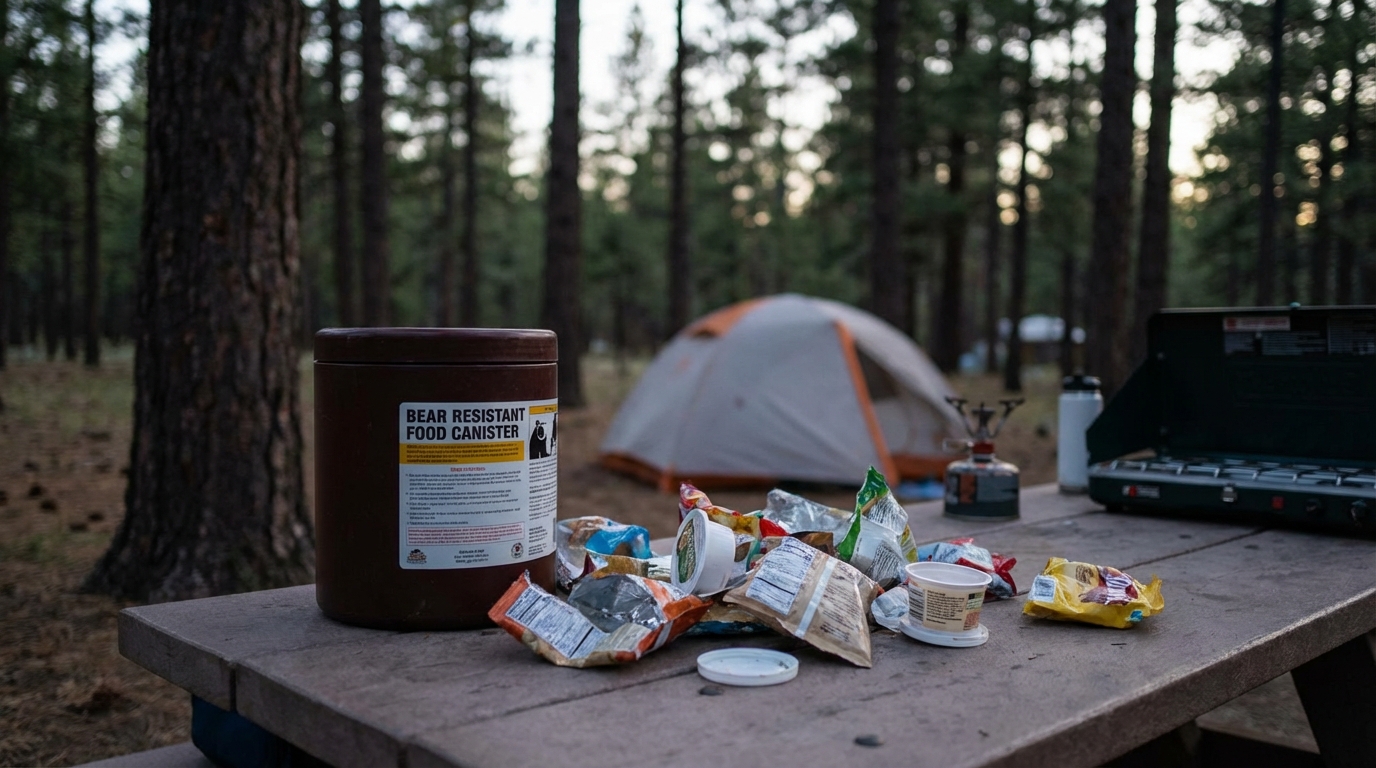
Camping offers a unique opportunity to connect with nature, enjoy the outdoors, and create lasting memories. However, the experience can quickly turn challenging if fundamental aspects like food management are overlooked. Proper food storage in a campsite environment is not merely a matter of convenience; it is a critical practice that underpins safety, health, and environmental responsibility. Understanding why and how to store food effectively is essential for any camper, from the novice to the seasoned adventurer, ensuring a harmonious and trouble-free outdoor experience.
The outdoor setting introduces unique variables that are not typically encountered in a home kitchen. Exposure to varying temperatures, moisture, and the presence of wildlife necessitates a proactive and informed approach to food handling. This guide will explore the multifaceted reasons why meticulous food storage is indispensable in any campsite, covering aspects from preventing illness to safeguarding local ecosystems.
Preventing Foodborne Illness and Maintaining Health
One of the primary concerns when camping is the potential for food contamination and subsequent foodborne illness. Unlike a home kitchen with readily available refrigeration and sanitation, campsites demand careful planning and execution to keep food safe for consumption.
Temperature Control and the Danger Zone
Many common camping foods are perishable, meaning they require refrigeration to remain safe. Bacteria that cause foodborne illnesses multiply rapidly at temperatures between 40°F (4°C) and 140°F (60°C), often referred to as the “danger zone.” In a campsite, maintaining temperatures outside this range can be challenging but is crucial.
- Chilling Perishable Items: Foods like raw meat, poultry, dairy products, and cooked leftovers must be kept at or below 40°F (4°C). This often requires insulated coolers packed with ice or ice packs, pre-chilled foods, and careful monitoring of ice levels.
- Cooking to Safe Temperatures: Ensuring that all foods, especially meats, are cooked to their appropriate internal temperatures helps eliminate harmful bacteria. A food thermometer is a valuable tool in a campsite kitchen.
Avoiding Cross-Contamination
Cross-contamination occurs when harmful bacteria from raw foods spread to ready-to-eat foods or surfaces. In a compact campsite setup, the risk of this happening can be elevated.
- Separate Packaging: Raw meats should be stored in sealed, leak-proof containers or bags, separate from other foods, especially produce and cooked items. Placing raw meat at the bottom of a cooler helps prevent drips from contaminating other contents.
- Dedicated Utensils and Surfaces: Use different cutting boards, plates, and utensils for raw and cooked foods. If limited on supplies, thoroughly wash and sanitize items between uses with hot, soapy water, followed by a rinse.
- Hand Hygiene: Frequent hand washing with soap and water (or using an alcohol-based hand sanitizer if water is scarce) is paramount before and after handling food, especially raw ingredients.
Protecting Food from Contaminants
Beyond bacteria, campsite food can be exposed to other contaminants such as dirt, dust, insects, and even airborne pathogens. Storing food in airtight containers, resealable bags, or original packaging helps create a barrier against these external elements, preserving the food’s hygiene and edibility.
Wildlife Management and Environmental Protection
One of the most significant reasons for proper food storage in campsites is to prevent attracting wildlife. Animals, particularly bears, raccoons, rodents, and even birds, are opportunistic foragers. Exposed or improperly stored food acts as an irresistible invitation, leading to a cascade of potential problems for both humans and wildlife.
Minimizing Human-Wildlife Conflict
Animals drawn to human food sources can quickly become habituated, losing their natural fear of people. This habituation can lead to several dangerous outcomes:
- Property Damage: Animals may chew through tents, backpacks, or vehicles to access food, causing significant damage.
- Aggression: Habituated animals, especially larger predators like bears, can become aggressive if they perceive humans as a barrier to food, leading to dangerous encounters and potential injuries.
- Wildlife Relocation or Euthanasia: In many cases, animals that become too accustomed to human food and pose a threat may need to be relocated or, unfortunately, euthanized by wildlife authorities. This tragic outcome can be avoided through responsible food storage.
Protecting Wildlife Health and Natural Behavior
Human food is often unhealthy for wildlife. It can lack essential nutrients, cause digestive problems, or lead to dental issues. Furthermore, animals relying on human handouts may neglect their natural foraging behaviors, impacting the ecosystem and their long-term survival skills. Proper storage helps maintain the natural balance and health of the local wildlife populations.
Reducing Campground Impacts
Dispersed food scraps or improperly stored waste can create an unsightly and unsanitary environment. Attracting wildlife contributes to this, as animals may scatter trash or leave droppings, diminishing the aesthetic and ecological value of the campsite for future visitors.
Specific Wildlife Storage Considerations
- Bear Country: In areas known for bears, specialized equipment like bear-resistant food canisters or bags is often required or strongly recommended. Hanging food from a tree branch using a bear bag system, ensuring it’s at least 10-12 feet off the ground and 4-6 feet away from the tree trunk, is another common method.
- Rodents and Smaller Animals: Even in areas without bears, rodents, raccoons, and other small animals can be persistent. Storing food in hard-sided, airtight containers inside a locked vehicle or within a secure camp structure is often effective.
Maintaining Food Quality and Reducing Waste
Beyond safety and wildlife, proper food storage plays a vital role in preserving the quality, freshness, and nutritional value of your provisions, thereby reducing unnecessary waste.
Protection from Elements and Spoilage
Campsites expose food to various environmental factors:
- Sun and Heat: Direct sunlight can quickly spoil perishable foods and melt items like chocolate. Storing food in shaded areas or insulated containers is crucial.
- Moisture and Rain: Unprotected food can become waterlogged, leading to spoilage, mold growth, and loss of texture or flavor. Waterproof containers and bags are indispensable.
- Pests: Insects like ants, flies, and wasps are attracted to uncovered food. Airtight containers prevent access and maintain hygiene.
Extending Shelf Life
Careful storage practices allow food to remain fresh and palatable for longer durations, which is particularly important on multi-day trips where resupply is not an option. This includes proper packaging, refrigeration for perishables, and protection from physical damage.
Optimizing Nutritional Value
Spoiled or improperly stored food not only tastes bad but can also lose significant nutritional value. By keeping food fresh and protected, campers ensure they are consuming sustenance that contributes positively to their energy and well-being during physically demanding outdoor activities.
Economic Benefits
Food waste due to spoilage or wildlife interference translates directly into wasted money. By implementing proper storage techniques, campers can make their food supplies last, reducing the need for premature resupply or discarding usable provisions.
Adhering to Campground Regulations and Leave No Trace Principles
Many campgrounds and wilderness areas have specific regulations regarding food storage, often enacted to protect both campers and wildlife. Adhering to these rules is not just about compliance; it aligns with broader ethical principles of outdoor recreation.
Understanding Campground Rules
Before heading out, research the specific regulations for your chosen campsite or wilderness area. These rules might dictate the use of bear-resistant containers, prohibit food storage in tents, or specify disposal methods for waste. Non-compliance can result in fines or, in severe cases, eviction from the site.
Embracing Leave No Trace Principles
Proper food storage is a cornerstone of the Leave No Trace (LNT) philosophy, particularly the principles of “Dispose of Waste Properly” and “Respect Wildlife.”
- Pack It In, Pack It Out: This principle extends beyond just trash to include all food scraps. Properly stored food minimizes the chances of leaving any edible items behind that could attract wildlife.
- Respect Wildlife: By storing food securely, campers avoid habituating animals, allowing them to remain wild and healthy in their natural habitats. This also protects them from the dangers associated with human interaction.
Following LNT principles ensures that natural environments remain pristine and enjoyable for all users, now and in the future. It’s about minimizing human impact and preserving the integrity of the ecosystem.
Practical Food Storage Techniques for Campers
Implementing effective food storage involves a combination of preparation, appropriate gear, and consistent habits.
- Coolers and Ice Management: Use high-quality, insulated coolers. Pre-chill the cooler before packing. Use block ice (lasts longer) or dry ice (with caution). Minimize opening the cooler. Keep the cooler out of direct sunlight.
- Airtight and Rodent-Proof Containers: Hard-sided plastic containers with tight-fitting lids are excellent for protecting dry goods from moisture, insects, and small rodents. Metal containers can offer even greater protection.
- Bear Canisters and Bags: Essential in bear country, these specialized containers are designed to be impenetrable by bears. Bear bags are hung from trees, while canisters are typically left on the ground, away from tents.
- Vehicle Storage: If camping near a vehicle, storing all food, scented items, and cooking gear inside a locked car or truck is often a secure option, particularly in areas with smaller wildlife.
- Meal Planning and Repackaging: Plan meals meticulously to avoid overpacking. Repackage foods from bulky original containers into smaller, durable, and lightweight bags or containers. This reduces volume, weight, and waste.
- Waste Management: All food scraps, including peelings and crumbs, should be considered attractants. Store them in sealed bags within bear-resistant containers or vehicles until they can be properly disposed of in designated trash receptacles or packed out.
Conclusion
Proper food storage in campsites is a multifaceted practice that is fundamental to a safe, healthy, and enjoyable outdoor experience. It serves as a vital safeguard against foodborne illnesses, protects both human and wildlife populations, preserves the quality of provisions, and upholds the ecological integrity of natural spaces. By understanding the ‘why’ behind these practices and diligently applying effective techniques, campers can ensure their adventures are not only memorable but also responsible and respectful of the natural world.
Frequently Asked Questions
Q1: How long can perishable food typically last in a cooler at a campsite?
A1: The duration depends on several factors, including the quality of the cooler, the amount and type of ice used, and ambient temperatures. Generally, with adequate ice and minimizing lid openings, perishable food can remain safe for 2-4 days. Using block ice or dry ice extends this period compared to cubed ice.
Q2: Can I store food in my tent if there are no bears in the area?
A2: It is generally advised against storing food in your tent, regardless of whether bears are present. Smaller animals like raccoons, rodents, and even insects can still be attracted to food scents and chew through tent materials to access provisions. Storing food in a locked vehicle or a bear-resistant container is a safer alternative.
Q3: What are “scented items” that need to be stored with food?
A3: Scented items include anything with an odor that might attract wildlife, not just food. This encompasses toiletries like toothpaste, deodorant, soap, sunscreen, insect repellent, lip balm, and even pet food. All these items should be stored securely with your food.
Q4: Is it acceptable to bury food scraps or throw them into a campfire?
A4: No, burying food scraps or burning them in a campfire is not considered proper disposal. Animals can easily dig up buried food, and burning food often leaves behind unburnt residue that still attracts wildlife. The principle of “Pack It In, Pack It Out” applies to all food waste; it should be securely stored and carried out of the campsite for proper disposal.
Q5: What is the “danger zone” for food temperatures, and why is it important in camping?
A5: The “danger zone” is the temperature range between 40°F (4°C) and 140°F (60°C) where bacteria multiply rapidly. It’s crucial in camping because without constant refrigeration, perishable foods can quickly enter this zone. Understanding and actively avoiding this range through proper cooling and cooking techniques is key to preventing foodborne illness.

Diana Miller, is a dedicated nature enthusiast and an outdoor adventurer. She began leading groups for excursions in her teens and never stopped. Following her passion for nature, she gathers her friends for outdoor trips every now and then. And for the last 10 years, she has executed workshops on backpacking, snow kayaking and traveling that included her main motive of lightweight packing while outdoors. During leisure, she loves planning for her next adventure.