
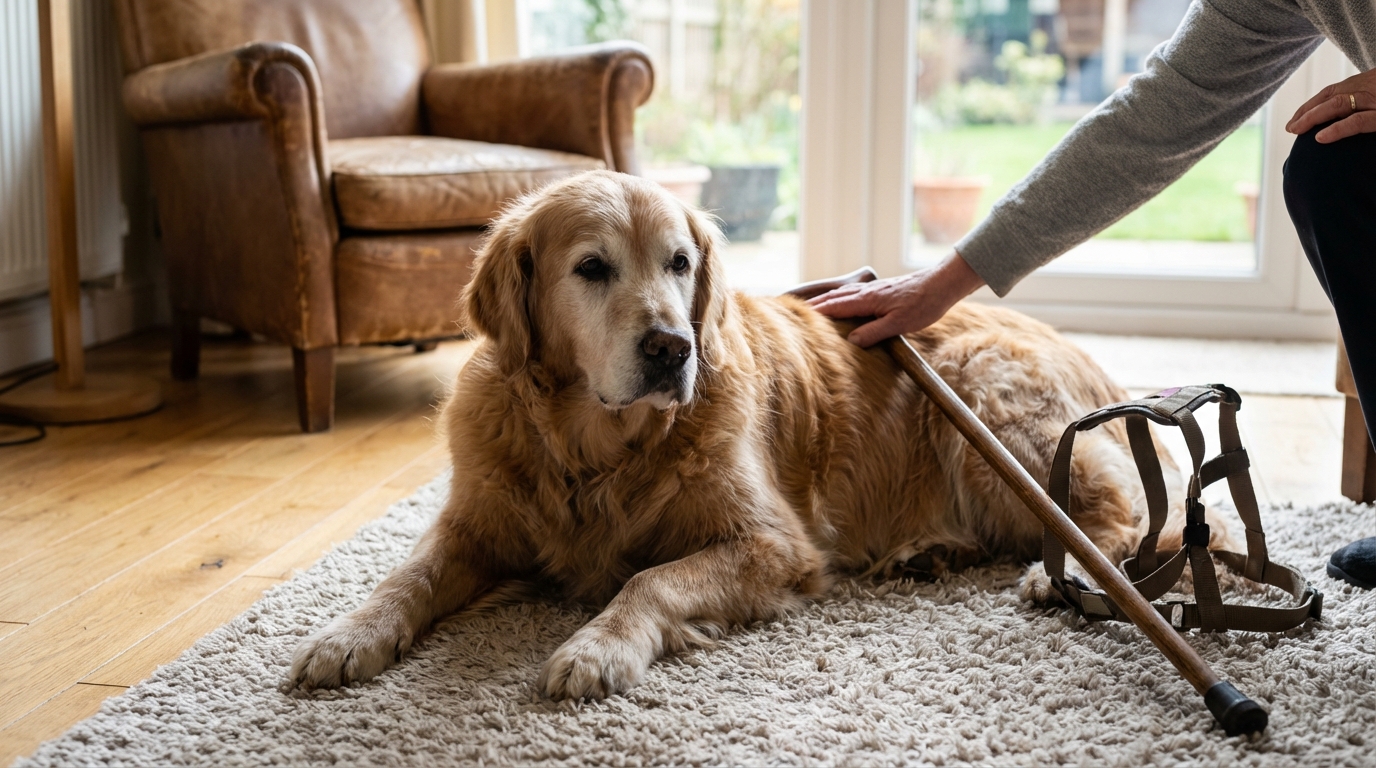
As cherished members of our families, pets bring immense joy and companionship throughout their lives. Just like humans, our animal companions experience a natural aging process that brings about various physiological changes. Among the most noticeable and impactful of these changes are those affecting their mobility. Understanding how pets age and recognizing the subtle to overt signs of mobility decline is crucial for providing compassionate and effective care, ensuring their comfort and maintaining a good quality of life during their senior years.
This post will delve into the science behind pet aging, help identify key indicators of mobility issues, explore common underlying causes, and outline practical strategies to support aging pets experiencing these changes. By being informed and proactive, pet owners can better navigate this phase of their pet’s life journey.
The Physiology of Pet Aging
Aging is a complex biological process characterized by a gradual decline in bodily functions and an increased susceptibility to disease. While the specific timeline varies significantly between species and breeds – for instance, a Great Dane may be considered senior at 6-7 years, while a Miniature Poodle might not reach that stage until 10-12 years – the underlying cellular and systemic changes are universal.
- Cellular Degeneration: Over time, cells accumulate damage from metabolic processes and environmental factors. This leads to reduced cell repair capabilities and a decline in tissue and organ function.
- Reduced Organ Function: Kidneys, liver, heart, and lungs become less efficient. This can impact overall energy levels, metabolism, and the body’s ability to cope with stress or illness.
- Slower Metabolism: Older pets often require fewer calories as their metabolic rate decreases, and they tend to be less active. This makes weight management particularly important.
- Musculoskeletal Changes: Bones can become more brittle, muscles lose mass and strength (sarcopenia), and joints experience wear and tear, leading to conditions like osteoarthritis.
- Nervous System Changes: Brain function can decline, affecting memory, learning, and behavior. Nerves transmitting signals to muscles may also become less efficient.
- Immune System Weakening: The immune system becomes less robust, making older pets more vulnerable to infections and slower to recover.
The term “senior” or “geriatric” generally refers to the last 25-30% of an animal’s anticipated lifespan. During this period, owners are encouraged to observe their pets more closely and schedule more frequent veterinary check-ups to monitor for age-related conditions.
Recognizing Early Signs of Mobility Changes
Identifying mobility issues early is key to managing them effectively. These signs can be subtle at first, easily dismissed as “just aging,” but they often indicate discomfort or pain that warrants attention.
Subtle Behavioral Shifts
- Hesitation: A reluctance to jump onto furniture, climb stairs, or get into a car that they once did with ease.
- Reduced Activity: Playing less, shorter walks, or a general decrease in enthusiasm for activities they previously enjoyed.
- Increased Sleeping: More time spent resting or sleeping, or difficulty finding a comfortable position.
- Difficulty Rising: Struggling to stand up after lying down for a period, often accompanied by stiffness.
- Changes in Grooming: For cats, difficulty reaching certain areas to groom can lead to matted fur. For all pets, over-grooming a painful area may occur.
Physical Indicators
- Stiffness: Noticeable stiffness, especially after periods of rest or in the morning. This may improve slightly with movement.
- Changes in Gait: A shuffling walk, limping, uneven steps, or a sway in the hindquarters. They might take shorter steps or drag their paws.
- Muscle Atrophy: A visible loss of muscle mass, particularly in the hind limbs. The legs may appear thinner.
- Trembling or Weakness: Shaking or trembling, especially when standing or holding a position, indicating muscle weakness or pain.
- Changes in Posture: A hunched back, tucked tail, or shifting weight to avoid putting pressure on a painful limb.
Common Causes of Mobility Decline
While aging itself contributes to reduced mobility, specific medical conditions are often the primary drivers of significant changes.
Osteoarthritis (Degenerative Joint Disease)
This is perhaps the most prevalent cause of mobility issues in aging pets. It involves the progressive breakdown of cartilage within joints, leading to bone-on-bone friction, inflammation, and pain. It can affect any joint but is most common in the hips, knees, elbows, shoulders, and spine. Arthritis pain is often worse in cold, damp weather or after periods of inactivity.
Neurological Conditions
- Degenerative Myelopathy (DM): A progressive disease of the spinal cord, particularly common in certain dog breeds, leading to hind limb weakness and paralysis. It is not painful but causes significant mobility loss.
- Spondylosis Deformans: A condition where bone spurs (osteophytes) develop along the vertebrae of the spine. These spurs can fuse vertebrae, reducing flexibility and potentially impinging on nerves, causing pain or weakness.
- Intervertebral Disc Disease (IVDD): Degeneration of the discs between the vertebrae can lead to disc herniation, compressing the spinal cord and causing pain, weakness, or paralysis.
Muscle Atrophy and Weakness (Sarcopenia)
Age-related muscle loss, known as sarcopenia, affects virtually all aging animals. This natural decline in muscle mass and strength is exacerbated by reduced activity, creating a vicious cycle where less movement leads to more muscle loss, further limiting mobility.
Other Contributing Factors
- Weight Management Issues: Excess body weight places increased stress on joints, accelerating degenerative changes and exacerbating pain from conditions like arthritis.
- Systemic Illnesses: Conditions like heart disease, kidney disease, or diabetes can cause generalized weakness, fatigue, and reduced endurance, indirectly affecting mobility.
- Previous Injuries: Old injuries, even those long healed, can predispose a joint or limb to age-related degenerative changes.
- Cancer: Bone tumors or tumors pressing on nerves can cause pain and lameness.
Strategies for Supporting Aging Pets with Mobility Challenges
A multi-faceted approach, often in collaboration with a veterinarian, is generally the most effective way to support aging pets with mobility issues.
Veterinary Care and Diagnostics
- Regular Check-ups: Senior pets benefit from semi-annual or annual veterinary visits for early detection and management of age-related conditions.
- Diagnostic Imaging: X-rays can help diagnose arthritis, spondylosis, or other bone abnormalities. MRI or CT scans may be used for more detailed soft tissue or neurological assessments.
- Pain Management: Veterinarians can prescribe various medications to manage pain and inflammation, including non-steroidal anti-inflammatory drugs (NSAIDs), gabapentin, or other pain relievers. They may also discuss joint support supplements containing ingredients like glucosamine, chondroitin, and omega-3 fatty acids, or injectable joint health treatments.
Environmental Adaptations
Modifying the home environment can significantly improve an aging pet’s comfort and safety.
- Non-Slip Surfaces: Place rugs or runners on slippery floors (hardwood, tile) to provide traction and prevent falls.
- Ramps or Steps: Provide ramps or pet stairs to help them access furniture, beds, or vehicles safely, reducing the strain on their joints.
- Accessible Resources: Ensure food, water, and litter boxes are easily accessible without requiring jumps or excessive climbing. For cats, lower-sided litter boxes can be beneficial.
- Comfortable Bedding: Orthopedic beds provide better support for aching joints and can help alleviate pressure points.
- Night Lights: Senior pets may have diminished vision; night lights can help them navigate in the dark.
Controlled Exercise and Physical Therapy
Maintaining appropriate activity levels is crucial for muscle strength and joint flexibility.
- Gentle, Regular Walks: Shorter, more frequent walks on soft surfaces can help maintain muscle tone without over-straining joints.
- Hydrotherapy: Swimming or underwater treadmill therapy can provide low-impact exercise, building muscle mass and improving range of motion without bearing full weight.
- Range of Motion Exercises: Gentle, passive movements of joints (as instructed by a veterinarian or qualified therapist) can help maintain flexibility.
- Massage: Gentle massage can improve circulation, reduce muscle tension, and provide comfort.
Nutritional Considerations
- Weight Management: Maintaining a healthy body weight is paramount. Overweight pets experience increased stress on their joints, exacerbating pain and mobility issues. Your veterinarian can help determine an ideal weight and appropriate diet.
- Senior-Specific Diets: Many diets are formulated for older pets, often containing controlled calorie levels, increased fiber, and ingredients designed to support joint health (e.g., omega-3 fatty acids, antioxidants, joint support nutrients).
Emotional Support and Quality of Life
- Patience and Understanding: Recognize that your pet may move slower, have accidents, or require more assistance. Patience and reassurance are vital.
- Maintain Routine: A consistent daily schedule can reduce stress and anxiety in aging pets.
- Mental Stimulation: While physical activity may be limited, continue to engage their minds with puzzle toys, gentle play, or new scents during walks.
Conclusion
The journey of pet aging and the accompanying mobility changes is a natural part of life. By understanding the physiological processes at play, vigilantly observing for early signs of discomfort, and collaborating closely with veterinary professionals, pet owners can provide comprehensive and compassionate care. Environmental adjustments, tailored exercise regimens, appropriate nutrition, and consistent veterinary oversight are all critical components in supporting an aging pet’s mobility and overall well-being. With proactive management and a focus on maintaining comfort and dignity, we can ensure our beloved companions continue to enjoy a fulfilling and pain-managed life during their golden years.
Frequently Asked Questions (FAQs)
1. At what age is a pet considered senior?
The age at which a pet is considered senior varies significantly by species and breed. For dogs, smaller breeds may be senior around 10-12 years, while large and giant breeds can be considered senior as early as 6-7 years. Cats generally enter their senior years around 10-12 years of age, with some living well into their late teens or twenties. Your veterinarian can provide specific guidance based on your individual pet’s characteristics.
2. What’s the difference between normal aging stiffness and pain from a medical condition?
Normal aging might involve a slight decrease in overall energy or a moment of stiffness after a long nap, which quickly resolves with movement. However, if stiffness is persistent, causes a visible limp, leads to a reluctance to move, or is accompanied by vocalization (whimpering, growling), shaking, or significant behavioral changes, it’s likely indicative of pain from an underlying medical condition like arthritis. Any consistent signs of discomfort should prompt a veterinary visit.
3. How can I make my home safer for an aging pet with mobility issues?
Making your home safer involves several steps: place non-slip rugs on hard floors, use ramps or pet stairs for accessing furniture or vehicles, ensure food/water bowls and litter boxes are easily reachable, provide orthopedic bedding for comfort, and consider night lights for navigation in the dark, especially if their vision is declining. Clear pathways and remove clutter that could be tripping hazards.
4. Can exercise help an aging pet with joint problems?
Yes, appropriate and controlled exercise is highly beneficial for aging pets with joint problems. It helps maintain muscle strength to support joints, improves flexibility, and aids in weight management. However, the type and intensity of exercise must be tailored to the pet’s condition. Gentle, regular walks, swimming (hydrotherapy), and specific physical therapy exercises prescribed by a veterinarian or certified rehabilitation specialist are often recommended to avoid over-straining compromised joints.
5. What are some signs that my pet’s quality of life is declining significantly due to mobility?
Signs of significantly declining quality of life due to mobility issues include chronic, unmanaged pain despite medication, inability to perform basic functions like eating, drinking, or eliminating without extreme difficulty, loss of interest in favorite activities, constant restlessness or inability to get comfortable, or a general loss of joy and interaction. If your pet’s bad days consistently outweigh their good days, and their comfort cannot be maintained, it’s crucial to have an open discussion with your veterinarian about their overall well-being and potential end-of-life considerations.

Diana Miller, is a dedicated nature enthusiast and an outdoor adventurer. She began leading groups for excursions in her teens and never stopped. Following her passion for nature, she gathers her friends for outdoor trips every now and then. And for the last 10 years, she has executed workshops on backpacking, snow kayaking and traveling that included her main motive of lightweight packing while outdoors. During leisure, she loves planning for her next adventure.