
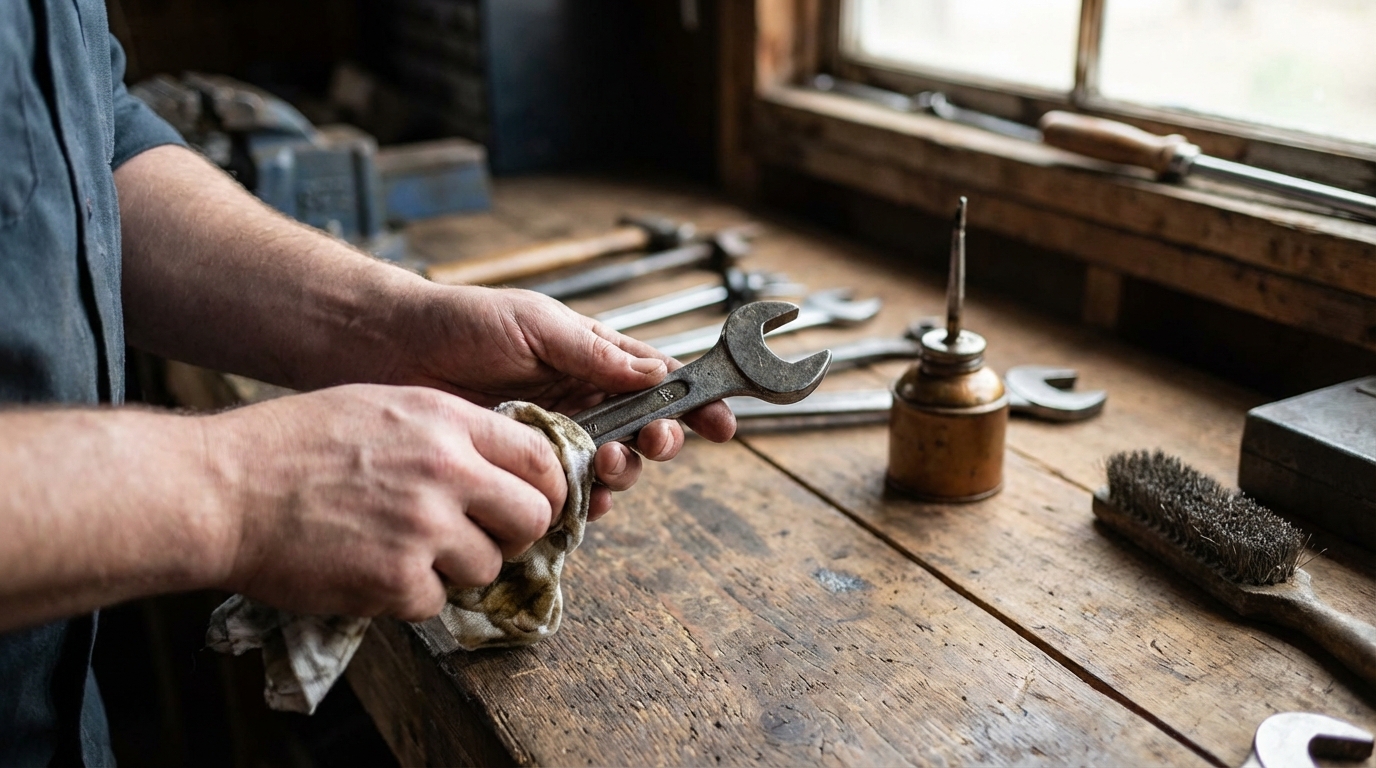
Tools are fundamental instruments across various domains, from professional trades to home DIY projects and gardening. Their functionality and longevity are directly tied to how well they are cared for. Implementing a systematic approach to tool maintenance is not merely about preserving the equipment; it’s also about ensuring safety, optimizing performance, and maximizing the return on investment. This post explores the core principles and practices of tool maintenance, providing a comprehensive guide to keeping your equipment in optimal working condition.
Why Tool Maintenance Matters
Consistent tool maintenance yields numerous benefits that extend beyond the lifespan of the tools themselves.
- Enhanced Safety: A well-maintained tool is safer to operate. Worn parts, dull edges, or loose components can lead to accidents. Regular checks and servicing mitigate these risks.
- Prolonged Lifespan: Tools are subject to wear and tear. Cleaning, lubrication, and prompt repair of minor issues can significantly extend their operational life, delaying costly replacements.
- Optimized Performance: Tools perform more effectively when in good condition. Sharp blades cut cleanly, calibrated instruments provide accurate readings, and smooth-running mechanisms operate efficiently, leading to better project outcomes.
- Cost Efficiency: Maintenance prevents costly repairs and premature replacements, proving more economical in the long run. Addressing minor issues before they escalate saves significant expense.
- Preservation of Value: For many, tools represent a significant investment. Diligent maintenance helps preserve this value, maintaining functionality and appearance over time.
Fundamental Principles of Tool Maintenance
Effective tool maintenance is built upon several core practices that apply broadly across different tool types.
Cleaning
Regular cleaning is the foundational step in tool care. Dirt, dust, debris, sap, grease, and other residues can accumulate, leading to corrosion, clogging, and impaired function.
- Process: After each use, wipe down tools with a clean cloth. For stubborn grime, use appropriate cleaning agents, ensuring compatibility with the tool material.
- Drying: Always ensure tools are thoroughly dry before storage, especially metal tools, to prevent rust.
Lubrication
Moving parts require lubrication to reduce friction, prevent wear, and inhibit rust.
- Application: Apply appropriate lubricants (e.g., machine oil, grease, silicone spray) to hinges, pivots, gears, and other moving components. Consult manufacturer guidelines.
- Frequency: Lubrication frequency depends on tool usage and environmental conditions. Tools used in dusty or wet environments may require more frequent attention.
Sharpening and Honing
For cutting tools, maintaining a keen edge is critical for effective and safe operation. Dull tools require more force, leading to fatigue and a greater risk of slipping.
- Process: Use appropriate sharpening stones, files, or grinding wheels according to the tool type and blade material, maintaining the original bevel angle.
- Frequency: Sharpening should be performed as soon as a blade shows signs of dullness. Honing can maintain the edge between full sharpenings.
Adjustment and Calibration
Precision tools, such as measuring devices or levels, often require periodic adjustment or calibration to ensure accuracy.
- Accuracy Check: Regularly check the accuracy of these tools against known standards or reliable instruments.
- Correction: Follow manufacturer instructions for adjusting or calibrating. For highly specialized tools, professional calibration services might be necessary.
Storage
Proper storage protects tools from environmental damage and physical harm.
- Environment: Store tools in a dry, temperature-controlled environment away from direct sunlight and excessive humidity.
- Organization: Use toolboxes, racks, or drawers to store tools neatly. Keep cutting edges protected and prevent tools from knocking against each other.
- Protection: For tools prone to rust, apply a light coat of oil or rust preventative before long-term storage.
Inspection
Routine inspection is key to identifying potential problems before they escalate.
- Visual Check: Before and after each use, visually inspect tools for signs of damage, wear, corrosion, cracks, or loose components.
- Functional Check: Briefly operate the tool to ensure all mechanisms move freely and operate as expected. Address any issues promptly.
Specific Considerations for Different Tool Types
While the fundamental principles apply broadly, specific tool categories may require tailored maintenance approaches.
Hand Tools
General hand tools like wrenches, screwdrivers, hammers, and pliers primarily benefit from cleaning, occasional lubrication of pivot points, and proper storage to prevent rust and loss. Inspect handles for cracks or looseness.
Power Tools
Power tools introduce electrical and mechanical complexities.
- Electrical Safety: Always disconnect power before any maintenance. Inspect cords for fraying or damage.
- Motor Care: Keep ventilation vents clear of dust and debris to prevent overheating. Some motors may require brush checks.
- Moving Parts: Lubricate gears and bearings as specified by the manufacturer.
- Attachments: Ensure chucks, blades, and bits are clean, sharp, and securely fastened.
Precision Tools
Tools such as micrometers, calipers, levels, and multimeters demand meticulous care.
- Handling: Avoid dropping or subjecting them to impacts, which can throw them out of calibration.
- Calibration: Adhere strictly to calibration schedules.
- Protection: Store them in their protective cases when not in use, keeping them free from dust and extreme temperature fluctuations.
Garden Tools
Garden tools are exposed to dirt, moisture, sap, and corrosive plant acids.
- Aggressive Cleaning: Clean thoroughly after each use, removing all soil and plant residue. Sap can be removed with appropriate solvents.
- Rust Prevention: Dry metal parts completely and apply a rust-inhibiting oil, especially before seasonal storage.
- Sharpening: Pruning shears, shovels, hoes, and mower blades require regular sharpening.
Establishing a Maintenance Schedule
A consistent maintenance schedule helps ensure that tools receive timely care.
- After Each Use: Basic cleaning, drying, and a quick visual inspection.
- Weekly/Bi-Weekly (for frequent users): More thorough cleaning, light lubrication, and functional checks.
- Monthly/Quarterly: Detailed inspection, sharpening, lubrication of all moving parts, and adjustment/calibration checks.
- Annually/Seasonally (for less frequent tools): Comprehensive overhaul, rust treatment, detailed lubrication, and preparation for storage or upcoming use.
- Documentation: Keeping a simple log or checklist can be helpful, especially for a large collection of tools or professional equipment, to track maintenance dates and tasks.
Safety Practices in Tool Maintenance
Safety should always be paramount when performing tool maintenance.
- Personal Protective Equipment (PPE): Wear appropriate PPE, such as safety glasses, gloves, and respirators, depending on the task.
- Power Disconnection: For power tools, always unplug them from their power source before cleaning, inspecting, or performing any adjustments.
- Secure Workpiece: When sharpening or performing tasks that involve potential movement, ensure the tool is securely clamped or held.
- Read Manuals: Always refer to the manufacturer’s manual for specific safety instructions and maintenance procedures.
Conclusion
Understanding and applying sound tool maintenance principles is an investment that pays dividends in safety, performance, and financial savings. By diligently cleaning, lubricating, sharpening, adjusting, storing, and inspecting your tools, you ensure they remain reliable instruments ready for any task. A proactive approach to care not only extends the life of your equipment but also fosters a safer and more efficient working environment, empowering you to achieve superior results with every project.
Frequently Asked Questions (FAQs)
Q1: How often should I clean my tools?
A1: It is recommended to perform basic cleaning after every use. This removes immediate dirt and debris, preventing accumulation and potential damage or corrosion. More thorough cleaning can be done periodically based on usage.
Q2: What type of lubricant should I use for general-purpose tools?
A2: For general-purpose tools with moving parts like hinges or pivot points, a light machine oil or a silicone-based lubricant is often suitable. Always refer to the tool manufacturer’s recommendations, as specific materials may require particular lubricants.
Q3: Can I sharpen all cutting tools with the same method?
A3: No, different cutting tools require specific sharpening methods and tools. Garden shears might use a file, while precision knives might use sharpening stones with specific grits, and specialized blades often require professional service.
Q4: How important is proper tool storage?
A4: Proper storage is critically important. It protects tools from environmental factors like moisture and dust, prevents physical damage from impacts, and keeps them organized. This contributes significantly to extending their lifespan and maintaining functionality.
Q5: What should I do if a tool appears damaged or faulty during inspection?
A5: If a tool appears damaged or faulty, do not use it. Assess the damage; if it’s a minor issue like a loose screw, repair it according to manufacturer guidelines. For significant damage or internal issues, consider professional repair or replacement to ensure safety.

Diana Miller, is a dedicated nature enthusiast and an outdoor adventurer. She began leading groups for excursions in her teens and never stopped. Following her passion for nature, she gathers her friends for outdoor trips every now and then. And for the last 10 years, she has executed workshops on backpacking, snow kayaking and traveling that included her main motive of lightweight packing while outdoors. During leisure, she loves planning for her next adventure.