
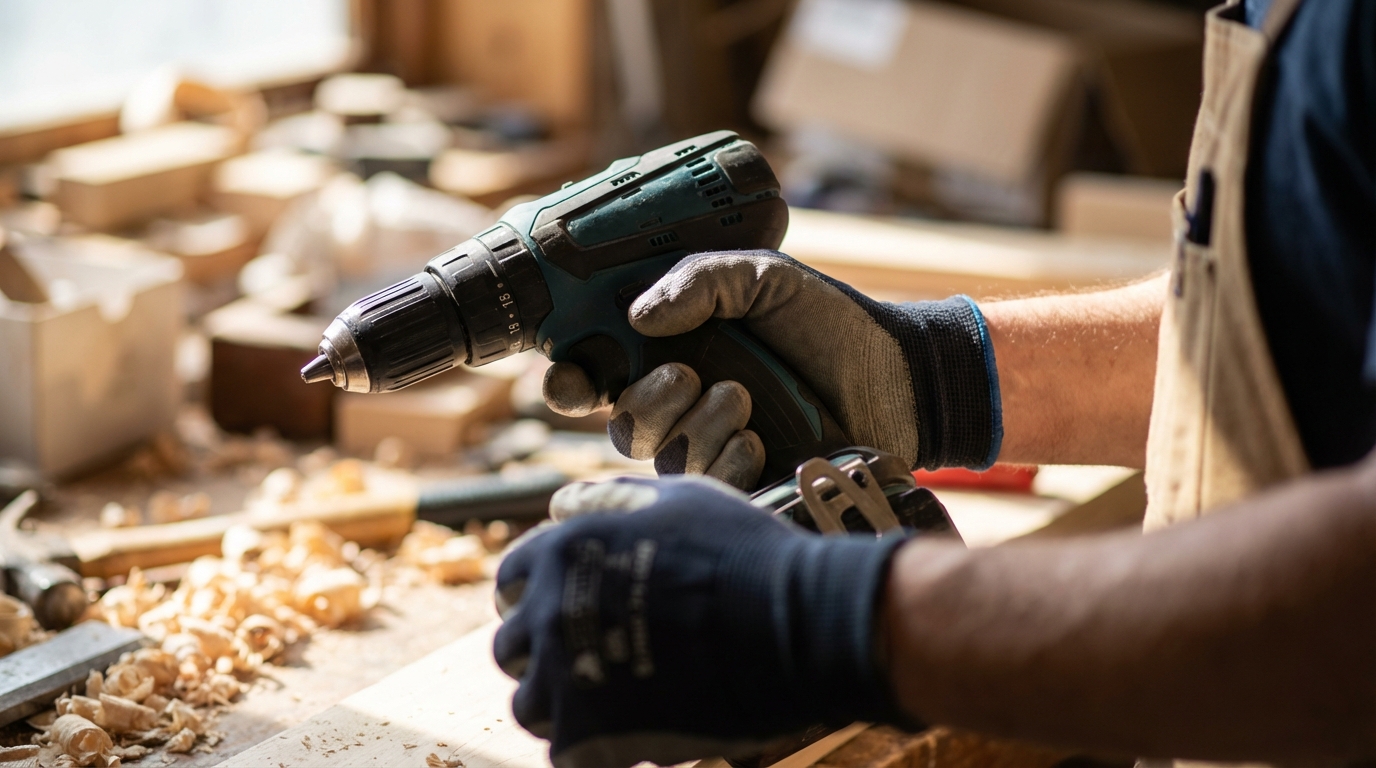
The interaction between a user and their tools is a fundamental aspect of many professions and everyday tasks. This interaction significantly influences not only the efficiency of the work but also the well-being of the individual. Ergonomics, the science of designing and arranging workplaces, products, and systems so that they fit the people who use them, plays a pivotal role in optimizing this relationship, particularly in the context of tool handling. By focusing on the physical capabilities and limitations of the human body, ergonomic design aims to minimize discomfort, prevent injuries, and enhance overall performance.
This exploration will delve into the principles of ergonomics as applied to tools, examining how careful design considerations can transform a mundane or strenuous task into a more comfortable, safer, and ultimately more productive experience.
What is Ergonomics?
Ergonomics is a multidisciplinary field that seeks to optimize human well-being and system performance. At its core, it’s about making work fit the person, rather than forcing the person to fit the work. When applied to tools, this means designing implements that complement human anatomy, physiology, and psychology.
- Anthropometry: Deals with human body measurements (size, strength, range of motion).
- Biomechanics: Focuses on the mechanics of living organisms, particularly how muscles, bones, tendons, and ligaments work together.
- Physiology: Considers how the body functions and adapts to physical demands, such as energy expenditure and fatigue.
The goal is to reduce physical and cognitive stressors, thereby preventing musculoskeletal disorders (MSDs), reducing fatigue, and improving operational effectiveness.
Principles of Ergonomic Tool Design
Effective ergonomic tool design incorporates several key principles to address various aspects of user interaction:
Handle Design
- Grip Size and Shape: Handles should accommodate the natural curve of the hand, providing a full and secure grip without requiring excessive force. Oversized or undersized handles can lead to awkward postures and increased muscle strain.
- Material and Texture: Non-slip, compliant materials (like certain rubbers or textured plastics) can improve grip security, reduce the need for forceful gripping, and absorb some vibration. Materials that conduct heat or cold excessively should generally be avoided.
- Finger Grooves: While sometimes intended for comfort, fixed finger grooves can be problematic if they don’t match the user’s hand size. Designs that allow for varied grip positions are often more adaptable.
Weight and Balance
The distribution of a tool’s mass is as important as its overall weight. A well-balanced tool reduces the effort required to maneuver and control it, minimizing strain on the wrist, arm, and shoulder. For instance, tools with their center of gravity close to the grip point can feel lighter and are easier to operate for extended periods.
Tool Activation and Controls
Triggers, buttons, and switches should be easy to reach and activate without requiring excessive force or awkward finger positions. Large, multi-finger triggers distribute pressure more evenly than small, single-finger triggers. The force required to actuate a control should be minimal to prevent muscle fatigue in the fingers and hand.
Vibration Reduction
Excessive vibration from power tools can lead to Hand-Arm Vibration Syndrome (HAVS) and other circulation or nerve disorders. Ergonomic designs incorporate vibration-damping materials, isolation mounts, and suspension systems within the tool’s handle or body to absorb and dissipate these harmful frequencies.
Reach and Posture
Tools should be designed to allow users to maintain neutral postures of the wrist, arm, and shoulder. This often involves angled handles or specialized designs that prevent wrists from being bent or twisted excessively. Maintaining neutral postures minimizes stress on joints and tendons.
Repetitive Motion Mitigation
For tasks involving highly repetitive actions, tools can be designed to automate parts of the process, reduce the number of repetitions, or distribute the workload across different muscle groups. Features like spring-loaded returns for manual tools or automated feeders can significantly reduce repetitive strain.
How Ergonomics Enhances Tool Handling
The application of these principles yields tangible benefits for individuals and organizations:
Reduced Physical Strain and Fatigue
Ergonomically designed tools require less physical effort to operate. By aligning the tool with the body’s natural mechanics, they reduce the stress on muscles, tendons, and joints. This leads to less muscle fatigue, allowing users to work more comfortably and for longer durations without experiencing discomfort.
Injury Prevention
One of the primary aims of ergonomic tool design is to prevent work-related musculoskeletal injuries. These include conditions like carpal tunnel syndrome, tendonitis, epicondylitis (tennis elbow), and repetitive strain injuries (RSIs). By eliminating awkward postures, reducing excessive force requirements, mitigating vibration, and minimizing repetitive motions, ergonomic tools significantly lower the risk of developing such conditions.
Increased Comfort and Control
A tool that feels natural in the hand enhances comfort. This comfort translates directly into improved control over the tool, leading to greater precision and accuracy in tasks. A secure and comfortable grip reduces the likelihood of the tool slipping or being used improperly, which can further prevent accidents.
Improved Efficiency and Productivity
When users are comfortable and experience less fatigue, their ability to concentrate and perform tasks effectively improves. Reduced discomfort means fewer breaks needed due to pain, sustained work rates, and a lower incidence of errors. This collective improvement in user well-being directly contributes to enhanced productivity and overall operational efficiency.
Enhanced Safety
Beyond preventing chronic injuries, ergonomic tools also contribute to immediate safety. Improved grip and control reduce the risk of accidental slips, drops, or improper handling that could lead to acute injuries. Less fatigue also means workers remain more alert and less prone to errors that could compromise safety.
Applying Ergonomic Principles in Practice
Integrating ergonomics into tool handling isn’t just about the tool itself; it involves a holistic approach:
- Task Analysis: Understand the specific demands of the task, the environment, and the user’s physical characteristics.
- Tool Selection: Prioritize tools that feature appropriate handle designs, balanced weight, easy-to-operate controls, and vibration reduction.
- Proper Training: Ensure users are trained on the correct techniques for handling tools, including maintaining neutral postures and understanding the tool’s ergonomic features.
- Workstation Setup: Optimize the surrounding workspace to complement ergonomic tool use. This includes appropriate work surface height, lighting, and accessibility of materials.
- Rotation and Breaks: Implement work-rest schedules and task rotation to vary muscle use and allow for recovery, particularly in highly repetitive or strenuous tasks.
The Impact of Poor Tool Ergonomics
Conversely, neglecting ergonomic considerations in tool design and usage can lead to significant negative consequences:
- Increased Risk of Injury: High prevalence of musculoskeletal disorders, leading to pain, disability, and reduced quality of life for workers.
- Decreased Productivity: Slower work rates, increased errors, and higher absenteeism due to injuries or discomfort.
- Higher Costs: Medical expenses, workers’ compensation claims, costs associated with training new or replacement workers, and legal fees.
- Reduced Morale: Discomfort and injury can lead to dissatisfaction, reduced engagement, and a negative perception of the work environment.
Conclusion
Ergonomics is far more than a specialized design consideration; it is a fundamental approach to creating tools that truly serve their users. By meticulously designing tools to align with human anatomy and capabilities, the benefits ripple across comfort, safety, efficiency, and overall well-being. From handle design and weight distribution to vibration control and activation mechanisms, every ergonomic feature contributes to minimizing strain, preventing injuries, and enabling users to perform their tasks more effectively and comfortably. Embracing ergonomic principles in tool selection and usage is an investment in human health and operational excellence, fostering a safer, more productive, and more sustainable work environment for all.
FAQs
Q: What are some common injuries prevented by ergonomic tools?
A: Ergonomic tools are designed to prevent various musculoskeletal disorders (MSDs) such as carpal tunnel syndrome, tendonitis (e.g., epicondylitis or “tennis elbow”), hand-arm vibration syndrome (HAVS), tenosynovitis, and other forms of repetitive strain injuries (RSIs) that can affect the hands, wrists, arms, shoulders, and even the neck and back.
Q: How does vibration affect tool users, and how do ergonomic tools address it?
A: Prolonged exposure to vibration from power tools can disrupt blood circulation, damage nerves, and affect muscles and joints in the hands and arms, leading to conditions like Hand-Arm Vibration Syndrome (HAVS). Ergonomic tools incorporate vibration-damping materials, isolation mounts, and balanced internal components to absorb and dissipate vibration before it reaches the user’s hands, thereby reducing exposure.
Q: Is tool weight the only factor in ergonomic design?
A: No, tool weight is an important factor, but it’s not the only one. The distribution of weight (balance) is often equally critical, as a well-balanced tool can feel lighter and be easier to control than an unbalanced lighter tool. Other key factors include handle design (size, shape, material), activation mechanisms, vibration levels, and how the tool allows for neutral body postures.
Q: Can existing tools be made more ergonomic, or must one purchase new ones?
A: While purchasing new, purpose-built ergonomic tools is often the most effective solution, some existing tools can be improved. Modifications might include adding cushioned or anti-vibration grips, using tool balancers or supports to reduce static load, or adjusting workstation setups to improve posture. However, fundamental design flaws might necessitate replacing the tool.
Q: Who benefits most from ergonomic tools?
A: Everyone who uses tools can benefit from ergonomic design, but those who perform repetitive tasks, work with power tools frequently, or exert significant force during their tasks stand to benefit most. This includes professionals in manufacturing, construction, automotive repair, landscaping, and even hobbyists, as ergonomic tools reduce the risk of injury and enhance comfort and efficiency for all users.

Diana Miller, is a dedicated nature enthusiast and an outdoor adventurer. She began leading groups for excursions in her teens and never stopped. Following her passion for nature, she gathers her friends for outdoor trips every now and then. And for the last 10 years, she has executed workshops on backpacking, snow kayaking and traveling that included her main motive of lightweight packing while outdoors. During leisure, she loves planning for her next adventure.