
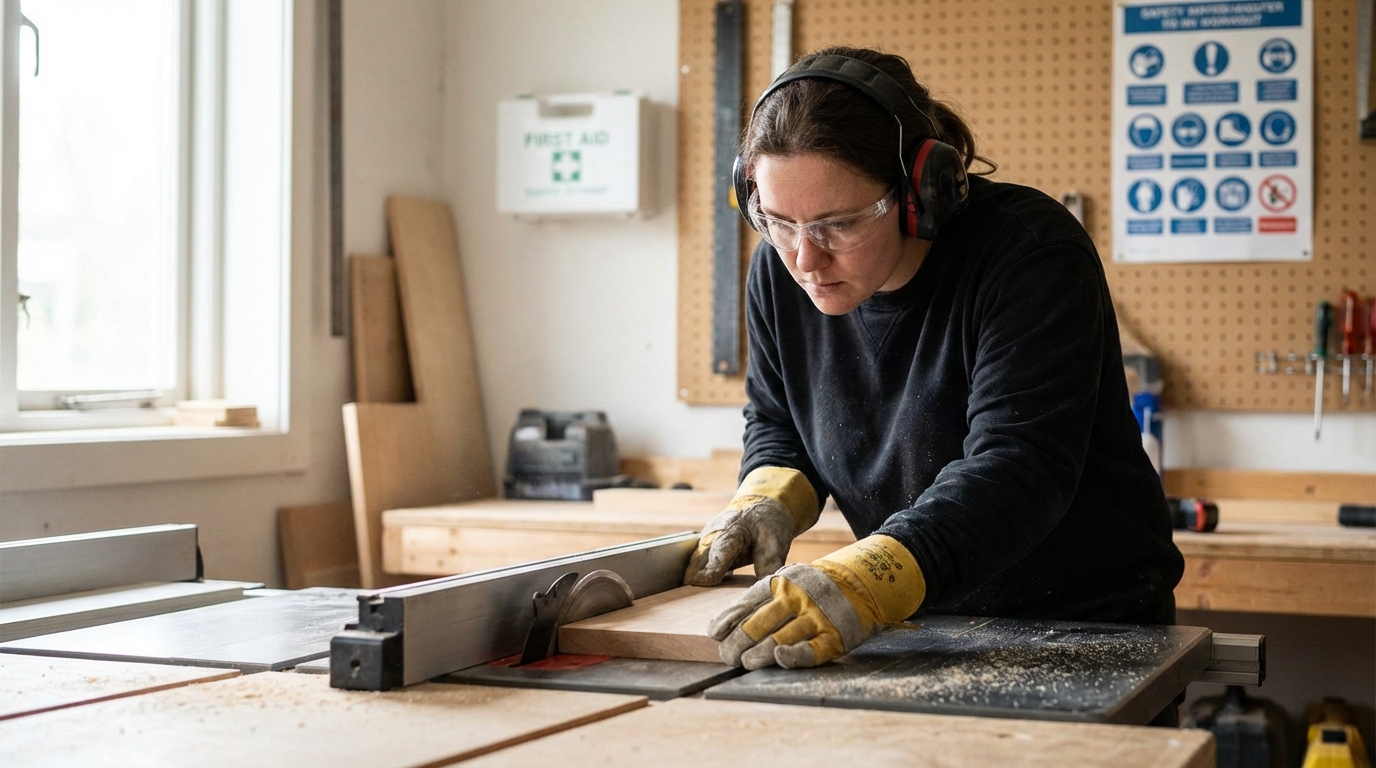
Tools are indispensable in countless aspects of life, from professional trades to household tasks. They empower us to build, repair, and create, significantly enhancing efficiency and capability. However, this power comes with an inherent responsibility. When tools are not used correctly, they can transform from helpful aids into sources of significant risk, leading to various injuries. Understanding and adhering to proper tool usage protocols is not merely a recommendation; it is a fundamental pillar of safety that directly prevents accidents and protects individuals from harm. This post delves into the critical reasons why a diligent approach to tool handling is paramount for injury prevention.
Understanding the Risks Associated with Tool Misuse
The potential for injury exists with virtually every tool, whether it’s a simple screwdriver or a complex power saw. Ignoring established safety practices dramatically elevates this risk. Accidents often stem from a combination of factors, but improper tool use is frequently at the core.
Common Types of Injuries
- Cuts and Lacerations: Sharp edges of blades, saws, chisels, or even dull tools requiring excessive force can easily cause deep cuts.
- Punctures: Nails, awls, drills, or splinters from mishandled wood can lead to painful and potentially infected puncture wounds.
- Crushing Injuries: Heavy tools falling, objects being struck by a hammer’s rebound, or improper clamping can result in crushing of fingers, hands, or feet.
- Impact Injuries: Flying debris from grinding, hammering, or sawing, or tools slipping and striking the user, can cause contusions, fractures, or severe eye damage.
- Repetitive Strain Injuries (RSIs): Prolonged use of tools with poor ergonomics, incorrect grip, or repetitive motions can lead to conditions like carpal tunnel syndrome, tendonitis, or muscle strains.
- Burns: From hot power tool components, friction, or electrical shorts due to damaged cords.
- Electrical Shocks: Damaged power tool cords, using tools in wet conditions, or improper grounding can lead to electrocution.
Factors Contributing to Accidents
Beyond the direct action of misuse, several contributing factors heighten the likelihood of tool-related incidents:
- Inadequate Training: Lack of knowledge regarding a tool’s operation, safety features, and limitations.
- Wrong Tool for the Job: Using a tool for a purpose it wasn’t designed for can lead to damage to the tool, the workpiece, or the user.
- Fatigue and Distraction: Reduced concentration impairs judgment and reaction time, making accidents more probable.
- Inattention to Surroundings: Failing to notice other people, obstacles, or unstable surfaces in the work area.
- Defective or Damaged Tools: Using tools that are worn out, broken, or improperly maintained.
- Bypassing Safety Features: Disabling guards or interlocks on power tools to save time or for perceived convenience.
The Foundation of Safe Tool Operation
Preventing injuries begins long before a tool is even picked up. It involves a systematic approach to preparation, selection, and personal protection.
Selecting the Appropriate Tool
The first step in safe tool use is choosing the correct tool for the specific task at hand. Using a screwdriver as a chisel or pliers as a hammer are common examples of misuse that can damage the tool, the workpiece, and potentially cause injury. Tools are designed with specific functions, materials, and forces in mind. Understanding these design parameters and limitations is crucial.
Pre-Use Inspections
Before any tool is used, a quick yet thorough inspection is vital. This involves checking for:
- Wear and Tear: Are cutting edges dull? Are handles loose or cracked?
- Damage: Are there bent parts, frayed cords, or missing components?
- Functionality: Do moving parts operate smoothly? Do safety guards engage correctly?
Identifying and addressing these issues before use can prevent a tool from failing catastrophically during operation, which often leads to injury.
Personal Protective Equipment (PPE)
Even with proper tool use, unforeseen circumstances can arise. PPE acts as a critical last line of defense. The specific type of PPE required depends on the tool and the task, but common examples include:
- Eye Protection: Safety glasses or goggles shield against flying debris, sparks, and chemical splashes.
- Hand Protection: Gloves protect against cuts, abrasions, punctures, and certain chemicals, while also improving grip.
- Hearing Protection: Earplugs or earmuffs are essential when operating noisy power tools to prevent long-term hearing damage.
- Foot Protection: Steel-toed boots can prevent crushing injuries from falling objects or dropped tools.
- Head Protection: Hard hats are necessary in environments where there’s a risk of falling objects or head impacts.
PPE should always be worn correctly and maintained in good condition.
Techniques for Safe Manual Tool Use
Even the simplest hand tools require specific techniques to be used safely and effectively, minimizing strain and preventing accidents.
Ergonomics and Body Mechanics
Proper body positioning, grip, and posture significantly reduce the risk of strain, fatigue, and loss of control. When using hand tools:
- Maintain a firm, comfortable grip, but avoid excessive force that can lead to fatigue or slippage.
- Keep your body balanced and stable, avoiding awkward positions that could lead to a fall or loss of control.
- Use your body weight and leverage effectively, rather than relying solely on muscle power, to reduce strain.
- Work in positions that minimize bending, twisting, and reaching excessively.
These principles help distribute forces appropriately and protect joints and muscles.
Maintaining Sharpness and Condition
A common misconception is that dull tools are safer. In reality, dull blades, chisels, or drill bits require significantly more force to operate. This increased effort can lead to:
- Slippage: The tool is more likely to slip from the workpiece or your grip.
- Loss of Control: The sudden release of built-up force can cause the tool to move uncontrollably.
- Fatigue: Exerting more effort leads to quicker fatigue, which compromises judgment and coordination.
Regular sharpening and maintenance ensure tools operate efficiently and safely, requiring less force and providing better control.
Secure Workpiece
Whether using a vise, clamps, or another securing method, ensuring the workpiece is stable and cannot shift during operation is critical. A moving workpiece can cause a tool to slip, leading to injury or damage. Always verify that the material is held firmly before applying force with any tool.
Principles for Safe Power Tool Operation
Power tools introduce additional layers of complexity and potential hazards due to their speed, force, and power sources. Adherence to strict safety protocols is non-negotiable.
Reading and Understanding Manufacturer Instructions
Every power tool comes with a user manual for a reason. These instructions contain specific safety warnings, operational guidelines, and maintenance procedures unique to that particular tool. Understanding these details, including how to operate safety features and what NOT to do, is paramount before initial use.
Power Source Management
Managing the power source effectively is a key safety practice:
- Disconnecting Power: Always unplug or remove the battery from a power tool before changing accessories, performing maintenance, or when the tool is not in use. This prevents accidental startup.
- Inspecting Cords and Plugs: Check power cords for cuts, fraying, or exposed wires, and plugs for damage. Damaged cords can cause electrical shock or fire.
- Proper Grounding: Ensure tools requiring grounding are properly connected to a grounded outlet to prevent electrical shock.
- Avoiding Wet Conditions: Never operate electrical tools in damp or wet environments unless they are specifically rated for such conditions, and always use a Ground Fault Circuit Interrupter (GFCI).
Guards and Safety Features
Power tools are often equipped with guards, interlocks, and other safety mechanisms designed to protect the user from moving parts, flying debris, or accidental starts. These features must never be removed, disabled, or bypassed. They are integral to the tool’s safe design.
Controlled Operation
Operating a power tool requires full attention and a stable posture. Maintain a firm grip on the tool, ensure your stance is balanced, and be aware of the tool’s movement and potential kickback. Allow the tool to reach its full operating speed before engaging the workpiece, and do not force it. Let the tool do the work, maintaining a steady, controlled pace.
Work Environment and Storage
The immediate surroundings and how tools are managed when not in use significantly impact overall safety.
Clear and Organized Workspaces
A cluttered workspace is an accident waiting to happen. Tripping hazards, tools falling from elevated surfaces, and obstacles obscuring pathways all increase the risk of injury. Keep work areas well-lit, free of debris, and organized. Ensure there is adequate space to maneuver safely while operating tools.
Proper Storage
When not in use, tools should be cleaned and stored correctly. This involves:
- Storing sharp or pointed tools in covers or designated holders to prevent accidental contact.
- Hanging tools securely or placing them in drawers/boxes where they won’t fall or create hazards.
- Keeping tools dry to prevent rust and deterioration.
- Storing power tools in their cases or designated areas, out of reach of children and unauthorized personnel.
Proper storage prolongs the life of tools and, critically, prevents injuries from accidental exposure or falling objects.
Conclusion
The message is clear: proper tool use is an unwavering safeguard against injuries. It encompasses a holistic approach involving careful tool selection, diligent maintenance, adherence to operational guidelines, the consistent use of personal protective equipment, and the cultivation of a safe work environment. By prioritizing education, vigilance, and respect for the potential energy contained within every tool, individuals can harness their capabilities safely and effectively, transforming potentially hazardous tasks into productive endeavors while minimizing the risk of harm. Safety is not an option; it is a fundamental requirement for anyone operating tools.
Frequently Asked Questions
Q1: Why is selecting the correct tool so important for injury prevention?
A1: Selecting the appropriate tool is crucial because each tool is designed for specific tasks and materials. Using the wrong tool can lead to excessive force, tool breakage, damage to the workpiece, or a loss of control, all of which significantly increase the risk of personal injury. Tools used outside their design parameters are inherently more unpredictable and dangerous.
Q2: What are some common types of injuries that can result from improper tool use?
A2: Improper tool use can lead to a wide range of injuries, including cuts and lacerations from sharp edges, puncture wounds from pointed tools, crushing injuries from heavy objects or impacts, and impact injuries from flying debris. Additionally, repetitive strain injuries (RSIs) can develop over time from poor ergonomics, and electrical shocks or burns are risks with power tools.
Q3: How does personal protective equipment (PPE) contribute to safety?
A3: Personal Protective Equipment (PPE) serves as a vital last line of defense against potential injuries. While proper tool use aims to prevent accidents, PPE mitigates the impact if an incident does occur. Items like safety glasses protect eyes from debris, gloves shield hands from cuts, and hearing protection safeguards against noise-induced hearing loss, thereby significantly reducing the severity of injuries.
Q4: Is it safer to use a dull tool or a sharp tool? Why?
A4: A sharp tool is generally safer than a dull one. Dull tools require significantly more force to achieve the desired effect, which increases the likelihood of the tool slipping from the workpiece or the user’s grip. This sudden release of force can lead to a loss of control and a higher risk of injury. Sharp tools cut more efficiently with less effort, allowing for greater control and precision.
Q5: What role does the work environment play in tool-related injury prevention?
A5: The work environment plays a significant role in injury prevention by influencing the safety of tool operation. A clear, well-lit, and organized workspace reduces the risk of trips, falls, and accidental contact with tools or obstacles. Proper tool storage, away from pathways and out of reach of unauthorized individuals, also prevents injuries from falling tools or unintentional contact, contributing to overall safety.

Diana Miller, is a dedicated nature enthusiast and an outdoor adventurer. She began leading groups for excursions in her teens and never stopped. Following her passion for nature, she gathers her friends for outdoor trips every now and then. And for the last 10 years, she has executed workshops on backpacking, snow kayaking and traveling that included her main motive of lightweight packing while outdoors. During leisure, she loves planning for her next adventure.