
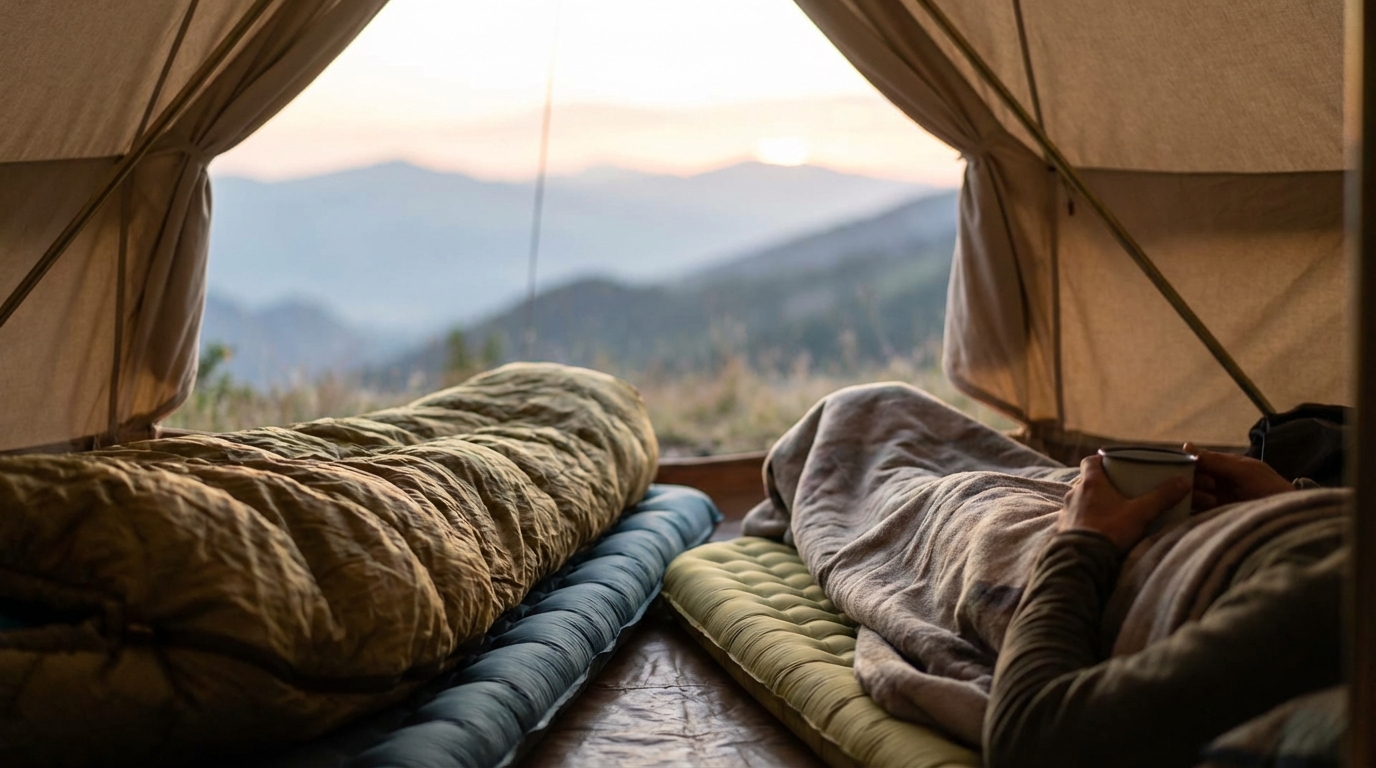
Embarking on an outdoor adventure offers a unique opportunity to connect with nature, challenge oneself, and find tranquility away from daily routines. However, the quality of rest experienced during these excursions significantly impacts the overall enjoyment and success of the trip. A restorative night’s sleep outdoors is not a given; it is largely influenced by the effectiveness of one’s sleeping system. This system, encompassing various interconnected components, plays a pivotal role in maintaining body temperature, providing comfort, and offering protection from the elements. Understanding how each part contributes to the whole is fundamental to achieving adequate rest, enabling adventurers to wake up refreshed and ready for the day ahead.
Understanding the Components of an Outdoor Sleeping System
An outdoor sleeping system is an integrated collection of gear designed to provide warmth, comfort, and protection during sleep in natural environments. While individual preferences and specific trip conditions will dictate the exact configuration, the core elements generally include:
- Sleeping Surface: Primarily a sleeping pad, providing insulation from the ground and cushioning.
- Insulation/Covering: Typically a sleeping bag or quilt, designed to trap warm air around the body.
- Shelter: A tent, bivy sack, or hammock system (with a tarp) that offers protection from weather, insects, and provides a sense of enclosure.
- Support Accessories: Items like pillows, sleeping bag liners, or groundsheets can further enhance comfort and system performance.
Each of these components is designed with specific functions, and their interaction determines the overall efficacy of the sleeping setup.
The Critical Role of the Sleeping Pad
Often underestimated, the sleeping pad is a foundational element of any outdoor sleeping system. Its primary functions are to insulate the user from the cold ground and to provide a comfortable sleeping surface.
Insulation from the Ground
The ground can be a significant conductor of heat away from the body, leading to rapid heat loss. A sleeping pad acts as a barrier, preventing this conductive heat transfer. The insulating capability of a sleeping pad is quantified by its R-value, a measure of thermal resistance. A higher R-value indicates greater insulating power. Without adequate ground insulation, even a very warm sleeping bag will struggle to keep a person warm, as the warmth from below is continuously drawn away into the colder earth.
Comfort and Support
Beyond insulation, a sleeping pad contributes significantly to physical comfort. The varying designs cater to different comfort needs:
- Closed-cell foam pads: Offer firm support and durability, lightweight, but less cushioning.
- Self-inflating pads: Combine foam and air for a balance of insulation and moderate comfort.
- Inflatable air pads: Provide superior cushioning and can be quite thick, allowing for a sleeping experience closer to a bed, though they require manual inflation and can be more susceptible to punctures.
The right amount of cushioning helps to alleviate pressure points, particularly on hips and shoulders, allowing muscles to relax and facilitating deeper, more restorative sleep.
Durability and Packability
While not directly influencing sleep quality in the immediate sense, the durability and packability of a sleeping pad contribute to the overall user experience. A reliable pad that withstands varied terrain ensures consistent performance over time. Its packed size and weight impact how easily it can be transported, which, in turn, influences the feasibility and enjoyment of outdoor trips.
The Significance of the Sleeping Bag or Quilt
The sleeping bag or quilt is the primary means of retaining body heat in an outdoor sleeping system. It surrounds the body, trapping a layer of warm air that acts as insulation against the colder ambient air.
Temperature Regulation and Insulation
Sleeping bags are rated for temperature, indicating the approximate range in which they are designed to keep a person warm. This rating is crucial for selecting appropriate gear for expected conditions. The insulation itself typically comes in two main types:
- Down insulation: Made from the soft clusters found under the outer feathers of ducks or geese. Down offers an impressive warmth-to-weight ratio and is highly compressible, but its insulating properties are severely compromised when wet.
- Synthetic insulation: Composed of man-made fibers, synthetic insulation retains much of its warmth even when damp and is generally more affordable. However, it is typically heavier and bulkier than down for the same level of warmth.
The “loft” of the insulation—its ability to regain its fluffy volume after being compressed—is directly related to its insulating power. More loft generally means more trapped air and thus more warmth.
Fit and Freedom of Movement
The shape and size of a sleeping bag can significantly affect comfort and thermal efficiency:
- Mummy bags: Tapered design that closely conforms to the body, minimizing internal air space to heat, thus maximizing warmth-to-weight. This can restrict movement for some sleepers.
- Semi-rectangular bags: Offer a balance between thermal efficiency and roominess, providing more space than a mummy bag without being excessively bulky.
- Rectangular bags: Provide the most room, allowing for ample movement, but are less thermally efficient as there is more air volume to heat.
- Quilts: Eliminate the back panel of a traditional sleeping bag, relying on a sleeping pad for insulation underneath. They offer greater freedom of movement and are often lighter, but may allow drafts if not properly secured or if the user shifts frequently.
A bag that is too tight can compress the insulation, reducing its effectiveness, while one that is too large means more air for the body to heat, potentially leading to cold spots.
Moisture Management
Both external moisture (rain, dew) and internal moisture (perspiration, condensation from breath) can compromise insulation. Sleeping bag fabrics often feature water-resistant treatments to repel light moisture. The choice between down and synthetic insulation also impacts moisture management, with synthetic offering a notable advantage in damp conditions. Effective moisture management is key to maintaining insulation and preventing discomfort and potential hypothermia in colder environments.
Shelter’s Influence on Rest
While not directly part of the “sleeping system” in the same way a bag or pad is, the chosen shelter provides the overarching environment in which rest occurs. Its characteristics profoundly impact sleep quality.
Protection from Elements
A shelter shields occupants from rain, wind, snow, and UV radiation, which are all disruptive to sleep. Knowing one is protected from harsh weather allows for psychological comfort and uninterrupted rest, preventing awakenings due to precipitation or gusting winds. It also keeps the sleeping bag and pad dry, ensuring their insulating properties remain effective.
Condensation Management
Human respiration and perspiration release moisture into the enclosed space of a shelter. Without adequate ventilation, this moisture can condense on interior surfaces, potentially dripping onto gear and creating a damp, clammy environment. Good ventilation, often achieved through mesh panels and adjustable vents, helps to minimize condensation, keeping the interior drier and more comfortable, thereby enhancing sleep quality.
Privacy and Psychological Comfort
Beyond physical protection, a shelter provides a sense of privacy and security. In an open environment, having a defined personal space can reduce anxiety and contribute to a feeling of safety, which is conducive to restful sleep. The psychological comfort of being enclosed and shielded from the outside world allows the mind to relax more fully.
Synergy: How Components Work Together
The effectiveness of an outdoor sleeping system hinges on the synergistic interaction of its components. No single item works in isolation; instead, they complement each other to create an optimal sleeping environment.
- A high R-value sleeping pad and a warm sleeping bag work in concert to prevent heat loss from both above and below the body. A warm bag on a cold pad or vice versa will result in a cold night.
- The choice of shelter can influence the requirements for the bag and pad. For instance, a tent designed for extreme cold might allow for a lighter sleeping bag, or sleeping in a hammock requires specific under-insulation (like an underquilt) in addition to an internal pad.
- Accessories like a sleeping bag liner can extend the warmth rating of a sleeping bag and keep it cleaner, adding to comfort and longevity.
- A groundsheet under a tent or sleeping pad adds an extra layer of protection from punctures and moisture, preserving the integrity of the entire system.
Considering the system as a whole allows for a balanced approach to warmth, weight, and comfort, ensuring that each component contributes effectively to a peaceful night’s sleep.
Conclusion
The quality of outdoor rest is a direct reflection of a well-considered sleeping system. Each element—the insulating sleeping pad, the warmth-providing sleeping bag or quilt, and the protective shelter—plays a distinct yet interconnected role in creating an environment conducive to restorative sleep. By understanding the function of R-values, temperature ratings, insulation types, and shelter ventilation, outdoor enthusiasts can make informed choices that dramatically enhance their comfort and well-being in nature. Investing time in selecting and configuring an appropriate sleeping system is an investment in energy levels, safety, and the overall enjoyment of every outdoor adventure.
Frequently Asked Questions
What is R-value in sleeping pads?
R-value is a measure of thermal resistance, indicating how well a material insulates. For sleeping pads, a higher R-value means greater insulation from the cold ground. Pads with an R-value of 2.0 or less are typically for summer use, while values of 4.0 or more are generally suitable for colder three-season or winter camping.
How do sleeping bag temperature ratings work?
Sleeping bag temperature ratings are typically laboratory-tested guidelines suggesting the lowest ambient temperature at which the average person will remain comfortable or survive without hypothermia. There are often “comfort” and “limit” ratings; the comfort rating indicates where a person should sleep warmly, while the limit rating is the lowest temperature at which a person can sleep without risk, albeit possibly uncomfortably cold. Individual metabolism and other factors can influence actual perceived warmth.
What’s the difference between down and synthetic insulation?
Down insulation, derived from ducks or geese, offers a superior warmth-to-weight ratio and compressibility, but it loses most of its insulating power when wet. Synthetic insulation, made from polyester fibers, retains much of its warmth even when damp and is generally more affordable, though it is heavier and bulkier than down for equivalent warmth.
Why is ventilation important in a tent?
Ventilation in a tent is crucial for managing condensation. As occupants breathe and perspire, they release moisture into the air. Without adequate airflow, this moisture condenses on the cooler interior surfaces of the tent, leading to a damp environment that can wet gear and reduce comfort. Proper ventilation helps to circulate air, reduce humidity, and prevent condensation build-up.
Can a sleeping bag alone provide sufficient warmth?
No, a sleeping bag alone is generally not sufficient for warmth, especially in colder conditions. The ground can conduct heat away from the body much faster than the air. A sleeping pad with an appropriate R-value is essential to insulate against ground cold, forming a critical part of the overall sleeping system that works in conjunction with the sleeping bag to keep a person warm.

Diana Miller, is a dedicated nature enthusiast and an outdoor adventurer. She began leading groups for excursions in her teens and never stopped. Following her passion for nature, she gathers her friends for outdoor trips every now and then. And for the last 10 years, she has executed workshops on backpacking, snow kayaking and traveling that included her main motive of lightweight packing while outdoors. During leisure, she loves planning for her next adventure.