
How Body Temperature Is Maintained While Camping
Camping often places individuals in environments that challenge the body’s natural ability to maintain a stable internal temperature. From frosty mountain mornings to sweltering desert afternoons, understanding how to regulate core body temperature is fundamental for comfort, safety, and overall well-being in the outdoors. This blog post explores the physiological mechanisms the human body employs and the external strategies campers can adopt to effectively manage thermal conditions.Understanding Human Thermoregulation
The human body is remarkably adept at maintaining a stable internal temperature, typically around 37°C (98.6°F), a process known as thermoregulation. This intricate system ensures that vital physiological processes can function optimally.The Body’s Internal Control System
The hypothalamus, a small but crucial part of the brain, acts as the body’s thermostat. It constantly monitors blood temperature and receives signals from temperature receptors in the skin. When the body’s temperature deviates from its set point, the hypothalamus initiates various responses to either generate or dissipate heat.Mechanisms for Heat Production
When the body senses a drop in temperature, it activates mechanisms to produce heat: * **Metabolism:** Cellular processes continuously generate heat as a byproduct. This basal metabolic rate can increase significantly with physical activity or when the body needs to warm up. * **Shivering:** Involuntary muscle contractions that occur when the body is cold. These rapid contractions generate heat efficiently. * **Non-shivering thermogenesis:** Primarily involves the metabolism of brown adipose tissue (BAT), particularly in infants, but also present in adults. This process generates heat without muscle activity.Mechanisms for Heat Loss
When the body needs to cool down, it employs several strategies to dissipate excess heat: * **Conduction:** The transfer of heat through direct contact with a cooler object. For example, sitting on cold ground or touching a cold rock. * **Convection:** Heat loss due to the movement of air or water currents across the body’s surface. A strong wind or cold water rapidly removes heat. * **Radiation:** The emission of infrared electromagnetic waves from the body’s surface to the surrounding environment. This is a significant pathway for heat loss in cool conditions. * **Evaporation:** The conversion of liquid sweat on the skin’s surface into water vapor, which carries heat away from the body. This is a highly effective cooling mechanism, especially in dry environments. * **Respiration:** Breathing out warm, moist air also contributes to heat loss, particularly in cold environments.Environmental Challenges in Camping
Camping exposes individuals to a wide array of environmental conditions, each presenting unique thermoregulatory challenges.Cold Environments
Camping in cold conditions requires proactive measures to prevent excessive heat loss: * **Lower Ambient Temperature:** A significant temperature gradient between the body and the environment leads to rapid heat loss. * **Wind Chill Effect:** Wind increases convective heat loss, making the perceived temperature feel significantly colder than the actual air temperature. * **Moisture:** Rain, snow, or even high humidity can conduct heat away from the body much faster than dry air, especially if clothing becomes wet.Warm Environments
Conversely, camping in warm conditions demands strategies to facilitate heat dissipation: * **Higher Ambient Temperature:** When the air temperature is close to or exceeds body temperature, radiative and convective cooling become less effective. * **High Humidity:** Reduces the efficiency of evaporative cooling because the air is already saturated with moisture, limiting the rate at which sweat can evaporate. * **Direct Solar Radiation:** Exposure to direct sunlight can significantly increase the body’s heat load.Strategies for Temperature Regulation in Cold Camping Conditions
Effective temperature management in cold environments combines an understanding of the body’s natural responses with deliberate external strategies.Physiological Adaptations (Natural Responses)
In response to cold, the body activates protective mechanisms: * **Peripheral Vasoconstriction:** Blood vessels near the skin surface constrict, reducing blood flow to the extremities to minimize heat loss from the skin and conserve warmth for the vital organs. * **Piloerection (Goosebumps):** Hair follicles stand upright, theoretically trapping a layer of insulating air close to the skin. While less effective in humans with sparse body hair, it’s an evolutionary remnant. * **Increased Metabolic Rate:** The body increases its internal heat production through shivering and other metabolic processes.External Strategies (Human Intervention)
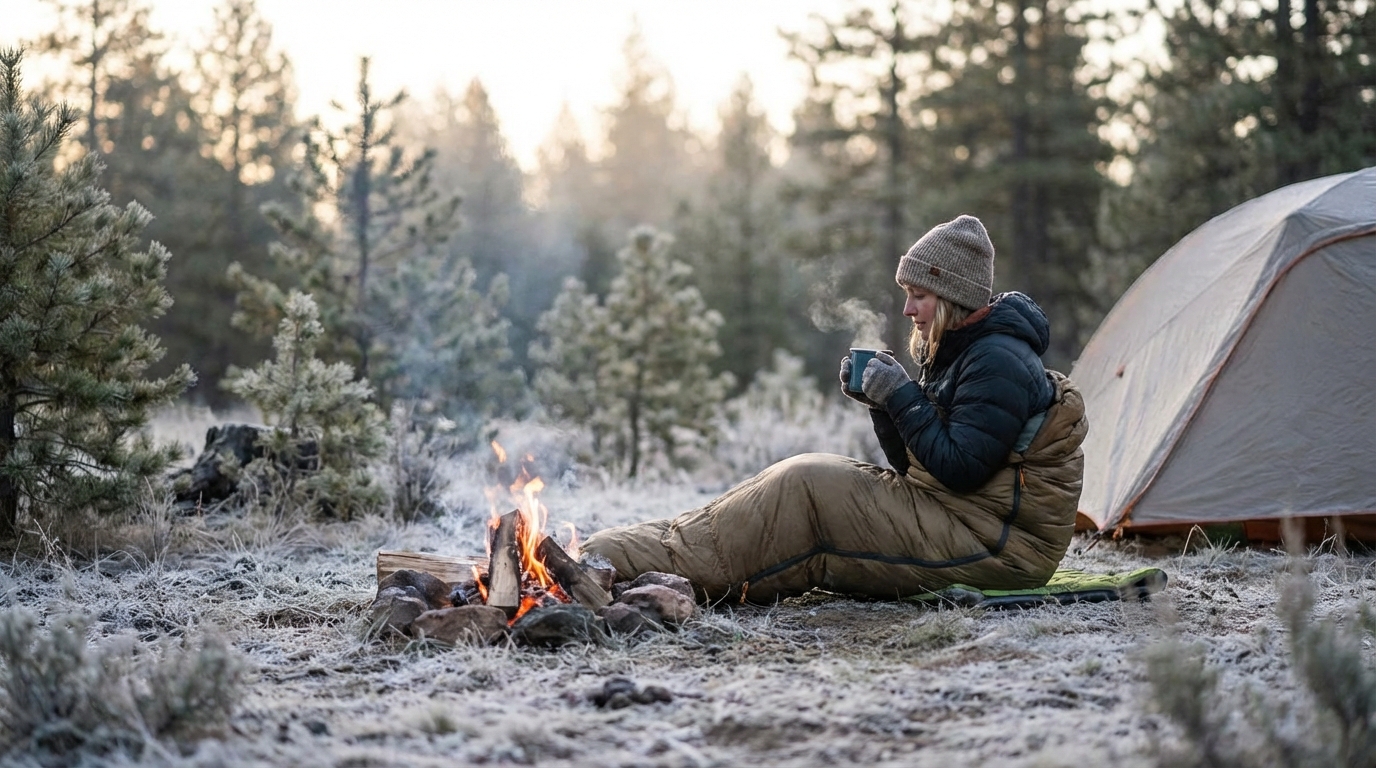
Campers can significantly augment their body’s defenses against cold: * **Layering Principles:** Wearing multiple layers of clothing creates insulating air pockets and allows for flexible adjustment to changing temperatures. * **Base layer:** Wicks moisture away from the skin to keep it dry, preventing evaporative and conductive heat loss. Materials like merino wool or synthetic fabrics are common. * **Mid-layer:** Provides insulation to trap warm air. Fleece, down, or synthetic puffy jackets serve this purpose. * **Outer layer:** Offers protection against wind, rain, and snow. It should be waterproof and windproof, but also breathable to prevent moisture buildup inside. * **Insulation:** Trapping air is key to insulation. * **Sleeping Bags:** Rated for specific temperature ranges, they use materials like down or synthetic fibers to create loft and trap warm air around the body. * **Sleeping Pads:** Crucial for insulating against cold ground. Their R-value indicates their thermal resistance, with higher values providing better insulation. * **Insulated Clothing:** Jackets, pants, hats, and gloves filled with down or synthetic insulation create significant air pockets. * **Shelter:** A well-chosen and properly set up shelter can significantly mitigate cold. * **Tents:** Designed to protect from wind and precipitation, some tents are optimized for four-season use with minimal mesh and durable fabrics. * **Camp Spot Selection:** Choosing a location sheltered from prevailing winds and avoiding low-lying areas where cold air collects can enhance warmth. * **Hydration and Nutrition:** * **Sufficient Energy Stores:** The body needs fuel to generate metabolic heat, so adequate caloric intake is vital. Complex carbohydrates and fats provide sustained energy. * **Warm Beverages:** Drinking warm liquids like hot tea or soup can provide immediate internal warmth and contribute to hydration. * **Activity Management:** * **Moderate Activity:** Engaging in light to moderate physical activity helps generate body heat without causing excessive sweating, which could lead to chilling once activity ceases. * **Avoiding Prolonged Inactivity:** Staying still for extended periods in cold conditions can lead to a rapid drop in core temperature.Strategies for Temperature Regulation in Warm Camping Conditions
When camping in warm environments, the focus shifts to facilitating heat loss and preventing overheating.Physiological Adaptations (Natural Responses)
In response to warmth, the body naturally tries to cool down: * **Peripheral Vasodilation:** Blood vessels near the skin surface widen, increasing blood flow to the extremities. This allows more heat to radiate away from the body. * **Sweating:** Sweat glands produce perspiration, which cools the body as it evaporates from the skin.External Strategies (Human Intervention)
Campers can actively support their body’s cooling efforts: * **Clothing Choices:** * **Lightweight, Loose-fitting, Light-colored Fabrics:** Loose clothing allows air circulation, and light colors reflect solar radiation rather than absorbing it. * **Breathable Materials:** Fabrics like cotton (in dry heat where it can dry easily) or synthetic wicking materials help sweat evaporate efficiently. * **Hydration:** * **Crucial for Fluid Replacement:** Sweating leads to significant fluid loss, so continuous hydration is paramount to maintain blood volume and support continued sweating. * **Electrolyte Balance:** Replacing electrolytes lost through sweat is also important, especially during prolonged activity in hot conditions. * **Shelter and Shade:** * **Seeking Natural Shade:** Utilizing trees, rock formations, or canyon walls for shade during the hottest parts of the day. * **Ventilated Shelters:** Using tarps or tents with ample mesh and vents allows for airflow, minimizing trapped hot air. * **Proper Tent Placement:** Positioning a tent to catch any breeze and avoid direct morning sun can help keep it cooler. * **Activity Management:** * **Scheduling Activities:** Planning strenuous activities for cooler parts of the day, such as early morning or late evening, avoids peak heat exposure. * **Avoiding Strenuous Activity:** Limiting intense physical exertion during midday heat reduces the body’s internal heat production. * **Water Use:** * **Cooling Cloths:** Applying cool, wet cloths to pulse points (neck, wrists, armpits) can help lower body temperature. * **Dips in Natural Water Sources:** If safe and permitted, taking a dip in a stream or lake can provide immediate relief from heat.Conclusion
Maintaining core body temperature while camping is a dynamic interplay between the body’s sophisticated physiological control systems and the deliberate choices made by the camper. Whether battling the chill of a winter night or the oppressive heat of a summer afternoon, understanding the mechanisms of heat production and loss, coupled with informed strategies regarding clothing, shelter, nutrition, hydration, and activity management, is essential. By respecting these principles, campers can enhance their comfort, reduce risks, and fully enjoy their outdoor experiences, regardless of the environmental conditions.Frequently Asked Questions (FAQs)
**1. How does humidity affect body temperature regulation while camping?** In cold environments, high humidity can make the air feel colder and increase conductive heat loss if clothing becomes damp. In warm environments, high humidity significantly impairs the body’s primary cooling mechanism, sweat evaporation. When the air is saturated with moisture, sweat cannot evaporate efficiently, leading to a build-up of heat and an increased risk of overheating, even if sweating profusely. **2. Why is hydration important for both cold and warm camping?** In warm conditions, hydration is crucial to replace fluids lost through sweating, maintaining blood volume and allowing the body to continue its evaporative cooling process. In cold conditions, adequate hydration supports metabolic functions that generate heat and helps maintain proper blood circulation. Dehydration, regardless of temperature, can impair the body’s ability to regulate temperature effectively and increase susceptibility to environmental stressors. **3. Can eating specific foods help maintain body temperature?** Yes, consuming foods, especially those high in complex carbohydrates and healthy fats, provides the body with the sustained energy needed for metabolic heat production. While all food digestion generates some heat, these macronutrients offer prolonged energy release. Warm foods and beverages can also provide immediate internal warmth, particularly in cold environments. **4. What is the significance of the R-value in sleeping pads?** The R-value is a measure of a material’s thermal resistance or its ability to resist heat flow. In sleeping pads, a higher R-value indicates greater insulation, meaning the pad is more effective at preventing your body heat from being conducted away into the cold ground. This is crucial for staying warm while sleeping, especially in cooler conditions, as the ground can conduct heat away from the body much faster than the air. **5. How do wind and elevation influence perceived temperature?** Wind significantly increases convective heat loss, making the air feel much colder than the actual thermometer reading—this is known as the wind chill effect. At higher elevations, air pressure is lower, and the air is generally thinner and often drier. While thinner air means less material to trap heat, direct solar radiation can feel more intense. Temperatures also typically decrease with increasing elevation, and wind speeds are often higher, contributing to a colder perceived temperature.
Diana Miller, is a dedicated nature enthusiast and an outdoor adventurer. She began leading groups for excursions in her teens and never stopped. Following her passion for nature, she gathers her friends for outdoor trips every now and then. And for the last 10 years, she has executed workshops on backpacking, snow kayaking and traveling that included her main motive of lightweight packing while outdoors. During leisure, she loves planning for her next adventure.