
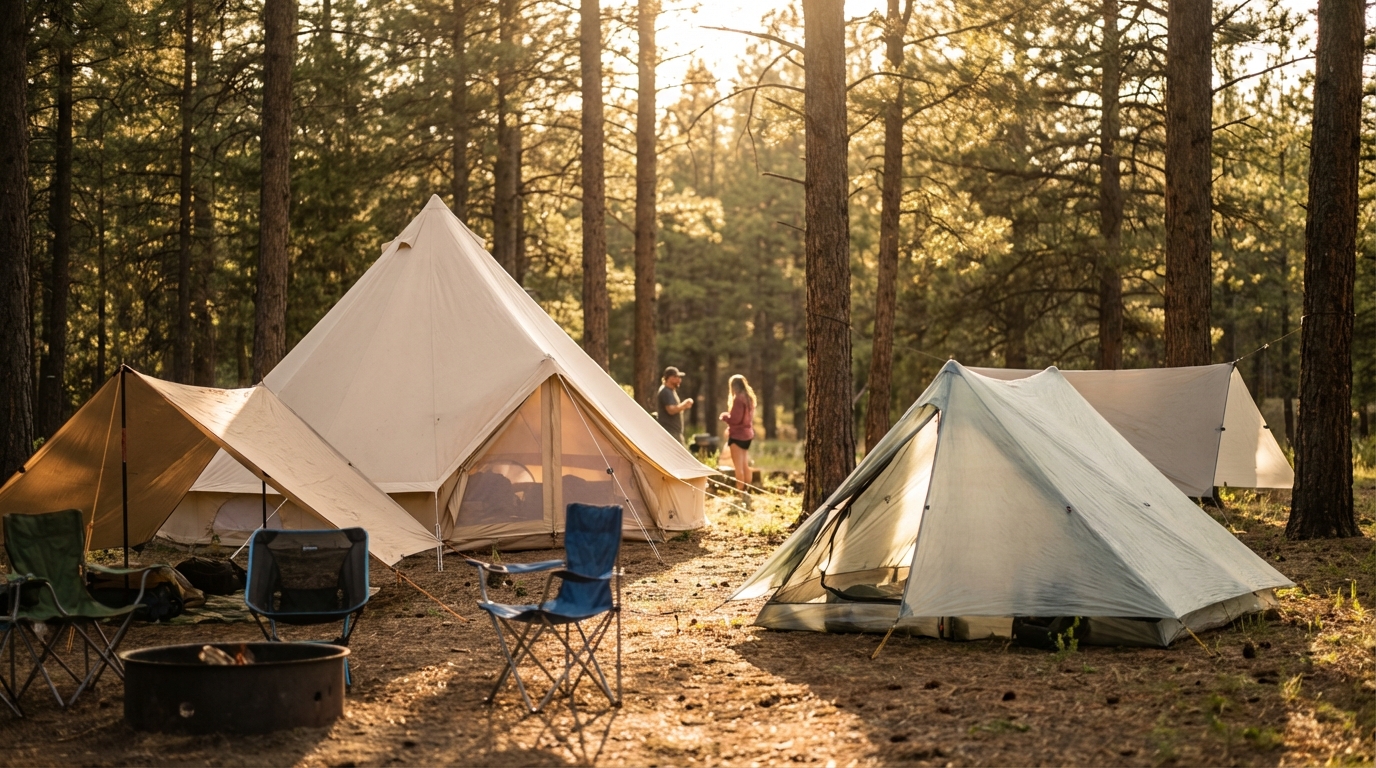
Camping offers a unique opportunity to connect with nature, providing a respite from daily routines. At the heart of any successful camping trip is the chosen shelter, a crucial element that provides protection from the elements, privacy, and a comfortable space to rest. With a wide array of options available, understanding the characteristics and typical applications of different shelter types is essential for making an informed decision that aligns with your specific adventure.
From robust structures designed for challenging weather to minimalist setups favored by ultralight enthusiasts, each shelter type serves distinct purposes and excels in particular environments. This guide explores various categories of camping shelters, delving into their design principles, suitable uses, and important considerations, aiming to equip you with the knowledge needed to select the appropriate sanctuary for your outdoor escapades.
Exploring Diverse Camping Shelter Categories
Camping shelters vary significantly in design, construction, and intended use. The primary choice often depends on factors such as group size, expected weather conditions, trip duration, and mode of transportation.
Tents: A Versatile Enclosure
Tents are a ubiquitous form of camping shelter, offering enclosed protection for individuals and groups. They come in a vast range of sizes and designs, each optimized for different camping styles.
Dome Tents
- Characteristics: Cross-poled design creates a stable, often freestanding structure.
- Typical Use: Versatile for general camping, including car camping and some lighter backpacking models.
- Considerations: Good central head height, but slopes quickly. Stability varies with pole count and quality.
Tunnel Tents
- Characteristics: Series of parallel arch poles form an elongated, tunnel-like shape. Offers excellent internal volume.
- Typical Use: Popular for families or groups needing more living space; often used for car camping or cycle touring.
- Considerations: Generally not freestanding, requiring proper guying out for stability, especially in wind.
Cabin Tents
- Characteristics: Near-vertical walls and high peak height maximize interior volume and stand-up room. Often features multiple rooms.
- Typical Use: Primarily for car camping where ample space and comfort are priorities for families or larger groups.
- Considerations: Heavier and bulkier; less resistant to high winds due to tall, boxy structure.
Backpacking Tents
- Characteristics: Engineered for minimal weight and packability using lightweight materials and compact designs. Typically for one to three occupants.
- Typical Use: Essential for thru-hiking, wilderness backpacking, and any trip where every ounce and inch of pack space counts.
- Considerations: Can be less spacious and durable than car camping tents, prioritizing functional shelter over luxury.
Rooftop Tents
- Characteristics: Mounted directly onto a vehicle’s roof rack, folding out to create an elevated sleeping platform, often with a mattress.
- Typical Use: Overland travel, off-road adventures, and car camping where elevation provides a cleaner, drier, and potentially safer sleeping experience.
- Considerations: Requires a vehicle with a suitable roof rack and weight capacity.
Tarps: Minimalist and Adaptable
A tarp is a simple sheet of waterproof material, often with reinforced tie-out points. It provides protection from rain, sun, or wind, typically without a floor or enclosed walls.
- Characteristics: Extremely lightweight, highly versatile in pitching configurations, and relatively inexpensive.
- Typical Use: Ultralight backpacking, supplementing other shelters, creating communal areas, or as an emergency shelter.
- Considerations: Offers less bug protection and privacy than an enclosed tent. Requires skill to pitch effectively.
Hammocks: Elevated Comfort
Camping hammocks offer an elevated sleeping solution, suspended between two anchor points, typically trees. Modern versions often integrate mosquito netting and a rain tarp (fly).
- Characteristics: Keeps the sleeper off cold, uneven ground; often considered comfortable. Excellent in areas with abundant trees.
- Typical Use: Backpacking, casual camping, or day-use in wooded areas. Suitable where flat, dry ground is scarce.
- Considerations: Requires suitable anchor points. Can be colder in cool weather due0 to air circulation, necessitating an underquilt or pad. Less privacy than a tent.
Bivy Sacks: Personal Protective Shell
A bivy (bivouac) sack is a minimalist, waterproof, and breathable cover for a sleeping bag. It offers basic protection for solo campers seeking to minimize weight and bulk.
- Characteristics: Extremely lightweight and compact. Provides protection from dew, light rain, and wind while retaining body heat.
- Typical Use: Ultralight backpacking, mountaineering, emergency shelter, or supplementing a tarp.
- Considerations: Offers very limited space, primarily for the sleeping bag and sleeper. Can experience internal condensation and provides no room for gear storage. Less comfortable and private than a tent.
Factors to Consider When Choosing a Shelter
Selecting a camping shelter involves more than just its type. Several critical factors should influence your decision to ensure comfort, safety, and suitability for your adventure.
- Weather Conditions: Anticipate rain, wind, and temperature. Look for appropriate waterproof ratings, robust structures for wind, and insulation features for cold.
- Group Size and Occupancy: Consider the number of occupants and whether extra space is needed for gear or comfort.
- Weight and Packability: Crucial for trips where gear is carried long distances (backpacking). Less critical for car camping.
- Trip Duration: Shorter trips might favor quicker setup; longer expeditions may prioritize durability and space.
- Setup Complexity: Some shelters are intuitive; others require more time and practice.
- Season Rating: 3-season tents suit mild conditions; 4-season tents are reinforced for snow and strong winds, suitable for winter or high-altitude.
- Ventilation: Proper ventilation minimizes internal condensation. Look for mesh panels and adequate airflow.
Conclusion
The array of camping shelters reflects the diverse needs of outdoor enthusiasts. From the enclosed comfort of various tent styles to the minimalist versatility of tarps, the elevated solace of hammocks, and the ultralight efficiency of bivy sacks, each option presents distinct advantages and considerations.
By carefully evaluating your destination, expected weather, party size, and personal comfort priorities, you can make an informed decision that enhances your outdoor experience. Understanding these different shelter types is the first step towards ensuring your time in nature is both safe and enjoyable, providing a reliable refuge no matter where your adventures take you.
Frequently Asked Questions
Q1: What is the main difference between a backpacking tent and a car camping tent?
A1: Backpacking tents prioritize minimal weight and packability for transport over long distances, often using lighter materials and compact designs. Car camping tents, conversely, focus on space, comfort, and durability, as their weight and bulk are less of a concern. They typically feature higher ceilings, more robust materials, and can accommodate larger groups with more gear.
Q2: Are hammocks suitable for all camping conditions?
A2: No, hammocks are not universally suitable. They are ideal in wooded areas with abundant anchor points and mild to warm weather. However, they are impractical in treeless environments. In cold conditions, additional insulation (like an underquilt) is essential to prevent heat loss. They also offer less privacy and protection from ground-level elements or bugs compared to fully enclosed tents, unless fully equipped with a bug net and rain fly.
Q3: What are the advantages of a bivy sack?
A3: Bivy sacks offer extreme lightweight design and compact packability, making them ideal for ultralight backpackers, climbers, or emergency situations. They provide a waterproof and breathable barrier for a sleeping bag, protecting from dew, light rain, and wind while retaining body heat. They also allow for sleeping directly under the stars with minimal setup.
Q4: How important is a tent’s waterproof rating?
A4: A tent’s waterproof rating, measured in millimeters (mm) for its hydrostatic head, indicates the fabric’s resistance to water pressure. It is very important for staying dry in rainy conditions. Higher ratings (e.g., 1500mm-3000mm for floors and flies) signify greater water resistance. Beyond the rating, proper seam sealing, effective water-shedding design, and quality zippers are equally crucial for complete waterproof integrity.
Q5: Can tarps be used as a primary shelter?
A5: Yes, tarps can be a primary shelter, especially for experienced minimalist campers or in predictable, mild conditions. Their versatility allows for numerous pitching configurations to adapt to different environments. While excellent for rain and sun protection, they generally lack insect protection (unless paired with a bug net) and privacy, and require more skill to set up compared to a self-supporting tent. They are a popular choice for those seeking a more open outdoor experience.

Diana Miller, is a dedicated nature enthusiast and an outdoor adventurer. She began leading groups for excursions in her teens and never stopped. Following her passion for nature, she gathers her friends for outdoor trips every now and then. And for the last 10 years, she has executed workshops on backpacking, snow kayaking and traveling that included her main motive of lightweight packing while outdoors. During leisure, she loves planning for her next adventure.