
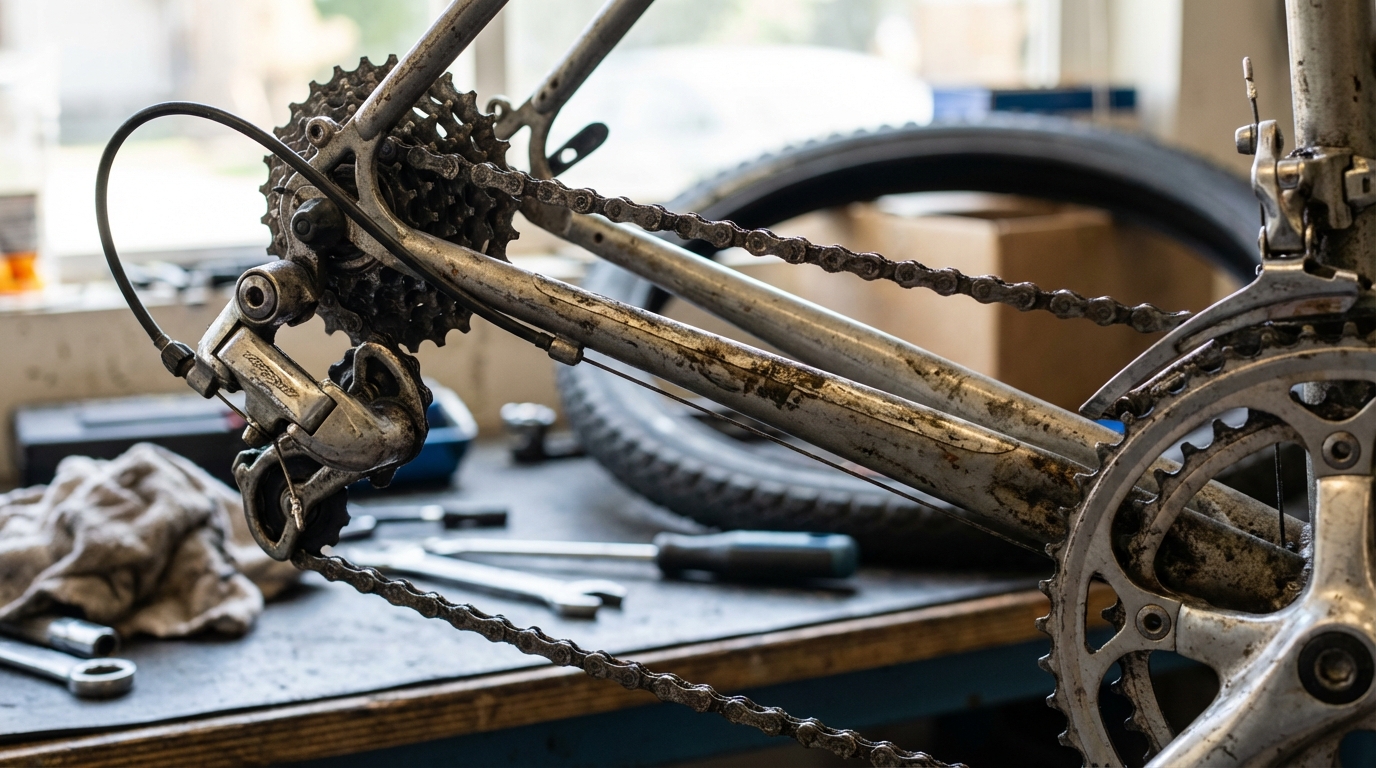
A bicycle, regardless of its type or how meticulously it’s cared for, is subject to the forces of friction, stress, and environmental exposure. Over time, components will inevitably experience wear and tear, impacting performance, safety, and overall longevity. Understanding these common issues is not just about identifying problems; it’s about anticipating them, taking proactive steps, and appreciating the mechanics that keep a bicycle functioning smoothly. This insight empowers riders to perform routine inspections, recognize early indicators of trouble, and make informed decisions about maintenance, ultimately enhancing their riding experience and extending the life of their equipment.
The Drivetrain: The Heart of Motion
The drivetrain is arguably the most dynamic system on a bicycle, responsible for transferring power from the rider to the wheels. Consequently, it experiences significant stress and is often the first area to show signs of wear.
Chain Wear
The bicycle chain is a series of interconnected pins, plates, and rollers. With every pedal stroke, these parts articulate under tension. Over time, the constant friction and stretching forces cause the pins and rollers to wear, leading to an effective elongation of the chain, often referred to as “chain stretch.”
- Symptoms: Skipping gears, poor shifting performance, increased noise, particularly under load.
- Causes: Accumulation of dirt and grit, insufficient lubrication, high mileage, powerful riding style.
- Impact: An elongated chain can prematurely wear out the teeth of the cassette and chainrings, leading to a much more costly replacement.
Cassette and Chainring Wear
These components feature teeth that engage with the chain. As the chain wears, it no longer sits perfectly on these teeth, causing accelerated wear to their profiles. The teeth can become “hooked” or develop sharp, pointed shapes.
- Symptoms: Chain skipping, especially on smaller cogs or specific chainrings, visible deformation of teeth.
- Causes: Riding with a worn chain, frequent shifting under heavy load, prolonged use.
- Impact: Severely worn teeth prevent proper chain engagement, leading to inefficient power transfer and unreliable shifting.
Derailleur Issues
Derailleurs guide the chain across the cassette and chainrings. Their jockey wheels (pulleys) also have teeth that wear down, and their pivot points can develop play.
- Symptoms: Sluggish or imprecise shifting, chain rub, noise from the jockey wheels, visible wobbling of the derailleur cage.
- Causes: Dirt ingress into pivots, worn jockey wheel teeth, impact damage, lack of lubrication.
- Impact: Compromised shifting accuracy and increased drivetrain noise.
Braking System: Essential for Control and Safety
The braking system is crucial for safety, and its components are designed to withstand high friction and dissipate heat. Wear here directly affects stopping power.
Brake Pad Wear
Brake pads, whether for rim brakes or disc brakes, are friction materials designed to wear down as they rub against the braking surface. Their effectiveness diminishes with reduced material.
- Symptoms: Reduced stopping power, squealing noises (especially from disc brakes), visible reduction in pad material, scraping sounds if the backing plate contacts the rim/rotor.
- Causes: Regular use, abrasive riding conditions (wet, muddy), prolonged braking.
- Impact: Insufficient braking force, potential damage to rims or rotors if pads wear past their safe limit.
Rotor or Rim Wear
The surfaces against which brake pads act – disc brake rotors or rim brake tracks – also experience wear. Rotors can thin out, while rim brake tracks can develop concavity.
- Symptoms: Pulsation during braking (discs), visible thinning or scoring of rotor, noticeable concavity on rim brake tracks, often indicated by a wear indicator line if present.
- Causes: High mileage, aggressive braking, abrasive braking conditions, worn brake pads (metal backing contacting surface).
- Impact: Decreased braking efficiency, increased risk of rotor or rim failure under stress, especially for rims.
Cable and Hydraulic Fluid Degradation
Mechanical brakes rely on inner cables and outer housing, which can fray, stretch, or become contaminated. Hydraulic brakes use fluid that can degrade over time or become contaminated with air or water.
- Symptoms: Spongy brake lever feel (hydraulic), stiff or sticky lever feel (mechanical), reduced braking power, visible fraying of cables.
- Causes: Environmental exposure, lack of maintenance, age of components, repeated lever actuation.
- Impact: Unreliable braking performance and reduced rider confidence.
Wheels and Tires: Your Connection to the Ground
Wheels and tires are constantly interacting with the riding surface, making them prime candidates for wear and damage.
Tire Wear and Damage
Tires wear down through friction with the road. The tread pattern can flatten, and the rubber compound can harden or crack over time. Tires are also susceptible to punctures and cuts.
- Symptoms: Flattened tread profile (especially on the rear), visible casing threads, cracking of sidewalls, frequent punctures, poor grip.
- Causes: High mileage, improper tire pressure, harsh road surfaces, UV exposure, manufacturing defects.
- Impact: Compromised grip, increased puncture risk, reduced comfort, potential for blowouts.
Rim Damage
Beyond brake track wear, rims can suffer from impacts, leading to dents, cracks, or warping. Spoke holes can also wallow out over extended use or if spokes are improperly tensioned.
- Symptoms: Visible dents or cracks, wheel wobbling, frequent spoke breakages, difficulty seating tires.
- Causes: Impact with obstacles, improper spoke tension, manufacturing flaws, material fatigue.
- Impact: Unsafe riding conditions, potential wheel failure, difficulty maintaining tire pressure.
Hub and Bearing Wear
The hubs contain bearings that allow the wheels to spin freely. These bearings can wear out, become contaminated, or lose their lubrication.
- Symptoms: Grinding noises from the wheel, excessive play when wiggling the wheel side-to-side, stiff rotation.
- Causes: Water and dirt ingress, lack of lubrication, prolonged use, improper adjustment.
- Impact: Increased rolling resistance, potential for wheel seizure, damage to hub components.
Steering and Suspension Components: For Control and Comfort
These components manage steering input and absorb impacts, contributing significantly to ride quality and control.
Headset Wear
The headset bearings allow the fork to rotate smoothly within the frame’s head tube. Over time, these bearings can wear, develop play, or become pitted.
- Symptoms: Clicking or grinding noise when turning the handlebars, play when rocking the bike back and forth with the front brake applied, stiff steering.
- Causes: Dirt and water ingress, improper adjustment (too tight or too loose), impact damage.
- Impact: Unstable steering, accelerated wear on other components, uncomfortable riding.
Fork and Shock Seal Degradation
Suspension components rely on seals to keep lubricating fluid in and contaminants out. These seals can dry out, crack, or become compromised.
- Symptoms: Visible oil residue on stanchions, reduced suspension performance, squishy or unresponsive feel.
- Causes: UV exposure, dirt accumulation, age of seals, infrequent maintenance.
- Impact: Damage to internal components (stanchions, bushings), reduced damping ability, loss of suspension travel.
Bushing and Bearing Wear (Full Suspension Bikes)
Full suspension frames have multiple pivot points that use bushings or bearings to allow the rear triangle to move. These can wear down, leading to play in the suspension.
- Symptoms: Creaking noises, noticeable play when wiggling the rear wheel side-to-side (when holding the frame), reduced suspension responsiveness.
- Causes: Dirt ingress, lack of lubrication, high mileage, rider weight.
- Impact: Inefficient suspension action, uncomfortable ride, accelerated wear on other frame components.
Frame and Contact Points: The Foundations
While the frame is generally robust, it’s not immune to issues. Contact points also experience wear from constant interaction with the rider.
Frame Damage
Frames can suffer from cracks, dents, or corrosion. Cracks typically occur at welds or high-stress areas, while dents are usually impact-related.
- Symptoms: Visible cracks, paint bubbling (indicating corrosion underneath), unexpected creaking noises, difficulty with component installation.
- Causes: Impact, material fatigue, manufacturing defects, exposure to corrosive elements (salt, chemicals).
- Impact: Catastrophic frame failure, significant safety risk, rendering the bicycle unusable.
Saddle and Handlebar Grip Wear
These components are subject to constant friction and pressure from the rider. Saddles can tear or sag, and grips can harden, become sticky, or wear through.
- Symptoms: Visible tears, cracking, or discoloration on the saddle; sticky, slippery, or worn-through handlebar grips.
- Causes: Regular use, UV exposure, sweat, environmental conditions.
- Impact: Reduced rider comfort, potential for hand slippage, aesthetic degradation.
Pedal Wear
Pedals contain bearings that can wear out, and the pedal body itself (especially on platform pedals) can suffer from abrasion or impact damage.
- Symptoms: Grinding noises from pedals, excessive play in the pedal body, pins missing or worn flat on platform pedals.
- Causes: Dirt and water ingress into bearings, impacts with obstacles, regular use.
- Impact: Reduced pedaling efficiency, discomfort, potential for foot slippage.
Cables and Housing
Beyond the braking system, gear cables and their housing are also critical. Inner cables can fray and stretch, and outer housing can become kinked or contaminated.
- Symptoms: Sluggish or inconsistent gear shifting, increased effort required to shift, visible fraying of inner cables at adjustment points.
- Causes: Environmental exposure, lack of lubrication, sharp bends, age.
- Impact: Unreliable gear changes, increased risk of missed shifts.
Conclusion
Every bicycle, over its lifespan, will exhibit signs of wear and tear. Recognizing these common issues is a fundamental aspect of bicycle ownership, enabling riders to proactively address maintenance needs rather than react to failures. Regular inspection, proper cleaning, and timely replacement of worn components not only safeguard the rider but also preserve the performance and value of the bicycle. By understanding the vulnerabilities of each system, riders can cultivate a deeper connection with their equipment and ensure many more miles of enjoyable and safe riding.
Frequently Asked Questions
Q1: How often should I check my bicycle for wear and tear?
A1: A quick visual inspection before every ride is advisable. A more thorough check, focusing on drivetrain, brakes, and tires, should be performed weekly or every 100-200 miles, depending on riding conditions and intensity. Annual professional maintenance can also help identify less obvious issues.
Q2: What are the early signs of chain wear?
A2: Early signs often include slightly less smooth shifting, occasional ghost shifts, or increased noise from the drivetrain. The definitive way to check is with a chain wear indicator tool, which measures the elongation of the chain over a specific length. If the tool indicates significant wear, replacement is recommended.
Q3: Can wear and tear issues lead to safety problems?
A3: Absolutely. Worn brake pads or rotors can drastically reduce stopping power. A stretched chain can cause unexpected gear changes. Damaged rims or compromised suspension components can lead to instability or structural failure, all posing significant safety risks to the rider.
Q4: Does riding in specific conditions accelerate wear?
A4: Yes, riding in wet, muddy, or dusty conditions significantly accelerates wear, especially on the drivetrain and braking system, due to abrasive grit and corrosive moisture. Riding on rough terrain also puts more stress on suspension, wheels, and tires. Consistent cleaning and lubrication are particularly important in these environments.
Q5: Is it possible to completely prevent bicycle wear and tear?
A5: While it’s impossible to completely prevent wear and tear, as it’s an inherent part of using any mechanical device, diligent maintenance practices can significantly mitigate its effects. Regular cleaning, proper lubrication, timely adjustments, and replacing components when they reach their service limit will extend the lifespan of parts and the bicycle as a whole.

Diana Miller, is a dedicated nature enthusiast and an outdoor adventurer. She began leading groups for excursions in her teens and never stopped. Following her passion for nature, she gathers her friends for outdoor trips every now and then. And for the last 10 years, she has executed workshops on backpacking, snow kayaking and traveling that included her main motive of lightweight packing while outdoors. During leisure, she loves planning for her next adventure.