
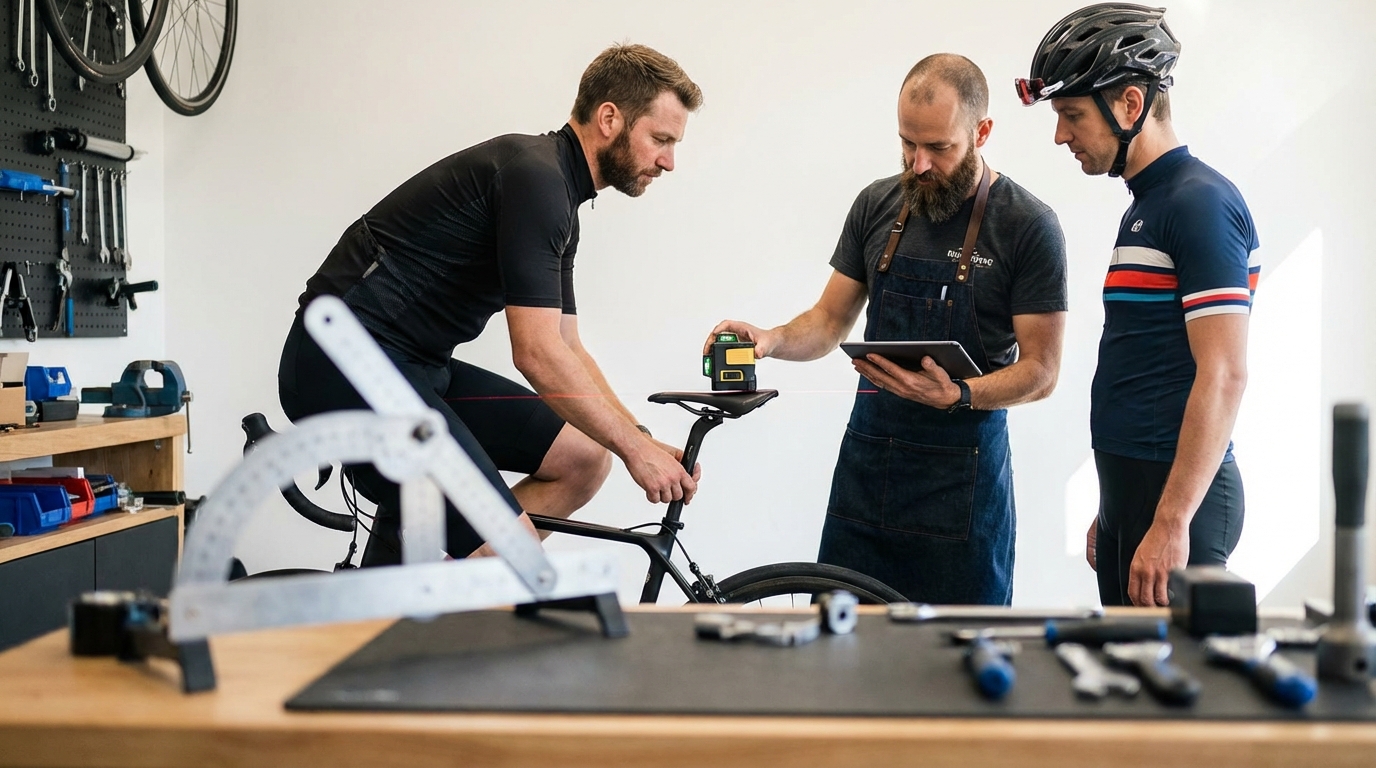
Cycling offers a multitude of benefits, from cardiovascular health improvements and stress reduction to environmentally friendly transportation and an enjoyable way to explore the outdoors. However, like any repetitive physical activity, cycling carries the potential for discomfort or even long-term injuries if not approached with proper consideration for one’s physical alignment and equipment setup. Many cyclists experience nagging pains in their knees, back, neck, or hands, often attributing them to age, intensity, or simply being part of the sport. Yet, a significant portion of these issues can be traced back to one critical factor: an improper bike fit. Optimizing the interaction between rider and bicycle is not just about enhancing performance; it is fundamentally about preventing chronic pain and injuries, ensuring that cycling remains a sustainable and joyful pursuit for years to come.
Understanding the Essence of Bike Fit
A bike fit is a comprehensive process designed to adjust the bicycle’s components and geometry to match an individual rider’s unique body dimensions, flexibility, biomechanics, and riding style. It moves beyond generic adjustments to create a harmonious interface between rider and machine. The primary objectives are threefold:
- Comfort: Ensuring the rider can maintain their position for extended periods without undue strain or pressure.
- Efficiency: Optimizing power transfer from the rider’s legs to the pedals, reducing wasted energy.
- Injury Prevention: Minimizing stress on joints, muscles, tendons, and nerves by promoting proper alignment and movement patterns.
When a bike is not adequately fitted, the body is forced into compensatory positions, leading to biomechanical inefficiencies and, more critically, placing excessive stress on specific areas. Over time, this repetitive stress can culminate in debilitating injuries that hinder or even halt cycling activities.
Key Elements of a Proper Bike Fit and Their Impact
Several critical adjustments on a bicycle directly influence a rider’s comfort and injury risk. Understanding their purpose highlights the importance of precise setup:
Saddle Height
The vertical position of the saddle is arguably one of the most crucial adjustments. An incorrect saddle height can profoundly affect knee health:
- Too High: Can lead to hyperextension of the knee at the bottom of the pedal stroke, increasing the risk of hamstring strains, IT band syndrome, and saddle sores due to pelvic rock.
- Too Low: Causes excessive knee flexion throughout the pedal stroke, which can put undue stress on the patellofemoral joint (kneecap) and quadriceps tendons, often resulting in anterior knee pain. It can also lead to hip pain and reduced power output.
Saddle Fore/Aft Position
This adjustment determines how far forward or backward the saddle is positioned relative to the bottom bracket. It influences the rider’s weight distribution and the muscular engagement during pedaling:
- Too Far Forward or Backward: Can shift excessive weight onto the hands and arms, leading to numbness or pain in the wrists, hands, and shoulders. It can also alter the effective crank length, impacting knee tracking and leading to discomfort in the patellar tendon or quadriceps.
Handlebar Reach and Drop
These parameters define the distance and vertical difference between the saddle and the handlebars. They dictate the rider’s upper body posture and weight distribution:
- Reach Too Long or Drop Too Low: Often results in an overstretched, aggressive posture that places significant strain on the lower back, neck, and shoulders. This can lead to chronic lower back pain, neck stiffness, shoulder impingement, and hand numbness due to nerve compression.
- Reach Too Short or Drop Too High: Can cause a cramped, upright posture that may seem comfortable initially but can lead to poor weight distribution, instability, and inefficient power transfer.
Cleat Position
For cyclists using clipless pedals, the position of the cleats on the shoe is vital for foot, ankle, and knee alignment:
- Improper Cleat Placement: Can misalign the foot and ankle, forcing the knee into an unnatural tracking pattern during the pedal stroke. This can lead to pain in the knees (medial or lateral), ankles, or even hot spots and numbness in the feet due to uneven pressure distribution and nerve compression.
Crank Arm Length
While often overlooked, crank arm length influences the range of motion at the hip and knee joints. Inappropriate length for a rider’s leg length or flexibility can lead to joint stress and inefficient pedaling dynamics.
Common Long-Term Injuries Linked to Suboptimal Bike Fit
When a bike fit is not correctly addressed, the body’s repetitive movements under strain can manifest in various chronic conditions:
- Knee Pain: The most prevalent complaint. Conditions include patellofemoral pain syndrome (pain around the kneecap), iliotibial band (IT band) syndrome (pain on the outside of the knee), and various forms of tendinitis (e.g., patellar tendinitis, hamstring tendinitis).
- Lower Back Pain: Often caused by an overextended reach to the handlebars, an incorrect saddle position, or a lack of core stability exacerbated by an ill-fitting setup. It can lead to muscle strains, disc compression, or nerve irritation.
- Neck and Shoulder Pain: Resulting from an overly aggressive position, excessive weight on the hands, or constant craning of the neck to see ahead. This can cause muscle tension, stiffness, headaches, and even nerve impingement.
- Hand and Wrist Numbness/Pain: Also known as cyclist’s palsy or handlebar palsy, this is due to prolonged pressure on the ulnar nerve in the hands or median nerve in the wrists, often from improper weight distribution over the handlebars.
- Foot Numbness or Hot Spots: Caused by improper cleat position, inadequate shoe support, or excessive pressure on specific areas of the foot, leading to nerve compression or localized irritation.
- Saddle Sores and Urogenital Issues: Result from excessive pressure, friction, or poor hygiene exacerbated by an ill-fitting saddle or incorrect saddle tilt.
How a Proper Bike Fit Mitigates Injury Risks
A professional bike fit systematically addresses these potential pitfalls by:
- Optimizing Biomechanics: Ensuring that joints move through their physiological range of motion without impingement or excessive strain, promoting fluid and efficient movement.
- Even Pressure Distribution: Spreading the rider’s weight appropriately across the saddle, handlebars, and pedals, alleviating pressure points that can lead to numbness, pain, or sores.
- Reducing Repetitive Stress: By aligning the body correctly, a bike fit minimizes the micro-trauma that builds up over countless pedal strokes and riding hours, protecting tendons, ligaments, and cartilage.
- Enhancing Comfort and Endurance: A comfortable rider is a relaxed rider, less prone to tensing up and developing compensatory postures that can lead to pain. This also allows for longer, more enjoyable rides.
- Improving Stability and Control: A balanced position on the bike improves handling and reduces the risk of falls or sudden movements that could lead to injury.
The Bike Fit Process
A professional bike fit typically involves a detailed assessment of the rider’s physical characteristics, including flexibility, range of motion, existing injuries, and riding goals. This is often followed by adjustments to the bicycle’s contact points (saddle, handlebars, pedals) using precise measurements and sometimes motion capture technology to analyze dynamic pedaling mechanics. The process is iterative, with the fitter making small adjustments and gathering feedback from the rider to fine-tune the setup. It’s a highly personalized service that accounts for individual asymmetries and preferences, aiming for a truly integrated and sustainable riding position.
Conclusion
The pursuit of cycling enjoyment and performance should never come at the expense of long-term health. An often-overlooked yet profoundly impactful aspect of safe and sustainable cycling is the proper adjustment of the bicycle to the rider’s unique physique. Investing in a professional bike fit is not merely a luxury for competitive athletes; it is a fundamental step for any cyclist looking to prevent common aches, pains, and debilitating long-term injuries. By ensuring the bike aligns with your body’s natural mechanics, you unlock a world of comfortable, efficient, and injury-free riding, preserving the joy of cycling for years to come.
Frequently Asked Questions (FAQs)
Q1: How often should a cyclist get a bike fit?
A: It depends on several factors. Generally, it’s advisable to get a fit when purchasing a new bike, if you experience new aches or pains, or if there’s a significant change in your physical condition (e.g., injury, increased flexibility, or weight change). For regular cyclists, a check-up every 1-3 years can be beneficial, as bodies change over time.
Q2: Can a bike fit help with existing cycling-related pain or injuries?
A: Absolutely. Many cycling-related pains are directly attributable to an improper bike fit. A professional fit can often diagnose and alleviate the biomechanical causes of conditions like knee pain, back pain, neck stiffness, and hand numbness by adjusting the bike to support a more ergonomic and efficient riding posture.
Q3: Is a bike fit only beneficial for serious or competitive cyclists?
A: Not at all. While competitive cyclists seek a fit for performance gains, the primary benefits of comfort and injury prevention are equally, if not more, important for recreational riders, commuters, and touring cyclists. Anyone who spends significant time on a bike can benefit from a proper fit, regardless of their riding intensity or goals.
Q4: What information should I provide to a bike fitter before my session?
A: You should be prepared to discuss your cycling history, any current aches or pains you experience while riding, your riding goals (e.g., endurance, racing, commuting), any past injuries or surgeries, and details about your current bike and cycling equipment.
Q5: Can I perform an adequate bike fit myself using online guides or resources?
A: While online guides can offer basic starting points for adjustments, they typically cannot replicate the comprehensive and personalized analysis provided by a professional bike fitter. A professional fit involves a deep understanding of human anatomy, biomechanics, and cycling dynamics, often utilizing specialized tools and expertise to address individual asymmetries and subtle issues that generic guides cannot. For preventing long-term injuries, a professional assessment is generally recommended.

Diana Miller, is a dedicated nature enthusiast and an outdoor adventurer. She began leading groups for excursions in her teens and never stopped. Following her passion for nature, she gathers her friends for outdoor trips every now and then. And for the last 10 years, she has executed workshops on backpacking, snow kayaking and traveling that included her main motive of lightweight packing while outdoors. During leisure, she loves planning for her next adventure.