
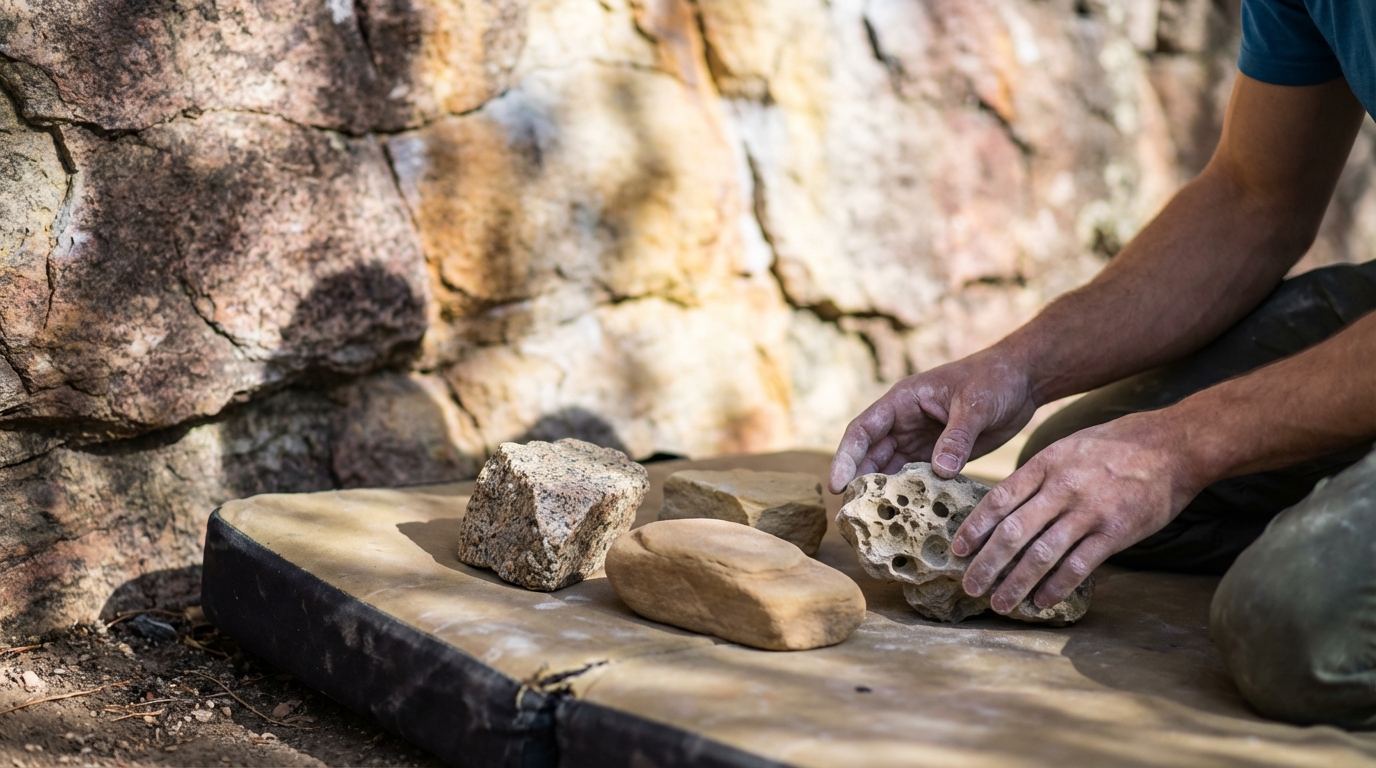
The practice of climbing involves a dynamic interplay between human skill and the natural environment. At its core, this interaction is defined by the rock itself. Understanding the geological characteristics of different rock types is not merely an academic exercise for climbers; it is a fundamental aspect of preparation, safety, and efficient movement. Each rock type presents unique challenges and opportunities, influencing everything from the type of holds available to the overall stability and friction. Delving into the geology beneath our fingertips provides a deeper appreciation for the climbing environment and equips climbers with valuable insights for navigating diverse terrain.
Igneous Rocks
Igneous rocks are formed from the cooling and solidification of molten rock (magma or lava). Their formation process typically results in a crystalline structure, varying in grain size depending on the cooling rate. This inherent structure has significant implications for climbers.
Granite
- **Formation**: Granite is an intrusive igneous rock, meaning it forms from magma that cools slowly beneath the Earth’s surface, allowing large mineral crystals to develop.
- **Characteristics**:
- **Texture and Friction**: Characterized by a coarse, crystalline texture composed primarily of quartz, feldspar, and mica. This composition generally provides excellent friction, making it a favorite for many styles of climbing, including friction slabs and technical face climbing.
- **Features**: Often forms large, solid formations. Common climbing features include cracks (ranging from thin fingers to wide chimneys), friction slabs, rounded domes, and relatively consistent face holds. Dihedral corners and various forms of crack systems are also prevalent.
- **Durability**: Highly durable and resistant to weathering, offering generally stable and reliable holds.
- **Climbing Implications**: Climbers often appreciate granite for its solid nature and the variety of challenges it presents. The friction can be highly reliable, though prolonged wet conditions can reduce it significantly.
Basalt
- **Formation**: Basalt is an extrusive igneous rock, forming from lava that cools quickly on the Earth’s surface.
- **Characteristics**:
- **Texture and Friction**: Typically fine-grained to aphanitic (crystals too small to see without magnification), giving it a smoother, denser feel than granite. The friction can vary; some basalt provides adequate grip, while others can be quite slick, especially when polished or wet.
- **Features**: Famous for its columnar jointing, where lava contracts as it cools, forming hexagonal or polygonal columns. These columns can create unique climbing features, including cracks along the joint lines, vertical faces, and sometimes blocky or pocketed terrain.
- **Durability**: Generally strong and stable, but can sometimes have loose flakes or be surprisingly brittle in certain formations.
- **Climbing Implications**: Climbing on basalt often involves navigating its characteristic columns. The rock can be less abrasive than granite, requiring different footwork and grip strength, and its friction can be less predictable.
Sedimentary Rocks
Sedimentary rocks are formed from the accumulation or deposition of mineral or organic particles (sediments) on the Earth’s surface, followed by compaction and cementation. This layered formation process is a defining characteristic that significantly impacts climbing.
Sandstone
- **Formation**: Formed from cemented grains of sand, primarily quartz, often deposited in ancient riverbeds, lakes, or coastal environments.
- **Characteristics**:
- **Texture and Friction**: Texture ranges from fine to coarse-grained. It can offer excellent friction when dry due to its abrasive nature. However, sandstone is notably porous, meaning it absorbs water. When wet, its integrity and friction can be significantly compromised, making it delicate and slippery.
- **Features**: Exhibits diverse formations, including extensive crack systems, horizontal breaks, large overhangs, pockets, slopers, and sometimes delicate flakes. Erosion can carve out unique features like arches and complex wall patterns.
- **Durability**: Varies greatly with the type of cementation and grain size. Some sandstone is incredibly solid, while others can be soft and prone to crumbling or breaking, especially after rain or thaw cycles.
- **Climbing Implications**: Climbers on sandstone must pay close attention to recent weather. Dry conditions provide good friction, but climbing on wet sandstone can be harmful to the rock and hazardous for the climber due to reduced strength and increased friability. Its diverse features often lead to technical and intricate climbing.
Limestone
- **Formation**: Primarily formed from the accumulation of marine organism shells and skeletons (calcium carbonate) in ancient oceans.
- **Characteristics**:
- **Texture and Friction**: Generally has a solid, dense feel with varying textures. It often provides high friction, though heavily trafficked routes can develop polished, slick surfaces. It can be sharp in places due to weathering.
- **Features**: Renowned for its unique solution features created by water erosion (karst topography). These include:
- **Tufas**: Flowstone formations creating varied holds.
- **Pockets**: Finger-sized to hand-sized depressions.
- **Grooves and Fluting**: Vertical channels.
- **Colonnades**: Pillar-like structures.
- **Durability**: Generally strong and stable. However, loose blocks or fragile formations can exist, especially in heavily weathered areas.
- **Climbing Implications**: Limestone frequently offers complex and three-dimensional climbing. The diverse holds and steep terrain often favor strength and endurance. Climbers should be mindful of potential polishing on popular routes and the sharp nature of some features.
Conglomerate
- **Formation**: A clastic sedimentary rock composed of rounded gravel and pebbles cemented together by a finer-grained matrix (often sand or clay).
- **Characteristics**:
- **Texture and Friction**: The surface is characterized by the exposed rounded clasts, which provide distinct and often positive holds. The friction varies depending on the clast type and the matrix, but generally offers good grip.
- **Features**: Climbing on conglomerate involves utilizing the embedded pebbles and cobbles as holds, sometimes in conjunction with features in the matrix. Routes can be very distinct due to the irregular nature of the embedded rocks.
- **Durability**: Depends heavily on the strength of the cementation. If the matrix is strong, the rock is stable; if it’s weak, pebbles can pop out, creating dangerous situations.
- **Climbing Implications**: Offers unique climbing challenges where the key is to understand which embedded rocks are stable and how to best utilize their often bulbous or rounded shapes. Careful testing of holds is particularly important on this rock type.
Metamorphic Rocks
Metamorphic rocks are formed when existing rocks (igneous, sedimentary, or other metamorphic rocks) are subjected to intense heat, pressure, or chemical alteration, causing them to change their physical and chemical properties without melting. This transformation often results in distinctive textures and structures.
Gneiss
- **Formation**: A high-grade metamorphic rock formed from the intense metamorphism of granite or volcanic rocks.
- **Characteristics**:
- **Texture and Friction**: Characterized by distinct banding (foliation) of light and dark minerals. The texture is generally coarse and crystalline, similar to granite in feel, and typically provides excellent friction.
- **Features**: Often presents as massive, solid walls with a variety of features including cracks, slabs, and face climbing holds. The foliation can sometimes create ledges or weaknesses.
- **Durability**: Very durable and stable, making it a reliable rock for climbing.
- **Climbing Implications**: Climbing on gneiss often feels akin to climbing on granite due to its similar mineralogical composition and friction properties. However, the banding can introduce subtle differences in hold structure and rock integrity.
Quartzite
- **Formation**: A metamorphic rock formed from pure quartz sandstone under intense heat and pressure. The quartz grains recrystallize, fusing together.
- **Characteristics**:
- **Texture and Friction**: Extremely hard and dense, with a glassy, sharp texture. It provides exceptional friction due to its high quartz content and often angular features.
- **Features**: Often forms sharp, angular features, edges, and sometimes pockets or small crimps. It can be very solid, offering minimal but incredibly positive holds.
- **Durability**: Among the hardest and most resistant rocks, making it exceptionally stable and durable.
- **Climbing Implications**: Quartzite routes can be very technical, relying on precise footwork and strong fingers due to the sharpness and sometimes scarcity of holds. The friction is usually superb.
Slate
- **Formation**: A fine-grained, foliated metamorphic rock formed from the metamorphism of shale or mudstone.
- **Characteristics**:
- **Texture and Friction**: Characterized by its strong slaty cleavage, allowing it to split into thin, flat sheets. The surface is generally smooth but can offer adequate friction when dry.
- **Features**: Climbing on slate often involves navigating small edges, sometimes sharp flakes, and parallel cracks formed by the cleavage. It can form expansive, relatively uniform faces.
- **Durability**: While individually durable, the cleavable nature means large flakes or sheets can sometimes detach, especially on weathered or unsound formations.
- **Climbing Implications**: Requires careful testing of holds due to the potential for delamination. Climbers often rely on precise footwork on small edges and slopers.
General Considerations for Climbers
Beyond the inherent geological properties of each rock type, several external factors influence the climbing experience and safety:
- **Weathering and Erosion**: Over time, wind, water, ice, and biological activity modify rock surfaces. This can create new holds, smooth out features, or weaken existing structures. Understanding how different rocks weather (e.g., limestone’s solution features versus sandstone’s friability) is important.
- **Moisture**: Water significantly impacts rock friction and stability. Porous rocks like sandstone become weaker and more delicate when wet. Even non-porous rocks can become slick.
- **Temperature Fluctuations**: Freeze-thaw cycles can expand cracks and loosen blocks, particularly after periods of precipitation.
- **Traffic and Polish**: High climbing traffic can polish rock surfaces, especially on limestone and granite, reducing friction over time.
- **Chalk Buildup**: Accumulation of chalk can fill in features and reduce natural friction, necessitating cleaning of routes.
Conclusion
The Earth’s geological diversity offers a vast array of climbing experiences, each defined by the distinct characteristics of igneous, sedimentary, and metamorphic rocks. From the solid friction of granite to the intricate features of limestone and the delicate nature of wet sandstone, every rock type presents its own set of rules and rewards. Acknowledging these geological fundamentals enhances a climber’s ability to adapt, mitigate risks, and deepen their connection with the natural environment. Such knowledge transforms the simple act of climbing into a more informed and respectful engagement with the planet’s ancient, powerful forces.
Frequently Asked Questions
Q: How does the grain size of a rock affect climbing?
A: Grain size influences the texture and ultimately the friction of the rock. Coarse-grained rocks like granite often provide excellent grip due to their abrasive surface. Fine-grained rocks, such as some basalt or very fine sandstone, can be smoother and offer less inherent friction, demanding more precise footwork or stronger grip.
Q: Can rock type impact the type of climbing available (e.g., crack climbing vs. face climbing)?
A: Absolutely. Rock type significantly influences feature formation. Granites are well-known for their extensive crack systems, lending themselves to crack climbing. Limestones frequently develop pockets, tufas, and overhangs suitable for powerful face climbing. Sandstones often feature unique erosional forms like arches and pockets, supporting varied styles.
Q: Why is climbing on wet sandstone generally discouraged?
A: Sandstone is a porous rock. When it absorbs water, its cementing agents can weaken, making the rock significantly softer and more susceptible to crumbling or breaking under stress. Climbing on wet sandstone can permanently damage holds and create unsafe conditions for the climber due to the increased friability and reduced friction.
Q: How can climbers identify different rock types on sight?
A: While field identification can be complex, some general clues include: the presence of visible mineral crystals (igneous like granite), distinct layering or embedded pebbles (sedimentary like sandstone or conglomerate), or foliation/banding (metamorphic like gneiss or slate). Observing the typical features (e.g., cracks vs. pockets vs. columns) can also provide strong hints.
Q: Does the type of rock affect the difficulty rating of a climb?
A: Indirectly, yes. The rock type dictates the available holds, friction, and overall character of a climb, which are all factors in establishing a route’s perceived difficulty. For example, a climb on sharp quartzite might involve tiny, positive crimps, while a limestone climb could feature powerful moves on large tufas, both challenging but in different ways specific to the rock’s properties.

Diana Miller, is a dedicated nature enthusiast and an outdoor adventurer. She began leading groups for excursions in her teens and never stopped. Following her passion for nature, she gathers her friends for outdoor trips every now and then. And for the last 10 years, she has executed workshops on backpacking, snow kayaking and traveling that included her main motive of lightweight packing while outdoors. During leisure, she loves planning for her next adventure.