
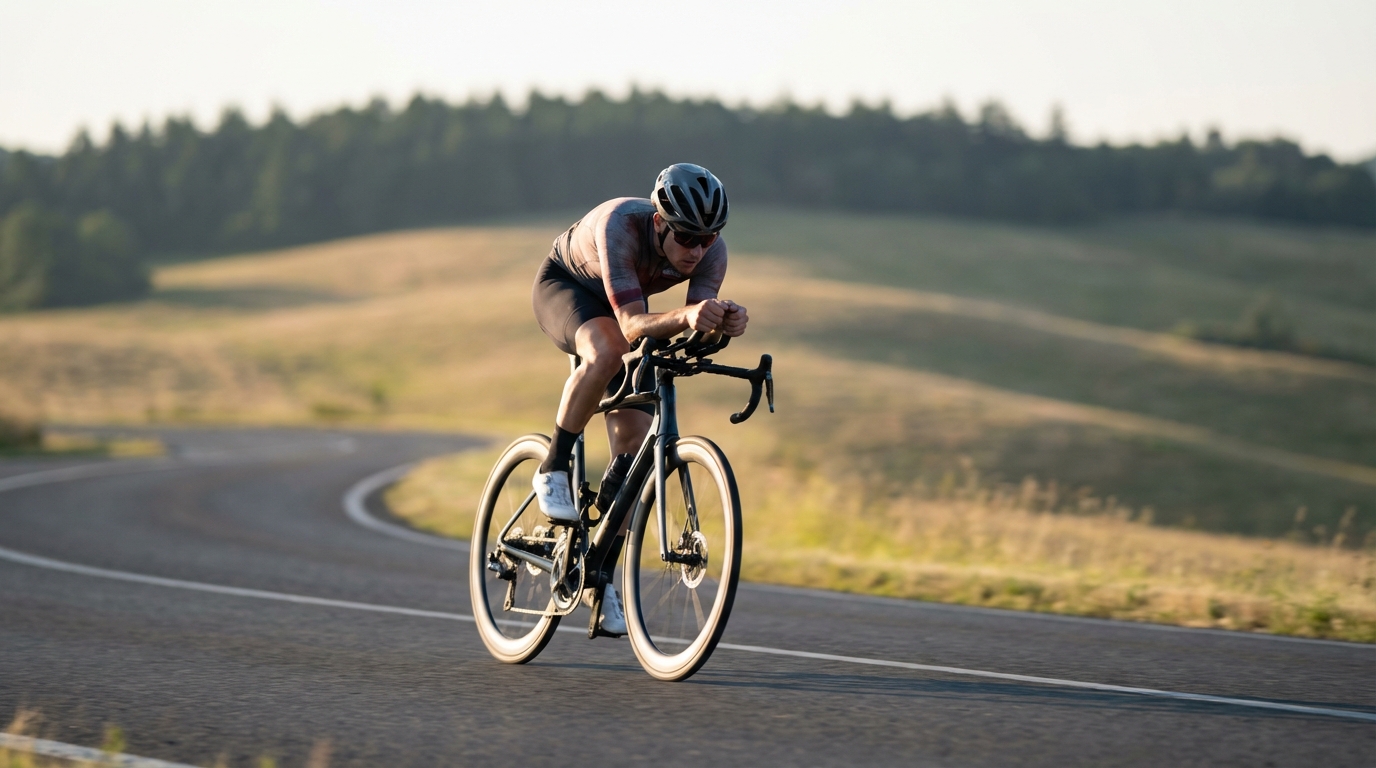
Aerodynamics is the study of how air interacts with moving objects. In the context of road cycling, it explores how the air resists a cyclist’s forward motion and how that resistance can be mitigated. As speeds increase, the impact of air resistance, often referred to as drag, becomes significantly more pronounced, making it a critical factor in performance, efficiency, and speed. Understanding the principles of aerodynamics allows cyclists and engineers to make informed decisions about rider position, equipment design, and overall strategy to enhance performance on the road.
The Fundamental Forces in Cycling
When a cyclist moves forward, they encounter several forces that oppose their motion. While gravity (on climbs) and rolling resistance (from tires on the road) are always present, aerodynamic drag emerges as the dominant opposing force at higher speeds, typically above 15-20 km/h. Comprehending these forces is foundational to appreciating the role of aerodynamics.
Aerodynamic Drag
Aerodynamic drag is the force that opposes the motion of an object through the air. It increases exponentially with speed, meaning that doubling your speed quadruples the aerodynamic drag. This significant relationship underscores why even small reductions in drag can lead to considerable gains in time or energy savings, particularly in events like time trials or during high-speed efforts.
Other Opposing Forces
- Rolling Resistance: This is the friction between the tires and the road surface. It depends on tire pressure, tire construction, and road surface texture. While always present, its relative importance diminishes as speed increases compared to aerodynamic drag.
- Gravity: This force becomes dominant when cycling uphill. The steeper the gradient, the more energy is required to overcome gravity.
- Internal Friction: Friction within the drivetrain components, such as the chain, gears, and bearings, also contributes to energy loss, though typically to a lesser extent than the other forces mentioned.
Components of Aerodynamic Drag
Aerodynamic drag is not a single, monolithic force but rather a combination of different components. By understanding these individual elements, it becomes clearer where efforts to reduce drag can be most effective.
Form Drag (Pressure Drag)
Form drag, also known as pressure drag, is the most substantial component of aerodynamic drag in cycling. It arises from the pressure difference created as air flows around an object. When air hits the front of a cyclist and their equipment, it creates high pressure. As the air flows around and detaches from the rear, it creates a turbulent wake of low pressure. This pressure differential “pulls” the cyclist backward. The shape and frontal area of the object heavily influence form drag; blunt shapes create more turbulence and thus more drag than streamlined shapes.
Skin Friction Drag
Skin friction drag results from the friction between the moving air and the surface of the cyclist and their equipment. Air molecules rubbing against the surface create a viscous shearing force that opposes motion. While generally a smaller component than form drag, particularly for non-aerodynamic shapes, it becomes more significant as surfaces become rougher or for objects with very long, slender profiles designed to minimize form drag.
Interference Drag
Interference drag occurs when the airflow around one component interacts with the airflow around another adjacent component, creating additional turbulence and increasing overall drag. A common example in cycling is the interaction between a rider’s legs and the bicycle frame, or between the handlebars and the head tube. Optimized designs often consider how components integrate to minimize these adverse interactions.
Factors Influencing Aerodynamic Drag
Several variables contribute to the total aerodynamic drag experienced by a cyclist. These factors can be broadly categorized into rider characteristics, equipment design, and environmental conditions.
Rider Position and Clothing
The cyclist’s body typically accounts for 70-80% of the total aerodynamic drag. Consequently, rider position is the single most critical factor in determining aerodynamic performance. A lower, more tucked position reduces frontal area and presents a more streamlined shape to the airflow. Similarly, clothing choices play a significant role:
- Tight-fitting, smooth fabrics minimize wrinkles and flapping, which can create turbulence and increase skin friction drag.
- Fabrics with specific textures can sometimes manipulate airflow, guiding it more smoothly over the body, reducing drag.
Equipment Design
While the rider is the primary contributor to drag, the bicycle and its components also have a measurable impact. Engineers constantly work to integrate aerodynamic principles into equipment design:
- Frame profiles: Tubes are shaped into airfoil-like profiles (truncated or full airfoils) to cut through the air more efficiently.
- Wheels: Deeper section rims, fewer spokes, and specific spoke profiles are designed to reduce drag and maintain stability in various wind conditions.
- Helmets: Streamlined helmet shapes are designed to smooth the airflow over the rider’s head and shoulders.
- Handlebars and cockpit: Integrated handlebar and stem designs, internal cable routing, and specific bar shapes aim to reduce frontal area and improve airflow.
Environmental Conditions
The surrounding environment also influences aerodynamic drag:
- Air Density: Denser air creates more drag. Air density is affected by temperature, atmospheric pressure, and humidity. Colder, higher-pressure, and drier air is denser.
- Wind Speed and Direction: Headwinds significantly increase the effective speed of the air relative to the cyclist, dramatically increasing drag. Crosswinds can introduce additional challenges, affecting stability and potentially creating different drag characteristics depending on the equipment and rider orientation.
Quantifying Aerodynamic Performance (CdA)
To systematically understand and compare aerodynamic efficiency, a metric known as CdA (Coefficient of Drag Area) is frequently used. CdA combines the coefficient of drag (Cd) and the frontal area (A) of the cyclist and their equipment into a single value.
- Coefficient of Drag (Cd): This dimensionless number represents how aerodynamically “slippery” a shape is, independent of its size. A lower Cd indicates a more aerodynamic shape.
- Frontal Area (A): This is the area of the object projected onto a plane perpendicular to the direction of motion. A smaller frontal area generally results in lower drag.
A lower CdA value signifies better aerodynamic performance. This metric is crucial for comparing different rider positions, equipment configurations, or even individual cyclists. It allows for a standardized way to assess aerodynamic efficiency, often measured in wind tunnels or through sophisticated field testing methods.
Strategies for Aerodynamic Optimization
Achieving a more aerodynamic setup involves a multifaceted approach, focusing on adjustments that reduce frontal area, streamline shapes, and manage airflow effectively.
Refining Rider Positioning
This is often the most impactful area for improvement. Cyclists can work on:
- Lowering the torso: Getting lower reduces the rider’s frontal area.
- Narrowing the shoulders and arms: Bringing the arms closer together minimizes the overall width presented to the wind.
- Tucking the head: Keeping the head low and in line with the body helps to maintain a smooth airflow over the upper back.
- Adopting a stable position: While an aggressive position can reduce drag, it must also be sustainable for the duration of the effort to be truly beneficial.
Strategic Equipment Selection
While specific products are not recommended, the principles guiding equipment selection for aerodynamics are important:
- Frames: Opt for frames with tubes shaped to cut through the air efficiently.
- Wheels: Consider wheels with deeper rim sections or specific spoke counts and profiles designed for aerodynamics.
- Helmets: Choose helmets designed to guide air smoothly over the head and shoulders.
- Integrated components: Handlebar and stem systems that reduce exposed cables and present a cleaner profile can offer aerodynamic advantages.
Mindful Clothing Choices
The garments worn can significantly affect drag:
- Close-fitting attire: Ensure cycling clothing is snug to prevent flapping material.
- Smooth fabrics: Prioritize materials that offer minimal surface friction.
- Aerodynamic textiles: Some garments incorporate textured fabrics in specific zones to optimize airflow.
Maintenance and Setup
Attention to small details can also contribute to aerodynamic efficiency:
- Clean surfaces: Dirt and grime can subtly alter airflow characteristics.
- Cable management: Ensuring cables are tucked away or internally routed reduces their impact on airflow.
- Tire pressure: While primarily affecting rolling resistance, correctly inflated tires can also interact with airflow around the wheel.
Conclusion
Aerodynamics is a sophisticated field that plays a vital role in the performance of road cyclists. At higher speeds, the resistive force of air drag becomes the predominant factor to overcome, far outweighing other resistances like rolling friction or gravity on flat terrain. By understanding the components of drag, the various factors that influence it, and by strategically optimizing rider position, equipment, and clothing, cyclists can significantly enhance their efficiency and speed. The continuous evolution in aerodynamic research and design underscores its enduring importance in the pursuit of marginal gains and improved cycling performance.
Frequently Asked Questions (FAQs)
What is the primary force opposing a cyclist’s motion at higher speeds?
At higher cycling speeds, typically above 15-20 km/h, aerodynamic drag becomes the dominant force opposing a cyclist’s forward motion. This force increases exponentially with speed, meaning that even small increases in velocity lead to disproportionately larger increases in the resistance encountered from the air.
Why is rider position considered the most crucial aerodynamic factor?
The cyclist’s body accounts for approximately 70-80% of the total aerodynamic drag. Therefore, adjusting the rider’s position to reduce their frontal area and create a more streamlined shape has the most significant impact on overall drag reduction compared to modifications of the bicycle itself.
Does a heavier rider experience more aerodynamic drag?
Aerodynamic drag is primarily influenced by the rider’s shape, frontal area, and the relative speed of the air, not directly by their mass. A heavier rider with the same frontal area and shape as a lighter rider will experience similar aerodynamic drag. However, a heavier rider might be able to maintain a higher power output for longer or absorb more energy during descents, which can influence overall speed in different ways.
How does air density affect aerodynamic drag?
Air density has a direct and proportional relationship with aerodynamic drag. Denser air creates more resistance. Air density increases with lower temperatures, higher atmospheric pressure, and lower humidity. Therefore, cycling in colder, higher-pressure, or drier conditions will result in greater aerodynamic drag compared to warmer, lower-pressure, or more humid conditions, assuming all other factors remain constant.
Is aerodynamics only relevant for professional cyclists?
While often highlighted in professional racing due to the pursuit of marginal gains, aerodynamics is relevant for cyclists of all levels. Anyone who cycles at moderate to high speeds will benefit from understanding and applying aerodynamic principles. Even for recreational riders, reducing drag can lead to less effort required to maintain a certain speed, allowing for longer rides or improved comfort.

Diana Miller, is a dedicated nature enthusiast and an outdoor adventurer. She began leading groups for excursions in her teens and never stopped. Following her passion for nature, she gathers her friends for outdoor trips every now and then. And for the last 10 years, she has executed workshops on backpacking, snow kayaking and traveling that included her main motive of lightweight packing while outdoors. During leisure, she loves planning for her next adventure.