
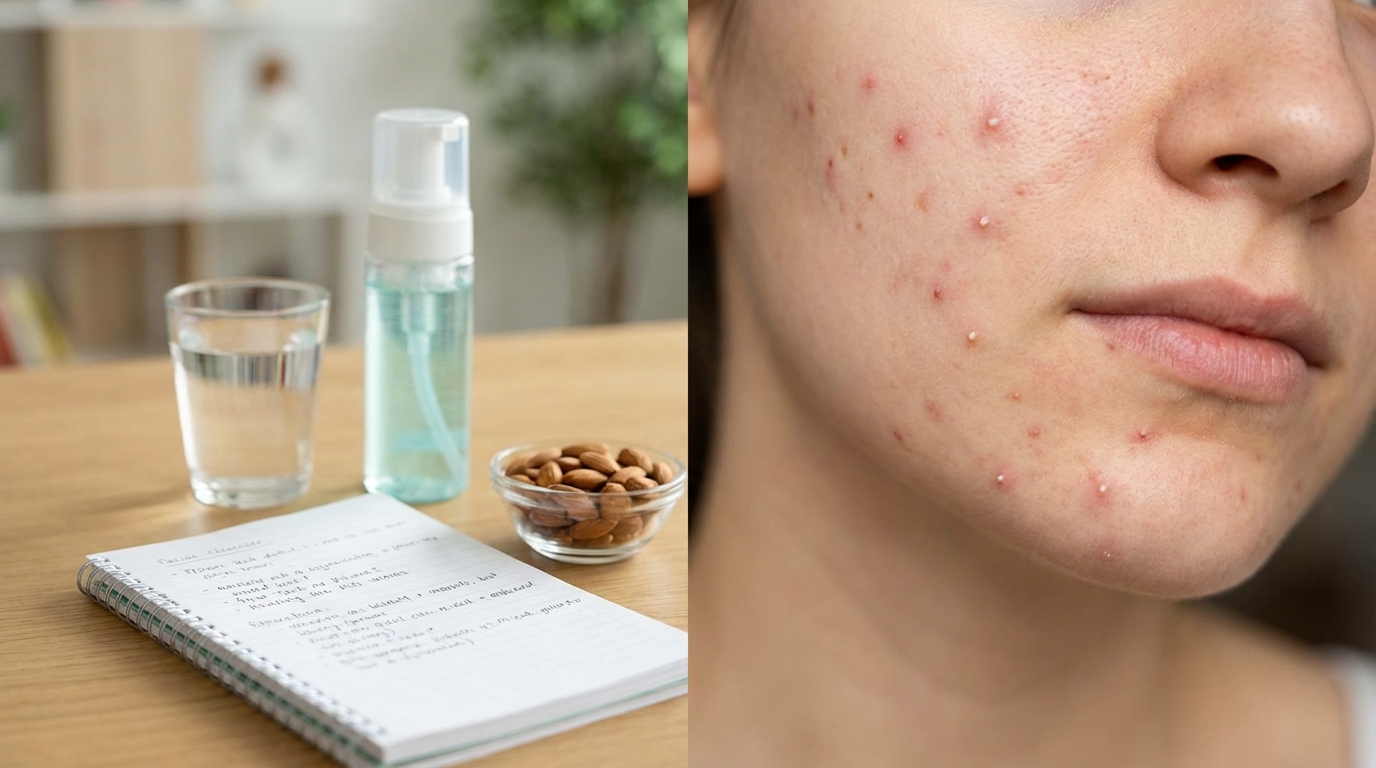
Understanding Acne Types and Their Triggers
Acne vulgaris, commonly referred to simply as acne, is a widespread skin condition affecting individuals across various age groups, though it is particularly prevalent during adolescence. It manifests through a range of skin lesions that develop when hair follicles become clogged with oil (sebum) and dead skin cells. While many associate acne solely with pimples, the condition encompasses a broader spectrum of lesion types, each with distinct characteristics. Gaining a comprehensive understanding of these types and the factors that can initiate or exacerbate them is a fundamental step toward managing the condition effectively. This post will delve into the different forms acne can take and explore the various internal and external elements that contribute to its development.The Genesis of Acne
At its core, acne originates within the pilosebaceous unit, which consists of a hair follicle and its associated sebaceous (oil) gland. The sebaceous glands produce sebum, an oily substance that lubricates the skin and hair. Under normal circumstances, sebum and dead skin cells are shed from the follicle onto the skin’s surface. However, several factors can disrupt this process: * **Excess Sebum Production:** Overactive sebaceous glands can produce an abundance of sebum. * **Follicular Hyperkeratinization:** Dead skin cells, instead of shedding normally, accumulate and stick together, plugging the follicle opening. * **Bacterial Proliferation:** *Propionibacterium acnes* (P. acnes), a bacterium naturally present on the skin, can thrive in the oxygen-poor, oil-rich environment of a clogged follicle. * **Inflammation:** The body’s immune response to the bacteria and clogged follicle leads to inflammation, causing redness and swelling. These four factors, in varying degrees, contribute to the formation of different acne lesions.Common Types of Acne Lesions
Acne lesions can broadly be categorized into non-inflammatory and inflammatory types.Non-Inflammatory Acne
These lesions are characterized by clogged pores without significant redness or swelling initially. * **Comedones:** These are the foundational lesions of acne and are essentially clogged hair follicles. * **Blackheads (Open Comedones):** These appear as small, dark spots on the skin. The pore is open to the surface, and the dark color is not dirt, but rather the oxidation of melanin and sebum upon exposure to air. * **Whiteheads (Closed Comedones):** These are small, flesh-colored or whitish bumps. The pore is completely blocked beneath the skin’s surface, trapping sebum and dead skin cells. They do not have an opening to the air.Inflammatory Acne
These lesions develop when bacteria, sebum, and dead skin cells trapped within a follicle cause irritation and an immune response, leading to inflammation. * **Papules:** These are small, solid, red, and tender bumps that lack a pus-filled center. They form when a clogged follicle wall ruptures, releasing bacteria and irritants into the surrounding skin tissue, prompting an inflammatory reaction. * **Pustules:** Similar to papules, but these are distinctively pus-filled lesions. They appear as red bumps with a white or yellowish center. Pustules typically form when the inflammation in a papule progresses and collects white blood cells (pus). * **Nodules:** These are larger, solid, painful, and firm lesions that develop deep beneath the skin’s surface. Nodules occur when the follicular wall ruptures deep within the dermis, causing a significant inflammatory response that affects larger areas of tissue. They can persist for weeks or months and carry a higher risk of scarring. * **Cysts:** These are the most severe form of acne lesion. Cysts are large, soft, fluid-filled, painful lumps that are also deep beneath the skin. They are often interconnected below the skin’s surface and contain pus, blood, and cellular debris. Cysts are extremely inflammatory and almost always result in scarring.Less Common or Specific Acne Forms
Beyond the typical lesions, there are other classifications of acne or conditions that resemble acne. * **Acne Mechanica:** This type of acne is caused by heat, pressure, and friction against the skin. It is often seen in athletes due to helmets, tight clothing, headbands, or prolonged rubbing. * **Acne Cosmetica:** This refers to acne caused or exacerbated by certain ingredients in cosmetics, skincare products, or hair products that clog pores (comedogenic ingredients). * **Fungal Acne (Malassezia Folliculitis):** While often mistaken for acne, this condition is actually caused by an overgrowth of yeast (Malassezia) in the hair follicles, not by P. acnes bacteria. It typically presents as small, uniform, itchy bumps, often on the forehead, chest, and back, and does not respond to conventional acne treatments. * **Acne Fulminans:** A rare but extremely severe form of acne that involves sudden onset of widespread painful nodules, cysts, and ulcerative lesions, often accompanied by systemic symptoms like fever and joint pain.Understanding Acne Triggers and Contributing Factors
Acne is a complex condition influenced by a combination of internal and external factors. Identifying potential triggers can be helpful in managing outbreaks.Hormonal Fluctuations
Hormones, particularly androgens, play a significant role in stimulating sebum production. * **Puberty:** An increase in androgen levels during adolescence is a primary reason for the high prevalence of acne in teenagers. * **Menstrual Cycle:** Hormonal shifts during the menstrual cycle can cause premenstrual flare-ups in adult females. * **Pregnancy:** Hormonal changes during pregnancy can also lead to acne in some individuals. * **Polycystic Ovary Syndrome (PCOS):** This endocrine disorder is frequently associated with elevated androgen levels, leading to persistent acne, hirsutism (excess hair growth), and irregular periods.Genetics
There is a strong genetic predisposition to acne. If one or both parents experienced acne, their children are more likely to develop it. Genetic factors can influence pore size, sebum production, and the skin’s inflammatory response.Dietary Considerations
While not universally accepted as a direct cause, some studies suggest a potential link between certain dietary patterns and acne severity in some individuals. * **High Glycemic Index Foods:** Foods that cause rapid spikes in blood sugar (e.g., refined carbohydrates, sugary drinks) may stimulate hormonal responses that influence sebum production and inflammation. * **Dairy Products:** Some research indicates an association between dairy consumption and acne, though the exact mechanisms are still being investigated and may involve hormones present in milk. It is important to note that dietary influences on acne are highly individual and vary from person to person.Stress
Stress does not directly cause acne, but it can exacerbate existing conditions. When stressed, the body releases hormones like cortisol, which can potentially stimulate sebaceous glands and increase inflammation, leading to flare-ups.Medications
Certain medications can trigger or worsen acne as a side effect. These include: * Corticosteroids * Lithium * Antiepileptic drugs * Testosterone * Some oral contraceptivesFriction and Pressure
As seen with acne mechanica, anything that creates sustained pressure, friction, or rubbing against the skin can irritate hair follicles and lead to breakouts. This includes tight clothing, backpack straps, phone screens, or sports equipment.Cosmetics and Skincare Products
Products applied to the skin can contribute to acne if they contain comedogenic (pore-clogging) ingredients. Heavy, oil-based makeup, lotions, and sunscreens can trap dead skin cells and sebum within follicles.Environmental Factors
* **High Humidity and Heat:** These conditions can increase sweating and sebum production, potentially contributing to clogged pores. * **Pollution:** Exposure to environmental pollutants may contribute to oxidative stress and inflammation in the skin.Hygiene Habits
While acne is not caused by dirt, certain hygiene practices can influence it. * **Insufficient Cleansing:** Not regularly cleansing the skin can lead to a buildup of dead skin cells and sebum. * **Over-washing or Harsh Scrubbing:** Conversely, excessive or aggressive cleansing can irritate the skin, disrupt its natural barrier, and potentially worsen inflammation, stimulating further sebum production.Conclusion
Acne is a multifaceted skin condition characterized by a range of lesion types, from non-inflammatory blackheads and whiteheads to severe inflammatory nodules and cysts. Its development is often a complex interplay of genetic predisposition, hormonal fluctuations, and various environmental and lifestyle factors. Understanding the specific type of acne present and identifying its potential triggers is crucial for effective management. This knowledge empowers individuals to make informed decisions about their skincare approach and overall habits, fostering a clearer path towards healthier skin.Frequently Asked Questions (FAQs)
**Q1: Can diet truly cause acne?** A1: While diet is generally not considered a direct or sole cause of acne, certain dietary patterns, particularly those high in refined carbohydrates or certain dairy products, have been observed to correlate with acne severity in some individuals. However, the exact mechanisms are complex, and the impact of diet varies significantly from person to person. **Q2: Is acne a sign of poor hygiene?** A2: No, acne is not primarily caused by poor hygiene. It results from a combination of hormonal changes, excess sebum production, follicular clogging, and bacterial activity. While inadequate cleansing can allow dead skin cells and oil to accumulate, over-washing or aggressive scrubbing can also irritate the skin and potentially worsen acne. **Q3: Do all acne types leave scars?** A3: Not all acne types leave scars. Non-inflammatory lesions like blackheads and whiteheads typically heal without scarring. Inflammatory lesions, particularly deeper ones such as nodules and cysts, carry a higher risk of causing post-inflammatory hyperpigmentation (dark spots) or permanent textural scars (atrophic or hypertrophic scars) due to significant tissue damage. **Q4: Can stress directly trigger acne?** A4: Stress itself does not directly cause acne, but it can act as a significant exacerbating factor for existing acne. When under stress, the body releases hormones that can stimulate oil glands and promote inflammation, potentially leading to increased breakouts or worsening current lesions. **Q5: What’s the difference between a nodule and a cyst?** A5: Both nodules and cysts are severe forms of inflammatory acne, but they differ in their characteristics. Nodules are firm, solid, painful lumps that form deep within the skin’s surface. Cysts, on the other hand, are larger, softer, fluid-filled, and very painful lesions that are also deep. Cysts typically contain pus, blood, and cellular debris, and often have a higher potential for extensive scarring due to their significant depth and inflammatory nature.
Diana Miller, is a dedicated nature enthusiast and an outdoor adventurer. She began leading groups for excursions in her teens and never stopped. Following her passion for nature, she gathers her friends for outdoor trips every now and then. And for the last 10 years, she has executed workshops on backpacking, snow kayaking and traveling that included her main motive of lightweight packing while outdoors. During leisure, she loves planning for her next adventure.