
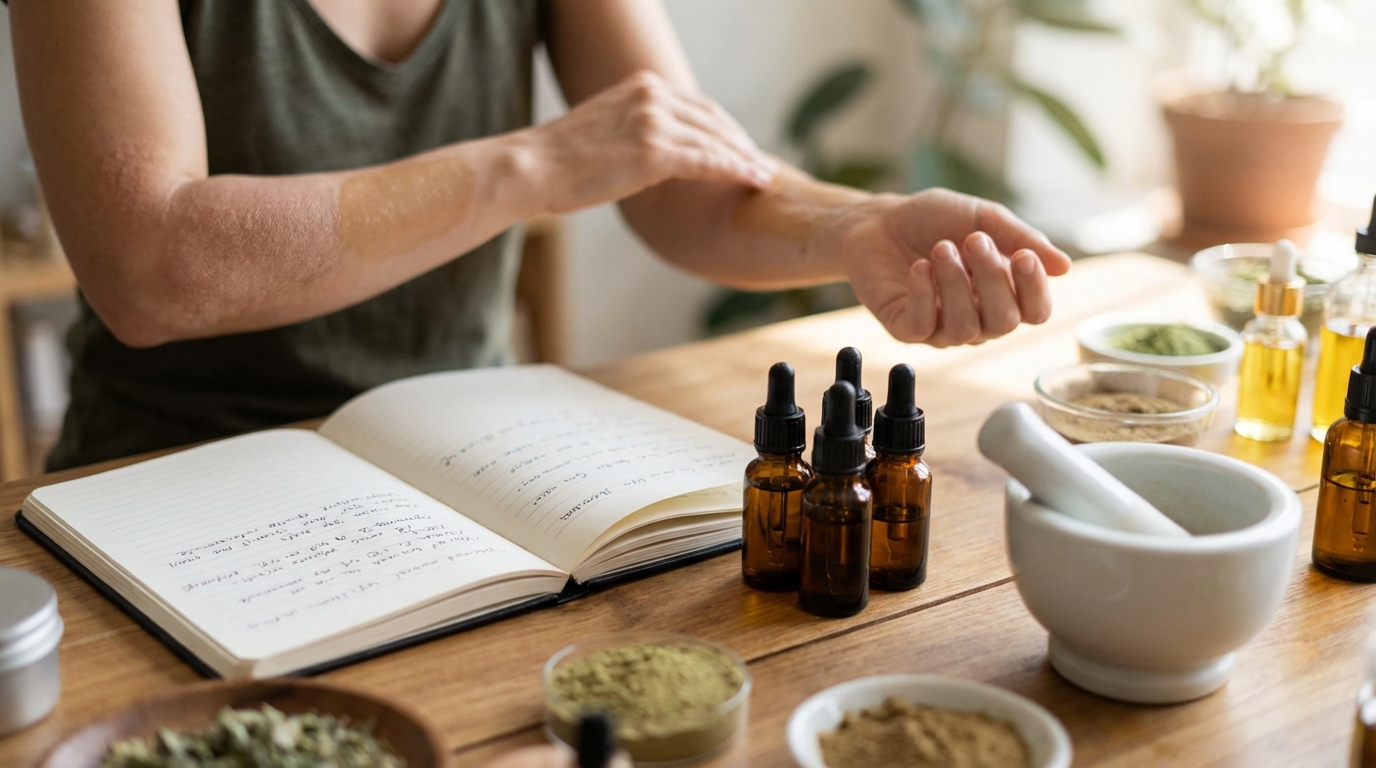
The world of makeup is vast, encompassing an incredible array of formulations designed to enhance appearance. At the heart of every product lies a complex blend of ingredients, each chosen for specific properties. However, the efficacy and comfort of these products are not universal. A fundamental aspect often overlooked is how these ingredients interact uniquely with different skin types. Understanding these interactions is crucial for anyone seeking to make informed choices about their cosmetic applications. This exploration delves into the science behind how various skin conditions influence the performance and perception of makeup ingredients, highlighting the intricate relationship between formulation chemistry and individual dermal physiology.
The Foundations of Skin and Ingredient Interaction
Skin, our body’s largest organ, acts as a primary barrier against the environment. Its structure and function vary among individuals, leading to distinct skin types. These differences directly impact how ingredients are absorbed, retained, or reacted to on the skin’s surface.
Skin’s Barrier Function
The outermost layer of the skin, the stratum corneum, is a protective barrier composed of corneocytes (skin cells) embedded in a lipid matrix. This barrier regulates water loss and prevents the entry of irritants and microbes. The integrity of this barrier significantly influences how makeup ingredients interact:
- Intact Barrier: A healthy barrier efficiently holds moisture and limits the penetration of substances, often requiring ingredients with specific delivery systems to exert effects beyond the surface.
- Compromised Barrier: A weakened barrier allows for greater transepidermal water loss and increased permeability to external substances, making the skin more susceptible to irritation or sensitivity from certain ingredients.
Categories of Makeup Ingredients and Their General Roles
Makeup formulations contain a diverse range of components, broadly categorized by their function:
- Emollients: Soften and smooth the skin by filling gaps between skin cells, improving texture and suppleness. Examples include fatty acids, esters, and natural oils.
- Humectants: Attract and bind water from the environment or deeper skin layers, providing hydration. Glycerin, hyaluronic acid, and urea are common humectants.
- Occlusives: Form a physical barrier on the skin’s surface to prevent water loss, sealing in moisture. Petrolatum, mineral oil, and silicones are typical occlusives.
- Pigments: Provide color and coverage. Mineral pigments like titanium dioxide and iron oxides are widely used.
- Binders and Fillers: Give products structure, texture, and bulk. Talc, mica, and various starches fall into this category.
- Preservatives: Prevent microbial growth, extending product shelf life and ensuring safety. Parabens and phenoxyethanol are common examples.
- Sensory Modifiers: Influence the feel and spreadability of a product, such as silicones or certain alcohols.
Ingredient Interactions with Specific Skin Conditions
The interplay between these ingredient categories and the unique characteristics of different skin types dictates the overall experience and outcome.
Dry Skin
Dry skin is characterized by a diminished capacity to produce natural oils (sebum) and often a compromised skin barrier, leading to a lack of moisture and potential flakiness or tightness.
- Preferred Ingredients: Ingredients that replenish the skin’s lipid barrier and provide ample hydration are generally well-tolerated.
- Humectants: Attract and hold water, helping to alleviate dryness.
- Emollients: Smooth and soften rough patches, improving skin texture.
- Occlusives: Create a protective layer, minimizing transepidermal water loss.
- Considerations: Drying ingredients such as high concentrations of denatured alcohol or certain astringents can exacerbate dryness and discomfort. Powder-heavy formulations may cling to dry patches, highlighting them.
Oily Skin
Oily skin produces an excess of sebum, leading to a shiny appearance, larger pores, and a predisposition to congestion.
- Preferred Ingredients: Formulations that manage oil production and maintain a matte finish are often sought after.
- Oil-absorbing agents: Ingredients like clays (kaolin, bentonite) or silica can help absorb excess surface oil.
- Non-comedogenic ingredients: Formulations designed to not clog pores are generally favorable.
- Lightweight emollients/occlusives: Silicones (e.g., dimethicone) can provide a smooth feel without contributing to a heavy or greasy sensation.
- Considerations: Heavy oils and highly occlusive ingredients can contribute to a greasy feel or potentially exacerbate pore congestion.
Combination Skin
Combination skin presents a mix of oily and dry areas, typically an oily T-zone (forehead, nose, chin) and drier cheeks.
- Preferred Ingredients: A balanced approach is often beneficial, sometimes requiring different products or application techniques for specific zones.
- Moderate humectants and emollients: Provide hydration without excessive oiliness.
- Oil-controlling agents: Can be applied strategically to oilier areas.
- Considerations: Products that are too rich can overwhelm oily areas, while those that are too drying can further dehydrate drier zones.
Sensitive Skin
Sensitive skin is prone to reactions such as redness, itching, stinging, or burning, often due to a compromised barrier function or heightened reactivity to environmental factors or certain ingredients.
- Preferred Ingredients: Minimalist formulations with a reduced number of potential irritants are often preferred.
- Soothing agents: Ingredients like allantoin or bisabolol can help calm the skin.
- Fragrance-free and dye-free: These common irritants are typically avoided.
- Gentle preservatives: Formulations with well-tolerated preservatives are often sought.
- Considerations: Fragrances (synthetic and natural), essential oils, certain preservatives, harsh surfactants, and some chemical sunscreens can trigger reactions. Patch testing new products is frequently advised.
Acne-Prone Skin
Acne-prone skin is characterized by an increased tendency for breakouts, blackheads, and whiteheads, often linked to excess sebum, clogged pores, bacteria, and inflammation.
- Preferred Ingredients: Formulations that are non-comedogenic and contain ingredients known to help manage congestion and inflammation are generally considered.
- Non-comedogenic ingredients: Chosen to not block pores.
- Mild exfoliating agents: Ingredients like salicylic acid, in appropriate concentrations, can help to exfoliate within the pore lining.
- Anti-inflammatory components: To help soothe redness and irritation.
- Considerations: Heavy, occlusive oils and waxes can exacerbate pore clogging. Irritating ingredients can worsen inflammation and lead to post-inflammatory hyperpigmentation.
Mature Skin
Mature skin typically experiences reduced sebum production, slower cell turnover, decreased collagen and elastin, leading to dryness, fine lines, and loss of firmness.
- Preferred Ingredients: Ingredients that provide intense hydration, support the skin barrier, and promote skin renewal are beneficial.
- Hyaluronic acid and ceramides: Aid in deep hydration and barrier repair.
- Nourishing emollients: Richer oils and butters can replenish lipids.
- Antioxidants and peptides: To help protect the skin and support its structure.
- Considerations: Overly drying products or those that strip natural oils can further compromise the skin barrier and accentuate the appearance of lines.
Factors Influencing Ingredient Interaction
Beyond the inherent characteristics of skin types, several other factors can modify how makeup ingredients interact with the skin:
- Formulation Chemistry: The way ingredients are combined, their concentration, pH, and the presence of delivery systems (e.g., encapsulated ingredients) significantly impact their stability, penetration, and efficacy. An ingredient beneficial in one concentration might be irritating in another, or its effect might be altered by synergistic or antagonistic interactions with other components.
- Environmental Factors: Humidity levels, temperature, and pollution can influence skin hydration, barrier function, and ingredient stability on the skin. For example, in dry climates, humectants might draw moisture from deeper skin layers rather than the environment, potentially causing increased dryness if not paired with occlusives.
- Individual Biological Variations: Genetics, hormonal fluctuations, diet, stress levels, and medications can all influence skin condition and reactivity, leading to varying responses to makeup ingredients even within the same skin type category.
- Application Method and Frequency: How a product is applied (e.g., amount, rubbing vs. dabbing) and how often can affect ingredient penetration and potential for irritation. Layering multiple products can also lead to unanticipated interactions.
Conclusion
The interaction between makeup ingredients and different skin types is a dynamic and multifaceted phenomenon. It underscores the importance of a nuanced understanding of both individual skin physiology and ingredient science. Recognizing how emollients, humectants, occlusives, pigments, and other components function in relation to skin’s barrier integrity, sebum production, and sensitivity can empower individuals to select formulations that are not only aesthetically pleasing but also harmonious with their skin’s needs. Informed choices about makeup begin with acknowledging these complex interactions, leading to a more comfortable and visually satisfying experience.
Frequently Asked Questions
1. Can a makeup ingredient change my skin type over time?
No, makeup ingredients generally do not change your fundamental skin type, which is largely determined by genetics and hormones. However, certain ingredients can influence the *condition* of your skin (e.g., making oily skin less oily, or dry skin more hydrated) by managing symptoms or supporting barrier function. These effects are often temporary and dependent on continued use.
2. How can I identify my skin type for makeup?
To identify your skin type, observe your bare skin after cleansing. If it feels tight or flaky, it’s likely dry. If it becomes shiny quickly, it’s oily. If some areas are shiny and others tight, it’s combination. If it frequently shows redness, itching, or stinging, it’s sensitive. Acne-prone skin is characterized by frequent breakouts and congestion. You can also consult a skin care professional for a thorough assessment.
3. Are “natural” makeup ingredients inherently safer for sensitive skin?
Not necessarily. While some natural ingredients can be soothing, others can be potent allergens or irritants. For example, certain essential oils or plant extracts, though natural, can trigger reactions in sensitive skin. Ingredient origin does not solely determine its potential for irritation; concentration and individual reactivity are key factors.
4. What does “non-comedogenic” mean in the context of makeup ingredients?
“Non-comedogenic” refers to products or ingredients that have been formulated to minimize the likelihood of clogging pores. Pore-clogging can lead to the formation of blackheads, whiteheads, and acne. This claim is particularly relevant for individuals with oily or acne-prone skin, though it is not an absolute guarantee as individual reactions can vary.
5. Why do some makeup products feel different on my skin in different seasons?
Environmental factors play a significant role. In winter, lower humidity and cold air can make skin drier, causing makeup to feel tighter or appear more matte. In summer, increased humidity and oil production can make makeup feel heavier or appear shinier. Your skin’s condition also adapts to these changes, affecting how ingredients interact with its surface and absorption capabilities.

Diana Miller, is a dedicated nature enthusiast and an outdoor adventurer. She began leading groups for excursions in her teens and never stopped. Following her passion for nature, she gathers her friends for outdoor trips every now and then. And for the last 10 years, she has executed workshops on backpacking, snow kayaking and traveling that included her main motive of lightweight packing while outdoors. During leisure, she loves planning for her next adventure.