
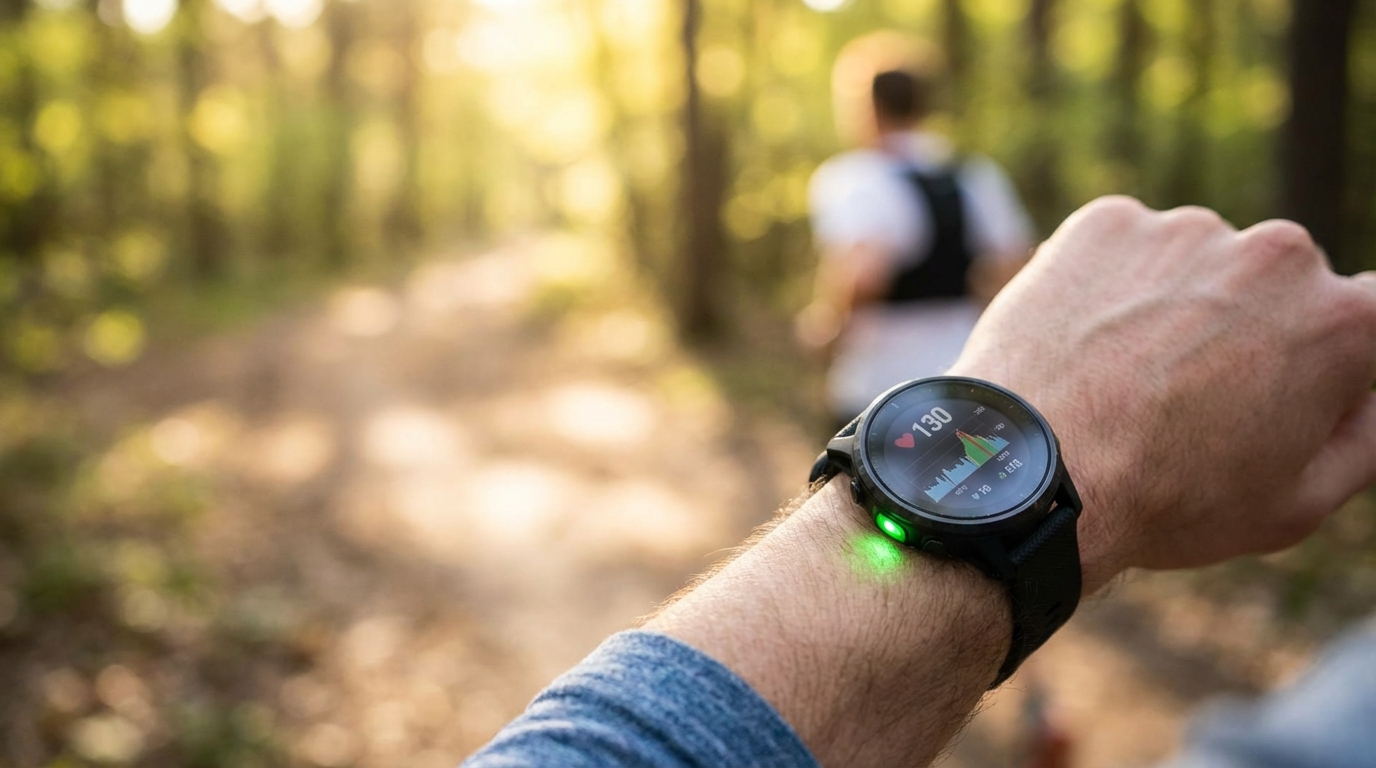
Wearable technology has transitioned from niche gadgets to pervasive tools, integrating seamlessly into daily life. These devices, worn on the wrist, chest, or other body parts, offer a continuous stream of personal information, transforming how individuals approach their health and wellness. Far beyond simply tracking steps, modern wearables employ sophisticated sensor arrays and algorithms to gather a diverse range of physiological data. Understanding the mechanisms by which these devices collect, process, and present health information is fundamental to appreciating their role in fostering greater self-awareness and proactive health management.
Understanding the Core Principles of Data Collection
The ability of wearable technology to monitor health metrics stems from its fundamental design, which relies heavily on specialized sensors and advanced signal processing techniques. These components work in concert to translate physiological phenomena into digital data that can be interpreted.
Sensors as the Foundation
At the heart of every health-tracking wearable are sensors. These are transducers that detect and respond to physical input, converting it into an electrical signal. Different types of sensors are employed to capture various aspects of human physiology:
- Optical Sensors: Often used for heart rate and blood oxygen monitoring, these sensors emit light (typically green or infrared) and measure the light reflected or transmitted back, detecting changes in blood volume under the skin.
- Inertial Measurement Units (IMUs): Comprising accelerometers and gyroscopes, these detect motion, orientation, and gravity. They are crucial for tracking physical activity, sleep patterns, and recognizing specific movements.
- Electrical Sensors: These directly measure the electrical activity generated by biological processes, such as the heart’s electrical signals (ECG) or changes in skin conductance.
- Temperature Sensors: Thermistors or other types of temperature-sensitive components measure skin temperature, which can indicate changes in metabolism, illness, or menstrual cycles.
Signal Acquisition and Processing
Once raw data is captured by a sensor, it undergoes several critical processing steps. The initial electrical signals are often analog and must be converted into digital data that can be understood by the device’s microprocessors. This involves analog-to-digital conversion. Further processing typically includes filtering to remove noise and amplification to boost weak signals, ensuring the data is clean and robust enough for accurate analysis by the device’s algorithms.
Key Health Metrics and Their Measurement Methods
Wearable devices collect a broad spectrum of health data, each relying on specific measurement techniques. These metrics provide insights into various aspects of physiological function and overall well-being.
Heart Rate and Heart Rate Variability (HRV)
Heart rate is commonly measured using photoplethysmography (PPG). This method involves an LED shining light into the capillaries just beneath the skin. A photodetector then measures the amount of light that is absorbed or reflected. As blood flows through the capillaries, its volume changes with each heartbeat, causing corresponding fluctuations in light absorption. These fluctuations are translated into a waveform, from which heartbeats per minute (BPM) are calculated. Heart Rate Variability (HRV), which measures the time intervals between consecutive heartbeats, offers insights into the activity of the autonomic nervous system, reflecting stress and recovery.
Physical Activity and Movement
Activity tracking is primarily achieved through accelerometers and gyroscopes, which collectively form an Inertial Measurement Unit (IMU). An accelerometer detects linear motion and the acceleration forces exerted on the device, enabling it to count steps, estimate distance traveled, and gauge activity intensity. A gyroscope, on the other hand, measures angular velocity and orientation, helping to differentiate types of movement (e.g., walking versus gesturing) and contributing to more accurate activity recognition. Together, these sensors provide a comprehensive picture of an individual’s movement throughout the day.
Sleep Tracking
Sleep tracking in wearables often combines data from multiple sensors. Accelerometers and gyroscopes detect body movements and stillness, which are key indicators of sleep and wake states. Heart rate data, also collected via PPG, provides further clues, as heart rate patterns change across different sleep stages. Some advanced devices may also incorporate skin temperature or even respiratory rate estimates. Algorithms then analyze these combined inputs to estimate sleep duration, identify sleep disturbances, and categorize sleep into different stages such as wake, REM, light, and deep sleep.
Skin Temperature
Skin temperature is typically measured using dedicated thermistor sensors. These sensors are designed to detect minute changes in the temperature of the skin surface. While not a direct measure of core body temperature, variations in skin temperature can be indicative of several physiological processes. Consistent monitoring can help individuals identify patterns related to illness, metabolic changes, environmental adaptation, or in some cases, phases of the menstrual cycle, by observing deviations from an established baseline.
Blood Oxygen Saturation (SpO2)
Blood oxygen saturation, or SpO2, is measured using a method similar to PPG, known as pulse oximetry. This technique utilizes two different wavelengths of light—red and infrared—to distinguish between oxygenated and deoxygenated hemoglobin in the blood. Oxygenated blood absorbs more infrared light, while deoxygenated blood absorbs more red light. By analyzing the absorption rates of both wavelengths, the sensor can calculate the percentage of hemoglobin carrying oxygen, providing an estimate of blood oxygen levels. This metric is important for understanding respiratory function.
Electrocardiogram (ECG/EKG)
An electrocardiogram (ECG or EKG) on a wearable device measures the electrical signals generated by the heart. This is typically achieved using two or more electrical sensors (electrodes) on the device that make contact with different points on the user’s skin, often one on the wrist and another from a finger on the opposite hand. When these electrodes complete a circuit across the body, they can detect the electrical impulses that cause the heart to beat. The device then records these electrical signals, allowing for the analysis of the heart’s rhythm and rate, and potentially identifying specific patterns such as irregular heart rhythms.
Skin Conductance (Electrodermal Activity – EDA)
Skin conductance, also known as Electrodermal Activity (EDA), measures changes in the electrical conductivity of the skin. This is detected using two electrodes that maintain continuous contact with the skin. The electrical conductivity of the skin is directly influenced by the activity of the sweat glands; increased sweat gland activity, even at microscopic levels, leads to higher skin conductance. Since sweat gland activity is often linked to the sympathetic nervous system, monitoring EDA can provide insights into physiological arousal and stress responses, reflecting changes in emotional states.
Data Transmission, Storage, and Privacy Considerations
The journey of health data doesn’t end at the sensor. It involves secure transmission, organized storage, and careful consideration of user privacy.
Data Transmission
Once collected and pre-processed by the wearable device, data is typically transmitted wirelessly to a paired smartphone or a central hub. Bluetooth Low Energy (BLE) is the primary protocol for short-range communication due to its power efficiency, allowing data to be synced frequently without significantly draining the device’s battery. In some cases, devices with standalone cellular or Wi-Fi capabilities can transmit data directly to cloud services, bypassing the need for an intermediate smartphone.
Data Storage and Processing
Initially, data may be stored temporarily on the wearable device itself. Upon syncing, it is transferred to a companion application on a smartphone or tablet, and often subsequently uploaded to secure cloud servers. Cloud-based storage allows for long-term retention of data, facilitating the analysis of historical trends and the application of more complex algorithms for deeper insights. This centralized processing enables features like trend analysis, personalized feedback, and comparisons against aggregated population data.
Privacy and Security
Given the sensitive nature of health data, privacy and security are paramount. Reputable manufacturers implement robust security measures, including encryption of data both in transit (e.g., during Bluetooth transmission) and at rest (on cloud servers). Users are typically prompted to grant explicit consent for data collection and sharing. Data anonymization and aggregation techniques are also employed to protect individual identities while still allowing for broader research and development. Understanding a device’s privacy policy is crucial for users to make informed decisions about their personal health information.
The Role of Algorithms and Interpretation
Raw sensor data, in its unprocessed form, is largely unintelligible to the average user. This is where algorithms play a transformative role. Algorithms are sophisticated sets of instructions that take the filtered and amplified sensor data and convert it into meaningful metrics and insights. For example, an accelerometer’s raw voltage fluctuations are processed by an algorithm to count individual steps, estimate distance, or detect the intensity of an activity. Similarly, algorithms analyze PPG waveforms to calculate heart rate and estimate sleep stages by correlating movement patterns with heart rate changes. The continuous development and refinement of these algorithms, often leveraging machine learning techniques, are crucial for improving the accuracy, reliability, and utility of the health data presented to the user, moving beyond simple numbers to provide actionable context.
Conclusion
Wearable technology has profoundly reshaped the landscape of personal health monitoring. Through an intricate interplay of specialized sensors, efficient data transmission, secure storage, and sophisticated algorithms, these devices capture and translate complex physiological signals into understandable metrics. From tracking the rhythm of the heart to deciphering sleep patterns and monitoring daily activity, wearables offer individuals an unprecedented window into their own health. This constant stream of information empowers users with greater awareness, supporting proactive decisions about lifestyle and well-being. The seemingly simple data displayed on a screen is the culmination of advanced engineering and computational science, continually evolving to provide a more comprehensive and nuanced understanding of human health.
Frequently Asked Questions (FAQs)
How accurate are wearable devices in collecting health data?
The accuracy of wearable devices varies significantly depending on the specific metric and the quality of the device. While they are generally good at tracking trends and relative changes over time, they are typically not designed for medical-grade precision. Factors such as device fit, skin tone, movement during measurement, and environmental conditions can all influence the reliability of the readings. For diagnostic purposes, professional medical equipment remains the standard.
Can wearable technology detect serious medical conditions?
Some wearable devices are capable of identifying patterns or indications that might suggest certain medical conditions, such as irregular heart rhythms (e.g., atrial fibrillation) or low blood oxygen levels. However, they are not diagnostic tools. Any concerning data from a wearable should always be reviewed and confirmed by a qualified healthcare professional, who can conduct proper medical tests and provide an accurate diagnosis.
Do all wearable devices collect the same types of health data?
No, the types of health data collected vary widely across different wearable devices. Some devices primarily focus on activity and fitness tracking (steps, calories, basic heart rate), while others offer more advanced monitoring, including blood oxygen saturation, ECG, skin temperature, or detailed sleep stage analysis. The specific sensors and software integrated into a device determine its data collection capabilities.
How is my health data kept private when using wearable technology?
Reputable manufacturers employ several measures to protect user health data. This typically includes encrypting data during transmission from the device to a smartphone or cloud server, as well as encrypting data stored on their servers. Users are usually required to provide explicit consent for data collection and sharing. It is advisable for users to review the privacy policy of their device and its associated apps to understand how their data is managed.
What is the difference between raw sensor data and the information I see on my app?
Raw sensor data refers to the unprocessed, uninterpreted electrical signals or measurements directly captured by the device’s sensors (e.g., light intensity fluctuations, voltage changes). The information you see in your app, such as step counts, heart rate in BPM, or sleep stage graphs, is the result of sophisticated algorithms processing, filtering, and interpreting this raw data. These algorithms convert complex signals into user-friendly and actionable health metrics.

Diana Miller, is a dedicated nature enthusiast and an outdoor adventurer. She began leading groups for excursions in her teens and never stopped. Following her passion for nature, she gathers her friends for outdoor trips every now and then. And for the last 10 years, she has executed workshops on backpacking, snow kayaking and traveling that included her main motive of lightweight packing while outdoors. During leisure, she loves planning for her next adventure.