
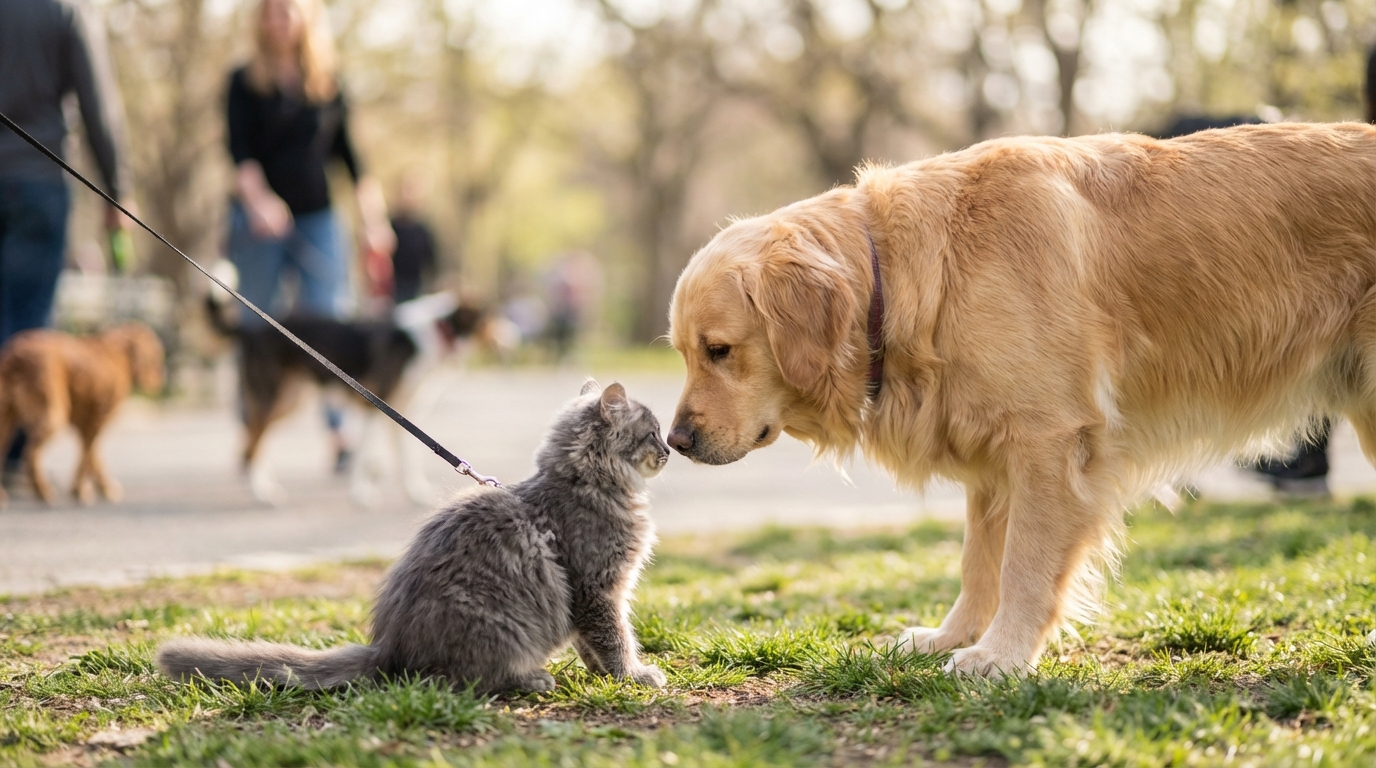
The Profound Influence of Proper Socialization on Pet Behavior
Bringing a pet into your home is a joyous occasion, marking the beginning of a unique bond. Beyond providing food, shelter, and affection, one of the most significant responsibilities of pet ownership is ensuring proper socialization. This fundamental process, especially during formative periods, profoundly shapes a pet’s personality, emotional responses, and ability to interact with the world around them. Understanding and implementing effective socialization strategies are crucial for fostering a confident, adaptable, and well-adjusted companion throughout their life.Understanding the Foundation of Pet Socialization
Pet socialization is the process by which an animal learns to interact appropriately with its environment, including people, other animals, and various sounds, sights, and experiences. It is not merely about having your pet meet other individuals; rather, it involves creating positive associations with a wide range of stimuli, preparing them for the diverse situations they will encounter. The goal is to help pets develop coping mechanisms and an understanding of appropriate responses, reducing the likelihood of fear-based or anxiety-driven behaviors. This proactive approach to behavioral development is a cornerstone of responsible pet care.The Critical Socialization Windows
For many domestic animals, particularly puppies and kittens, there are critical developmental periods where socialization is particularly impactful. * **Puppies:** The period from approximately 3 to 16 weeks of age is often considered the most sensitive time for puppies. During this window, their brains are highly receptive to new experiences, and positive exposure can have a lasting influence on their temperament and behavior. * **Kittens:** Similarly, for kittens, the period from about 2 to 7 weeks is vital. Positive interactions with humans and gradual exposure to various household sights and sounds during this time can significantly reduce the likelihood of fearfulness or aggression later in life. While these windows are crucial, it is important to understand that socialization is an ongoing process that extends throughout a pet’s life, adapting as they grow and mature.The Impact of Early Socialization on Behavioral Development
The experiences a pet has during its early life lay the groundwork for its adult behavior. Proper socialization during these formative stages offers numerous advantages for behavioral health and overall well-being.Fostering Emotional Regulation
Well-socialized pets often demonstrate a greater capacity for emotional regulation. They learn to process new or potentially startling stimuli without excessive panic or aggression. Instead of reacting with fear or defensiveness, they are more likely to observe, assess, and respond in a calm, controlled manner. This ability is vital for navigating an often unpredictable world filled with novel sounds, smells, and interactions.Reducing Fear and Anxiety
Exposure to a variety of safe, positive experiences helps to desensitize pets to common triggers of fear and anxiety. A pet that has been gradually introduced to different types of people, the sounds of traffic, or the sight of unfamiliar objects is less likely to develop phobias or become overly stressed in new situations. This preventive measure significantly improves their quality of life and reduces stress-related behavioral issues.Enhancing Adaptability and Resilience
Pets that receive adequate socialization tend to be more adaptable and resilient. They are more comfortable with changes in routine, new environments (such as visits to the veterinarian or a new home), and unexpected events. This adaptability makes them easier companions to live with and enables them to cope more effectively with life’s inevitable changes.Improving Communication Skills
Socialization provides opportunities for pets to learn appropriate communication signals, both with humans and other animals. For instance, puppies learn bite inhibition and appropriate play behavior from interacting with their littermates and other adult dogs. They learn to read body language, understand boundaries, and engage in respectful interactions, which are essential for harmonious coexistence.Key Elements of Effective Socialization
Effective socialization is a structured, positive, and ongoing process. It involves careful planning and observation to ensure each experience contributes positively to a pet’s development. * **Diverse Environmental Exposure:** Introduce your pet to a variety of environments, including different types of flooring (carpet, tile, wood), sounds (vacuum cleaners, doorbells, traffic), and textures. Safe and controlled outings to parks, pet-friendly stores, or quiet neighborhood walks can be beneficial. * **Interactions with Various People:** Facilitate positive encounters with a wide range of individuals, including people of different ages, genders, sizes, and appearances (wearing hats, glasses, or using mobility aids). Always ensure these interactions are gentle and rewarding for the pet. * **Controlled Interactions with Other Animals:** Arrange supervised meetings with vaccinated, well-behaved animals. For puppies, attending well-run puppy classes can provide structured opportunities for safe play and learning. Ensure interactions are positive and prevent any frightening or overwhelming experiences. * **Positive Reinforcement:** Always pair new experiences with positive reinforcement, such as treats, praise, or gentle play. This helps the pet associate novel stimuli with pleasant outcomes, building confidence and eagerness to explore. * **Gradual Introduction:** Avoid overwhelming your pet. Introduce new experiences gradually, allowing them to acclimate at their own pace. If a pet shows signs of stress or fear, retreat slightly and try again at a lower intensity or with greater distance.Recognizing Signs of Inadequate Socialization
Pets that have not received adequate socialization may exhibit a range of behaviors that indicate discomfort, fear, or anxiety in various situations. Recognizing these signs early can help in addressing them, though retraining an undersocialized adult pet can be more challenging than prevention. * **Fear and Retreat:** Hiding, trembling, cowering, excessive licking, or attempting to escape when faced with new people, places, or sounds. * **Aggression:** Growling, snapping, biting, or lunging as a defensive reaction to perceived threats, often rooted in fear or insecurity. * **Excessive Vocalization:** Persistent barking, whining, or meowing as a manifestation of anxiety, frustration, or alarm in novel situations. * **Destructive Behaviors:** Chewing, scratching, digging, or house-soiling that occurs specifically when stressed or anxious, rather than due to boredom. * **Separation-Related Distress:** Inability to cope when left alone, leading to excessive vocalization, destructive acts, or elimination issues.Ongoing Socialization Throughout a Pet’s Life
While early experiences are crucial, socialization is not a task to be completed and then forgotten. It is an ongoing commitment throughout a pet’s life. Regular exposure to new, positive experiences helps to reinforce learned behaviors, prevent regression, and keep a pet mentally stimulated and adaptable. Continue to introduce your pet to new situations, people, and appropriate animal interactions as they mature. Enroll in advanced training classes, explore new walking routes, or visit different pet-friendly locations. Maintaining an engaging and enriched environment contributes significantly to a pet’s overall behavioral health and happiness. A pet’s temperament, like that of a human, can evolve, and continuous positive reinforcement and exposure support their journey towards becoming a confident and joyful companion.Conclusion
Proper socialization is a fundamental pillar of responsible pet ownership, extending far beyond simple obedience training. It is an investment in a pet’s emotional well-being, shaping their ability to navigate the complexities of their world with confidence, calmness, and adaptability. By providing consistent, positive exposure to diverse stimuli during critical developmental periods and throughout their lives, pet guardians cultivate companions who are less prone to fear, anxiety, and aggression, and more capable of forming strong, healthy bonds with both humans and other animals. This ongoing process ultimately leads to a more harmonious existence for both pet and owner, enriching the lives of everyone involved.Frequently Asked Questions (FAQs)
Q1: What is the ideal age to start socializing a puppy or kitten?
For puppies, the critical socialization window is typically between 3 and 16 weeks of age. For kittens, it’s generally between 2 and 7 weeks. During these periods, young animals are most receptive to new experiences, and positive exposure has a profound impact on their future behavior. However, it’s important to continue socialization efforts throughout their lives.Q2: Can adult pets be socialized if they missed out on early experiences?
Yes, adult pets can absolutely be socialized, though it may require more time, patience, and a different approach than with a young animal. It often involves systematic desensitization and counter-conditioning techniques to gradually introduce new stimuli and build positive associations, often with the guidance of a professional animal behaviorist or trainer.Q3: What if my pet is showing fear or stress during socialization efforts?
If your pet shows signs of fear (e.g., trembling, hiding, growling, lunging, excessive panting, yawning, lip licking), it means the experience is too intense or overwhelming for them. Immediately create distance from the trigger, reduce the intensity of the exposure, and return to a level where your pet remains comfortable. The goal is to make every experience positive, so never force interactions.Q4: How do I ensure interactions with other animals are positive and safe?
Always supervise interactions closely. Ensure the other animals are vaccinated, well-behaved, and known to be friendly. Start with short, controlled meetings in neutral territory. Watch for signs of stress or discomfort from either animal, and separate them before any negative interaction can occur. Puppy classes or structured playgroups can be valuable resources for safe interactions.Q5: Is socialization just about meeting other animals and people?
No, socialization encompasses much more than just social interactions. It also involves positive exposure to a wide variety of environments, sights, sounds, smells, textures, and novel objects. The goal is for your pet to develop confidence and comfort in the diverse world they inhabit, reducing their likelihood of reacting fearfully or aggressively to unfamiliar situations.
Diana Miller, is a dedicated nature enthusiast and an outdoor adventurer. She began leading groups for excursions in her teens and never stopped. Following her passion for nature, she gathers her friends for outdoor trips every now and then. And for the last 10 years, she has executed workshops on backpacking, snow kayaking and traveling that included her main motive of lightweight packing while outdoors. During leisure, she loves planning for her next adventure.