
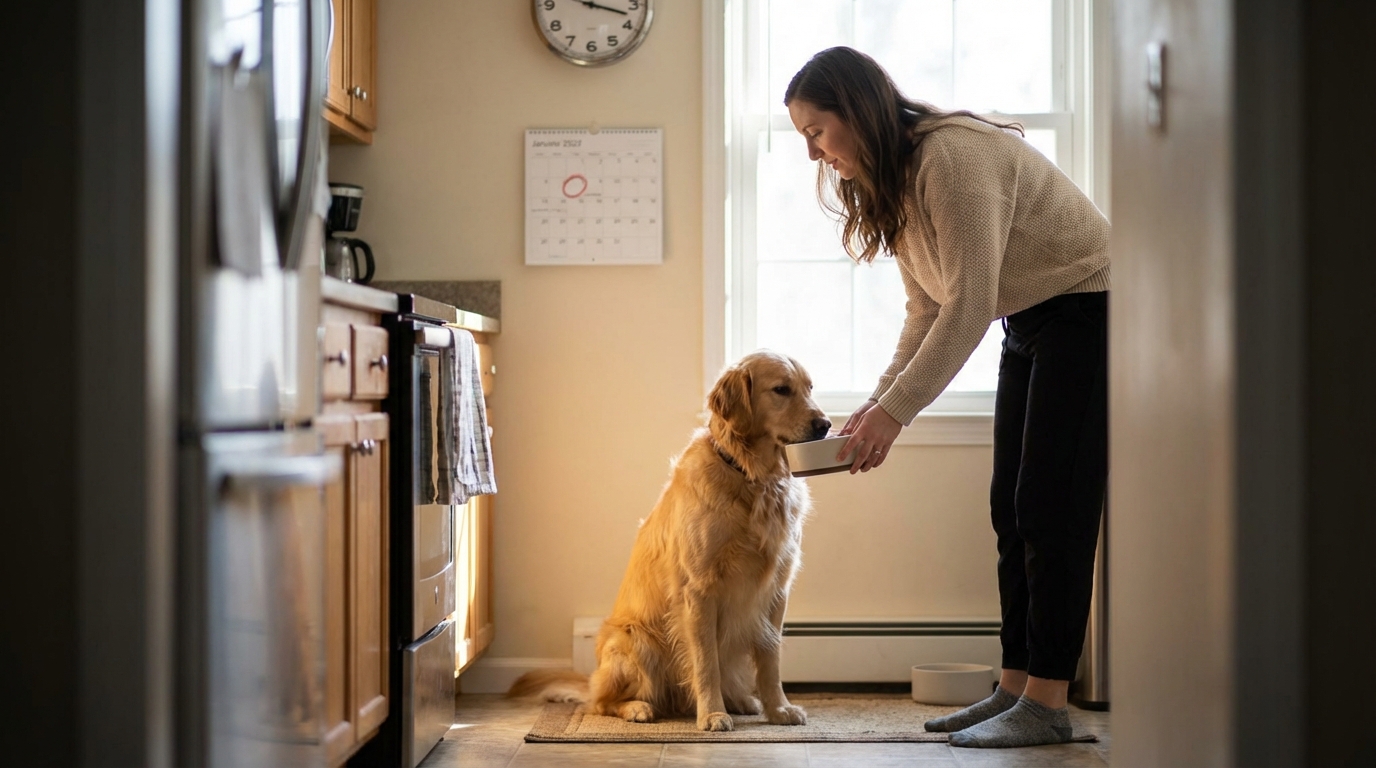
The Foundation of Feline and Canine Contentment: Why Routine Is Important for Pet Well Being
Pets enrich our lives in countless ways, offering companionship, comfort, and unconditional affection. In return, responsible pet care involves meeting their fundamental needs, and a cornerstone of this care is the establishment and maintenance of a consistent routine. Far from being restrictive, a predictable daily structure provides a profound sense of security and stability for our animal companions, impacting their physical health, emotional well-being, and overall quality of life. Understanding why routine is so vital can help pet guardians cultivate an environment where their animals can truly thrive.Understanding the Pet’s Innate Need for Predictability
Animals, regardless of species, possess an inherent drive for predictability in their environment. This stems from their evolutionary history, where a consistent understanding of their surroundings, food sources, and safe havens was crucial for survival. While domestication has altered many aspects of their lives, this foundational need for a stable world persists. For a domestic pet, a routine translates into: * **Reduced Uncertainty:** They learn what to expect throughout their day. * **A Sense of Control:** Knowing when food, walks, or attention will occur reduces feelings of helplessness. * **Lower Stress Levels:** Unpredictability can be a significant source of anxiety, leading to behavioral issues or health problems. When a pet’s day is chaotic or inconsistent, they may experience heightened stress, confusion, and frustration, which can manifest in various undesirable ways.The Pillars of a Structured Routine
A comprehensive routine encompasses several key aspects of a pet’s daily life. Consistency in these areas builds a strong framework for their well-being.Feeding Schedule
One of the most critical elements of a pet’s routine is their feeding schedule. * **Predictable Meal Times:** Offering meals at the same time each day helps regulate their digestive system. Their bodies learn when to expect food, optimizing the secretion of digestive enzymes and reducing the likelihood of upset stomachs. * **Portion Control:** A consistent schedule often goes hand-in-hand with controlled portions, which is vital for maintaining a healthy weight and preventing obesity-related health issues. * **Reduced Begging Behavior:** Pets learn that food will arrive at specific times, diminishing constant begging or food-seeking behaviors between meals.Exercise and Play Times
Regular physical activity and mental stimulation are indispensable for a pet’s health. * **Consistent Activity Slots:** Dedicated times for walks, runs, fetch, or interactive play help pets expend energy constructively. This prevents boredom and the development of destructive behaviors that often stem from pent-up energy. * **Mental Engagement:** Scheduled play and training sessions provide crucial mental stimulation, which is particularly important for intelligent breeds. It keeps their minds sharp and engaged. * **Energy Regulation:** A predictable exercise routine helps regulate a pet’s energy levels throughout the day, leading to calmer behavior during quiet periods.Potty Breaks
For many pets, especially dogs, a consistent potty schedule is fundamental for house-training and hygiene. * **Prevention of Accidents:** Regular outdoor access (for dogs) or litter box maintenance (for cats) prevents accidents indoors, reinforcing appropriate elimination habits. * **Health Benefits:** For dogs, holding urine for too long can contribute to urinary tract issues. A consistent schedule promotes bladder health. * **Predictability for Guardians:** It also provides guardians with a clear understanding of when their pet needs to relieve themselves.Training and Socialization
Integrating training and socialization into the daily routine offers significant long-term benefits. * **Reinforced Learning:** Short, consistent training sessions help solidify commands and good manners. Animals learn through repetition and positive reinforcement. * **Exposure to Stimuli:** Regularly scheduled walks or trips to pet-friendly environments provide controlled exposure to new sights, sounds, and smells, aiding in ongoing socialization. * **Bond Building:** These structured interactions strengthen the bond between pet and guardian, fostering mutual understanding and trust.Rest and Sleep
Just like humans, pets require adequate rest for physical and mental restoration. * **Designated Quiet Space:** A consistent routine often includes a designated, comfortable, and quiet area for the pet to sleep and relax, signalling it’s time to wind down. * **Predictable Downtime:** Knowing when to expect periods of rest helps regulate their internal clock and ensures they get the necessary amount of sleep. * **Behavioral Impact:** Well-rested pets are generally calmer, more cooperative, and less prone to irritability or hyperactive behaviors.Grooming and Health Checks
Regular grooming and health checks, integrated into a routine, contribute to overall wellness. * **Comfort and Hygiene:** Consistent brushing, nail trimming, and dental care keep pets comfortable, hygienic, and can prevent more serious issues. * **Early Detection:** Routine physical interaction during grooming allows guardians to regularly check for any unusual lumps, skin changes, or signs of discomfort, facilitating early detection of potential health problems. * **Reduced Stress:** When these activities are a predictable part of the routine, pets are less likely to resist them, making the experience less stressful for everyone involved.Psychological Benefits of Routine
The impact of routine extends deeply into a pet’s psychological well-being.Reduced Stress and Anxiety
Predictability is a powerful antidote to anxiety. When pets know what to expect, their stress levels decrease significantly. This is particularly noticeable in situations that might otherwise cause distress, such as separation from their guardian. A consistent schedule can minimize behaviors associated with separation anxiety, as the pet learns the guardian’s departure is temporary and followed by predictable events.Enhanced Sense of Security
A stable, predictable environment fosters a profound sense of security. Pets feel safe and confident when their world is ordered. This security allows them to relax, explore their surroundings calmly, and generally exhibit more confident and well-adjusted behaviors. They become less reactive to minor changes or unexpected noises.Improved Behavior
Many undesirable pet behaviors, such as excessive barking, destructive chewing, digging, or inappropriate elimination, are often rooted in boredom, anxiety, or unmet needs. A structured routine addresses these underlying issues by providing: * **Scheduled Outlets:** Regular exercise and play allow for appropriate energy expenditure. * **Mental Stimulation:** Training and interactive play keep their minds engaged. * **Reduced Confusion:** Clear expectations regarding feeding, potty breaks, and interaction minimize confusion. This holistic approach naturally leads to calmer, more manageable, and happier pets.Stronger Human-Animal Bond
Shared routines build a stronger bond between pets and their guardians. Consistent interaction during feeding, walks, play, and training creates a framework of shared experiences and mutual understanding. Pets learn to trust their guardians to meet their needs reliably, fostering a deeper connection and reinforcing their role as valued family members.Physical Health Advantages
The benefits of routine are not just psychological; they have direct and significant impacts on a pet’s physical health.Stable Digestion
Consistent meal times prevent gastric upset, help regulate metabolism, and ensure that the digestive system functions optimally. This can reduce instances of diarrhea, constipation, and vomiting.Weight Management
Regular feeding schedules with controlled portions, combined with a predictable exercise regimen, are crucial for preventing obesity. Obesity in pets can lead to a host of health issues, including diabetes, joint problems, heart disease, and reduced lifespan. A routine helps maintain a healthy weight.Consistent Energy Levels
Pets with a routine tend to have more balanced energy throughout the day. They are not prone to extreme bursts of hyperactivity followed by lethargy, as their energy is consistently managed through appropriate activity and rest.Early Detection of Health Issues
Guardians who adhere to a daily routine are more attuned to their pet’s normal behaviors, eating habits, energy levels, and physical condition. This familiarity makes it easier to notice subtle changes that could indicate an emerging health problem, allowing for earlier veterinary intervention and potentially better outcomes.Adapting Routine to Life Changes
While consistency is key, life is dynamic, and routines sometimes need to adapt. Major life events such as moving house, the arrival of a new family member (human or animal), travel, or a guardian’s change in work schedule will necessitate adjustments. When changes are unavoidable, the goal should be gradual adaptation rather than abrupt shifts. Introduce new elements slowly, maintain as many core routine components as possible, and provide extra reassurance and positive reinforcement during transition periods. This approach minimizes stress and helps pets adjust more smoothly to new circumstances.Conclusion
Establishing and maintaining a consistent routine is one of the most impactful actions a pet guardian can take to promote their animal’s well-being. It provides a bedrock of predictability and security, calming anxieties, improving behavior, and contributing significantly to both psychological and physical health. By integrating structured feeding, exercise, play, training, and rest into daily life, guardians do more than just manage their pets; they cultivate an environment where their beloved companions can flourish, leading to a happier, healthier, and more harmonious life together. —Frequently Asked Questions (FAQs)
**Q1: Is it possible to be too strict with a pet’s routine?** A1: While consistency is important, an overly rigid routine that doesn’t allow for any flexibility can sometimes be counterproductive. The aim is for predictable patterns, not unyielding schedules. Occasional minor deviations are unlikely to cause significant issues, and pets can generally adapt well if changes are not frequent or drastic. The ability to occasionally flex the routine without causing extreme distress suggests a well-adjusted pet. **Q2: How long does it take for a pet to adapt to a new routine?** A2: The time it takes for a pet to adapt varies greatly depending on the individual animal, their age, previous experiences, the nature of the change, and the consistency of the guardian. Some pets may adjust within a few days to a week, while others might take several weeks or even a couple of months. Patience, consistency, and positive reinforcement are essential during this transition period. **Q3: What should I do if my routine is disrupted for a day or two (e.g., during travel or illness)?** A3: If a routine disruption is short-term, try to maintain as many core elements as possible. For instance, if feeding times are off, ensure the pet still gets their meals and potty breaks. Upon returning to the normal schedule, resume it immediately and consistently. Most pets are resilient and will quickly re-adjust to their established routine after a brief interruption. **Q4: Do all types of pets require the same level of routine?** A4: While the principle of routine is beneficial for nearly all domesticated animals, the specific components and level of strictness can vary. For example, dogs often thrive on very structured schedules for walks and potty breaks, whereas cats might prefer more flexible access to food and litter, but still benefit from predictable playtimes and consistent attention. Species-specific needs and individual personality should always be considered. **Q5: How can I establish a routine for a new pet, especially a rescue or puppy/kitten?** A5: Start by observing your new pet’s natural rhythms (when they eat, sleep, need to eliminate). Then, gradually introduce structure. Begin with consistent meal times, followed by immediate potty breaks (for puppies/kittens), and schedule regular play and rest periods. Keep interactions positive, and be patient and consistent. Establishing a routine helps new pets feel secure and understand their new environment.
Diana Miller, is a dedicated nature enthusiast and an outdoor adventurer. She began leading groups for excursions in her teens and never stopped. Following her passion for nature, she gathers her friends for outdoor trips every now and then. And for the last 10 years, she has executed workshops on backpacking, snow kayaking and traveling that included her main motive of lightweight packing while outdoors. During leisure, she loves planning for her next adventure.