
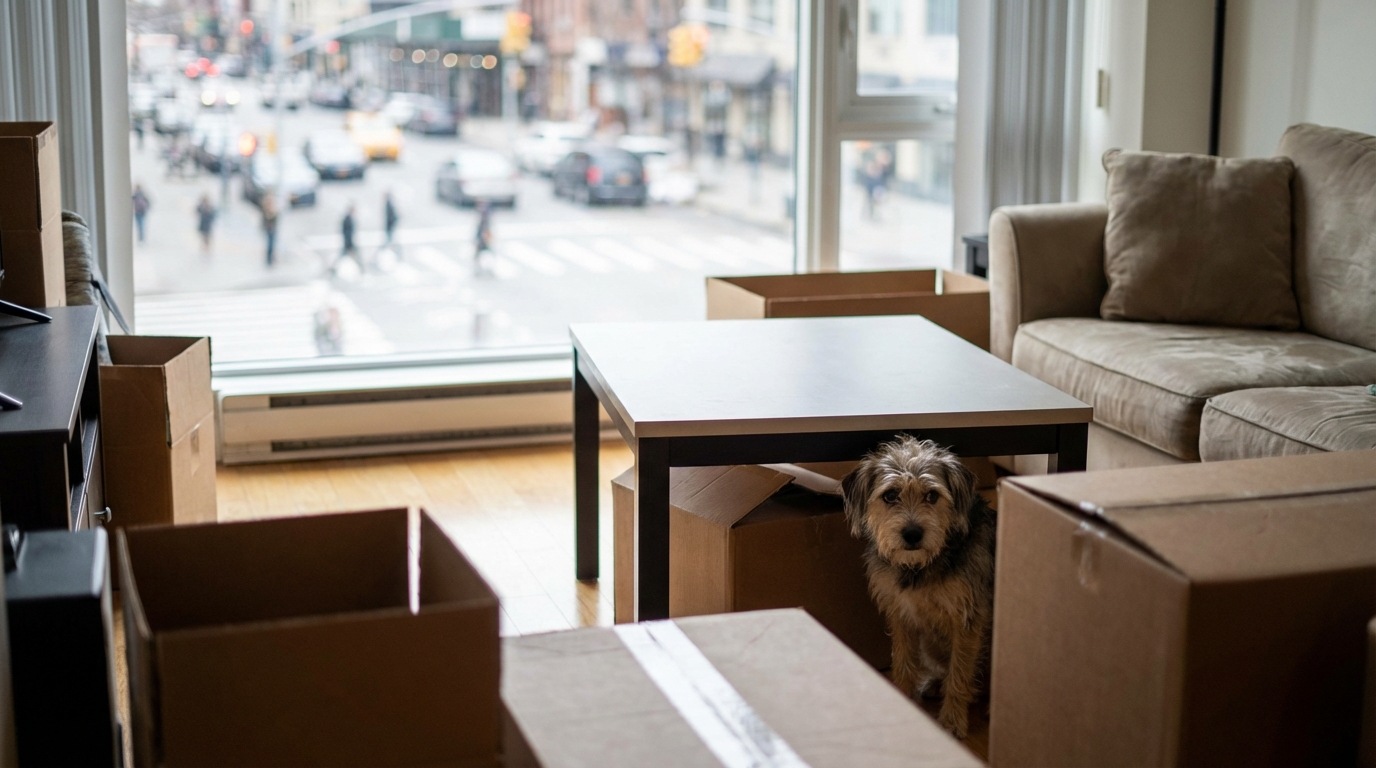
The well-being of companion animals is a multifaceted concept, deeply intertwined with their surrounding environment. Just as humans can experience stress due to various external factors, pets are equally susceptible to the influences of their living spaces. Understanding how different environmental elements contribute to or alleviate stress is crucial for fostering a calm and secure existence for our animal companions. This exploration delves into the diverse ways in which a pet’s environment can shape its stress levels, from the sounds it hears to the space it occupies.
Auditory Environment
The sounds that fill a pet’s world can significantly impact its state of mind. Pets often possess a more acute sense of hearing than humans, making them more vulnerable to auditory stressors.
Noise Pollution
Sudden, loud, or prolonged noises are common environmental triggers for stress in many animals. Their sensitive hearing can amplify sounds that humans might perceive as minor.
- Loud, Unexpected Sounds: Events like thunderstorms, fireworks, construction noise, or even loud domestic appliances (e.g., vacuum cleaners, blenders) can cause sudden fright, anxiety, and a desire to hide.
- Constant Background Noise: A perpetually noisy household, proximity to busy roads, or even constant television chatter can create a state of chronic low-level stress, making it difficult for pets to relax.
- High-Frequency Sounds: Some sounds, imperceptible to humans, can be distressing to pets. Electronic devices, certain types of lighting, or machinery might emit frequencies that cause discomfort.
Strategies for Auditory Comfort
Creating a more serene auditory environment involves both mitigating stressors and introducing calming elements.
- Designated Quiet Zones: Providing a secure, insulated space where a pet can retreat from noise is essential. This might be a crate covered with a blanket, a quiet room, or a specific bed away from high-traffic areas.
- Sound Masking: Gentle background noise, such as classical music designed for pets, white noise, or the consistent hum of a fan, can help mask sudden or jarring sounds and create a more predictable auditory landscape.
- Gradual Introduction: For unavoidable noises, like a new appliance, gradual exposure combined with positive reinforcement can help pets acclimate over time.
Visual Environment
What a pet sees, both inside and outside the home, plays a vital role in its sense of security and overall stress levels.
Visual Overstimulation
A constantly changing or overwhelming visual landscape can lead to anxiety and hyper-vigilance.
- External Activity: Pets with direct views of busy streets, frequent pedestrian traffic, or other animals can become agitated or reactive, especially if they perceive these external elements as threats or challenges.
- Internal Changes: Rearranging furniture, introducing new decorative items, or having unfamiliar visitors can disrupt a pet’s established visual map of its territory, leading to uncertainty.
- Reflections and Shadows: Some pets can become stressed by their own reflections, moving shadows, or light patterns, mistaking them for intruders or sources of threat.
Creating a Visually Secure Space
Thoughtful management of the visual environment helps pets feel more at ease and less threatened.
- Strategic Window Coverings: Partial or full coverings on windows can limit a pet’s view of potentially stressful outdoor activity while still allowing light.
- Consistent Layout: Maintaining a stable arrangement of furniture and pet resources can foster a sense of predictability and security.
- Safe Zones with Limited Visual Access: Providing comfortable spaces that offer a sense of enclosure, such as a cozy bed in a corner or a covered crate, allows pets to retreat from overwhelming visual stimuli.
Olfactory Environment
A pet’s sense of smell is far more developed than a human’s, making the olfactory landscape a significant contributor to their emotional state.
Unfamiliar Scents and Pheromones
Novel or strong odors can be a source of curiosity, alarm, or discomfort.
- New Scents: The introduction of new pets, human visitors, cleaning products, or even new furniture brings unfamiliar smells that can signal a change in the environment, potentially causing apprehension.
- Strong Chemical Odors: Harsh cleaning agents, air fresheners, or perfumes can be irritating to a pet’s sensitive nose and create an unpleasant living space.
- Fear Pheromones: When an animal experiences fear or stress, it may release pheromones that other animals of the same species can detect, potentially causing a chain reaction of anxiety.
Managing Olfactory Triggers
A conscious approach to scents can promote a calmer environment.
- Gradual Scent Introduction: When introducing new items or animals, allowing a pet to gradually acclimate to new scents can reduce stress.
- Minimizing Strong Odors: Opting for pet-safe, unscented cleaning products and avoiding strong air fresheners can prevent olfactory irritation.
- Species-Specific Calming Pheromones: For some species, synthetic pheromone diffusers or collars are available that mimic natural calming signals, potentially contributing to a sense of security. Their use should be considered in consultation with a veterinary professional.
- Maintaining Familiar Scents: Regular washing of a pet’s bedding or toys should be balanced with allowing some familiar scent to remain, which provides comfort.
Spatial Environment
The physical space available to a pet, including its size, layout, and the resources within it, directly influences its comfort and ability to express natural behaviors.
Confinement and Lack of Space
Insufficient space or an inability to escape can lead to frustration and chronic stress.
- Inadequate Room for Movement: Living in an area too small for the pet’s size and energy level can restrict movement, play, and exploration, leading to boredom and pent-up energy.
- Absence of Retreat Areas: Pets need private spots where they can rest undisturbed, observe their surroundings safely, or simply escape from household activity. Without these, they may feel constantly vulnerable.
- Resource Guarding: In multi-pet households, insufficient space or a scarcity of essential resources (food bowls, water, resting spots, litter boxes) can lead to competition, conflict, and stress among animals.
Providing Adequate Space and Resources
Ensuring ample and appropriately arranged space is fundamental to a pet’s well-being.
- Defined Personal Areas: Each pet should have at least one designated resting spot or bed that is solely theirs. For cats, vertical space like cat trees or shelves is also important for exploration and security.
- Sufficient Resources: Provide multiple food and water stations, litter boxes (for cats, typically one more than the number of cats), and comfortable resting spots spread throughout the living area, especially in multi-pet homes.
- Opportunities for Enrichment: Regular access to safe outdoor spaces (e.g., walks, a securely fenced yard) or indoor enrichment (e.g., puzzle toys, scratching posts, interactive play) allows pets to engage in natural behaviors and reduce boredom.
Social Environment
The interactions a pet has with humans and other animals in its environment are critical for its social and emotional health.
Interaction Dynamics
Both excessive or insufficient social contact, or negative interactions, can be stressful.
- Overly Boisterous Interactions: Constant rough play, intrusive handling, or relentless attention from children or other pets can overwhelm an animal, leading to withdrawal or defensive behaviors.
- Lack of Predictable Routine: Inconsistent mealtimes, unpredictable play sessions, or varying levels of human interaction can create uncertainty and anxiety.
- Loneliness or Isolation: While some pets enjoy solitude, prolonged periods of being alone without adequate mental or physical stimulation can lead to boredom, destructive behaviors, or separation-related stress.
- Negative Social Encounters: Conflict with other pets in the household, or fear-inducing interactions with unfamiliar people, can create lasting psychological stress.
Fostering Positive Social Interactions
A balanced and positive social environment promotes contentment and reduces stress.
- Structured and Respectful Interactions: Educating all household members on appropriate ways to interact with pets, respecting their boundaries, and providing opportunities for consensual play.
- Consistent Routine: Establishing predictable schedules for feeding, walks, play, and quiet time can provide a sense of security and reduce anticipation-related stress.
- Appropriate Companionship: Ensuring pets receive the right amount and type of social interaction, whether it’s quality time with human companions or compatible interactions with other animals.
- Gradual Introductions: When bringing new people or pets into the home, careful, supervised, and gradual introductions are key to minimizing stress and fostering positive relationships.
Thermal and Climatic Environment
Temperature, humidity, and airflow are fundamental aspects of a pet’s physical comfort and can significantly influence stress levels if not adequately managed.
Temperature Extremes and Humidity
Being too hot or too cold, or experiencing uncomfortable humidity, can cause physical and psychological distress.
- Excessive Heat: Without adequate shade, ventilation, or access to cool surfaces and water, pets can suffer from heat stress, leading to discomfort, lethargy, and potentially serious health issues.
- Extreme Cold: Lack of shelter, warm bedding, or prolonged exposure to cold temperatures can lead to hypothermia and significant physiological stress, particularly for short-haired or elderly animals.
- Drafts and Humidity: Constant drafts can cause discomfort, while very high or very low humidity levels can impact respiratory health and overall skin condition, adding to a pet’s unease.
Ensuring Thermal Comfort
Proactive management of the thermal environment is vital for a pet’s well-being.
- Temperature Regulation: Maintaining a comfortable indoor temperature, or providing access to climate-controlled areas, is crucial.
- Access to Shelter and Comfort: Ensuring pets have access to shaded areas outdoors, or comfortable, insulated bedding indoors, allows them to regulate their body temperature.
- Hydration and Airflow: Constant access to fresh water is essential, and good air circulation can prevent stagnation and reduce discomfort, especially in warmer conditions.
Conclusion
The environment is a powerful determinant of a pet’s stress levels, encompassing everything from the sounds they hear to the social dynamics they experience. Acknowledging and actively managing these diverse environmental factors allows caregivers to create a nurturing and low-stress habitat. By being observant, responsive, and proactive in adapting a pet’s surroundings, it is possible to significantly enhance their sense of security, contentment, and overall quality of life.
Frequently Asked Questions
How do I know if my pet is stressed by their environment?
Signs of environmental stress can vary but often include changes in behavior such as excessive grooming, hiding, increased vocalization (e.g., whining, meowing), destructive chewing, changes in appetite or elimination habits, lethargy, or increased reactivity (e.g., barking, hissing). Persistent pacing, panting without exertion, or flattened body posture can also be indicators.
Can changes in routine cause stress, even if the physical environment is stable?
Yes, absolutely. A consistent routine provides predictability and security for many pets. Disruptions to feeding schedules, walk times, or the presence/absence of human companions can be highly stressful, as pets rely on these patterns to understand their world, even if their physical surroundings remain unchanged.
Is it possible for an environment to be too quiet or boring for a pet?
While excessive noise can be stressful, an environment lacking stimulation can also contribute to stress. Under-stimulation can lead to boredom, frustration, and behavioral issues such as lethargy, excessive sleeping, or destructive behaviors as the pet seeks to create its own entertainment. A balanced environment offers opportunities for both quiet rest and engaging activity.
How long does it take for a pet to adjust to a new environment?
The adjustment period for a pet to a new environment is highly variable and depends on many factors, including the pet’s individual personality, past experiences, the extent of the environmental change, and the support provided. It can range from a few days to several weeks or even months for some animals. Patience, consistency, and a gradual introduction to new elements are crucial.
Should I change my pet’s environment immediately if I notice stress signs?
While identifying environmental stressors is important, immediate and drastic changes can sometimes cause further stress. It’s often more beneficial to make gradual adjustments where possible, observing your pet’s reactions carefully. Consulting with a veterinary professional or a certified animal behaviorist is recommended to accurately identify stressors and develop an appropriate, low-stress plan for environmental modification.

Diana Miller, is a dedicated nature enthusiast and an outdoor adventurer. She began leading groups for excursions in her teens and never stopped. Following her passion for nature, she gathers her friends for outdoor trips every now and then. And for the last 10 years, she has executed workshops on backpacking, snow kayaking and traveling that included her main motive of lightweight packing while outdoors. During leisure, she loves planning for her next adventure.