
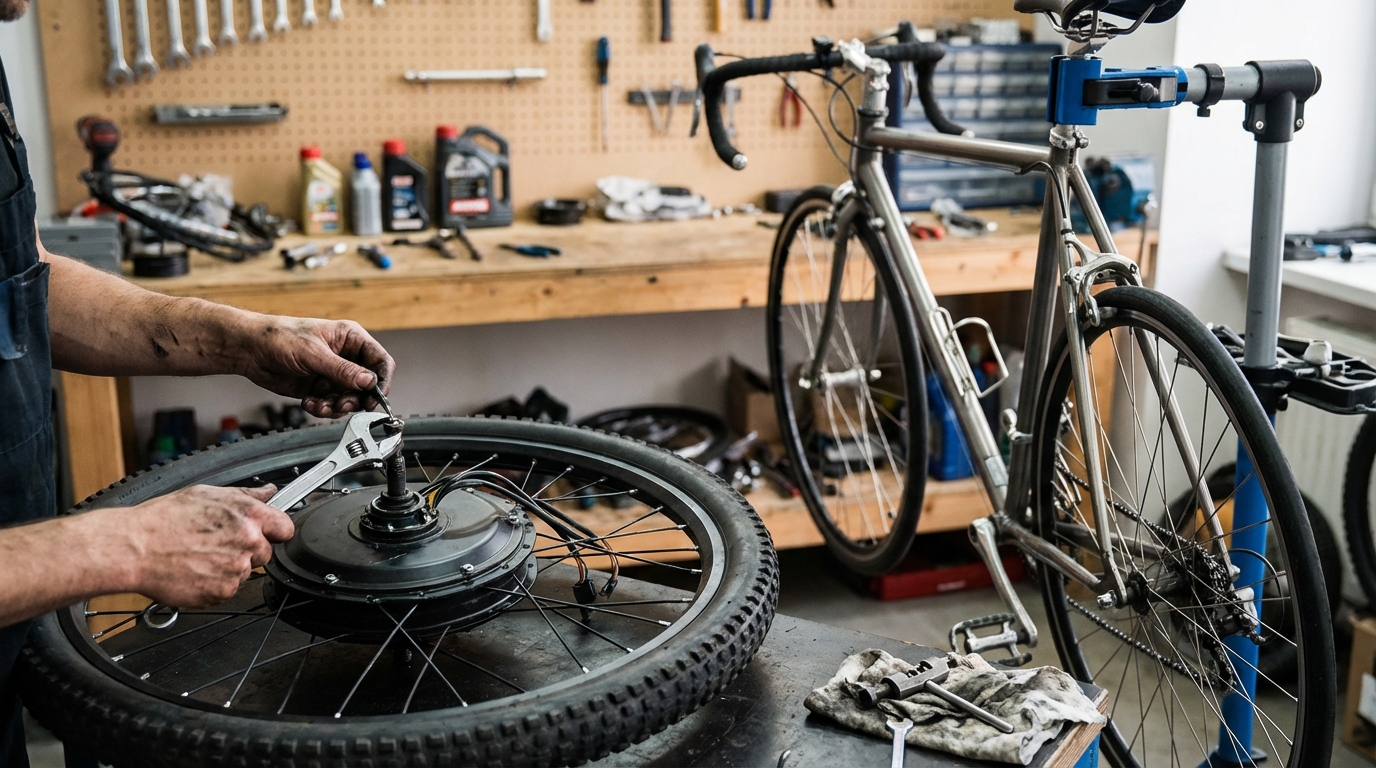
Understanding the Distinct Maintenance Needs of eBikes and Traditional Bicycles
The world of cycling has seen a significant evolution with the rise in popularity of electric bicycles, or eBikes. While they offer many of the same benefits as traditional pedal-powered bikes – such as exercise, transportation, and recreation – the underlying technology introduces a distinct set of maintenance considerations. Owners transitioning from conventional bicycles to eBikes, or those considering a purchase, often inquire about the differences in upkeep. This post aims to illuminate why the maintenance requirements for eBikes diverge from those of their non-electric counterparts, focusing on the unique components and stresses introduced by electrification.Core Differences in Components
At a fundamental level, both eBikes and traditional bikes share mechanical components that facilitate movement and control. However, eBikes integrate an additional layer of sophisticated electrical systems, which are the primary drivers of their differentiated maintenance needs.Shared Mechanical Elements
Both types of bicycles rely on a similar array of mechanical parts that require regular inspection and adjustment. These include: * **Brakes:** Essential for stopping, brakes (rim, disc, or hydraulic) need pad checks, cable tension adjustments, and occasional fluid bleeding in hydraulic systems. * **Drivetrain:** Comprising the chain, gears (cassette and chainrings), and derailleur system, this needs lubrication, cleaning, and adjustments to ensure smooth gear changes. * **Wheels and Tires:** Regular checks for tire pressure, wear, punctures, spoke tension, and wheel trueness are crucial for safety and performance. * **Frame and Forks:** Inspections for cracks, dents, and proper alignment are necessary. Suspension components on some bikes require their own specific maintenance, such as seal checks and fluid changes. * **Bearings:** Headset, bottom bracket, and wheel hub bearings ensure smooth rotation and require occasional inspection, cleaning, and greasing.eBike-Specific Electrical Components
The electrical system is where eBikes truly diverge, introducing new components that demand specialized attention. * **Battery:** This is arguably the most critical and distinct eBike component. Batteries require proper charging practices, protection from extreme temperatures, and appropriate storage when not in use. Their lifespan is finite, and degradation over time impacts range and performance. * **Motor:** The motor provides pedal assistance and can be located in the hub (front or rear) or as a mid-drive unit in the crank area. While generally sealed units designed for durability, they require occasional external cleaning and protection from impacts. Mid-drive motors often integrate with the bike’s drivetrain more closely and can experience different wear patterns on chain and gears. * **Controller:** This electronic brain manages power delivery from the battery to the motor based on rider input and sensor data. It’s typically a sealed unit with no user-serviceable parts, but its connections and wiring need to be secure and free from damage. * **Sensors:** Speed sensors, cadence sensors, and torque sensors (depending on the eBike type) provide crucial data to the controller. These components need to be clean, correctly aligned, and free from obstructions or damage to ensure accurate pedal assistance. * **Display/Interface:** The display shows vital information like speed, battery level, and assistance mode. It needs protection from physical damage and water ingress.Impact of Electrification on Mechanical Components
While eBikes share many mechanical parts with traditional bikes, the presence of the motor and battery significantly alters the stresses these components endure, often leading to different wear patterns and maintenance frequencies.Increased Wear on Drivetrain
The additional power output from the motor, especially in mid-drive systems, can exert greater force on the chain, chainrings, and cassette. This can accelerate wear on these components, potentially requiring more frequent replacement compared to a traditional bicycle ridden under similar conditions. Stronger chains and wider gear ranges are sometimes employed on eBikes to mitigate this.Brake System Demands
eBikes are typically heavier and capable of higher sustained speeds than traditional bikes. This increased mass and velocity demand more robust braking systems. Disc brakes are common on eBikes due to their superior stopping power and consistency, but their pads and rotors may experience faster wear, necessitating more frequent inspection and replacement. Hydraulic disc brakes might also require more frequent bleeding to maintain optimal performance.Tires and Wheels
The added weight of an eBike and the potential for higher speeds can place more stress on tires and wheels. Tires designed for eBikes often have reinforced sidewalls and puncture protection to handle the extra load and reduce flats. Wheels may feature stronger rims and spokes to cope with the increased forces. Regular checks for tire wear, pressure, and wheel trueness are particularly important.Specific Maintenance for Electrical Systems
The electrical components introduce a new dimension to bicycle maintenance, focusing on longevity, performance, and safety of the power unit.Battery Care and Management
Proper battery care is paramount for an eBike’s performance and lifespan. * **Charging Practices:** Using the manufacturer-supplied charger is crucial. Avoiding deep discharges and overcharging, and generally keeping the charge between 20-80% when possible, can prolong battery life. * **Storage:** When not in use, especially for extended periods, batteries should be stored in a cool, dry place, typically with a charge level of around 50-60%. Extreme temperatures (both hot and cold) can significantly degrade battery health. * **Cleaning and Inspection:** Keep battery contacts clean and dry. Regularly inspect the battery casing for any signs of damage or swelling, which could indicate a serious issue.Motor Unit Longevity
eBike motors are generally low-maintenance, sealed units. However, basic care helps ensure their reliability. * **External Cleaning:** Keep the motor housing clean, free from mud and debris, especially around cooling fins (if present). Avoid directing high-pressure water directly at the motor. * **Cable Connections:** Periodically check that all motor cable connections are secure and free from corrosion or physical damage.Wiring and Sensor Integrity
The network of wires connecting the battery, motor, controller, display, and sensors must be protected. * **Cable Routing:** Ensure cables are properly routed and secured, preventing them from snagging, chafing, or getting pinched. * **Damage Inspection:** Regularly inspect all visible wiring for cuts, abrasions, or exposed conductors. Damage to these wires can lead to system malfunctions or safety hazards. * **Sensor Cleanliness:** Keep speed and cadence sensors clean and correctly positioned to ensure accurate data transmission to the controller.Tools, Expertise, and Maintenance Frequency
The presence of complex electrical systems influences the tools, expertise, and frequency required for eBike maintenance.Specialized Tools and Diagnostic Capabilities
While many routine mechanical tasks on an eBike can be performed with standard bicycle tools, diagnosing and servicing electrical issues often requires specialized equipment. * **Diagnostic Software:** Many eBike systems have proprietary diagnostic software that can read error codes, update firmware, and fine-tune motor parameters. Access to this software is typically limited to authorized service centers. * **Specialized Connectors:** Some electrical components may use unique connectors that require specific tools for disassembly or reassembly. * **Multimeter:** For basic electrical troubleshooting, a multimeter can be useful, but understanding electrical circuits is essential.The Role of Professional Service
While some mechanical tasks are DIY-friendly, electrical system repairs often necessitate professional intervention. Technicians trained in eBike systems possess the knowledge, diagnostic tools, and access to genuine replacement parts required for complex issues. Attempting to repair electrical components without proper expertise can void warranties, cause further damage, or even pose safety risks.Maintenance Schedule
Given the added complexity and increased stress on mechanical components, eBikes may benefit from a more frequent maintenance schedule compared to traditional bikes. * **Routine Checks:** Daily pre-ride checks should include battery charge, tire pressure, brake function, and overall system readiness. * **Monthly or Bi-Monthly:** Thorough cleaning, drivetrain lubrication, inspection of all cables (mechanical and electrical), and bolt torque checks. * **Quarterly or Every Few Hundred Miles:** Detailed inspection of drivetrain wear, brake pad wear, wheel trueness, and battery health assessment. * **Annually or Every Thousand Miles:** A comprehensive service, often performed by a professional, including bearing checks, suspension service (if applicable), full electrical system diagnostic, and firmware updates.Cleaning and Storage Considerations
Both types of bikes benefit from regular cleaning and proper storage, but eBikes require extra precautions to protect their sensitive electronics.Cleaning Precautions for eBikes
* **Avoid High-Pressure Water:** Directing powerful jets of water at electrical components (motor, battery terminals, display, controller) can force water into sealed areas and cause damage. A gentle hose spray or damp cloth is preferable. * **Remove Battery:** If possible and accessible, remove the battery before washing the eBike to protect its contacts and ensure thorough drying. * **Protect Electrical Connections:** Use covers or wrap exposed electrical connections where possible to prevent water ingress. * **Thorough Drying:** After cleaning, ensure all electrical components and connections are thoroughly dry before reattaching the battery or riding.Storage Best Practices
* **Climate Control:** Store eBikes in a cool, dry place, ideally indoors, to protect all components from extreme temperatures and humidity. * **Battery Storage:** As mentioned, store batteries with an appropriate charge level (50-60%) and avoid leaving them fully discharged or fully charged for extended periods.Conclusion
The evolution from traditional bicycles to eBikes brings with it an exciting new dimension to cycling, but also a distinct set of maintenance requirements. While many mechanical components are shared, the added weight, increased speeds, and integrated electrical systems of eBikes introduce specific considerations for the drivetrain, braking system, and overall component wear. Crucially, the battery, motor, controller, and associated wiring demand particular attention, often requiring specialized knowledge and tools for proper diagnosis and repair. Understanding these differences and adopting a proactive approach to maintenance, whether through diligent self-care or professional service, is essential for ensuring the longevity, safety, and optimal performance of any eBike.Frequently Asked Questions (FAQs)
1. Are eBikes generally more challenging to maintain than traditional bicycles?
While eBikes share many mechanical components with traditional bicycles, the addition of complex electrical systems (battery, motor, controller) introduces a different layer of maintenance. This means there are more components to monitor and potentially service, and some tasks may require specialized tools or professional expertise, making overall maintenance more comprehensive, not necessarily “harder” in a general sense, but requiring different knowledge.2. How often should an eBike battery be replaced?
The lifespan of an eBike battery depends on various factors, including usage frequency, charging habits, storage conditions, and the quality of the battery itself. Typically, an eBike battery is designed to last between 500 to 1000 charge cycles, which often translates to 3 to 5 years of regular use before a significant reduction in capacity (range) becomes noticeable. Proper care can help maximize its lifespan.3. Can I wash my eBike in the same way I wash a regular bicycle?
While eBikes can be washed, it’s crucial to exercise caution around electrical components. Avoid using high-pressure washers directly on the motor, battery connections, display, or charging port, as this can force water into sealed areas. A gentle hose spray and a soft cloth are preferable. If possible, remove the battery before washing and ensure all electrical parts are thoroughly dry before reattaching the battery or riding.4. Do I need specialized tools to maintain an eBike?
Many routine mechanical maintenance tasks, such as adjusting brakes or lubricating the chain, can be performed with standard bicycle tools. However, for troubleshooting or servicing the electrical system (motor, battery, controller), specialized diagnostic tools, software, or specific connectors might be required. These are often proprietary and typically available only to authorized service centers.5. Is eBike maintenance more expensive than traditional bicycle maintenance?
Potentially, yes. While basic mechanical servicing costs might be similar, the potential for specialized parts (e.g., eBike-specific chains, brake pads for heavier bikes) and the need for professional service on electrical components can increase overall maintenance expenses. Battery replacement, if needed, is also a significant cost that traditional bikes do not incur.
Diana Miller, is a dedicated nature enthusiast and an outdoor adventurer. She began leading groups for excursions in her teens and never stopped. Following her passion for nature, she gathers her friends for outdoor trips every now and then. And for the last 10 years, she has executed workshops on backpacking, snow kayaking and traveling that included her main motive of lightweight packing while outdoors. During leisure, she loves planning for her next adventure.