
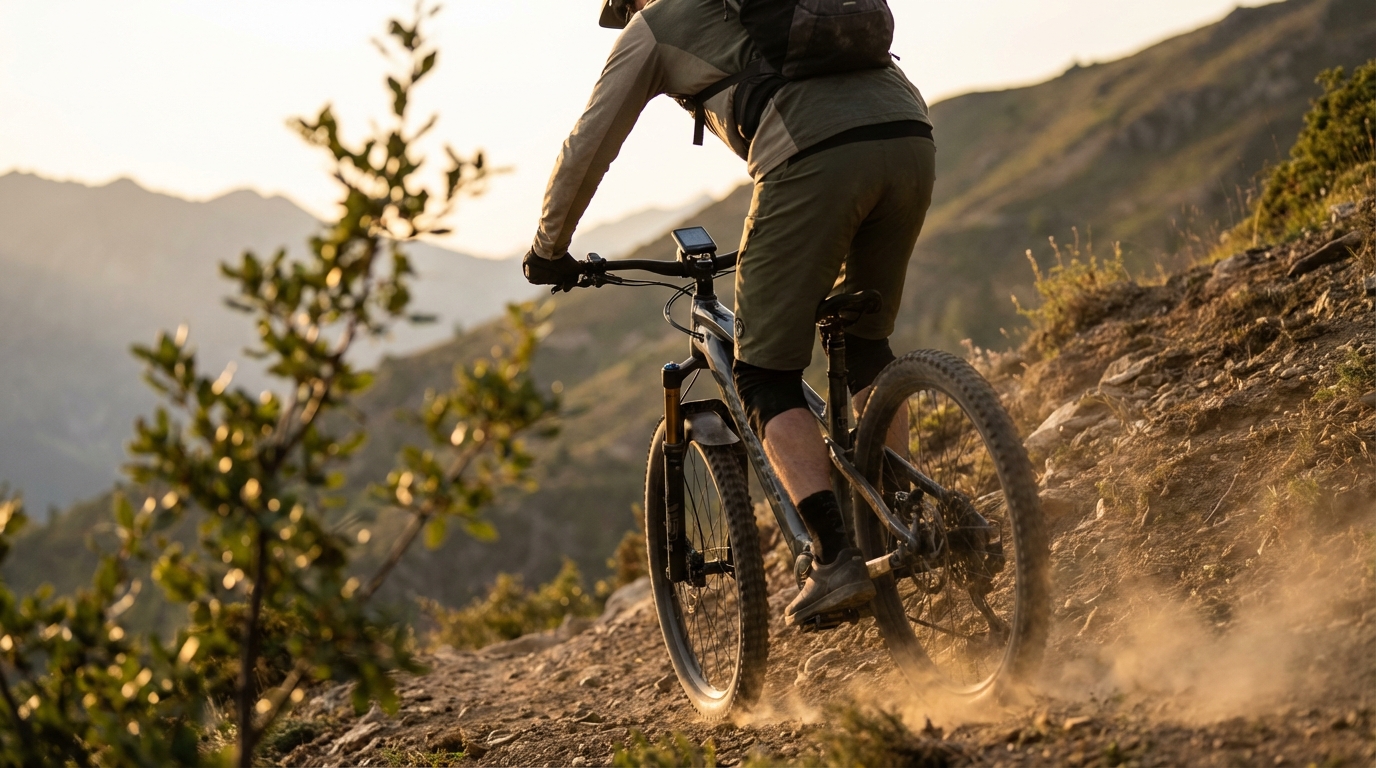
Understanding eBike Power Consumption and Terrain Influence
Electric bicycles, or eBikes, have transformed personal mobility, offering assistance that makes cycling accessible to a wider audience and extends possibilities for various journeys. A fundamental aspect of eBike ownership and usage is understanding how the battery’s energy is consumed. While factors like rider weight, ambient temperature, and motor efficiency play a role, the nature of the terrain traversed stands out as a primary determinant of an eBike’s power consumption and, consequently, its effective range. This comprehensive guide will explore the intricate relationship between different terrains and the energy demands placed upon an eBike’s power system, helping riders better manage their rides and expectations.The Fundamentals of eBike Power Systems
Before delving into terrain specifics, it’s helpful to grasp the core components influencing power consumption. An eBike’s power system primarily consists of a battery and a motor.- Battery Capacity: Measured in Watt-hours (Wh), this indicates the total energy stored. A higher Wh rating generally translates to a longer range, assuming all other factors are equal.
- Motor Power: Typically measured in Watts (W), this dictates the maximum output the motor can provide. Higher power is often associated with greater assistance, particularly noticeable when tackling challenging conditions.
- Assist Levels: eBikes offer various pedal assist levels, allowing riders to choose how much power the motor contributes. Higher assist levels naturally draw more energy from the battery.
Primary Resistive Forces Affecting eBike Travel
An eBike, like any bicycle, must overcome several forces to move forward. The energy expenditure directly relates to the effort required to counteract these forces:- Rolling Resistance: This force opposes the motion of the wheels as they roll over a surface. It is influenced by tire type, tire pressure, and the surface material.
- Aerodynamic Drag: Resistance from the air as the bike and rider move through it. This force increases significantly with speed.
- Gravitational Force: The pull of gravity, which becomes a significant factor when riding uphill. Overcoming gravity requires substantial energy input.
Direct Terrain Impacts on Power Consumption
The physical characteristics of the terrain have the most profound and immediate impact on how much power an eBike consumes.Incline and Gradient (Elevation Changes)
This is arguably the single most significant terrain factor.- Climbing Uphill: Riding uphill requires the motor (and rider) to work against gravity. The steeper the incline, the more energy is needed to lift the combined weight of the bike and rider to a higher elevation. This translates to a considerable increase in power draw from the battery. A steep climb can deplete the battery multiple times faster than riding on flat ground.
- Descending Downhill: Conversely, riding downhill can be very energy-efficient, as gravity assists propulsion. While most eBikes do not typically recharge significantly on descents (unless equipped with specific regenerative braking systems, which are not universally common or highly efficient for range extension), the motor will draw minimal to no power, allowing for significant battery conservation.
Surface Type
The material and texture of the riding surface directly influence rolling resistance.- Smooth Paved Surfaces (Asphalt, Concrete): These surfaces offer the lowest rolling resistance. Tires can roll efficiently with minimal friction, leading to lower power consumption.
- Gravel and Loose Dirt Paths: These surfaces increase rolling resistance considerably. Tires tend to sink slightly into the loose material, and the constant micro-adjustments needed to maintain traction and direction demand more motor power.
- Sand and Mud: These are among the most challenging surfaces. Tires can sink deeply, creating significant drag. Propelling an eBike through sand or thick mud requires substantial, continuous power output from the motor, leading to very high consumption rates.
- Uneven Trails (Rocks, Roots): Off-road trails with obstacles like rocks and roots demand constant power fluctuations. The motor must frequently provide bursts of torque to overcome these obstacles, maintain momentum, and absorb impacts. This dynamic power usage is less efficient than steady riding on a smooth surface.
Roughness and Obstacles
Beyond the general surface type, the presence of specific obstacles and the overall roughness of the terrain significantly affect power usage.- Frequent Obstacles: Navigating technical trails with frequent roots, rocks, and drops requires continuous acceleration and deceleration, suspension compression, and changes in rider input. Each power surge to overcome an obstacle or regain speed after a dip consumes more energy than maintaining a consistent pace on smooth terrain.
- Vibration and Shock Absorption: Riding over rough terrain induces vibrations and shocks. While the bike’s suspension system (if present) absorbs some of this, the motor still needs to work harder to maintain speed and overcome the intermittent resistance caused by these impacts.
Indirect Terrain-Related Factors Influencing Power Consumption
While terrain directly affects resistive forces, other factors often intertwine with terrain challenges to further influence power consumption.Rider Input and Assist Level Selection
The rider’s choices significantly impact how the eBike responds to terrain.- Higher Assist Levels: When faced with steep climbs or challenging surfaces, riders often engage higher assist levels. While this makes the ride easier, it proportionally increases the motor’s power draw and, consequently, battery depletion.
- Lower Assist Levels: Conversely, using lower assist levels on demanding terrain requires more human effort but conserves battery power. Strategic management of assist levels is crucial for extending range over varied terrain.
Riding Style
How a rider approaches different terrains also matters.- Aggressive Riding: Frequent, hard accelerations, sudden braking, and rapid changes in speed, especially on undulating or technical terrain, lead to higher power consumption. The motor has to work harder to overcome inertia repeatedly.
- Smooth and Consistent Riding: A more fluid riding style, anticipating terrain changes, maintaining momentum, and using consistent pedal pressure, is more energy-efficient.
Tire Choice and Pressure
The tires chosen for a specific terrain, and their inflation level, play a crucial role.- Knobby Tires: Designed for grip on loose or uneven surfaces, knobby tires inherently have higher rolling resistance on paved roads compared to smoother road tires.
- Tire Pressure: Proper tire pressure is vital. Too low, and rolling resistance increases; too high, and grip may be compromised on rough terrain, leading to less efficient propulsion and potentially discomfort. Optimizing pressure for the specific terrain can mitigate power loss.
Total Weight (Bike and Rider)
The combined weight of the eBike and rider amplifies the effects of gravity and rolling resistance.- Increased Gravitational Load: On climbs, a heavier combined weight requires significantly more energy to ascend.
- Increased Rolling Resistance: A heavier load also subtly increases rolling resistance across all surfaces.
Strategies for Mitigating Power Consumption on Varied Terrain
Understanding how terrain impacts consumption is the first step; adapting your riding is the next.- Strategic Assist Mode Management: Learn to use lower assist modes on flatter or downhill sections and reserve higher power for challenging climbs or technical obstacles.
- Anticipatory Riding: Look ahead on the trail or road to anticipate changes in gradient or surface. This allows for smoother gear changes and power adjustments, avoiding sudden demands on the motor.
- Maintain Momentum: Wherever possible, try to maintain a consistent speed, especially before an incline. Losing and regaining momentum consumes more energy than sustaining it.
- Optimize Tire Pressure: Adjust tire pressure according to the terrain. Slightly lower pressure might offer better grip and comfort on rough trails, while higher pressure is more efficient on smooth roads.
- Smooth Pedaling: Consistent, even pedal strokes help the motor operate more efficiently.
Conclusion
The terrain traversed is an undeniable and powerful factor in determining an eBike’s power consumption and overall range. From the steepness of climbs to the texture of the riding surface, each characteristic demands a specific energy expenditure from the battery. By understanding these dynamics, eBike riders can develop a more intuitive sense of their battery’s capabilities, adapt their riding strategies, and plan routes more effectively. This knowledge not only extends the enjoyment and practicality of eBike travel but also empowers riders to explore diverse environments with greater confidence and efficiency.Frequently Asked Questions (FAQs)
1. How much more power does riding uphill consume compared to flat terrain?
Riding uphill consumes significantly more power. The precise increase depends on the gradient, rider and bike weight, and assist level, but it can be several times higher than cruising on flat ground. For instance, a moderately steep climb could deplete the battery 2-4 times faster than riding on a level surface.2. Do eBikes recharge their batteries when going downhill?
Most consumer eBikes do not feature robust regenerative braking systems that significantly recharge the battery on descents. While some advanced models may incorporate limited regenerative capabilities, the energy recovered is typically minor and does not substantially extend overall range for typical riding scenarios. The primary benefit of descending is the reduced power draw, effectively conserving the existing battery charge.3. Does riding on very rough off-road trails use more power than a smooth paved road?
Yes, significantly more. Rough off-road trails with obstacles like rocks, roots, and loose surfaces increase rolling resistance, demand frequent power bursts for acceleration and overcoming impediments, and result in energy losses due to impacts and suspension absorption. This cumulative effect leads to much higher power consumption compared to riding on a smooth, consistent paved road.4. How does a rider’s pedaling effort influence power consumption on different terrains?
A rider’s pedaling effort is directly linked to the amount of power the motor needs to supply. On challenging terrains like steep hills or rough paths, increased human input (pedaling harder) allows the rider to use a lower assist level, thereby reducing the motor’s power draw and conserving battery. Conversely, relying solely on high motor assist for tough terrains will deplete the battery much faster.5. Is there an ideal tire pressure for varying terrains to optimize power consumption?
There isn’t a single “ideal” tire pressure for all terrains, as it’s a balance between rolling resistance, grip, and comfort. For smooth, paved roads, a higher tire pressure generally reduces rolling resistance, leading to lower power consumption. On rougher, looser terrains, a slightly lower pressure can increase traction and comfort, but may increase rolling resistance. Riders often adjust pressure based on the dominant terrain of their ride, aiming for a balance that provides adequate grip and reasonable efficiency.
Diana Miller, is a dedicated nature enthusiast and an outdoor adventurer. She began leading groups for excursions in her teens and never stopped. Following her passion for nature, she gathers her friends for outdoor trips every now and then. And for the last 10 years, she has executed workshops on backpacking, snow kayaking and traveling that included her main motive of lightweight packing while outdoors. During leisure, she loves planning for her next adventure.