
Electric bikes, often referred to as e-bikes, have transformed personal mobility, offering assistance that makes cycling accessible to a wider demographic and for a broader range of purposes. Their increasing popularity stems from their ability to flatten hills, extend ranges, and reduce the physical exertion typically associated with cycling. However, an often-underestimated aspect of e-bike design and performance is weight distribution. Unlike traditional bicycles, e-bikes incorporate heavy components such as motors and batteries, which significantly alter their overall mass and how that mass is positioned. Understanding why weight distribution matters is fundamental to appreciating the nuances of e-bike engineering and its profound impact on handling, stability, and the overall rider experience.
The strategic placement of these heavier components is not merely an aesthetic choice but a critical engineering decision that dictates how an e-bike behaves on the road or trail. It influences everything from the bike’s responsiveness in a turn to its stability at speed, its braking performance, and even the comfort level for the rider. A well-distributed weight contributes to a feeling of balance and control, enhancing both enjoyment and safety. Conversely, poor weight distribution can lead to an unwieldy, unstable, or even unpredictable ride, diminishing the advantages an e-bike is designed to offer.
Fundamentals of Weight Distribution in E-Bikes
Weight distribution in the context of an e-bike refers to how the total mass of the bicycle and its components—including the frame, motor, battery, wheels, and any accessories—is spread across its length, width, and height. This is a more complex consideration for e-bikes than for conventional bicycles due to the additional weight of the electrical system. The motor and battery alone can add anywhere from several kilograms to over ten kilograms to the bike’s overall mass, making their placement paramount.
The primary goal of effective weight distribution in any vehicle, including an e-bike, is to achieve a balanced and predictable handling characteristic. This balance is largely governed by the location of the bike’s center of gravity (CoG), which is the hypothetical point where the entire mass of the object appears to be concentrated. A lower and more centralized CoG generally translates to greater stability and improved handling, making the bike feel more grounded and responsive.
Key Components and Their Influence on Weight Distribution
Several crucial components contribute significantly to an e-bike’s overall weight and, consequently, its distribution.
The Battery
Often the heaviest single component on an e-bike, aside from the rider, the battery’s placement is perhaps the most influential factor in weight distribution. Batteries typically weigh between 2 to 5 kilograms, depending on their capacity and chemistry. Common placements include:
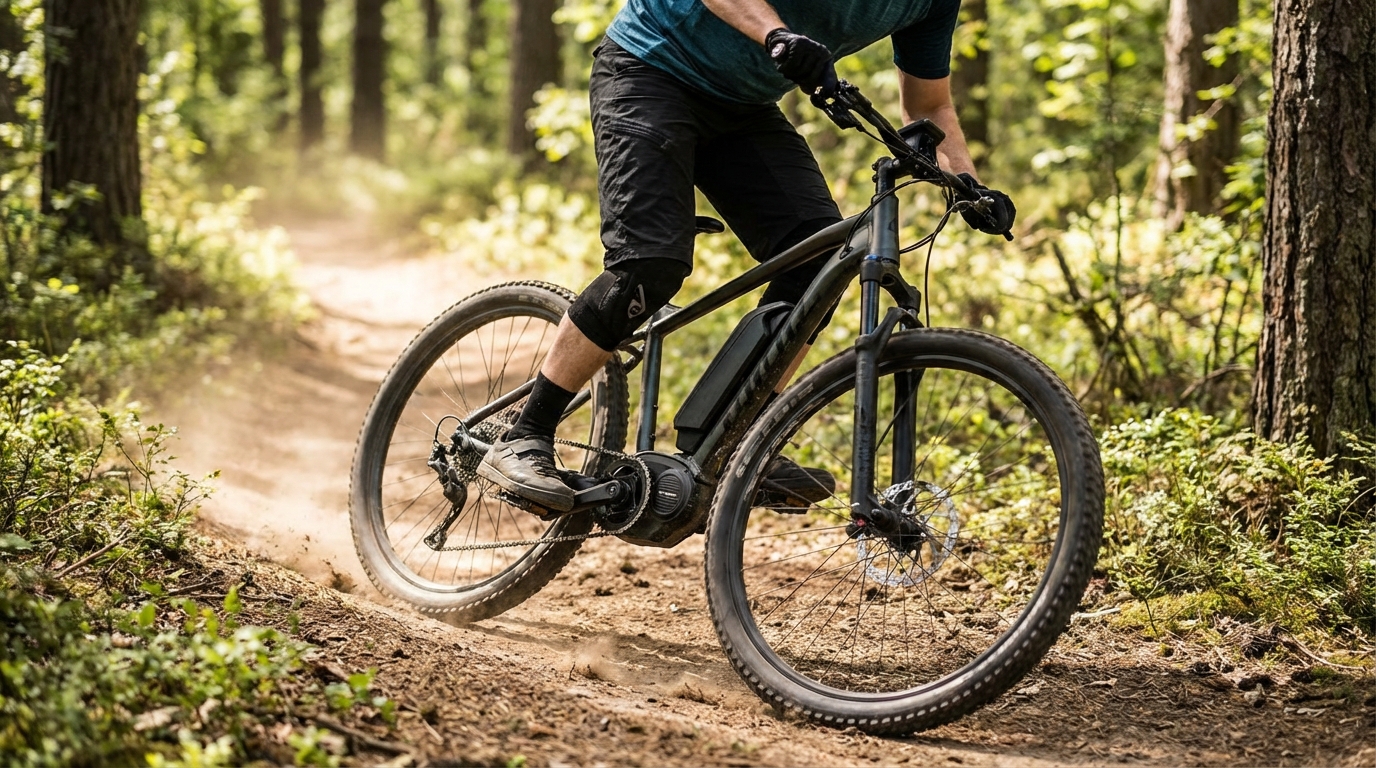
- **Downtube Integration:** Many modern e-bikes integrate the battery within or on the downtube of the frame. This position places the weight low and centrally within the frame’s triangle, contributing to a desirable low and centralized CoG. This often results in stable and agile handling.
- **Rear Rack Mounting:** Some e-bikes, particularly utility or commuter models, mount the battery on a rear rack. While practical for cargo, this elevates the CoG and shifts it rearward. This can make the bike feel heavier in the rear, potentially affecting front wheel traction during climbing and making the steering feel lighter. It may also lead to a less stable feel, especially when cornering or carrying additional weight.
- **Seat Tube or Other Frame Positions:** Less common placements may also exist, each with its own implications for weight distribution and frame design.
The Motor
The motor is the second heaviest component and its type and placement also play a significant role:
- **Mid-Drive Motors:** These motors are positioned near the bottom bracket, at the center of the bike’s frame. This placement contributes to an exceptionally low and centralized CoG, which is widely considered beneficial for handling. By keeping the weight central and low, mid-drive systems often allow for a more balanced feel, similar to a traditional bicycle, enhancing maneuverability and stability.
- **Hub Motors (Front or Rear):** Hub motors are integrated directly into the front or rear wheel hub.
- **Rear Hub Motors:** These are common and generally add weight to the rear wheel. While less disruptive to the CoG than a rear rack battery, they still shift some weight rearward and increase the unsprung mass of the rear wheel.
- **Front Hub Motors:** These place additional weight at the very front of the bike, increasing the unsprung mass of the front wheel. This can sometimes lead to a feeling of heavier steering or a tendency for the front wheel to ‘push’ in corners. It can also affect the bike’s balance, especially when climbing, as the rider’s weight shifts rearward.
Frame Design and Material
The frame itself, along with its geometry and the materials used (e.g., aluminum, steel, carbon fiber), also influences how the various components can be optimally placed. Modern frame designs often aim to seamlessly integrate the battery and motor, not only for aesthetics but primarily to achieve superior weight distribution and structural integrity. The inherent weight of different frame materials also plays a role in the bike’s overall mass and how it is carried.
Impact on Handling and Ride Dynamics
The careful consideration of weight distribution has profound effects on how an e-bike performs and feels to the rider.
Center of Gravity (CoG)
As mentioned, a low and centralized CoG is typically desired. When the CoG is too high or shifted significantly to one end, the bike can feel top-heavy or imbalanced. A lower CoG makes the bike feel more stable, especially at speed, and easier to lean into turns. A centralized CoG ensures that the bike responds predictably to rider input, whether accelerating, braking, or cornering.
Stability and Maneuverability
Weight distribution directly impacts the bike’s stability, both in a straight line and while cornering. A balanced distribution helps maintain stability over varied terrain and at different speeds. For example, a bike with too much rear-biased weight might feel twitchy in the front, making steering less precise. Conversely, a front-heavy bike could feel sluggish in turns and less agile.
- **Longitudinal Stability:** How well the bike maintains a straight line. Balanced weight prevents either end from feeling too light or heavy.
- **Lateral Stability:** How the bike handles leaning and turning. A centralized CoG allows for smoother, more intuitive lean angles during cornering.
Suspension Performance
The distribution of weight directly influences how the suspension components perform. Uneven weight distribution can cause one end of the bike’s suspension to work harder than the other, leading to an unbalanced ride. For instance, a bike with excessive weight over the rear wheel might cause the rear suspension to bottom out more easily or feel less compliant, while the front suspension might feel underutilized. Proper weight distribution ensures that both front and rear suspension systems can operate within their optimal range, providing consistent damping, traction, and comfort.
Braking Performance
During braking, weight naturally shifts towards the front wheel. An e-bike with good front-to-rear weight distribution manages this shift more effectively, ensuring both wheels maintain adequate traction and preventing the front wheel from locking up prematurely or the rear wheel from lifting excessively. This contributes to shorter stopping distances and greater control under emergency braking scenarios.
Rider Experience and Safety Implications
Ultimately, the technical aspects of weight distribution translate directly into the rider’s subjective experience and the inherent safety of the e-bike.
Comfort and Control
A well-balanced e-bike feels lighter and more nimble than its actual weight might suggest. This reduces rider fatigue on longer rides and makes the bike easier to manage at lower speeds or when maneuvering in tight spaces. Riders experience a greater sense of control and predictability, which enhances the overall enjoyment of the ride.
Confidence and Predictability
When an e-bike handles predictably and feels stable, riders gain confidence. This is particularly important for newer riders or those navigating challenging terrain or busy urban environments. Knowing how the bike will respond to input allows riders to focus more on their surroundings and less on wrestling with an unwieldy machine.
Safety
From a safety perspective, proper weight distribution is paramount. It reduces the risk of loss of control due to instability, especially when encountering bumps, potholes, or during sudden evasive maneuvers. Improved traction during braking and cornering directly contributes to accident prevention. A stable bike is a safer bike, providing riders with the security needed to fully enjoy their journeys.
Conclusion
The significance of weight distribution in electric bikes cannot be overstated. It is a fundamental engineering consideration that shapes virtually every aspect of an e-bike’s performance, from its fundamental stability and precise handling characteristics to the comfort and confidence it inspires in the rider. Thoughtful placement of components like the battery and motor, combined with intelligent frame design, culminates in an e-bike that feels balanced, agile, and secure. As e-bike technology continues to evolve, the meticulous attention to how mass is distributed will remain a cornerstone of creating exceptional and safe riding experiences for everyone.
Frequently Asked Questions
Q1: What is considered an effective weight distribution for an e-bike?
A generally effective weight distribution for an e-bike aims for a low and centralized center of gravity (CoG). This means placing the heaviest components, primarily the battery and motor, as close to the center of the bike’s length and as low to the ground as possible. While there isn’t one single “ideal” ratio, this approach typically enhances stability, maneuverability, and overall handling, making the bike feel more predictable and easier to control.
Q2: How does a mid-drive motor affect weight distribution compared to a hub motor?
A mid-drive motor is positioned centrally near the bottom bracket, contributing to a very low and centralized CoG. This design typically results in handling characteristics that closely mimic those of a traditional bicycle, offering enhanced balance and responsiveness. Hub motors, conversely, add weight directly to the front or rear wheel, increasing the unsprung mass and shifting the CoG towards the front or rear, which can alter handling feel and suspension response compared to a mid-drive system.
Q3: Does rider weight influence weight distribution?
Yes, rider weight significantly influences the overall weight distribution of an e-bike. The rider constitutes a substantial portion of the total moving mass. A rider’s posture and position on the bike (e.g., leaning forward, sitting upright) can dynamically shift the CoG, affecting how the bike handles. E-bike designers account for an average rider’s weight and position when optimizing component placement to ensure stable and predictable handling across a range of riders.
Q4: Can I alter the weight distribution of my e-bike?
While you cannot fundamentally change the built-in placement of the motor or battery, minor adjustments can be made. For instance, relocating accessories like water bottles, tool bags, or cargo can subtly shift the overall weight distribution. Placing heavier items in a frame bag rather than on a rear rack can help maintain a more centralized CoG. However, significant changes are typically not feasible without major modifications to the bike’s structure.
Q5: Why is battery placement so crucial?
Battery placement is crucial because the battery is often the heaviest single component on an e-bike (excluding the rider). Its position has the most significant impact on the bike’s overall center of gravity. A battery placed low and centrally contributes to greater stability and agile handling, whereas one positioned high or at the far rear can raise the CoG and shift it rearward, potentially making the bike feel less stable, especially during turns or at speed.

Diana Miller, is a dedicated nature enthusiast and an outdoor adventurer. She began leading groups for excursions in her teens and never stopped. Following her passion for nature, she gathers her friends for outdoor trips every now and then. And for the last 10 years, she has executed workshops on backpacking, snow kayaking and traveling that included her main motive of lightweight packing while outdoors. During leisure, she loves planning for her next adventure.