
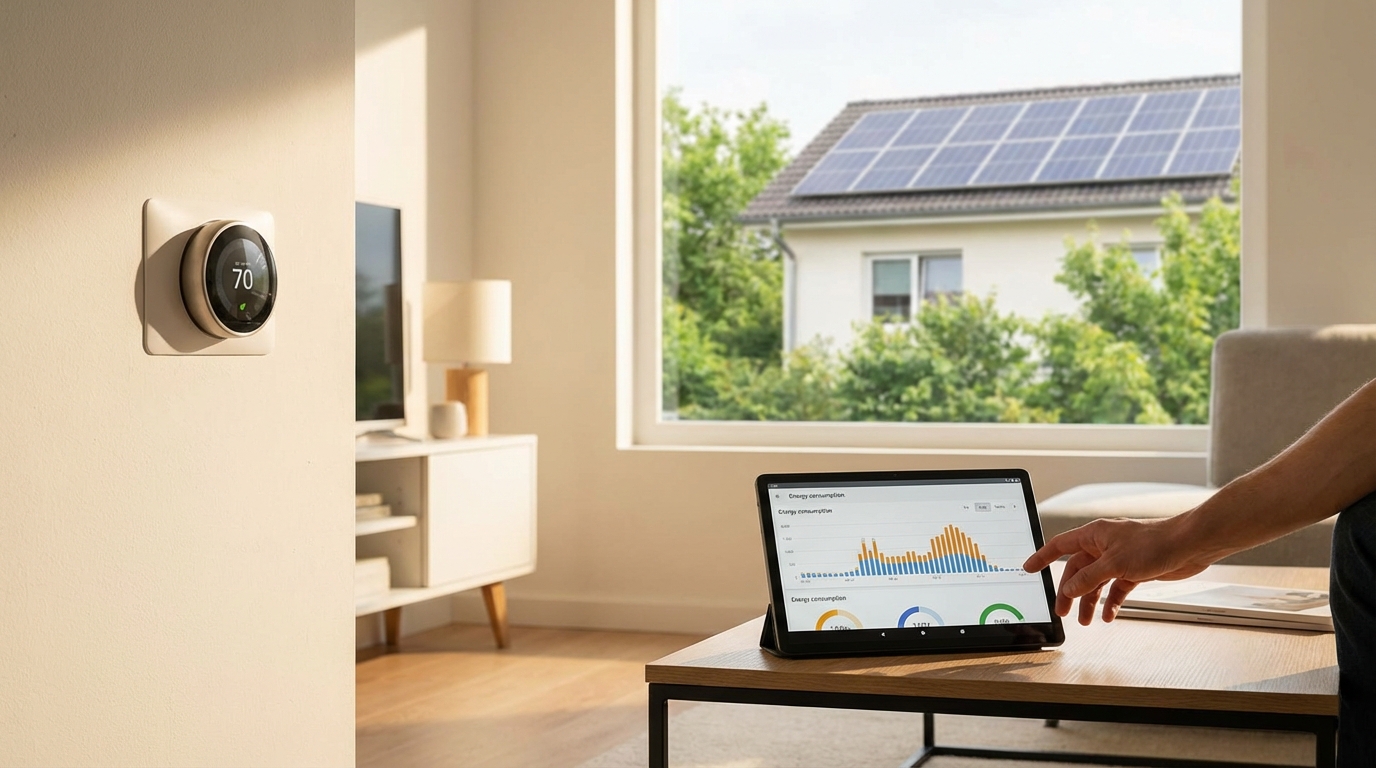
Modern living often involves a significant demand for energy to power homes, from heating and cooling to lighting and various appliances. As awareness of environmental impact and the financial implications of energy consumption grows, many are seeking innovative solutions to manage and reduce their household energy usage. Smart home technologies offer a compelling approach by integrating various systems that can monitor, control, and optimize energy consumption within a dwelling. This integration aims to create a more efficient and responsive living environment, ultimately contributing to lower energy bills and a reduced carbon footprint.
Understanding Smart Home Technology and Energy Consumption
A smart home is essentially a residence equipped with devices that can be controlled remotely or operate autonomously through internet connectivity. These devices often include sensors, actuators, and a central hub or platform that allows them to communicate and interact with each other. In the context of energy efficiency, smart home technology moves beyond simple remote control; it focuses on intelligent automation and data-driven insights to make energy use more precise and less wasteful.
Traditional Energy Consumption Patterns
In conventional homes, energy consumption can often be inefficient due to several factors:
- Manual Control: Systems like heating, cooling, and lighting are often operated manually, leading to situations where lights are left on in empty rooms or HVAC runs unnecessarily.
- Lack of Data: Residents typically have limited visibility into their real-time energy usage, making it difficult to identify areas of waste.
- Fixed Schedules: Timers might be set, but they lack the flexibility to adapt to changing routines, weather, or occupancy.
- Phantom Load: Electronic devices continue to draw small amounts of power even when turned off, contributing to wasted energy over time.
Smart home systems address these inefficiencies by introducing automation, detailed monitoring, and adaptive control.
Key Smart Home Components for Energy Efficiency
Several categories of smart devices play a pivotal role in enhancing a home’s energy efficiency. Each contributes in distinct ways, often working in concert to create a holistic energy management system.
Smart Thermostats
Smart thermostats are foundational to energy-efficient homes, primarily by optimizing heating, ventilation, and air conditioning (HVAC) systems, which typically account for a substantial portion of household energy use.
- Learning Algorithms: Many smart thermostats learn occupants’ schedules and temperature preferences over time, automatically adjusting settings to align with daily routines.
- Remote Control: Residents can adjust temperatures from anywhere using a smartphone, ensuring the home is comfortable upon arrival without heating or cooling an empty house all day.
- Occupancy Sensing: Some models incorporate sensors to detect when rooms are occupied, automatically lowering or raising temperatures when nobody is home.
- Zoning Capabilities: In homes with multiple thermostats or integrated zoning systems, specific areas can be heated or cooled independently, preventing energy waste in unused rooms.
- Integration with Weather Data: These devices can access local weather forecasts, pre-heating or pre-cooling the home to take advantage of off-peak electricity rates or anticipate external temperature changes.
Smart Lighting Systems
Lighting is another significant energy consumer. Smart lighting systems offer granular control and adaptive features to reduce electricity usage.
- LED Integration: Smart lighting typically utilizes light-emitting diodes (LEDs), which are inherently more energy-efficient than traditional incandescent or fluorescent bulbs.
- Dimming Capabilities: Allowing lights to be dimmed rather than always operating at full intensity can significantly reduce power consumption.
- Scheduling and Timers: Lights can be programmed to turn on and off at specific times, aligning with natural daylight cycles or occupancy patterns.
- Occupancy/Vacancy Sensors: Lights automatically turn on when a room is entered and off when it’s vacated, preventing them from being left on unnecessarily.
- Daylight Harvesting: Sensors can detect ambient light levels and adjust artificial lighting accordingly, reducing output when sufficient natural light is available.
Smart Plugs and Outlets
These simple yet effective devices provide control over non-smart appliances and electronics, addressing the issue of “phantom load” or “vampire drain.”
- Remote Power Cycling: Appliances plugged into smart plugs can be turned on or off remotely, ensuring devices are truly powered down when not in use.
- Scheduling: Plugs can be programmed to cut power to devices during off-peak hours or when occupants are typically away, eliminating standby power consumption.
- Energy Monitoring: Some smart plugs can track the energy consumption of connected devices, providing data that helps identify energy-intensive electronics.
Smart Appliances
Modern appliances with smart capabilities are designed with energy efficiency in mind, offering features that optimize their operation.
- Energy Monitoring: Many smart refrigerators, washing machines, dryers, and dishwashers provide real-time data on their energy use.
- Optimized Cycles: Some appliances can download software updates that improve their efficiency or select cycles that use less water and energy based on load size and soil level.
- Demand-Response Integration: Certain appliances can communicate with utility providers to run during off-peak hours when electricity is cheaper and demand on the grid is lower.
Smart Window Coverings and Shades
Managing solar gain and heat loss through windows is crucial for thermal efficiency. Automated window coverings can play a significant role.
- Automated Thermal Regulation: Shades can be programmed to open during cooler parts of the day to allow passive solar heating in winter or close during peak sunlight hours in summer to block heat gain.
- Daylight Optimization: They can adjust to maximize natural light entry while minimizing glare, reducing the need for artificial lighting.
- Integration with Thermostats: Smart shades can often integrate with smart thermostats to coordinate efforts in maintaining indoor temperatures.
Energy Monitoring Systems
Dedicated whole-home energy monitors provide a comprehensive view of electricity consumption, often breaking it down by circuit or appliance type.
- Real-time Data: These systems offer instant feedback on energy usage, allowing occupants to see the immediate impact of turning devices on or off.
- Historical Analysis: They collect data over time, enabling residents to identify trends, pinpoint energy inefficiencies, and track progress towards energy-saving goals.
- Alerts and Notifications: Users can receive alerts for unusual consumption patterns or high usage, prompting them to investigate potential issues.
Automation and Integration for Enhanced Efficiency
The true power of a smart home for energy efficiency lies in the ability of its various components to communicate and automate tasks based on predefined rules or learned behaviors. This integration creates a synergistic effect that amplifies individual device savings.
Centralized Control and Management
A central hub or application allows users to monitor and control all integrated smart devices from a single interface. This simplifies management and provides an overview of the home’s energy ecosystem.
Scene Creation
Users can create “scenes” or routines that trigger multiple actions simultaneously. For instance, an “Away” scene might automatically:
- Turn off all lights.
- Adjust the thermostat to an energy-saving temperature.
- Ensure smart plugs cut power to non-essential devices.
- Lower smart shades.
Geofencing
This technology uses the location of residents’ smartphones to determine when they enter or leave a predefined area around the home. Systems can then automatically adjust settings:
- Turning off lights and setting back the thermostat when the last person leaves.
- Pre-heating or pre-cooling the home when the first person approaches.
Occupancy and Motion Sensing
Beyond simple light control, advanced occupancy sensors can inform HVAC systems to only condition occupied zones, avoiding the wasteful heating or cooling of empty rooms.
Integration with External Data
Smart systems can integrate with external data sources like local weather forecasts, utility company peak hours, or even grid demand information. This allows for proactive adjustments, such as pre-cooling the house before a heatwave or shifting energy-intensive tasks to off-peak hours.
Behavioral Impact and Awareness
Beyond the automated efficiencies, smart home technology also fosters energy consciousness among residents. By providing clear, actionable data on energy consumption, these systems empower individuals to make more informed choices about their daily habits.
- Visibility: Real-time energy monitoring helps residents visualize where and how energy is being used, making abstract consumption tangible.
- Feedback Loops: Immediate feedback on energy use encourages residents to adopt more efficient behaviors, such as unplugging chargers or turning off unnecessary lights.
- Goal Setting: Access to historical data allows occupants to set and track energy-saving goals, fostering a sense of accomplishment and further motivation.
This combination of automation, integration, and increased awareness contributes to a significant reduction in overall household energy consumption.
Conclusion
Smart homes offer a multifaceted approach to improving energy efficiency by transforming how residential energy is managed and consumed. Through intelligent automation of HVAC, lighting, appliances, and other systems, these technologies minimize waste, optimize usage based on occupancy and external conditions, and provide residents with unprecedented insights into their energy footprint. The integration of various smart devices enables a responsive and adaptable living environment that not only contributes to financial savings but also supports broader sustainability goals. As these technologies continue to evolve and become more accessible, their role in creating energy-efficient residences will only grow in importance.
Frequently Asked Questions
Q1: How do smart homes save energy compared to traditional homes?
Smart homes improve energy efficiency by automating systems like heating, cooling, and lighting based on real-time data, schedules, and occupancy. They minimize waste by preventing systems from running unnecessarily, addressing phantom loads, and optimizing usage through features like learning thermostats and occupancy sensors. Traditional homes often rely on manual control, leading to less precise and potentially wasteful energy consumption.
Q2: Do smart home devices themselves consume a lot of energy?
While smart home devices do consume some energy to operate and maintain connectivity, their individual consumption is typically very low (often a few watts). The energy savings achieved through their ability to manage and optimize major energy consumers like HVAC and lighting significantly outweigh the energy they themselves consume, resulting in a net positive impact on overall household energy efficiency.
Q3: Can smart home technology help reduce electricity costs during peak hours?
Yes, many smart home systems are designed to assist with this. Smart thermostats and smart appliances can often be programmed or can intelligently adapt to operate during off-peak hours when electricity rates are lower. This might involve pre-cooling a home before peak rates begin or running a dishwasher late at night, contributing to lower utility bills under time-of-use electricity plans.
Q4: Is it difficult to set up and manage an energy-efficient smart home system?
The complexity of setup can vary depending on the number and type of devices. Many modern smart home devices are designed for relatively straightforward installation and configuration through user-friendly apps. While an integrated system might require some initial effort to connect and configure devices and create automation rules, once established, management often becomes simplified through centralized control interfaces and automated processes.
Q5: Beyond energy efficiency, what other benefits do smart homes offer?
In addition to improved energy efficiency, smart homes offer various other advantages. These include enhanced convenience through automation and remote control, increased security with smart locks and cameras, improved comfort through automated climate and lighting adjustments, and greater peace of mind knowing the home can be monitored and managed from anywhere.
“`
Diana Miller, is a dedicated nature enthusiast and an outdoor adventurer. She began leading groups for excursions in her teens and never stopped. Following her passion for nature, she gathers her friends for outdoor trips every now and then. And for the last 10 years, she has executed workshops on backpacking, snow kayaking and traveling that included her main motive of lightweight packing while outdoors. During leisure, she loves planning for her next adventure.