
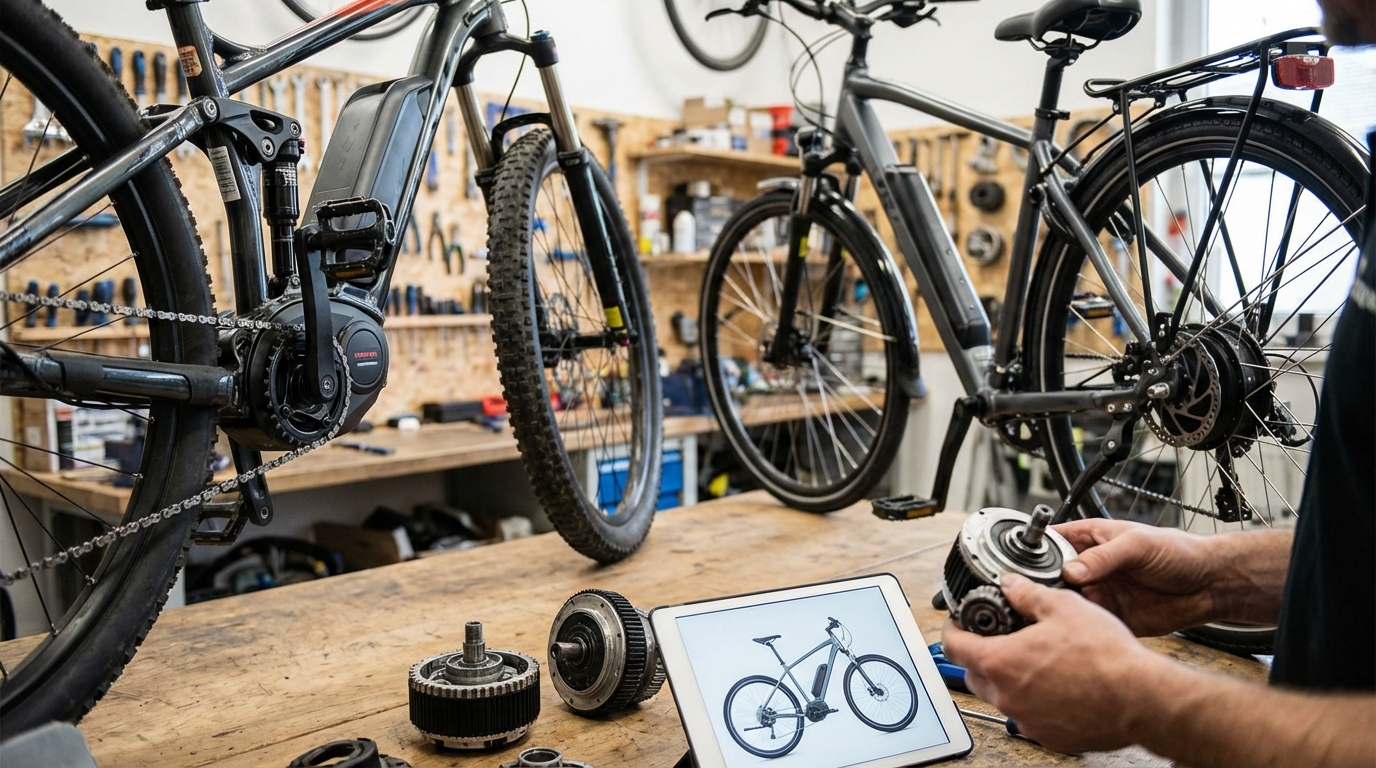
Electric bicycles, or eBikes, have transformed personal mobility, offering a convenient and enjoyable way to navigate cities, conquer challenging terrain, or simply extend cycling range. At the core of every eBike lies its motor system, a crucial component that dictates much of the vehicle’s performance, handling characteristics, and overall rider experience. Understanding the various types of motors and their placement on the bicycle frame is fundamental for anyone interested in eBikes, providing insight into how these systems influence everything from power delivery to weight distribution.
This post will explore the primary motor types utilized in eBikes and delve into the implications of their placement. We will examine how different motor configurations interact with the bike’s mechanics and the rider’s input, offering a comprehensive look at these essential technologies.
Core Principles of eBike Motors
An eBike motor is designed to provide assistance to the rider’s pedaling effort. This assistance can range from a gentle boost to substantial power, making cycling less strenuous and more accessible. Key metrics often associated with eBike motors include:
- Power (Watts): Typically indicates the motor’s output capacity. In many regions, there are legal limits on continuous rated power for street-legal eBikes.
- Torque (Newton-meters, Nm): Represents the rotational force the motor can produce. Higher torque generally translates to better acceleration and climbing capability.
Beyond the motor itself, an eBike’s electrical system also includes a battery to store energy and a controller that manages power delivery based on rider input and system settings. The harmonious operation of these components is what defines the eBike’s performance.
Main eBike Motor Types
The vast majority of eBikes on the market today employ one of two primary motor types: hub motors or mid-drive motors. Each type has distinct characteristics that affect ride quality and suitability for different applications.
Hub Motors
Hub motors are integrated directly into the hub of either the front or rear wheel. They propel the wheel independently of the bike’s chain and gear system. Hub motors are known for their relative simplicity and often represent a more accessible entry point into eBiking.
There are generally two sub-types of hub motors:
- Geared Hub Motors: These motors contain internal planetary gears that allow a smaller, faster-spinning motor to generate higher torque at the wheel. This design often results in a more compact and lighter motor, providing good acceleration and hill-climbing assistance, though they can produce more noise and may have internal wear components.
- Gearless (Direct Drive) Hub Motors: In this configuration, the motor’s rotor is directly connected to the wheel’s axle. They are simpler in construction, often quieter, and can offer regenerative braking capabilities (where braking helps recharge the battery). However, they tend to be larger, heavier, and less efficient at lower speeds due to their direct connection. At higher speeds, they can be quite efficient.
Advantages of Hub Motors:
- Generally straightforward design and integration.
- Can be a more cost-effective solution.
- Front hub motors are easy to install as aftermarket kits.
- Rear hub motors often provide a natural “pushing” sensation.
- Do not place additional wear on the bike’s drivetrain components.
Considerations for Hub Motors:
- Can add significant unsprung weight, potentially affecting suspension performance and handling.
- Wheel removal for tire changes or maintenance can be more complex due to integrated wiring.
- Can sometimes feel less integrated with the rider’s pedaling compared to mid-drive systems.
Mid-Drive Motors
Mid-drive motors are centrally located in the crank area of the bicycle, typically integrated into the bottom bracket shell. Unlike hub motors, mid-drive motors transfer their power through the bike’s existing drivetrain—the chain and gears. This allows the motor to leverage the bike’s gearing, much like a cyclist uses gears to optimize pedaling efficiency for varying terrain and speeds.
Advantages of Mid-Drive Motors:
- Natural Ride Feel: Because they work with the bike’s gears, mid-drive systems amplify the rider’s pedal input, resulting in a very natural and intuitive cycling experience.
- Centralized Weight: The motor’s weight is low and central on the bike frame, which contributes to superior balance, handling, and stability.
- Efficiency and Torque: By utilizing the bike’s gearing, mid-drives can operate within their optimal RPM range more frequently, leading to higher efficiency and impressive torque output for climbing steep hills or carrying heavy loads.
- Easier Wheel Maintenance: Wheels can be removed and serviced like on a traditional bicycle, as there are no motor components integrated into the wheel hubs.
- Better for Off-Road and Varied Terrain: Their ability to leverage gearing makes them highly adaptable to diverse riding conditions.
Considerations for Mid-Drive Motors:
- Generally more complex to manufacture and integrate, often leading to a higher initial cost.
- Places additional stress and wear on drivetrain components (chain, cassette, chainring) due to the amplified power running through them.
- Can sometimes produce more audible motor noise, although advancements are continually reducing this.
Implications of Motor Placement
Beyond the type of motor, its specific placement on the eBike frame significantly influences the bike’s handling, balance, and the overall feel of the ride. Hub motors can be placed in either the front or rear wheel, while mid-drive motors have a fixed, central location.
Front Hub Motors
When a hub motor is installed in the front wheel, it creates a “pulling” sensation as the bike is propelled forward. This setup can contribute to a more balanced weight distribution if the battery is mounted in the rear. Front hub motors are relatively simple to install, making them a common choice for conversion kits.
Characteristics and Considerations:
- Weight Distribution: Can balance the bike if the battery is rear-mounted.
- Traction: In certain conditions, particularly on loose surfaces or during aggressive acceleration, the front wheel might lose traction more easily as weight shifts to the rear.
- Steering: Adds weight to the steering assembly, which some riders might notice in handling.
Rear Hub Motors
Rear hub motors provide a “pushing” sensation, which many riders find intuitive and akin to being propelled from behind. They often offer improved traction, as the rider’s weight naturally helps press the rear wheel onto the ground.
Characteristics and Considerations:
- Traction: Generally offers excellent traction, especially when climbing, as rider weight helps keep the rear wheel grounded.
- Weight Distribution: Concentrates weight at the rear of the bike, which can be further amplified if the battery is also rear-mounted, potentially affecting overall balance and maneuverability.
- Wheel Maintenance: Can make rear wheel removal slightly more cumbersome due to motor wiring.
Mid-Drive Motor Placement
Mid-drive motors are inherently positioned at the center and lowest point of the bicycle frame, typically where the pedals are. This centralized, low-slung weight distribution is one of their defining characteristics and a significant contributor to their acclaimed ride quality.
Characteristics and Considerations:
- Balance and Handling: The central and low placement of weight enhances the bike’s stability, balance, and maneuverability, making it feel more like a traditional bicycle.
- Integrated Feel: The power delivery through the drivetrain integrates smoothly with the rider’s pedaling, creating a highly cohesive and responsive experience.
- Suspension Performance: Because the motor is not part of the unsprung weight of the wheels, it has no adverse effect on suspension performance, which is particularly beneficial for full-suspension eBikes.
How Motor Choice Impacts Riding
The decision between a hub motor and a mid-drive motor, and the specific placement of a hub motor, fundamentally shapes the eBike’s character and its suitability for various riding styles and environments.
Power Delivery and Feel
- Hub Motors: Deliver power directly to the wheel. Geared hubs provide a quick boost, while direct-drive hubs offer consistent power, particularly at higher speeds. The sensation can be a direct push or pull.
- Mid-Drive Motors: Provide a more nuanced power delivery by working with the gears. This allows the motor to provide strong assistance across a wide range of speeds and terrains, feeling more like an extension of the rider’s own power.
Weight Distribution and Handling
- Hub Motors: Adding weight to the wheels (especially unsprung weight) can impact how the bike feels over bumps and through turns. The concentration of weight at the front or rear can alter handling characteristics.
- Mid-Drive Motors: The central, low weight distribution results in a more agile and balanced bike, making it easier to handle through turns and over obstacles. This is particularly noticeable on technical trails or in situations requiring quick maneuvers.
Maintenance Considerations
- Hub Motors: The motor unit itself is often sealed and requires minimal maintenance. However, specialized tools or knowledge may be needed for wheel removal and internal motor service.
- Mid-Drive Motors: While the motor unit is generally robust, the increased stress on the drivetrain means components like chains, cassettes, and chainrings may wear out more quickly and require more frequent inspection and replacement.
Terrain and Application Suitability
- Hub Motors: Are often well-suited for urban commuting, flat terrain, and recreational riding where consistent power delivery is appreciated and complex gearing isn’t strictly necessary.
- Mid-Drive Motors: Excel in varied terrain, hilly areas, and off-road applications where their ability to leverage the bike’s gearing for climbing and their balanced handling become significant advantages. They are also frequently chosen for cargo eBikes due to their high torque capabilities.
Conclusion
The motor system is the heart of an eBike, and its type and placement are critical factors influencing performance, ride feel, and suitability for different purposes. Hub motors, whether front or rear, offer a straightforward and often more accessible way to electrify a bicycle, providing direct power to the wheel and affecting weight distribution based on their position. Mid-drive motors, situated centrally, integrate seamlessly with the bike’s drivetrain, delivering a highly natural ride feel, exceptional torque, and superior balance, albeit typically at a higher cost and with increased drivetrain wear.
Ultimately, the choice among these motor configurations hinges on individual riding preferences, the intended use of the eBike, and specific terrain challenges. An informed understanding of these distinctions empowers riders to select an eBike that aligns perfectly with their needs and desired cycling experience.
Frequently Asked Questions
1. What is the main difference between a hub motor and a mid-drive motor?
A hub motor is integrated into the center of the front or rear wheel and directly propels the wheel, independent of the bike’s gears. A mid-drive motor is located near the pedals (in the crank area) and transfers its power through the bike’s chain and gears, leveraging the bicycle’s existing drivetrain for propulsion.
2. Do eBike motors use the bike’s gears?
Mid-drive motors actively utilize the bike’s gears, allowing the rider to shift gears to optimize motor efficiency and power output for various speeds and terrains. Hub motors, on the other hand, do not use the bike’s gears; they drive the wheel directly, regardless of the gear selection.
3. How does motor placement affect an eBike’s balance?
Mid-drive motors contribute to superior balance as their weight is low and central on the bike frame. Front hub motors can help balance the bike if the battery is rear-mounted, but they add weight to the steering. Rear hub motors concentrate weight at the back, which can affect the bike’s overall balance and sometimes make the front feel lighter.
4. Are hub motors or mid-drive motors more suitable for climbing steep hills?
Mid-drive motors are generally considered more suitable for climbing steep hills. Their ability to leverage the bike’s gearing allows them to deliver higher torque at lower speeds, making them highly efficient and effective on inclines. While geared hub motors can also provide good hill-climbing assistance, mid-drives typically offer a more powerful and sustained climbing performance.
5. Can an eBike motor be easily replaced or upgraded?
Replacing or upgrading an eBike motor can range from relatively straightforward to quite complex. Hub motors, especially those in conversion kits, can often be replaced with a similar unit, though wiring and controller compatibility must be considered. Mid-drive motors are typically integral to the frame design and are generally not designed for easy user replacement or upgrade; such procedures usually require specialized technical expertise and compatible components from the manufacturer.

Diana Miller, is a dedicated nature enthusiast and an outdoor adventurer. She began leading groups for excursions in her teens and never stopped. Following her passion for nature, she gathers her friends for outdoor trips every now and then. And for the last 10 years, she has executed workshops on backpacking, snow kayaking and traveling that included her main motive of lightweight packing while outdoors. During leisure, she loves planning for her next adventure.