
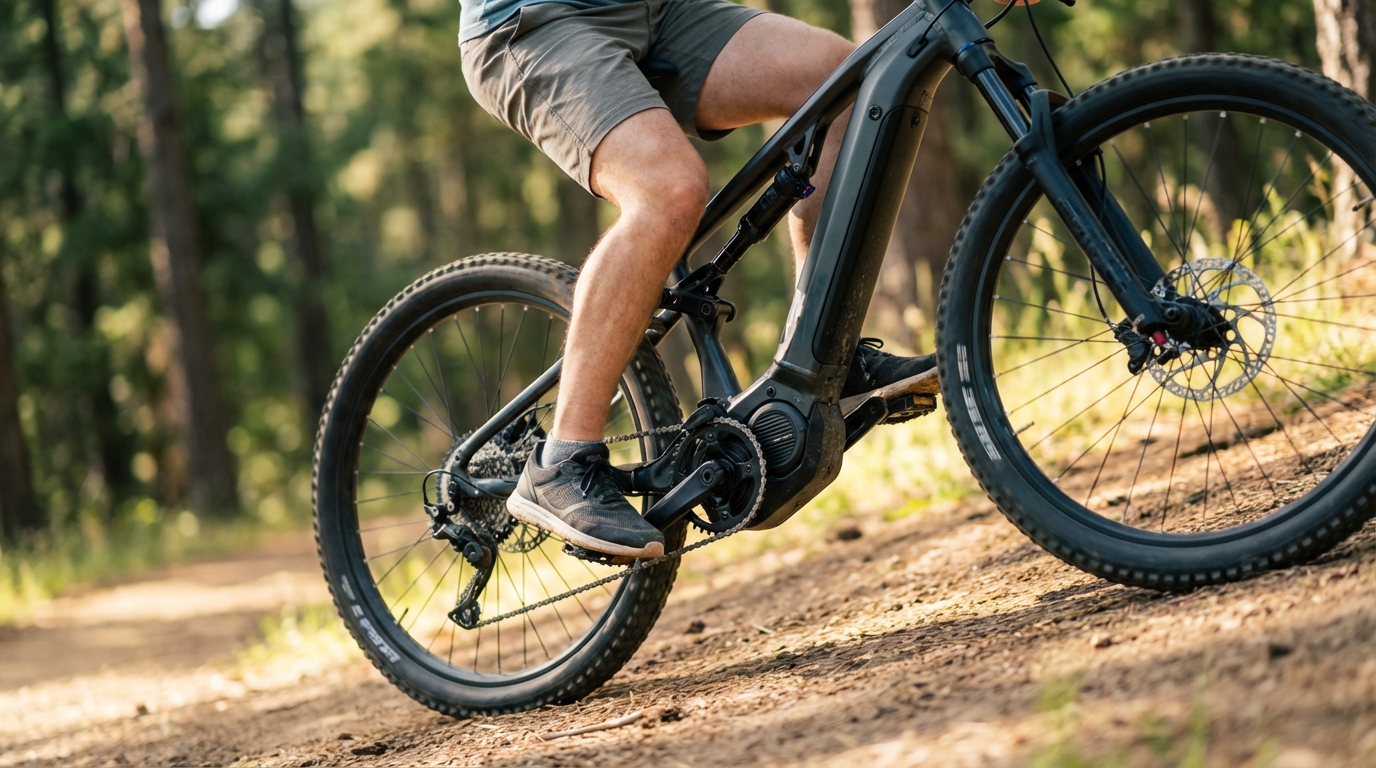
Electric bikes, often referred to as e-bikes, represent a significant evolution in personal transportation, blending the traditional mechanics of a bicycle with the power of an electric motor. At their core, e-bikes are designed to augment human pedaling effort, not replace it entirely. This synergy creates an accessible and versatile cycling experience, making hills feel flatter, distances shorter, and commutes more enjoyable for a wide range of riders.
The ingenuity of electric bikes lies in how they seamlessly integrate electric assistance with the rider’s pedaling. This process involves a sophisticated interplay of sensors, motors, and control systems that detect rider input and provide power proportionally. Understanding these mechanisms reveals the fundamental principles behind the intuitive and assistive nature of modern e-bikes.
Understanding the Core Principle of Electric Bicycle Assistance
The primary function of an electric bicycle’s motor is to provide supplementary power to the wheels, thereby reducing the physical exertion required from the rider. Unlike motorcycles or mopeds, which are primarily motor-driven, e-bikes maintain the core cycling experience, requiring the rider to pedal to activate the assistance.
There are generally two ways an electric motor can be engaged on an e-bike:
- Pedal-Assist (PAS): This is the most common and defining feature of modern e-bikes. The motor provides power only when the rider is actively pedaling. The level of assistance can often be adjusted by the rider, allowing them to choose how much help they receive. This system aims to make the riding experience feel like a natural amplification of one’s own power.
- Throttle: Some e-bikes also include a throttle, which allows the rider to engage the motor directly, similar to a scooter, without needing to pedal. While this offers convenience, many e-bikes, especially those designed for fitness or specific regulatory classes, primarily focus on pedal-assist functionality. This discussion will primarily focus on the mechanics of pedal-assist, as it directly relates to how electric bikes assist pedaling.
Types of Electric Bicycle Motors and Their Placement
The location and type of motor play a significant role in how power is delivered and how the assistance feels to the rider. The two prevalent motor types are hub motors and mid-drive motors.
Hub Motors
Hub motors are integrated directly into the hub of one of the bicycle’s wheels, most commonly the rear wheel, but sometimes the front. When activated, they spin the wheel directly.
- Front Hub Motors: These pull the rider along, offering a sensation akin to an all-wheel-drive system when combined with pedaling. They are often simpler to install and can balance the weight distribution if the battery is in the rear.
- Rear Hub Motors: These push the rider forward, providing a more traditional propulsion feel. They can offer better traction and are often more powerful.
Hub motors operate independently of the bicycle’s gearing system. This means they apply power directly to the wheel, regardless of which gear the rider is in. While this can be straightforward, it also means the motor doesn’t benefit from the mechanical advantage of the bike’s gears, which can sometimes lead to less efficiency on very steep inclines compared to mid-drive systems.
Mid-Drive Motors
Mid-drive motors are positioned centrally within the bicycle’s frame, typically near the bottom bracket where the pedals attach. This strategic placement allows the motor to drive the bicycle’s chainring, thereby working in conjunction with the bike’s existing drivetrain (chain, cassette, and derailleur).
- Integration with Gearing: The key advantage of mid-drive motors is their ability to utilize the bicycle’s gears. When a rider shifts gears, the motor’s output also benefits from that gear change. This means the motor can operate at its optimal RPM range more consistently, providing efficient power across a wider variety of terrains and inclines.
- Natural Feel: Many riders find the assistance from mid-drive motors to be more natural and seamless, as the power is delivered through the pedals and drivetrain, mirroring how human power is applied.
- Weight Distribution: The central location of the motor contributes to a balanced weight distribution, often improving the bicycle’s handling characteristics.
Sensing Rider Input: The Brains Behind the Boost
For an e-bike to assist pedaling, it first needs to know when and how much the rider is pedaling. This is achieved through sophisticated sensors that monitor rider activity. The two primary types of sensors are cadence sensors and torque sensors.
Cadence Sensors
Cadence sensors are the simpler of the two systems. They primarily detect whether the pedals are rotating. Once rotation is detected, the motor engages and provides a pre-set level of assistance, determined by the rider’s selected assistance mode.
- Mechanism: A cadence sensor typically consists of a magnet ring attached to the crank arm or spindle and a sensor unit mounted on the frame. As the pedals turn, the magnets pass the sensor, triggering the motor.
- Power Delivery: With a cadence sensor, the motor output is generally consistent as long as the rider is pedaling. It doesn’t typically adjust the power based on how hard the rider is pedaling, only that they are pedaling. This can sometimes result in a less nuanced power delivery, where the assistance might feel like an “on/off” switch rather than a gradual boost.
Torque Sensors
Torque sensors are more advanced and provide a significantly more natural and intuitive riding experience. They measure the actual force or pressure the rider is applying to the pedals.
- Mechanism: These sensors are usually integrated into the bottom bracket or the rear dropout. They detect the minute flex or strain in the pedal spindle or chain as the rider pushes down. The harder the rider pedals, the more torque is detected.
- Proportional Assistance: The motor’s power output is then directly proportional to the rider’s effort. If the rider pedals lightly, the motor provides gentle assistance. If the rider pushes harder, the motor responds with a more powerful boost. This creates a very smooth and responsive feeling, making it seem as though the rider’s own strength has been amplified.
- Efficiency and Range: Because torque sensors only provide power when and where it’s truly needed, they can contribute to more efficient battery usage and potentially longer range, as the motor isn’t constantly running at a fixed output level.
Combination Systems
Some advanced e-bike systems may utilize a combination of both cadence and torque sensors to fine-tune the assistance further, offering the benefits of both immediate engagement and proportional power delivery.
Power Delivery and Assistance Levels
Once the rider’s input is sensed, a critical component called the motor controller takes over to manage the power output.
Motor Controller
The motor controller acts as the “brain” of the e-bike system. It receives data from the sensors (cadence, torque, speed, etc.), interprets the rider’s chosen assistance level, and then regulates the flow of electrical current from the battery to the motor. It determines precisely how much power the motor should deliver at any given moment to provide the selected level of assistance.
User Interface and Assistance Modes
E-bikes are typically equipped with a handlebar-mounted display or control unit that allows the rider to select different levels of assistance. These modes are often labeled descriptively, such as “Eco,” “Tour,” “Sport,” and “Turbo,” or simply as levels 1 through 5.
- Eco Mode: Provides minimal assistance, conserving battery life and requiring more rider effort.
- Tour/Normal Mode: Offers a balanced level of assistance suitable for general riding.
- Sport/Boost Mode: Delivers significant power, making it easier to climb hills or accelerate quickly.
- Turbo Mode: Provides the maximum available assistance, requiring the least amount of rider effort.
Each mode typically represents a different “power curve” or multiplier for the motor’s output relative to the rider’s input. For instance, in “Eco,” the motor might add 50% of the rider’s power, while in “Turbo,” it might add 300% (within regulatory limits).
Regulatory Limits
It’s important to note that the assistance provided by e-bikes is subject to regional regulations. These regulations often stipulate maximum motor power output (e.g., 250W continuous rated power) and the speed at which the motor must cease providing assistance (e.g., 25 km/h or 20 mph for pedal-assist systems). This ensures that e-bikes retain their classification as bicycles and not motorized vehicles, while still offering substantial assistance within legal frameworks.
The Synergy of Human and Electric Power
The collective operation of these components—the motor type, sensing technology, and intelligent control systems—culminates in the unique electric bicycle riding experience. When a rider begins to pedal, the sensors instantly detect this input, signal the controller, and the motor engages, adding power smoothly and often imperceptibly.
This intelligent assistance fundamentally alters the cycling dynamic:
- Extended Range: Riders can cover longer distances with less fatigue.
- Conquering Terrain: Hills that were once challenging become manageable, opening up new routes and possibilities.
- Reduced Effort: It minimizes strain, making cycling more accessible for individuals with varying fitness levels, physical limitations, or those carrying heavy loads.
- Enhanced Commuting: It allows commuters to arrive at their destination feeling fresh, without excessive perspiration.
In essence, an electric bicycle acts as a collaborative partner, amplifying the rider’s physical capabilities and extending the joy and utility of cycling beyond traditional limitations.
Conclusion
The way electric bikes assist pedaling mechanisms is a testament to clever engineering, harmonizing human effort with technological enhancement. Through the precise detection of rider input via cadence or torque sensors, intelligent motor control, and thoughtfully designed power delivery systems, e-bikes transform the act of cycling. They empower riders to travel further, ascend steeper inclines, and experience the outdoors with a newfound sense of ease and capability, all while maintaining the fundamental physical engagement of traditional cycling.
Frequently Asked Questions (FAQs)
What is the difference between pedal-assist and a throttle on an electric bike?
Pedal-assist (PAS) means the motor only provides power when you are actively pedaling, augmenting your effort. A throttle, on the other hand, allows you to engage the motor directly, similar to a motorcycle or scooter, without needing to pedal. Many e-bikes primarily use pedal-assist to maintain a cycling experience.
Do electric bikes charge while you pedal?
Generally, electric bikes do not significantly recharge their batteries while you pedal. While some specialized systems may incorporate regenerative braking (where energy is recovered during deceleration), this is not a common feature during regular pedaling and does not provide substantial recharging. The primary source of power for the motor is the battery, which is charged by plugging it into an electrical outlet.
Can I ride an electric bike without pedaling?
Whether you can ride an electric bike without pedaling depends on its specific design and regulatory classification. If the e-bike has a throttle, you can engage the motor to move forward without pedaling. However, if it relies solely on a pedal-assist system (PAS), you must pedal for the motor to provide power. Even with pedal-assist, you can always pedal without any motor assistance if the system is turned off or in a very low mode.
How do electric bikes handle hills?
Electric bikes excel at handling hills due to the motor assistance. The motor provides additional power that significantly reduces the effort required to climb inclines. Mid-drive motors, in particular, can leverage the bike’s gearing system, making them highly efficient and effective on steep gradients. Riders simply select a lower gear and an appropriate assistance level, and the motor provides a strong boost to conquer the climb with ease.
What happens when the electric bike battery runs out?
When the battery of an electric bike runs out, the motor assistance will cease. At this point, the e-bike functions like a regular, unassisted bicycle. You can continue to pedal it manually, though it will feel heavier than a traditional bike due to the added weight of the motor and battery. This is why many riders plan their routes and monitor battery levels to avoid running out of charge unexpectedly.

Diana Miller, is a dedicated nature enthusiast and an outdoor adventurer. She began leading groups for excursions in her teens and never stopped. Following her passion for nature, she gathers her friends for outdoor trips every now and then. And for the last 10 years, she has executed workshops on backpacking, snow kayaking and traveling that included her main motive of lightweight packing while outdoors. During leisure, she loves planning for her next adventure.