
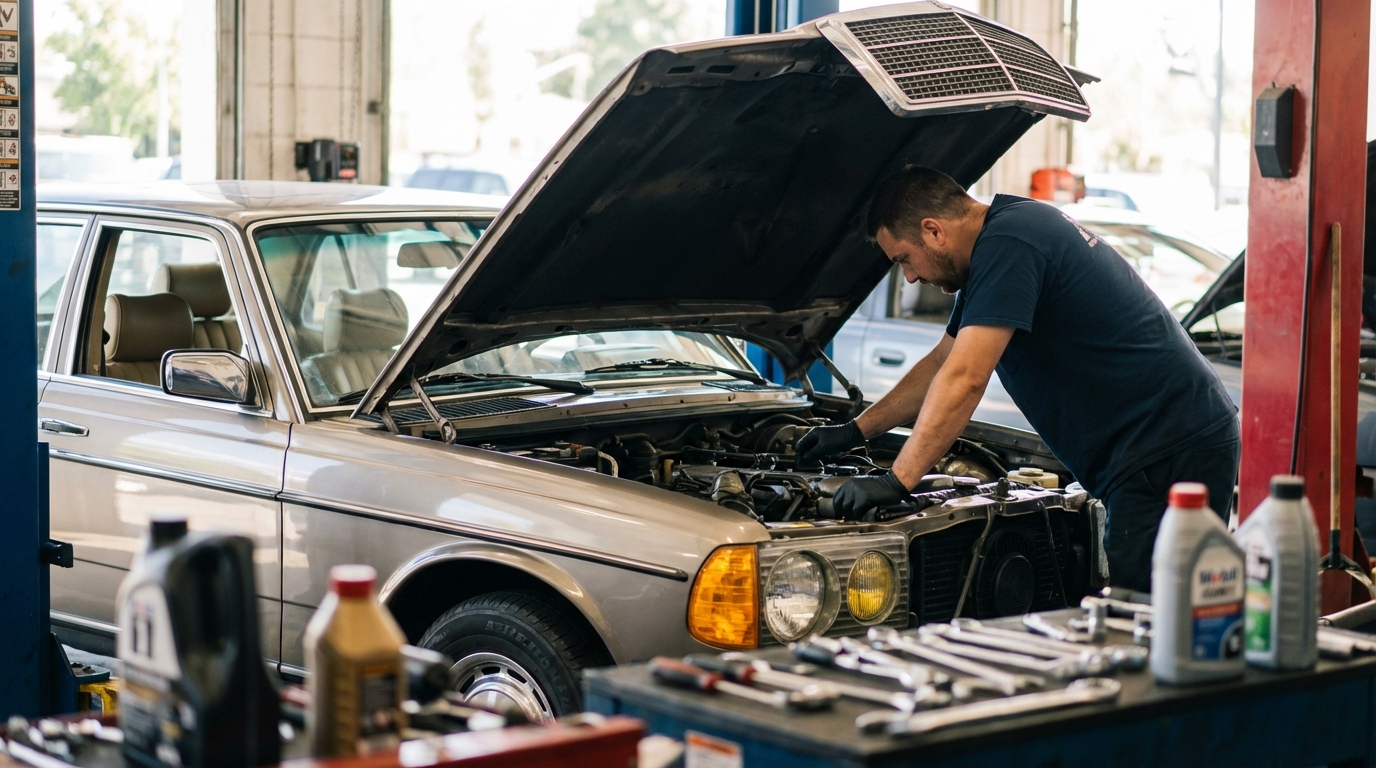
A vehicle represents a significant investment for most individuals, often serving as an essential tool for daily life, work, and leisure. Like any complex machinery, its continued efficient operation and structural integrity depend heavily on diligent care. Regular maintenance is not merely about addressing problems as they arise; it is a proactive strategy that profoundly influences a vehicle’s lifespan, ensuring it performs reliably for many years and miles. Understanding the specific ways in which consistent upkeep contributes to a vehicle’s longevity can underscore its importance and encourage a disciplined approach to vehicle care.
The Core Principle: Preventing Wear and Tear
At its heart, vehicle maintenance is about mitigating the inevitable effects of wear and tear that result from continuous operation. Every component, from the engine’s internal parts to the exterior’s finish, is subject to degradation over time due to friction, heat, corrosion, and stress. Proactive maintenance intervenes in this process, slowing it down and often preventing minor issues from escalating into major, costly failures.
Understanding Component Interdependence
Vehicles are intricate systems where numerous components work in concert. A problem in one area can quickly cascade, affecting related systems. For instance:
- Degraded engine oil not only fails to lubricate engine parts effectively but can also lead to increased friction, excessive heat, and premature wear of critical components like pistons, camshafts, and bearings.
- Worn shock absorbers not only reduce ride comfort but can also accelerate wear on tires, brakes, and other suspension components due to increased vibration and improper load distribution.
- A failing battery can strain the alternator, potentially shortening its lifespan, while also compromising the vehicle’s electrical systems.
Regular checks and replacements ensure that each component functions optimally, thereby supporting the health and efficiency of the entire system.
Mitigating Environmental and Operational Stress
Vehicles operate under a variety of stressful conditions, including temperature extremes, varying road surfaces, and diverse driving styles. Maintenance helps vehicles endure these challenges:
- Temperature Fluctuations: Coolant flushes and checks ensure the engine remains at an optimal operating temperature, preventing overheating in summer and freezing in winter.
- Road Conditions: Wheel alignments and tire rotations counteract uneven wear caused by road imperfections and ensure consistent handling. Inspections of suspension components help absorb road shock effectively.
- Driving Habits: While gentle driving extends component life, even careful drivers benefit from regular inspections that detect the subtle impacts of daily use on brakes, transmission, and engine components.
Key Areas of Vehicle Maintenance and Their Impact
Specific maintenance tasks target particular systems, each playing a vital role in the overall health and durability of a vehicle.
Engine Health and Lubrication
The engine is the heart of the vehicle, and its longevity is paramount. Proper lubrication and clean operating conditions are fundamental:
- Engine Oil: Fresh engine oil lubricates moving parts, reduces friction, cools the engine, and cleans internal surfaces. Over time, oil degrades and becomes contaminated, losing its protective properties. Regular oil and filter changes are crucial for preventing excessive engine wear.
- Air Filter: A clean air filter prevents dust, dirt, and debris from entering the engine, protecting cylinders and pistons from abrasive wear. It also ensures proper air-fuel mixture for efficient combustion.
- Fuel Filter: This filter protects the fuel injectors and engine from contaminants in the fuel, ensuring consistent fuel delivery and preventing blockages that can impair performance and cause damage.
- Spark Plugs: Properly functioning spark plugs ensure efficient ignition of the air-fuel mixture, contributing to engine efficiency and reducing strain on other components.
- Timing Belt/Chain: This critical component synchronizes the rotation of the crankshaft and camshaft. Its failure can lead to severe and irreparable engine damage. Adhering to replacement schedules is non-negotiable for engine preservation.
Fluid Systems (Beyond Engine Oil)
Beyond engine oil, several other fluids are essential for various vehicle systems.
- Transmission Fluid: Lubricates and cools the transmission’s complex gears and components. Old or low fluid can lead to harsh shifting, overheating, and premature transmission failure.
- Coolant: Prevents engine overheating and protects against corrosion and freezing. Regular flushes remove contaminants and replenish additives that protect the cooling system components.
- Brake Fluid: Transmits hydraulic pressure from the brake pedal to the calipers, engaging the brakes. It is hygroscopic, meaning it absorbs moisture over time, which can lead to corrosion and reduced braking effectiveness. Periodic fluid changes maintain braking system integrity.
- Power Steering Fluid: Aids in smooth and effortless steering. Low or contaminated fluid can cause increased steering effort and damage to the power steering pump.
Braking System Integrity
A vehicle’s ability to stop reliably is crucial for safety and also influences component wear.
- Brake Pads and Rotors: These components create the friction needed to slow and stop the vehicle. Regular inspection and replacement of worn pads and rotors prevent extended stopping distances and damage to calipers and other braking hardware.
- Brake Lines and Calipers: Ensuring these parts are free from leaks or corrosion is vital for consistent brake performance.
Tire Care and Suspension
The interaction between the vehicle and the road surface is handled by tires and the suspension system.
- Tire Pressure, Rotation, and Alignment: Proper tire pressure ensures even wear and optimal handling. Tire rotations distribute wear evenly across all four tires, extending their life. Wheel alignment corrects angles that can cause irregular tire wear and affect steering stability.
- Suspension Components: Shocks, struts, and bushings absorb road imperfections. Worn suspension parts can lead to a rougher ride, reduced handling, and accelerated wear on tires and other undercarriage components.
Electrical System and Battery
Modern vehicles rely heavily on their electrical systems.
- Battery: Provides the necessary power to start the engine and run various electrical components when the engine is off. Regular checks of battery terminals and charge levels can prevent unexpected breakdowns and ensure reliable starting.
- Alternator: Recharges the battery and powers the vehicle’s electrical systems while the engine is running. Maintenance includes checking its belt and connections.
- Wiring and Connections: Ensuring all electrical connections are clean and secure prevents intermittent issues and maintains proper functionality of lights, sensors, and electronic control units.
Exhaust System
While often overlooked, the exhaust system plays a role in vehicle longevity and performance.
- Function: Routes harmful exhaust gases away from the cabin, reduces noise, and contributes to emission control.
- Impact of Damage: Leaks or blockages can affect engine performance, increase fuel consumption, and allow dangerous fumes to enter the vehicle. Regular inspection for rust and damage can prevent these issues.
The Long-Term Benefits of Proactive Care
Embracing a consistent maintenance schedule yields multiple long-term advantages that extend far beyond simply keeping a vehicle running.
Sustained Performance and Reliability
Vehicles that receive regular attention tend to maintain their operational characteristics over time. This means consistent power delivery, smooth shifting, responsive braking, and predictable handling. Such reliability reduces the likelihood of unexpected breakdowns, offering peace of mind and dependable transportation.
Safety Considerations
Many maintenance tasks directly contribute to vehicle safety. Functional brakes, properly inflated and rotated tires, clear lights, and responsive steering are all critical for preventing accidents. Ensuring these systems are in good working order through routine checks is fundamental to driver and passenger safety.
Economic Sense
While maintenance involves ongoing costs, it is generally more economical in the long run than neglecting a vehicle. Small, preventative repairs can prevent the need for much more expensive component replacements down the line. For example, changing engine oil regularly is significantly cheaper than replacing a seized engine. Additionally, a well-maintained vehicle typically retains its fuel efficiency over time, saving money at the pump, and often commands a higher resale value when it’s time to upgrade.
In conclusion, viewing vehicle maintenance not as an expense but as an investment is key to maximizing its lifespan. By consistently addressing wear and tear, ensuring all systems operate optimally, and responding to the specific needs of various components, owners can significantly extend the operational life of their vehicle. This proactive approach ensures sustained performance, enhances safety, and proves to be a sound financial strategy over the vehicle’s lifetime.
Frequently Asked Questions (FAQs)
1. How often should I have my vehicle serviced?
Service intervals can vary significantly based on the vehicle’s make, model, year, and driving conditions. It is advisable to consult your vehicle’s owner’s manual for specific recommendations. Generally, many vehicles require minor service every 5,000 to 7,500 miles or every six months, and more comprehensive service every 15,000 to 30,000 miles or annually.
2. What happens if I skip an oil change?
Skipping an oil change can have serious repercussions. Engine oil degrades over time, losing its lubricating and cleaning properties. Without adequate lubrication, engine parts experience increased friction and heat, leading to accelerated wear. This can result in reduced fuel efficiency, decreased engine performance, and ultimately, costly engine damage or failure.
3. Are dealer services necessary, or can independent shops perform maintenance?
Both dealer service centers and independent repair shops can perform routine maintenance. Dealerships often specialize in specific brands and may use proprietary tools and parts, and their technicians typically receive brand-specific training. Independent shops can offer competitive pricing and personalized service, and many have highly skilled technicians capable of servicing a wide range of vehicles. The critical factor is finding a reputable service provider with experienced technicians.
4. How does driving style affect vehicle longevity?
Driving style has a substantial impact on a vehicle’s lifespan. Aggressive driving, characterized by rapid acceleration, hard braking, and high speeds, places significant stress on the engine, transmission, brakes, and tires, leading to faster wear. Smooth, consistent driving with gradual acceleration and braking reduces wear on components, improves fuel efficiency, and contributes to longer vehicle life.
5. What are some simple checks I can do myself?
Even without mechanical expertise, vehicle owners can perform several basic checks:
- Check tire pressure monthly using a gauge and inflate to the recommended PSI (found on a sticker inside the driver’s door jamb or in the owner’s manual).
- Monitor fluid levels (engine oil, coolant, windshield washer fluid) regularly and top up as needed.
- Inspect exterior lights (headlights, tail lights, turn signals, brake lights) to ensure they are all functioning.
- Listen for unusual noises (squealing brakes, engine knocking) and investigate promptly.
- Check the condition of wiper blades and replace them if they leave streaks.

Diana Miller, is a dedicated nature enthusiast and an outdoor adventurer. She began leading groups for excursions in her teens and never stopped. Following her passion for nature, she gathers her friends for outdoor trips every now and then. And for the last 10 years, she has executed workshops on backpacking, snow kayaking and traveling that included her main motive of lightweight packing while outdoors. During leisure, she loves planning for her next adventure.