
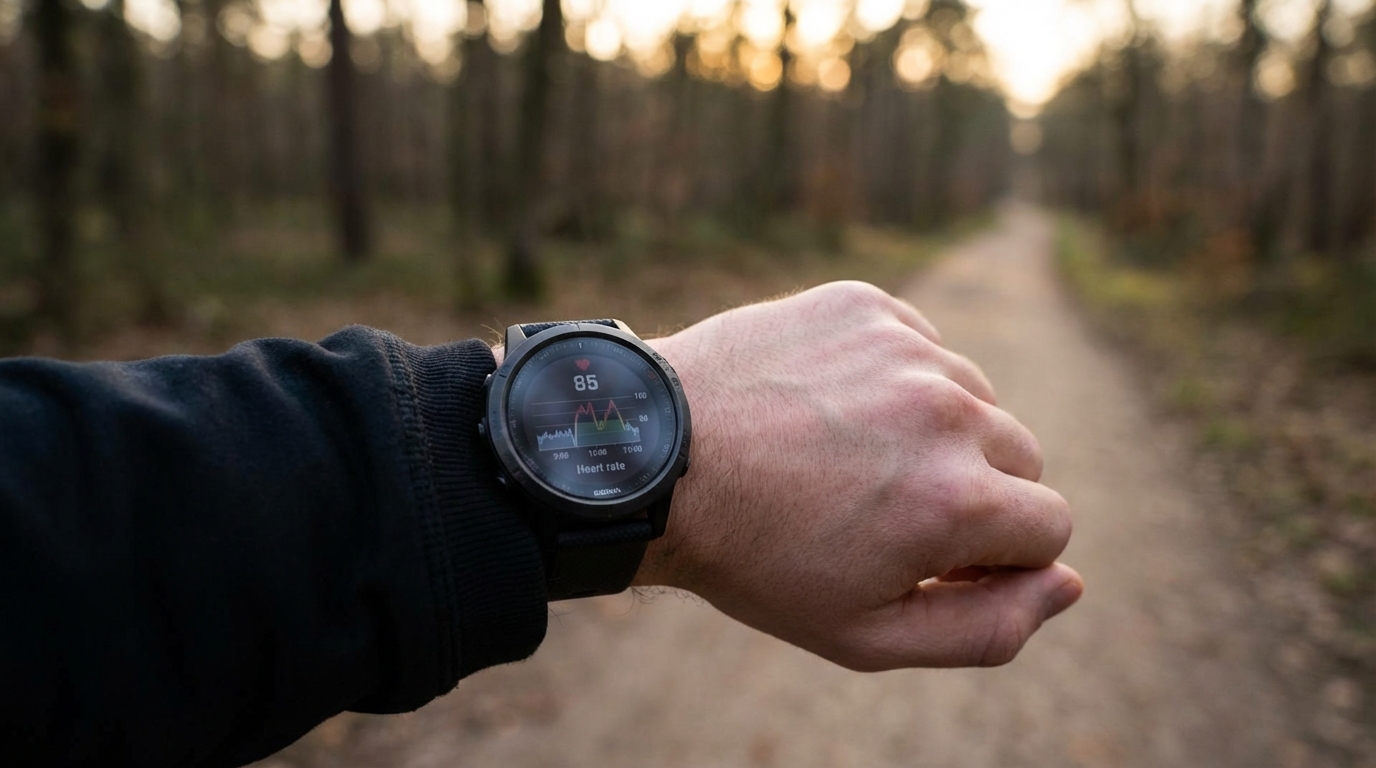
The Indispensable Role of Precision in Wearable Data
Wearable technology has woven itself into the fabric of modern life, offering a window into our daily activities and physiological states. From tracking steps and sleep to monitoring heart rate and stress levels, these devices provide a wealth of personal data. As individuals increasingly rely on these insights to guide health and fitness decisions, the reliability of the collected data becomes paramount. Understanding why wearable data accuracy matters is crucial for anyone seeking to leverage these tools effectively for well-being.Understanding Wearable Technology and Data Collection
Wearable devices encompass a diverse range of gadgets, including fitness trackers, smartwatches, and specialized health monitors. Their fundamental purpose is to collect various physiological and activity-related data points throughout the day and night.How Wearables Collect Data
The core of wearable functionality lies in their sophisticated sensor technology:- Optical Sensors (Photoplethysmography – PPG): Commonly used for heart rate monitoring, these sensors emit light into the skin and measure changes in light absorption or reflection. These changes correspond to blood flow, allowing for the estimation of pulse rate.
- Accelerometers and Gyroscopes: These components detect motion, orientation, and speed, forming the basis for tracking steps, distance, sleep movements, and activity intensity.
- Skin Temperature Sensors: Some devices can measure skin temperature, which can offer insights into sleep patterns, illness, or menstrual cycles.
- GPS: Integrated GPS modules track location and calculate distance, pace, and route for outdoor activities.
- Bioelectrical Impedance: Less common in standard wearables but used in some for body composition analysis by sending a small electrical current through the body.
Types of Data Collected
Wearables compile a comprehensive profile of an individual’s health and activity, including:- Heart Rate: Resting heart rate, active heart rate zones, and sometimes heart rate variability (HRV).
- Activity Metrics: Steps taken, distance covered, active minutes, and estimated calorie expenditure.
- Sleep Patterns: Duration of sleep, time spent in different sleep stages (light, deep, REM), and instances of waking.
- Oxygen Saturation (SpO2): The percentage of oxygen-carrying hemoglobin in the blood.
- Stress Levels: Often estimated using heart rate variability and other physiological markers.
The Impact of Inaccurate Data on Personal Health and Fitness
When the data produced by a wearable device is not precise, its value diminishes significantly, potentially leading to counterproductive outcomes.Misleading Fitness Tracking
Errors in fitness data can derail personal goals:- Incorrect Calorie Expenditure: Overestimated calorie burn might lead to overeating, hindering weight management efforts. Conversely, underestimated burn could result in insufficient fuel for activity or metabolism.
- Inaccurate Step Counts: Inflated step counts can provide a false sense of achievement, while undercounted steps might lead to frustration and demotivation regarding activity levels.
- Distorted Performance Metrics: Erroneous readings for pace, distance, or intensity during exercise can impact training plans, recovery strategies, and objective assessment of progress.
Compromised Health Insights
The implications for health monitoring are even more critical:- Misinterpretation of Heart Rate Data: Inaccurate resting heart rate or heart rate variability data can obscure true cardiovascular health trends or recovery status. This can affect understanding of overall fitness or potential signs of overtraining or illness.
- Flawed Sleep Stage Detection: If a device incorrectly identifies sleep stages or duration, users may make ill-informed decisions about their sleep habits, potentially exacerbating issues like fatigue or poor sleep hygiene.
- Delayed or Incorrect Health Alerts: For devices that monitor for specific health events (e.g., irregular heart rhythms), imprecision could lead to missed critical alerts or generate false positives, causing unnecessary anxiety.
Psychological and Behavioral Effects
Beyond the physiological, inaccurate data can have a profound psychological impact:- Frustration and Demotivation: Users who perceive their efforts aren’t reflected in their data may become disheartened and abandon their health goals.
- Unrealistic Expectations or Anxiety: Skewed data can lead to unrealistic self-assessment or, conversely, create anxiety about perceived health issues that do not exist.
- Unhealthy Behaviors: Basing dietary or exercise choices on faulty data can inadvertently lead to unhealthy habits or an imbalance in energy intake and expenditure.
Factors Influencing Wearable Data Accuracy
Several factors contribute to the varying levels of precision observed in wearable devices.Sensor Technology and Placement
The fundamental design and placement of sensors play a significant role:- Sensor Type: While optical PPG sensors are convenient for wrist-worn devices, their accuracy can be influenced by motion artifacts. Other sensor types, like chest straps using electrical signals, are often considered more precise for heart rate during intense activity.
- Body Location: The wrist, being a common placement, can introduce more noise due to muscle movement and tendon activity compared to areas like the chest or finger, which offer a more stable signal.
User Factors
Individual user characteristics and habits can also affect data quality:- Device Fit: A loose-fitting device can allow light to leak in (for optical sensors) or cause the device to shift, leading to inaccurate readings. Too tight a fit can restrict blood flow, also impacting accuracy.
- Skin Tone and Tattoos: Optical sensors may perform differently on various skin tones or over tattooed areas, as melanin and tattoo ink can absorb or scatter light differently.
- Movement Artifacts: During high-intensity or repetitive arm movements (e.g., weightlifting, cycling), the device’s position on the wrist can shift, generating noise that the sensors interpret as heartbeats or steps.
- Environmental Factors: Extreme temperatures or moisture can sometimes interfere with sensor performance.
Algorithms and Software
The raw data collected by sensors is just the beginning; sophisticated software is essential:- Data Processing: Algorithms are designed to filter out noise, interpret complex sensor signals, and translate them into meaningful metrics like heart rate, sleep stages, or calorie burn.
- Continuous Improvement: Device manufacturers frequently update their software and algorithms to enhance precision, often learning from vast datasets.
Activity Type
The nature of the activity itself can influence data reliability:- Varying Accuracy: Step counts are generally reliable for walking and running but may be less accurate for activities like cycling or swimming.
- Calorie Estimation: Energy expenditure calculations are complex and often approximations, with precision varying significantly across different activities and individual metabolic rates.
Implications Beyond Individual Use
The importance of wearable data accuracy extends far beyond individual health and fitness tracking, impacting broader scientific and medical fields.Research and Development
Scientific and product development rely heavily on dependable data:- Clinical Trials and Studies: Researchers increasingly utilize wearables in studies to gather real-world data on physical activity, sleep, and physiological responses. The validity of these studies hinges on the precision of the collected data.
- Algorithm Enhancement: Accurate data sets are essential for training and refining the algorithms that power future generations of wearable technology.
Healthcare Integration
As wearables become more sophisticated, their role in healthcare expands:- Remote Patient Monitoring: In scenarios where healthcare professionals monitor patients remotely, precise data on vital signs or activity levels is indispensable for making informed clinical decisions.
- Personalized Health Interventions: For wearables to contribute meaningfully to personalized health plans, the underlying data must be trustworthy and consistent.
- Data Security and Privacy: As health data becomes more integrated into healthcare systems, ensuring its accuracy also plays a role in maintaining the integrity and trustworthiness of sensitive patient information.
Public Health
Aggregated, reliable data from wearables can offer macro-level insights:- Population Health Trends: De-identified and aggregated data can help public health officials understand activity levels, sleep patterns, and other health behaviors across large populations, informing policy and intervention strategies.
Conclusion
The pervasive presence of wearable technology underscores the critical importance of data accuracy. For individuals, reliable data empowers informed decisions about health, fitness, and overall well-being, fostering motivation and realistic goal setting. For the broader scientific and healthcare communities, precise wearable data is fundamental to advancing research, enabling effective remote patient monitoring, and contributing to a deeper understanding of population health. As wearable technology continues to evolve, the relentless pursuit of greater accuracy will remain a cornerstone of its utility and impact.Frequently Asked Questions (FAQs)
1. What is considered “accurate” for wearable data?
“Accurate” in the context of wearable data generally means that the readings are consistently close to measurements obtained from established, scientifically validated methods (often referred to as “gold standards”), within an acceptable margin of error. For instance, a wearable heart rate monitor might be deemed accurate if its readings closely match those from an electrocardiogram (ECG) under various conditions. It’s important to note that consumer-grade wearables may not always match the precision of medical-grade devices, but they aim for a reasonable approximation for their intended use.2. Can I improve the accuracy of my wearable device?
Yes, there are several steps you can take. Ensure your device fits snugly but comfortably on your wrist or chosen body part, as a loose fit can lead to erroneous readings. Keep the sensors on the back of the device clean and free of sweat, dirt, or lotions. Regularly update your device’s software, as manufacturers often release updates that include algorithm improvements for better data processing. Also, be mindful of the device’s limitations for certain activities; for example, wrist-based heart rate during weightlifting can be less precise than during steady-state cardio.3. Do all types of wearable data have the same level of accuracy?
No, the precision varies significantly depending on the metric. Step counting, for example, is generally quite consistent for walking and running. Heart rate tracking can be reasonably precise, especially at rest or during steady activity, though it may fluctuate during intense or erratic movements. More complex metrics like calorie expenditure, sleep stage detection, or stress levels are often estimations based on algorithms and can have a wider margin of error due to the numerous variables involved and the inherent difficulty in precisely measuring these physiological states outside of a lab.4. How can I determine if my wearable data is reasonably accurate?
You can assess the reasonableness of your data by cross-referencing it with your own perception and other available information. For instance, if your device shows a very low heart rate during an intense workout, it’s likely inaccurate. You can also compare readings with other known methods (e.g., manually checking your pulse, if feasible, or using a separate, trusted device for a short period). Consistency in trends over time is also a good indicator; if your data shows coherent patterns that align with your lifestyle changes, it suggests a degree of reliability.5. What role does software play in wearable data accuracy?
Software and its underlying algorithms are absolutely crucial. Raw sensor data is often noisy and requires sophisticated processing to translate into meaningful metrics. Algorithms filter out artifacts, identify patterns, and apply complex models to estimate things like sleep stages, calorie burn, or stress. The quality and sophistication of these algorithms directly impact how accurately the device can interpret the physical signals it collects. Regular software updates often contain improvements to these algorithms, enhancing the device’s ability to provide more precise and relevant insights.
Diana Miller, is a dedicated nature enthusiast and an outdoor adventurer. She began leading groups for excursions in her teens and never stopped. Following her passion for nature, she gathers her friends for outdoor trips every now and then. And for the last 10 years, she has executed workshops on backpacking, snow kayaking and traveling that included her main motive of lightweight packing while outdoors. During leisure, she loves planning for her next adventure.