
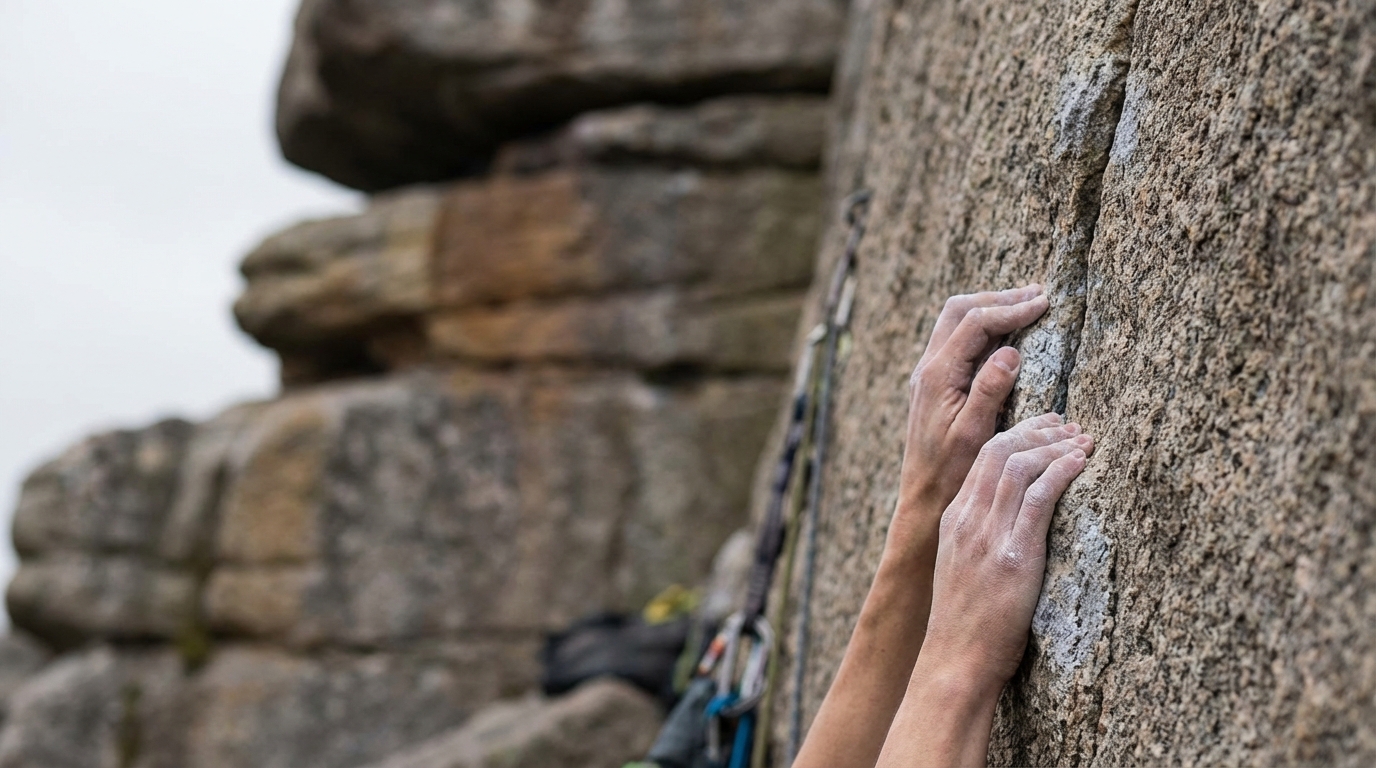
The vertical world offers an immense variety of climbing experiences, shaped profoundly by the very geology underfoot. For any climber, developing an understanding of the different rock types encountered is more than just a matter of academic interest; it’s a fundamental aspect of technique, safety, and appreciation for the environment. Each rock type possesses unique physical properties—from its formation and mineral composition to its texture and fracture patterns—that dictate how it feels to climb, what kind of holds it presents, and how it reacts to environmental factors like rain or temperature.
From the crystalline grip of granite to the intricate features of limestone, and the sometimes-fragile nature of sandstone, knowing what to expect can significantly enhance a climber’s preparation and performance. This exploration delves into the primary categories of rock, highlighting the distinct characteristics that make each type a unique canvas for ascent.
Igneous Rocks: Formed from Fire
Igneous rocks are born from the cooling and solidification of molten rock (magma or lava). Their formation process often leads to incredibly durable and crystalline structures, making them mainstays in many premier climbing areas globally.
Granite
- Formation: Granite forms when magma slowly cools and solidifies deep beneath the Earth’s surface. This slow cooling allows for the growth of large, interlocking mineral crystals, primarily quartz, feldspar, and mica.
- Characteristics: It is typically coarse-grained, light-colored, and very hard. Granite often weathers into massive domes, cracks, and slabs.
- Climbing Attributes: Granite is renowned for providing exceptional friction, often described as “sticky.” Its crystalline structure creates positive edges, precise crimps, and opportunities for robust crack climbing, where the rough texture allows for secure jamming. Slab climbing on granite often involves relying on friction and subtle crystal nubs for purchase. While generally solid, highly polished or very fine-grained granite can become slick. It offers excellent opportunities for traditional climbing due to solid protection placements in cracks and features.
Basalt
- Formation: Basalt is an extrusive igneous rock, meaning it forms from the rapid cooling of lava at or near the Earth’s surface. This quick cooling results in a fine-grained texture.
- Characteristics: It is typically dark-colored, dense, and often forms distinctive hexagonal columns as it cools and contracts. These columnar joints are a defining feature.
- Climbing Attributes: Basalt can be quite varied. Some basalt can be very solid and provide excellent, positive holds, particularly where the columnar joints create unique geometric features such as finger pockets, small crimps, or rounded edges. The friction can vary from highly abrasive to surprisingly smooth. However, other forms of basalt can be quite fractured or prone to crumbling, requiring careful testing of holds. The geometric nature of columnar basalt often leads to distinctive climbing styles, sometimes involving stemming between columns or using small, intricate features.
Sedimentary Rocks: Layers of Time
Sedimentary rocks are formed from the accumulation and compaction of sediments, such as sand, mud, and organic matter, often laid down in layers over vast periods. This layered structure and variable composition lead to a diverse range of climbing experiences.
Sandstone
- Formation: Sandstone originates from the lithification (compaction and cementation) of sand grains, typically composed of quartz. These grains are transported by wind or water and then bound together by minerals like silica, calcite, or iron oxides.
- Characteristics: Its texture can range from fine-grained and smooth to coarse and gritty. Sandstone often exhibits clear bedding planes and can be highly porous.
- Climbing Attributes: Sandstone is celebrated for its excellent friction, especially when dry, making it a favorite for friction climbing, slopers, and powerful compression moves. It often features abundant pockets, juggy holds, and distinctive crack systems. However, its integrity can be compromised when wet, as water weakens the cement holding the grains together, making it susceptible to breakage and hold deterioration. Therefore, climbing on wet sandstone is often discouraged or prohibited due to environmental impact and safety concerns. The rock’s character can vary significantly based on the type of cement and grain size, influencing its durability and hold style.
Limestone
- Formation: Limestone is primarily composed of calcium carbonate, typically derived from the shells and skeletons of marine organisms that accumulate on ancient seabeds. It undergoes compaction and cementation to form solid rock.
- Characteristics: It is often gray or white, and its solubility in acidic water (e.g., rainwater) leads to the formation of incredibly intricate features such as tufas (flowstone), stalactites, pockets (solution pockets), and sharp, sculpted edges.
- Climbing Attributes: Limestone offers an extraordinary variety of climbing, from technical vertical faces to massive overhangs. The abundance of unique features provides diverse holds, from positive jugs on tufas to tiny, precise crimps and gastons. Friction on limestone is generally good, but highly trafficked sections can become polished and slick, especially after rain. The rock’s complex three-dimensional features often demand nuanced body positioning and sophisticated footwork, making it a highly technical and engaging medium for climbers.
Conglomerate
- Formation: Conglomerate is a sedimentary rock consisting of rounded pebbles, cobbles, or boulders cemented together in a finer matrix of sand or silt. It forms in high-energy environments like ancient riverbeds or coastal areas.
- Characteristics: It has a distinctive “pudding-stone” appearance due to the embedded larger clasts within the finer matrix.
- Climbing Attributes: Climbing on conglomerate can be both highly rewarding and somewhat variable. When the cementing matrix is strong, the embedded pebbles and cobbles provide incredibly positive, juggy holds, making for exciting and powerful climbing. However, if the matrix is weaker, the embedded stones can be loose or prone to popping out, requiring climbers to carefully test holds and exercise caution. The texture can vary depending on the embedded clasts and the matrix material, offering a range of friction and hold types.
Metamorphic Rocks: Transformed by Pressure and Heat
Metamorphic rocks are formed when existing igneous, sedimentary, or other metamorphic rocks are subjected to intense heat, pressure, or chemical alteration. This transformation can drastically change their mineral composition, texture, and structural characteristics, leading to unique climbing properties.
Gneiss
- Formation: Gneiss is a high-grade metamorphic rock, often formed from the metamorphism of granite or volcanic rocks. It undergoes significant heat and pressure, causing its minerals to recrystallize and align into distinct bands (foliation).
- Characteristics: It is typically coarse-grained and exhibits characteristic banding of light and dark minerals, giving it a striped appearance.
- Climbing Attributes: Gneiss often shares many climbing characteristics with granite due to its similar mineral composition (quartz, feldspar). It typically provides good friction and positive holds, suitable for face climbing, cracks, and slabs. However, the pronounced banding (foliation) can sometimes create sharper edges, flakes, or planes of weakness compared to homogeneous granite, influencing hold stability and placement options. It generally offers solid climbing.
Quartzite
- Formation: Quartzite is a metamorphic rock formed from the metamorphism of sandstone. Under intense heat and pressure, the individual quartz grains of sandstone recrystallize and fuse together, forming an incredibly dense and hard rock.
- Characteristics: It is extremely hard, typically light-colored (often white or gray), and has a crystalline, granular texture. Unlike sandstone, its grains are tightly interlocked, making it very durable.
- Climbing Attributes: Quartzite is known for its exceptional hardness and very sharp, crystalline texture, which provides incredible friction. This can make for demanding climbing, as holds can be very small crimps or razor-sharp edges that are brutal on the skin. Its durability means that holds are generally very stable. Slab climbing on quartzite can be incredibly technical, relying on the rock’s superior friction and subtle features. It tends to hold up very well to weathering and erosion.
Slate
- Formation: Slate is a fine-grained, foliated metamorphic rock formed from the low-grade metamorphism of shale. The pressure causes the clay minerals to align, giving slate its characteristic cleavage.
- Characteristics: It is typically dark (grey, black, green), very fine-grained, and has a distinct platy or ‘slaty’ cleavage, allowing it to split into thin, flat sheets.
- Climbing Attributes: Climbing on slate can be quite unique. While its smooth surfaces can be surprisingly slippery, slate’s tendency to cleave creates an abundance of sharp, positive edges and crimps. The challenge often lies in discerning which edges are solid and which might flake off. Delicate footwork and precise balance are crucial. Slate can be brittle, especially in thinner layers, and requires careful handling. It can be quite sharp on the fingers and often features technical, balance-oriented climbing.
General Considerations for Climbing Different Rock Types
Beyond the individual characteristics of each rock, several overarching factors influence the climbing experience across all rock types.
Friction and Texture
The surface quality of a rock is paramount to grip. Granitic rocks and quartzite provide excellent friction due to their crystalline nature. Sandstone offers gritty friction when dry, while limestone’s friction varies with polish and features. Basalt and slate can present smooth, slippery sections alongside very positive features. Understanding how the rock’s texture will interact with shoe rubber and fingertips is fundamental to success.
Hold Types
Different rock types sculpt distinct features. Granite excels in cracks and features positive edges. Sandstone often yields pockets and rounded slopers. Limestone is famous for its tufas, stalactites, and complex solution pockets. Conglomerate offers unique juggy holds formed by embedded pebbles. Knowing what kinds of holds to anticipate helps climbers adapt their technique and expectations.
Durability and Integrity
The inherent strength and resistance to weathering of a rock type significantly impact safety and environmental considerations. Igneous and hard metamorphic rocks like granite and quartzite are generally very durable. Sedimentary rocks like sandstone can be highly susceptible to erosion, especially when wet, making them fragile. Limestone can also erode over time, creating intricate but sometimes delicate features. Climbers must be mindful of the rock’s integrity to avoid damaging holds or the rock face itself, and to ensure their own safety.
Weather Impact
Environmental conditions profoundly affect how rock behaves. Rain can render sandstone dangerously fragile and slick, while polishing on limestone becomes even more treacherous. Wet granite might lose some of its friction. Humidity can make certain rock types feel greasy. Understanding how a particular rock type reacts to moisture, temperature fluctuations, and sun exposure is crucial for planning and executing climbs safely and effectively.
Route Setting and Ethics
The rock type also influences decisions regarding route development, fixed protection, and general climbing ethics. On softer rocks like some sandstones, the use of permanent bolts might be restricted, or specific cleaning practices enforced to prevent damage. The type of holds, availability of natural protection, and overall stability of the rock determine the style of climbing a route will offer, whether it’s primarily traditional, sport, or bouldering, and how it should be approached responsibly.
Conclusion
The geological tapestry of our planet offers an incredible array of climbing challenges and joys. From the ancient fire-forged strength of igneous rocks to the layered narratives of sedimentary formations and the pressure-transformed resilience of metamorphic rock, each type invites a unique engagement. Developing an appreciation for these geological nuances enhances not only a climber’s technical skill set but also fosters a deeper connection to the natural world. By understanding the distinct characteristics of granite, sandstone, limestone, and their counterparts, climbers can approach each new crag with informed respect, better technique, and an enriched experience, ensuring both personal safety and the preservation of these remarkable landscapes for future ascents.
Frequently Asked Questions (FAQs)
1. Why is it important for climbers to understand rock types?
Understanding rock types is crucial for climbers because it directly impacts safety, technique, and route planning. Different rocks offer varied friction, hold types, and levels of durability. Knowledge of the rock helps climbers anticipate challenges, select appropriate gear, and adapt their movement strategies, while also informing them about the rock’s susceptibility to weathering or breakage, especially under different environmental conditions.
2. What are the main differences between igneous, sedimentary, and metamorphic rocks in a climbing context?
Igneous rocks (e.g., granite) are generally very hard, crystalline, and provide excellent friction and distinct crack systems. Sedimentary rocks (e.g., sandstone, limestone) are formed from accumulated sediments, often layered, and feature a wide variety of hold types like pockets, tufas, and gritty surfaces, though some can be fragile when wet. Metamorphic rocks (e.g., quartzite, gneiss) are transformed versions of other rocks, often extremely hard and durable (like quartzite’s sharp friction) or exhibiting unique textures due to their formation process (like gneiss’s banding or slate’s cleavage).
3. Which rock type is known for excellent friction and sharp features?
Granite is widely recognized for its excellent friction and sharp, positive features, making it a favorite for many types of climbing, including crack and slab routes. Quartzite, a metamorphic rock, also offers incredibly sharp, crystalline friction, though it can be very abrasive on the skin due to its extreme hardness.
4. Can certain rock types be dangerous to climb when wet?
Yes, absolutely. Sandstone, in particular, can become significantly weakened and prone to breakage when wet, as water can degrade the cementing minerals holding its grains together. Limestone can also become extremely slick and treacherous when wet due to its polished surfaces and the way water interacts with its features. Climbing on these rocks when wet can be unsafe for the climber and damaging to the rock itself.
5. How does a rock type influence the type of holds one might encounter?
A rock type profoundly influences the variety and quality of holds. For instance, granite often presents positive edges, solid crimps, and opportunities for hand and finger jams in cracks. Limestone is famous for its intricate solution pockets, tufas (flowstone), and stalactites. Sandstone frequently offers pockets and slopers, while columnar basalt provides unique geometric features. Conglomerate can feature distinct embedded pebbles that act as natural jugs. The specific geological processes shaping each rock type create its characteristic array of features and holds.

Diana Miller, is a dedicated nature enthusiast and an outdoor adventurer. She began leading groups for excursions in her teens and never stopped. Following her passion for nature, she gathers her friends for outdoor trips every now and then. And for the last 10 years, she has executed workshops on backpacking, snow kayaking and traveling that included her main motive of lightweight packing while outdoors. During leisure, she loves planning for her next adventure.