
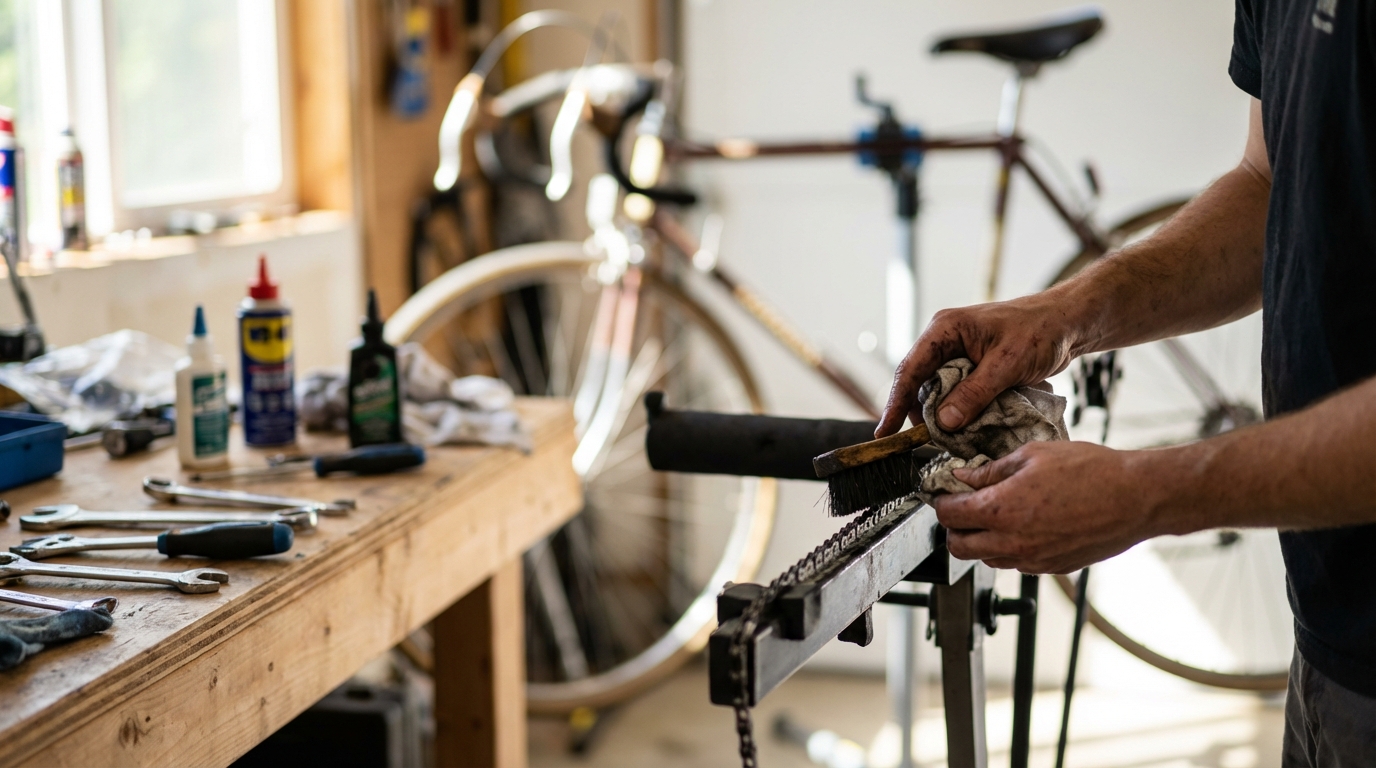
A bicycle represents more than just a mode of transport or a piece of sporting equipment; it is an investment in personal well-being, sustainability, and often, adventure. Like any mechanical system, a bicycle benefits significantly from regular care and attention. Over time, components naturally experience wear and tear. However, by adhering to a consistent maintenance regimen, individuals can dramatically extend the operational life of their bicycle, ensuring it remains reliable, safe, and enjoyable for many years to come.
This post will explore the various aspects of bicycle maintenance, detailing how proactive care in key areas contributes to greater longevity, enhanced performance, and a more sustainable cycling experience. Understanding these practices not only preserves the bicycle but also fosters a deeper appreciation for its mechanics.
The Foundational Role of Regular Maintenance
Bicycles are exposed to a range of environmental factors and operational stresses. Dirt, moisture, friction, and repeated mechanical action all contribute to degradation. Without consistent maintenance, these factors can accelerate wear, leading to premature component failure and diminished performance. Conversely, scheduled upkeep mitigates these effects, preserving the bicycle’s structural integrity and functionality.
Understanding the Impact of Neglect
Skipping maintenance can have several detrimental outcomes:
- Accelerated Wear: Dirt and grit act as abrasives, particularly in the drivetrain, leading to rapid wear of the chain, cassette, and chainrings.
- Reduced Efficiency: Stiff chains, misaligned derailleurs, and underinflated tires all increase resistance, making pedaling harder and less efficient.
- Safety Risks: Worn brake pads, loose bolts, or frayed cables can compromise control and responsiveness, potentially leading to hazardous situations.
- Increased Repair Costs: Minor issues, if left unaddressed, can escalate into significant problems requiring costly component replacements rather than simpler adjustments or cleaning.
- Decreased Enjoyment: A poorly maintained bicycle often feels sluggish, noisy, and unreliable, detracting from the pleasure of cycling.
Key Areas of Bicycle Maintenance
A holistic approach to bicycle care involves attending to several crucial systems. Each area plays a vital role in the overall function and lifespan of the bike.
Drivetrain Care
The drivetrain is arguably the most dynamic and wear-prone part of a bicycle. It consists of the chain, cassette, chainrings, and derailleurs.
- Chain Cleaning and Lubrication: The chain should be regularly cleaned to remove accumulated dirt and old lubricant, then re-lubricated with an appropriate chain lubricant. This reduces friction, prevents rust, and significantly extends the life of the chain, cassette, and chainrings.
- Cassette and Chainring Inspection: Regularly inspect teeth for wear, often indicated by a “shark fin” profile. Worn teeth can lead to poor shifting and chain skip.
- Derailleur Adjustments: Proper adjustment ensures smooth and precise gear changes, preventing unnecessary strain on the chain and other components. Cable tension and limit screws are key to these adjustments.
Brake System Upkeep
Reliable brakes are fundamental for safety and control.
- Brake Pad Inspection and Replacement: Check pads for wear indicators, contamination, and proper alignment with the rim or rotor. Worn pads reduce braking power and can damage braking surfaces.
- Cable Tension and Housing: For mechanical brakes, ensure cables are free of frays and properly tensioned for responsive braking. Cable housing should be clean and routed correctly to minimize friction.
- Hydraulic Brake System Attention: For hydraulic systems, periodically check fluid levels and ensure there are no leaks. Bleeding the system may be necessary to remove air bubbles and maintain consistent braking performance.
Tire and Wheel Maintenance
The wheels and tires are the bicycle’s primary contact with the riding surface.
- Tire Pressure and Inspection: Maintain tire pressure within the manufacturer’s recommended range for efficiency and puncture resistance. Regularly inspect tires for cuts, embedded debris, or excessive wear.
- Wheel Truing: Wheels can go out of true (become wobbly) over time due to impacts or stress. Truing involves adjusting spoke tension to bring the wheel back into alignment, which improves ride quality and prevents uneven wear on rims.
- Hub Maintenance: Hubs contain bearings that allow the wheels to spin freely. Periodically, these bearings may require cleaning and re-greasing or replacement to prevent drag and premature wear.
Frame and Components
The bicycle frame is its backbone, and other attached components also require attention.
- Cleaning and Inspection: A regular wash not only keeps the bike looking good but also allows for close inspection of the frame for cracks, dents, or signs of stress.
- Bolt Torque Checks: Critical bolts throughout the bicycle (e.g., stem, seatpost, crank arms) should be checked periodically with a torque wrench to ensure they are tightened to the manufacturer’s specifications. This prevents loosening, component damage, and potential safety hazards.
- Bearing Inspection: Headset and bottom bracket bearings enable steering and pedaling. They should be checked for smooth operation; any grittiness or play indicates a need for cleaning, re-greasing, or replacement.
Cable and Housing Care
Cables are crucial for transmitting input from brake levers and shifters to the respective components.
- Friction Reduction: Ensure cables are routed smoothly and that housing end caps are properly seated. Adding a small amount of lubricant to cable runs can reduce friction and improve responsiveness.
- Replacement Indicators: Cables can fray internally or stretch over time. If shifting becomes imprecise or braking feels sluggish despite adjustments, cable and housing replacement may be necessary to restore performance.
Scheduled Maintenance vs. Ad-Hoc Checks
Effective maintenance combines routine checks with periodic, more thorough service.
- Pre-Ride Checks (Before Every Ride):
- Check tire pressure.
- Verify brake function (levers firm, brakes engage).
- Quickly inspect chain for adequate lubrication.
- Confirm quick releases/thru-axles are properly secured.
- Weekly/Bi-Weekly Checks:
- Clean and lubricate the chain.
- Wipe down the frame and major components.
- Inspect tires for wear or damage.
- Check gear shifting for smoothness.
- Monthly/Seasonal Checks:
- Thorough drivetrain cleaning.
- Inspect brake pads for wear.
- Check all major bolts for proper torque.
- Assess wheel trueness.
- Inspect cables and housing for wear or fraying.
- Annual Tune-Ups:
- Comprehensive overhaul including bearing inspection (hubs, headset, bottom bracket).
- Cable and housing replacement if needed.
- Brake system service (e.g., bleeding hydraulic brakes).
- Deeper cleaning and lubrication of all components.
- Professional assessment of wear on all parts.
Tools and Resources for Maintenance
Even basic maintenance benefits from a few essential tools:
- Basic Tool Kit: An Allen key set, a chain cleaning device, chain lubricant, tire levers, a pump with a gauge, and a few wrenches (e.g., open-ended or adjustable) form a good starting point.
- Specialized Tools: As maintenance tasks become more advanced, tools like a torque wrench, chain wear indicator, cassette removal tool, and spoke wrench become valuable.
- Learning Resources: Bicycle owner’s manuals, reputable online guides, and local cycling workshops can provide invaluable instructions and practical skills for maintaining a bicycle effectively.
Conclusion
The commitment to regular bicycle maintenance is a worthwhile endeavor that yields significant returns. It is not merely about fixing problems but proactively preserving the integrity and performance of the bicycle over time. By consistently attending to the drivetrain, brakes, wheels, and other critical components, cyclists can ensure their equipment remains reliable, safe, and efficient for countless rides. This dedication not only extends the bicycle’s lifespan but also enhances the overall cycling experience, making every journey more enjoyable and trouble-free. Ultimately, a well-maintained bicycle is a testament to mindful ownership and a sustainable approach to a cherished activity.
Frequently Asked Questions (FAQs)
Q1: How often should I clean and lubricate my bicycle chain?
A1: The frequency depends on riding conditions. For general road cycling in dry conditions, cleaning and lubricating every 100-200 miles is a good guideline. If riding in wet, muddy, or dusty conditions, it should be done after every significant ride.
Q2: What are common signs that my brake pads need replacement?
A2: Common signs include reduced braking power, squealing noises, visible wear indicators on the pads, or when the grooves designed to channel water and dirt are no longer visible. For rim brakes, the pads will appear thinner; for disc brakes, the pad material will be noticeably reduced.
Q3: Is it possible to perform all maintenance tasks at home, or are some better left to professionals?
A3: Many routine tasks like chain cleaning, tire pressure checks, and basic adjustments can be easily done at home with a few tools. More complex procedures, such as wheel truing, suspension servicing, or intricate bearing overhauls, often benefit from the specialized tools and expertise found at a professional bicycle service center.
Q4: How can I tell if my bicycle’s bearings (headset, bottom bracket, hubs) need attention?
A4: You can check for play or roughness. For the headset, stand over the bike, apply the front brake, and rock it back and forth; any clunking indicates looseness. For the bottom bracket, try to wiggle the crank arms; any side-to-side movement suggests wear. For hubs, lift the wheel and spin it, listening and feeling for grinding or resistance.
Q5: Why is checking bolt torque important, and do I need a special tool for it?
A5: Checking bolt torque ensures that components are securely fastened to manufacturer specifications, preventing parts from loosening or overtightening, which can damage components or pose safety risks. A torque wrench is the specialized tool required for accurate bolt torque measurement, providing precise tightening within recommended ranges.

Diana Miller, is a dedicated nature enthusiast and an outdoor adventurer. She began leading groups for excursions in her teens and never stopped. Following her passion for nature, she gathers her friends for outdoor trips every now and then. And for the last 10 years, she has executed workshops on backpacking, snow kayaking and traveling that included her main motive of lightweight packing while outdoors. During leisure, she loves planning for her next adventure.