
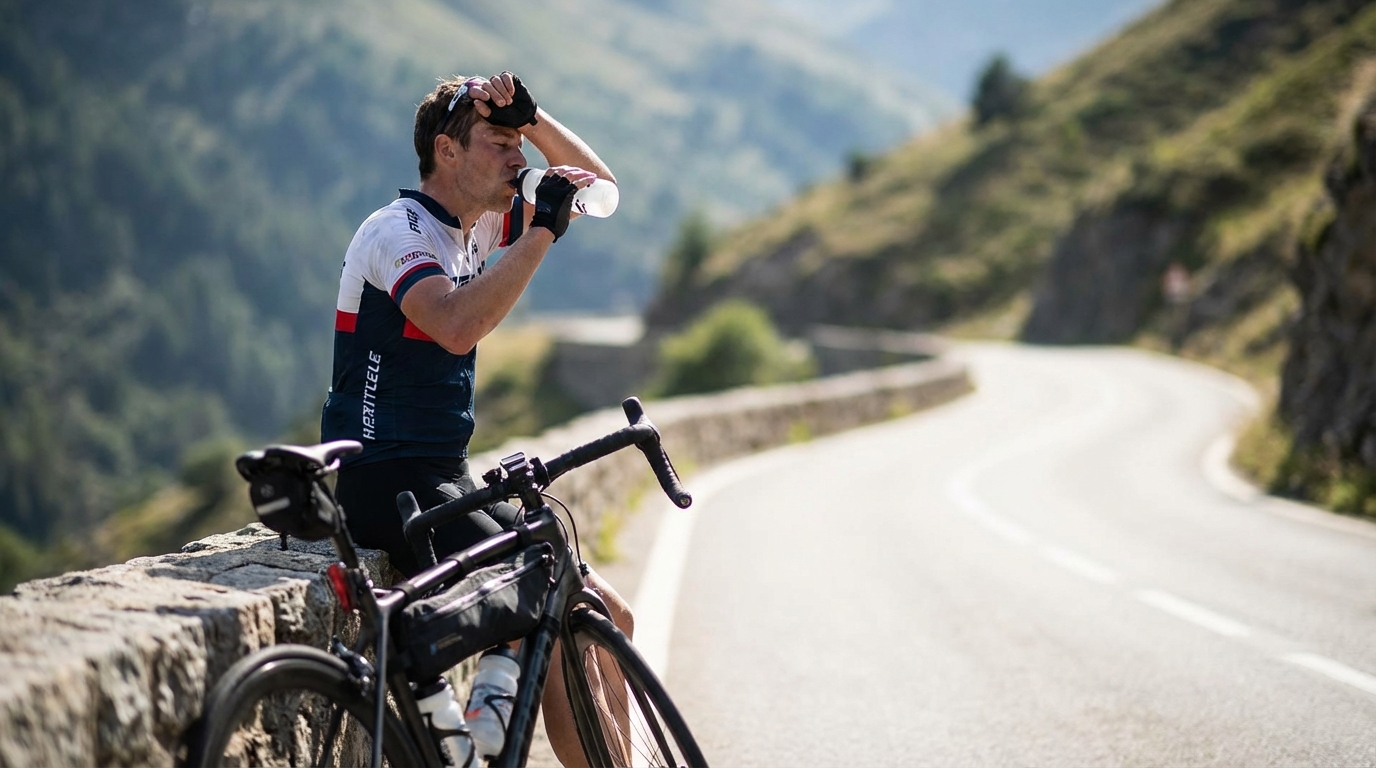
Embarking on a long bike ride is an exhilarating experience, demanding both physical endurance and mental fortitude. While training, nutrition, and equipment often take center stage in preparation, one critical element that frequently gets underestimated is hydration. Maintaining proper fluid balance before, during, and after an extended period of cycling is not merely a matter of comfort; it fundamentally impacts performance, safety, and overall well-being. Understanding the intricate role of water and electrolytes in bodily functions reveals why neglecting hydration can quickly turn an enjoyable ride into a challenging and potentially hazardous ordeal.
Understanding Dehydration and Its Onset During Exercise
Dehydration occurs when the body loses more fluid than it takes in, leading to a deficit that impairs normal physiological functions. During physical exertion, especially over prolonged periods like a long bike ride, the primary mechanism for fluid loss is sweating. Sweating is the body’s natural cooling system, releasing water and electrolytes through the skin to dissipate heat and regulate core body temperature.
The rate of sweat loss can vary significantly based on factors such as ambient temperature, humidity, exercise intensity, and individual physiology. Even in moderate conditions, a rider can lose substantial amounts of fluid per hour. If these fluids are not adequately replaced, the body’s total water content decreases, triggering a cascade of negative effects that progressively worsen as dehydration advances.
- Fluid Imbalance: A reduction in total body water.
- Electrolyte Depletion: Loss of critical minerals like sodium, potassium, calcium, and magnesium.
- Impaired Functions: Compromised cardiovascular, muscular, and cognitive systems.
The Far-Reaching Effects of Inadequate Hydration
The consequences of insufficient hydration extend far beyond just feeling thirsty. They can significantly impede a cyclist’s ability to perform and can pose serious health risks.
Reduced Physical Performance
Even mild dehydration can lead to a noticeable decline in physical capabilities. As fluid levels drop, blood volume decreases, making the heart work harder to pump oxygen and nutrients to working muscles. Muscles, which are composed of about 75% water, require adequate hydration for optimal contraction and function. Dehydration can:
- Reduce muscle strength and power output.
- Decrease endurance and stamina.
- Accelerate the onset of fatigue.
- Impede the removal of metabolic byproducts, such as lactic acid, which can contribute to muscle soreness and cramping.
Increased Cardiovascular Strain
When dehydrated, blood plasma volume diminishes. To maintain adequate blood flow and oxygen delivery to vital organs and muscles, the heart has to beat faster and pump harder. This places increased strain on the cardiovascular system, leading to a higher heart rate for a given intensity of exercise, often referred to as cardiovascular drift. This increased effort can be unsustainable over a long ride, contributing to premature exhaustion.
Impaired Thermoregulation
Sweating is crucial for cooling the body. Dehydration reduces the body’s ability to produce sweat effectively, hindering its capacity to dissipate heat. As a result, core body temperature can rise dangerously, increasing the risk of heat stress and heat-related illnesses. The body becomes less efficient at regulating its internal temperature, making it vulnerable to overheating, especially in warm or humid conditions.
Compromised Cognitive Function
The brain is highly sensitive to changes in fluid balance. Even a small degree of dehydration can impair cognitive functions essential for safe and effective cycling. These include:
- Reduced concentration and focus.
- Slower reaction times.
- Impaired decision-making abilities.
- Increased irritability and mood disturbances.
For a cyclist, these cognitive declines can be particularly dangerous, affecting the ability to navigate, react to road hazards, and maintain awareness of surroundings.
Elevated Risk of Heat-Related Conditions
Severe dehydration, especially when combined with high temperatures and intense exercise, significantly increases the risk of serious heat-related illnesses. These conditions range from muscle cramps and heat exhaustion to the life-threatening heatstroke. Symptoms can include dizziness, nausea, headache, weakness, rapid pulse, and confusion. Recognizing and preventing these conditions through proper hydration is paramount for rider safety.
The Crucial Role of Electrolytes
While water is fundamental, it’s not the only component lost through sweat. Electrolytes—minerals like sodium, potassium, calcium, and magnesium—play equally vital roles in maintaining bodily functions. These charged particles are crucial for:
- Fluid Balance: Regulating the distribution of water inside and outside cells.
- Nerve Function: Transmitting electrical signals throughout the nervous system.
- Muscle Contraction: Facilitating the proper functioning of muscle fibers.
When significant amounts of electrolytes are lost through sweat and not replaced, it can lead to imbalances that cause muscle cramps, weakness, fatigue, and even more severe conditions like hyponatremia (dangerously low sodium levels) if only plain water is consumed excessively without adequate salt replacement over very long periods.
Developing a Thoughtful Hydration Plan for Endurance Cycling
Effective hydration for long rides requires a proactive and consistent approach.
Pre-Ride Preparation
Begin your ride well-hydrated. This means consistently consuming fluids in the 24 hours leading up to your ride. Aim for clear or pale-yellow urine as an indicator of good hydration status. Consuming a significant amount of fluid, perhaps 500-700ml, about 2-3 hours before the ride, and then smaller sips closer to the start, can help ensure you begin with optimal fluid levels.
During the Ride: Consistent Fluid Intake
The key to hydration during a long ride is to drink frequently and consistently, rather than waiting until you feel thirsty. Thirst is often an indicator that you are already somewhat dehydrated. Sip fluids every 10-15 minutes, even if it’s just a small amount. The type of fluid matters too:
- Water: Adequate for shorter rides or in cooler conditions.
- Electrolyte-Enhanced Fluids: For longer rides (typically over 60-90 minutes), especially in warm conditions or if you sweat heavily, fluids containing carbohydrates and electrolytes are beneficial. The carbohydrates provide energy, while electrolytes replace those lost in sweat, aiding in fluid retention and preventing imbalances.
Practice your hydration strategy during training rides to understand your individual needs and preferences.
Post-Ride Recovery
After completing a long ride, it’s crucial to continue rehydrating. The goal is to replace any fluid and electrolyte deficit incurred during the effort. Continue sipping fluids that include electrolytes and carbohydrates. This aids in muscle repair, glycogen replenishment, and overall recovery, preparing your body for future efforts.
Factors Influencing Individual Hydration Needs
Hydration requirements are not uniform; they vary greatly among individuals and situations:
- Environmental Conditions: Hot and humid weather significantly increases sweat rates. Cooler, drier conditions can also lead to fluid loss, often less noticed.
- Exercise Intensity and Duration: Higher intensity and longer duration rides naturally demand more fluid replacement.
- Individual Sweat Rate: People sweat at different rates, and the composition of their sweat (how much sodium they lose) also varies. Understanding your own sweat rate through weigh-ins before and after training rides can provide valuable insight.
- Acclimatization: Individuals acclimatized to hot conditions tend to sweat more efficiently and at a lower core temperature, but still require consistent fluid intake.
Conclusion
Hydration is an indispensable component of successful and safe long-distance cycling. Its impact spans from optimizing physical performance and preventing premature fatigue to safeguarding cardiovascular health, maintaining cognitive function, and mitigating the risks of heat-related illnesses. By understanding the physiological mechanisms at play and adopting a proactive, personalized hydration strategy—before, during, and after your rides—cyclists can enhance their enjoyment, extend their endurance, and ensure a safer experience on the road.
Frequently Asked Questions (FAQs)
Q1: How much fluid should I drink during a long ride?
A1: Fluid intake during a long ride is highly individual and depends on factors like duration, intensity, temperature, and your personal sweat rate. A common guideline is to aim for 500-1000 ml of fluid per hour, consumed in small, frequent sips (every 10-15 minutes). It’s advisable to experiment during training rides to determine what works best for your body.
Q2: Is plain water sufficient for long rides, or do I need electrolyte drinks?
A2: For rides lasting less than 60-90 minutes, plain water is generally sufficient. However, for longer rides, especially in warm conditions or if you are a heavy sweater, electrolyte-enhanced fluids are highly recommended. These provide not only water but also essential minerals like sodium and potassium, along with carbohydrates for energy, helping to prevent imbalances and sustain performance.
Q3: How can I tell if I’m adequately hydrated?
A3: A simple indicator of hydration status is urine color. Aim for pale yellow or clear urine. Dark yellow or amber urine suggests inadequate hydration. Thirst is another signal, but it often indicates that some level of dehydration has already occurred, so it’s important to drink before feeling intensely thirsty. Regular body weight checks (pre and post-ride) can also help gauge fluid loss.
Q4: What are the early signs of dehydration I should look out for?
A4: Early signs of dehydration include increased thirst, dry mouth, reduced urine output, fatigue, dizziness, headache, and muscle cramps. If you experience these symptoms, it’s crucial to stop riding, find shade, and begin rehydrating gradually with fluids containing electrolytes. Ignoring these signs can lead to more severe conditions.
Q5: Can over-hydrating be a problem during long rides?
A5: Yes, consuming excessive amounts of plain water without adequate electrolyte replacement, especially over very long durations, can lead to a dangerous condition called hyponatremia. This occurs when sodium levels in the blood become dangerously diluted, potentially causing swelling in the brain, seizures, coma, or even death. It’s important to balance fluid intake with electrolyte replacement, especially during extended endurance activities.

Diana Miller, is a dedicated nature enthusiast and an outdoor adventurer. She began leading groups for excursions in her teens and never stopped. Following her passion for nature, she gathers her friends for outdoor trips every now and then. And for the last 10 years, she has executed workshops on backpacking, snow kayaking and traveling that included her main motive of lightweight packing while outdoors. During leisure, she loves planning for her next adventure.