
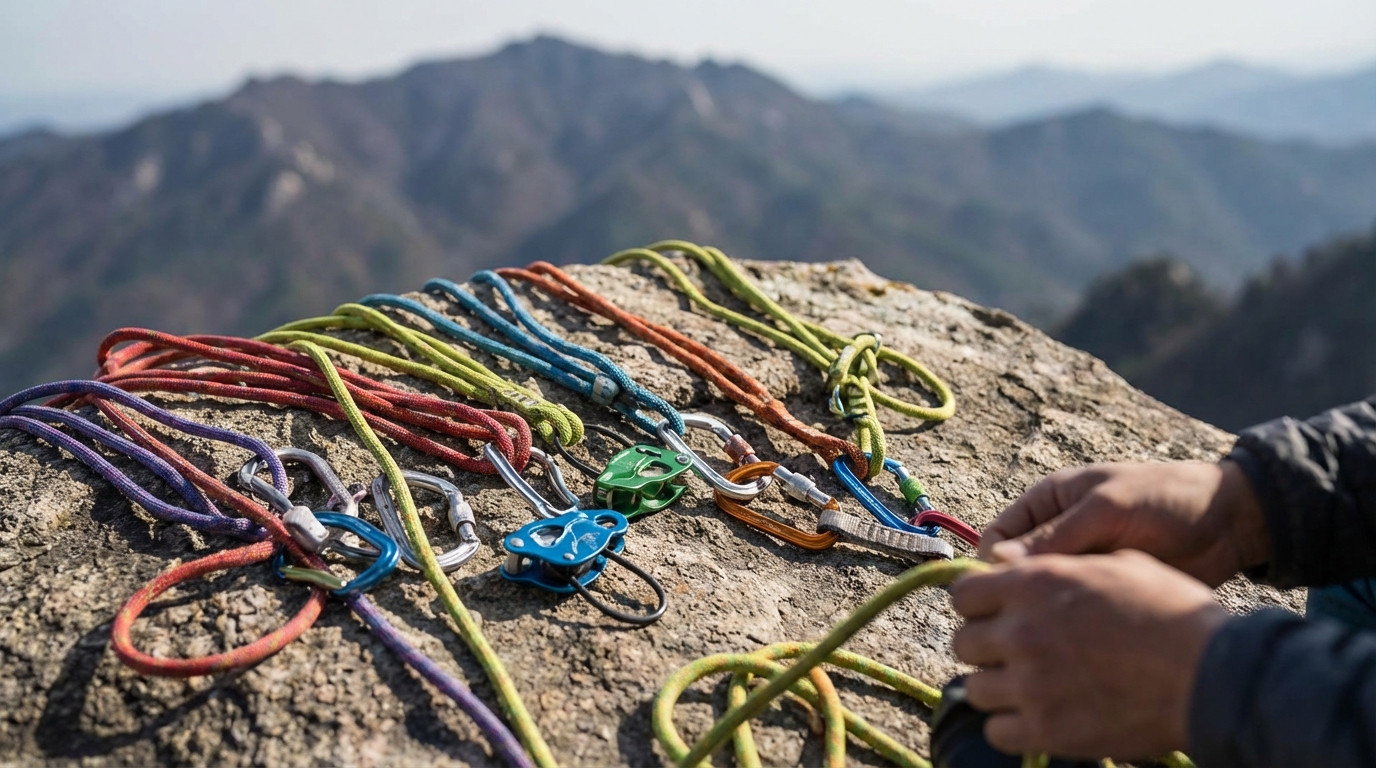
Understanding Rope Systems Used in Climbing
Climbing is a discipline that demands not only physical prowess and mental fortitude but also a profound understanding of its intricate safety systems. Central to this safety framework are rope systems, which serve as the lifelines connecting climbers to the rock, the ice, or their partners. These systems are meticulously designed to manage forces, prevent falls, and facilitate movement in vertical environments. A comprehensive grasp of the various rope systems, their configurations, and their appropriate applications is fundamental for any climber seeking to engage with the sport responsibly and effectively. This exploration will delve into the primary rope systems used in climbing, their characteristics, advantages, and limitations, providing an informative overview essential for safe practice.The Foundational Role of Ropes in Climbing
Ropes are the cornerstone of safety in almost all forms of technical climbing. Their primary purpose is to protect a climber from the consequences of a fall by arresting their descent. Beyond fall protection, ropes enable climbers to ascend, descend, and haul gear, acting as a versatile tool for navigating challenging terrain. Modern climbing ropes are typically “dynamic,” meaning they possess a controlled amount of stretch designed to absorb the energy generated during a fall. This elasticity significantly reduces the impact force on both the climber’s body and the anchor points, mitigating potential injury and equipment failure. Understanding how a rope system is constructed and managed is paramount to leveraging its full safety potential.The Single Rope System
The single rope system is perhaps the most widely recognized and frequently used setup in climbing. It involves the use of one rope, which is anchored by a belayer and runs directly to the climber.Characteristics and Application
* A single rope, typically with a diameter ranging from 9mm to 11mm, is employed. * As the climber ascends, they clip the rope into quickdraws or pieces of traditional protection placed along the route. * The belayer manages the rope, taking up slack and arresting falls using a belay device. * This system is prevalent in sport climbing, cragging, and single-pitch traditional climbing due to its simplicity and efficiency.Advantages
* **Simplicity:** It is straightforward to manage and belay, making it accessible for many climbers. * **Efficiency:** Less prone to tangling than multi-rope systems, allowing for quicker movement. * **Weight:** Generally lighter for the amount of protection offered compared to carrying two ropes for similar applications.Limitations
* **Rope Drag:** On routes that traverse significantly or zigzag, friction from the rope running through multiple protection points can create considerable drag, making it harder to pull up slack. * **Rappelling Distance:** Rappels are limited to half the length of the rope, necessitating multiple rappels on longer routes. * **Redundancy:** There is no immediate backup in the event of severe rope damage from rockfall or sharp edges, though ropes are designed to be highly durable.The Half Rope System
Also known as the double rope system, the half rope system utilizes two thinner ropes simultaneously. These ropes are managed independently through protection points, offering distinct advantages for certain climbing scenarios.Characteristics and Application
* Two ropes, typically with diameters between 8mm and 9mm, are used. * Each rope is clipped into alternate pieces of protection as the climber ascends. For example, one rope might be clipped into the first piece, the other into the second, and so on. * This system is common in multi-pitch traditional climbing, ice climbing, and mountaineering, especially on wandering or intricate routes.Advantages
* **Reduced Rope Drag:** By clipping ropes independently, the system can significantly reduce rope drag on traversing or indirect routes. * **Redundancy:** Offers a measure of redundancy; if one rope is damaged, the other may still hold a fall. * **Full Rope Length Rappels:** By tying the two ropes together at their ends, a climber can rappel the full length of the combined ropes. * **Simultaneous Belaying:** Allows for belaying two followers at the same time, which can speed up progress on multi-pitch climbs.Limitations
* **Complexity:** Managing two ropes requires more skill and experience from both the climber and the belayer. * **Tangling:** The independent nature of the ropes can lead to tangling if not managed carefully. * **Weight:** Carrying two ropes is heavier than carrying a single rope of equivalent length.The Twin Rope System
The twin rope system also employs two ropes, but unlike half ropes, they are treated as a single unit throughout the climb.Characteristics and Application
* Two very thin ropes, typically with diameters between 7mm and 8mm, are used. * Both ropes are *always* clipped into *every* piece of protection, effectively acting as a single, stronger rope. * This system is particularly suited for alpine climbing, ice climbing, and routes with a high risk of rope damage from sharp rock or falling debris, where maximum redundancy and strength are desired.Advantages
* **Exceptional Redundancy:** Provides the highest level of redundancy against rope damage, as both ropes must fail for the system to compromise. * **High Strength:** When used together, the two ropes offer a combined strength that can exceed that of a single rope. * **Full Rope Length Rappels:** Like half ropes, twin ropes allow for full rope length rappels when tied together.Limitations
* **Weight and Bulk:** While individual twin ropes are thin, carrying two of them, along with the doubled amount of rope that needs to be handled and clipped, can be heavier and bulkier than a single rope. * **Handling Complexity:** Clipping and managing two ropes simultaneously can be challenging and slower for some climbers. * **Belay Devices:** Requires a belay device capable of handling two ropes effectively.Other Rope Applications and Considerations
Beyond the primary lead climbing systems, ropes play critical roles in various other climbing contexts.Top-Rope Systems
A top-rope system is a common setup for beginners, training, and practicing specific movements. In this configuration, the climbing rope runs from the belayer, up to an anchor at the top of the climb, and then down to the climber. This setup minimizes the distance a climber can fall, as the rope is always held taut from above. Top-roping offers a relatively low-risk environment for learning and developing climbing skills, but it places significant demands on the integrity of the top anchor system.Rappelling and Lowering Systems
Rappelling is the controlled descent down a rope, typically using a friction device. It is an essential skill for descending from climbs or accessing specific areas. Lowering, on the other hand, involves a belayer carefully paying out rope to allow a climber to descend. Both methods rely on robust anchors and proper technique to ensure safety. The choice of rope system (single, half, or twin) dictates the available rappelling length and the specific techniques required.Hauling Systems
In some climbing situations, such as big wall climbing or rescue scenarios, it becomes necessary to haul heavy gear or even an injured climber. This is achieved using mechanical advantage systems constructed with ropes, pulleys, and various knots. These systems leverage physics to multiply the pulling force, allowing one or more individuals to lift loads significantly heavier than they could otherwise. Examples include 3:1 or 5:1 hauling systems, each providing different levels of mechanical advantage.Maintaining Rope System Integrity
Regardless of the system chosen, the ongoing integrity of climbing ropes is paramount for safety. Proper care and maintenance significantly extend a rope’s lifespan and ensure its reliability.Inspection and Care
* **Regular Inspection:** Ropes should be thoroughly inspected before and after every use. This includes a visual check for cuts, abrasions, melting, core shot, or excessive wear on the sheath. A tactile inspection involves running the rope through your hands to feel for flat spots, hard spots, or unusual lumps that could indicate internal damage. * **Cleaning:** Ropes should be washed periodically with specialized rope cleaner or mild soap and cool water, then air-dried away from direct sunlight and heat. * **Handling:** Avoid stepping on ropes, as this can grind dirt and abrasive particles into the core, potentially damaging fibers.Storage
* Ropes should be stored coiled or flaked in a cool, dry, dark place, away from chemicals, direct sunlight, and heat sources. UV radiation and certain chemicals can degrade rope fibers over time.Retirement
* Even with diligent care, ropes have a finite lifespan. Factors such as age, the number and severity of falls taken, and any significant damage necessitate retirement. A general guideline is to retire ropes after a certain number of years, even if lightly used, due to unseen degradation. Any rope that has experienced a severe fall, shows significant damage, or has a compromised core should be immediately retired.Conclusion
The world of climbing rope systems is diverse, each configuration tailored to specific climbing disciplines and challenges. From the simplicity of the single rope system, ideal for sport climbing, to the redundancy and versatility of half and twin rope systems for multi-pitch and alpine environments, understanding these setups is fundamental. A thorough comprehension of their characteristics, advantages, and limitations empowers climbers to make informed decisions, ensuring the highest standards of safety and efficiency. Coupled with diligent inspection, proper care, and a commitment to ongoing education, a well-understood and maintained rope system forms the indispensable backbone of every successful and safe climbing endeavor.Frequently Asked Questions (FAQs)
1. What is the “dynamic” property of a climbing rope?
Dynamic climbing ropes are designed to stretch and elongate under load, absorbing the energy generated during a fall. This elastic property is crucial because it reduces the impact force transmitted to the climber and the anchor system, thereby mitigating injuries and preventing equipment failure.2. How often should climbing ropes be inspected?
Ropes should be inspected visually and tactilely before and after every use. A more thorough inspection is warranted after any significant event, such as a large fall, a sharp edge encounter, or exposure to chemicals. Regular, diligent checks are vital for identifying potential damage.3. Can a single rope be used in a half or twin rope system?
No, single ropes are not designed to be used as half or twin ropes. Half and twin ropes are manufactured to be thinner and lighter, specifically tested and certified for use in pairs. Using a single rope in a multi-rope system could lead to insufficient safety margins or improper belaying.4. What is rope drag and how do rope systems address it?
Rope drag refers to the friction created when a climbing rope runs through quickdraws or protection points that are not aligned in a straight line. This friction makes it harder to pull rope up and manage slack. Half rope systems help alleviate rope drag by allowing the two ropes to be clipped into alternate pieces of protection, creating a straighter line for each rope individually.5. What does ‘UIAA’ mean in relation to climbing ropes?
UIAA stands for the International Climbing and Mountaineering Federation (Union Internationale des Associations d’Alpinisme). The UIAA is an international organization that establishes safety standards and conducts tests for climbing equipment, including ropes. Ropes bearing the UIAA certification mark have met stringent safety and performance criteria.
Diana Miller, is a dedicated nature enthusiast and an outdoor adventurer. She began leading groups for excursions in her teens and never stopped. Following her passion for nature, she gathers her friends for outdoor trips every now and then. And for the last 10 years, she has executed workshops on backpacking, snow kayaking and traveling that included her main motive of lightweight packing while outdoors. During leisure, she loves planning for her next adventure.