
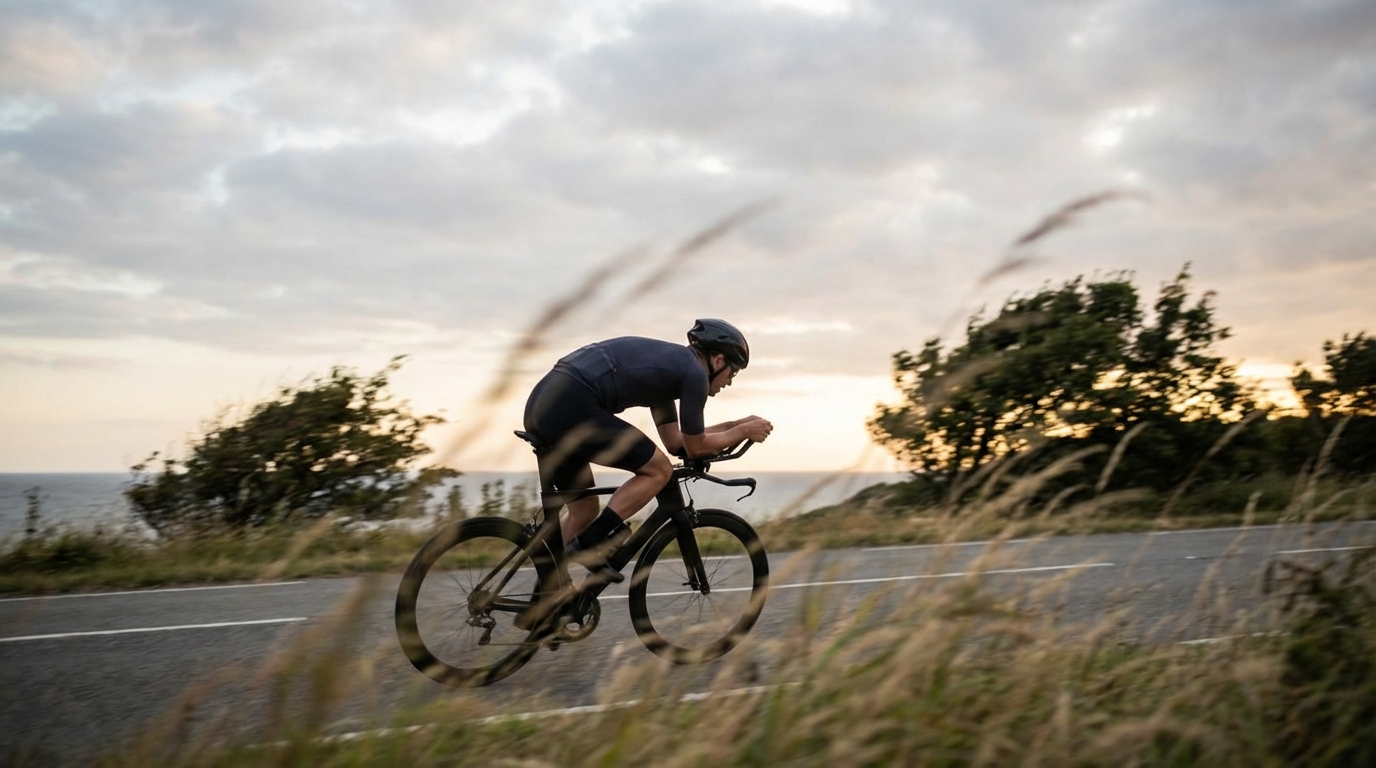
Cycling is a dynamic interplay of human power, mechanical efficiency, and environmental forces. Among these forces, wind resistance, often referred to as aerodynamic drag, stands out as a pervasive and significant challenger to a cyclist’s performance. As speeds increase, overcoming this invisible barrier consumes an increasingly substantial portion of a rider’s energy output. Understanding the principles of wind resistance, how it is generated, and the various factors that influence its magnitude is fundamental for any cyclist seeking to optimize their efficiency and speed. This post delves into the science behind aerodynamic drag and explores the practical implications for cycling performance.
Understanding Aerodynamic Drag
Aerodynamic drag is the resistive force that acts on a moving object within a fluid environment, such as a cyclist moving through air. This force directly opposes the direction of motion, requiring the cyclist to expend energy to maintain speed. The magnitude of this force is determined by several interconnected variables, encapsulated in the drag equation:
Fd = 0.5 * ρ * v^2 * Cd * A
Let’s break down each component:
Fd(Drag Force): This is the force the cyclist must overcome.ρ(Rho – Air Density): Represents the density of the air. Denser air creates more resistance.v(Relative Velocity): This is the speed of the cyclist relative to the air. It’s important to note that this term is squared, meaning even small increases in speed lead to disproportionately larger increases in drag.Cd(Coefficient of Drag): A dimensionless number that quantifies an object’s aerodynamic efficiency. A lower Cd indicates a more streamlined shape.A(Frontal Area): The cross-sectional area of the cyclist and their equipment that is presented to the oncoming air.
While all factors contribute, the relative velocity of the cyclist through the air (v^2) typically exerts the most profound influence on the overall drag force. This is why overcoming wind resistance becomes exponentially harder at higher speeds.
Key Factors Influencing Wind Resistance
Several elements combine to determine the total wind resistance experienced by a cyclist. These can be broadly categorized into rider-specific, equipment-specific, and environmental factors.
Cyclist’s Body Position
The human body represents the largest contributor to a cyclist’s frontal area and, consequently, their overall aerodynamic drag. The way a cyclist positions themselves on the bicycle can dramatically alter their frontal area and their effective coefficient of drag.
- Upright Position: Riding with an upright torso presents a large frontal area to the wind, resulting in significant drag. This position is common for casual riding or slow climbs.
- Aerodynamic Tuck: By lowering the torso, bending the elbows, and narrowing the shoulders, a cyclist can significantly reduce their frontal area. This position minimizes the exposed surface to the wind, substantially lowering drag, especially at higher speeds.
- Hands on Hoods vs. Drops vs. Aero Bars: Each hand position alters the torso angle and frontal area. Riding with hands on the drops typically offers a more aerodynamic position than riding on the hoods, while specialized aerodynamic extensions (aero bars) allow for the lowest and most streamlined body position possible for sustained efforts.
Equipment Aerodynamics
While the rider’s body is the primary component of drag, the bicycle and its components also play a crucial role. Modern cycling equipment incorporates designs aimed at minimizing the coefficient of drag (Cd).
- Frames: Frames with airfoil-shaped tubes are designed to cut through the air more efficiently than traditional round tubes, guiding airflow smoothly around the frame.
- Wheels: Wheels with deeper rims and fewer spokes can reduce aerodynamic drag by creating less turbulence and presenting a smaller effective frontal area when rotating.
- Helmets: Helmets designed with smooth, elongated shapes are intended to guide airflow over the head and back, reducing the wake turbulence created behind the rider.
- Clothing: Close-fitting, smooth fabrics, often with specific textures, are used to manage airflow close to the body, reducing surface drag and preventing fabric flapping which can increase drag.
Air Density
Air density (ρ) is a variable determined by environmental conditions, and it directly influences the magnitude of aerodynamic drag. Denser air creates more resistance.
- Altitude: At higher altitudes, the air is naturally less dense. This means that for the same speed and frontal area, a cyclist will experience less aerodynamic drag compared to sea level.
- Temperature: Warmer air is less dense than colder air. Therefore, riding in warmer conditions typically results in slightly less aerodynamic drag than riding in colder conditions, assuming other factors are constant.
- Humidity: While less significant than altitude or temperature, humid air is marginally less dense than dry air at the same temperature and pressure, leading to a minor reduction in drag.
Relative Wind Speed and Direction
The speed and direction of the wind relative to the cyclist’s motion are critical in determining the effective velocity (v) in the drag equation.
- Headwinds: When cycling directly into a headwind, the relative velocity of the air over the cyclist significantly increases. For example, a cyclist riding at 30 km/h into a 15 km/h headwind experiences air resistance equivalent to riding at 45 km/h in still air. This dramatically increases drag.
- Tailwinds: Conversely, a tailwind reduces the relative velocity. A 30 km/h cyclist with a 15 km/h tailwind experiences drag equivalent to riding at 15 km/h in still air. While beneficial, tailwinds do not eliminate drag entirely, as the cyclist is still moving relative to the ground.
- Crosswinds: Winds coming from the side introduce lateral forces, which can affect stability and require the cyclist to adjust their line. Crosswinds can also increase effective drag if they interact unfavorably with aerodynamic shapes or if the rider has to lean into the wind, effectively increasing their frontal area presented to the “relative wind.”
Quantifying the Impact on Performance
The impact of wind resistance on cycling performance is substantial, especially as speed increases. At speeds commonly encountered in competitive cycling (e.g., 30-40 km/h), wind resistance accounts for 80-90% of a cyclist’s total power output on flat terrain. The relationship between speed and the power required to overcome drag is particularly telling:
- Cubic Relationship: The power required to overcome aerodynamic drag increases roughly with the cube of the speed (Power ≈ Fd * v ≈ v^3). This means that to double your speed, you need approximately eight times the power output just to overcome air resistance. This non-linear relationship underscores why achieving even small speed gains at higher velocities demands disproportionately large increases in effort.
- Energy Expenditure: A significant portion of the metabolic energy generated by a cyclist is directly converted into overcoming the force of drag. Any reduction in drag translates into either higher speed for the same power output or less power required for the same speed.
- Time Trials and Individual Efforts: In disciplines like time trials, where riders compete individually against the clock, optimizing aerodynamics is paramount. Every watt saved from drag reduction translates directly into increased speed or sustained effort.
- Group Riding and Drafting: In group rides or races, cyclists can significantly reduce their individual wind resistance by drafting behind another rider. The lead rider breaks the air, creating a low-pressure zone (wake) that the following rider can exploit. This can reduce the following rider’s drag by 20-40% or even more, depending on proximity and speed, allowing them to conserve energy.
Strategies for Mitigating Wind Resistance
Cyclists employ various strategies to minimize the effects of wind resistance, focusing on optimizing body position, equipment, and riding techniques.
Optimizing Body Position
- Lowering the Torso: The most immediate and impactful adjustment is to lower the upper body and flatten the back, reducing the frontal area presented to the wind.
- Narrowing the Profile: Bringing the elbows closer together and tucking the head can further reduce the frontal area and improve airflow.
- Sustaining the Position: Developing core strength and flexibility is crucial for maintaining an efficient, aerodynamic position over extended periods without discomfort or excessive energy expenditure.
Equipment Considerations
- Aerodynamic Components: Opting for components designed to be aerodynamically efficient, such as deep-section rims, integrated cabling, and airfoil-shaped frame tubes, can collectively reduce the overall coefficient of drag.
- Helmets: Utilizing helmets specifically designed to improve airflow over the head can contribute to drag reduction by minimizing turbulence.
- Close-Fitting Apparel: Wearing cycling clothing that fits snugly and is made of materials designed to smooth airflow can prevent flapping and reduce surface drag.
Riding Techniques
- Drafting: This is arguably the most effective technique for reducing individual drag in group settings. Riding closely behind another rider allows a cyclist to benefit from the slipstream created by the leading rider, significantly cutting down on the energy required to maintain speed.
- Pacing: When facing headwinds, maintaining a consistent, sustainable power output is generally more efficient than repeated bursts of high power. In crosswinds, careful handling and maintaining a stable line are important.
- Cornering and Descending: Maintaining an aerodynamic position even when cornering or descending can help preserve momentum and minimize speed loss, reducing the need for re-acceleration.
Conclusion
Wind resistance is an ever-present force in cycling, profoundly influencing performance and demanding a significant portion of a cyclist’s power output. From the scientific principles governing aerodynamic drag to the practical strategies employed by riders, understanding this invisible barrier is key to enhancing efficiency and speed. By meticulously optimizing body position, selecting aerodynamically refined equipment, and employing intelligent riding techniques, cyclists can effectively mitigate the effects of wind resistance. The continuous pursuit of aerodynamic mastery remains a fundamental aspect of cycling performance, transforming raw power into efficient forward motion.
Frequently Asked Questions (FAQs)
1. How much power does wind resistance consume for a typical cyclist?
At speeds commonly reached on flat terrain (e.g., 30-40 km/h or 18-25 mph), wind resistance typically accounts for 80-90% of a cyclist’s total power output. This percentage increases with speed, meaning that overcoming air drag becomes the dominant factor limiting speed for most riders.
2. Does drafting really make a significant difference in reducing drag?
Yes, drafting provides a substantial reduction in aerodynamic drag. Following closely behind another rider can reduce the effective drag experienced by the trailing cyclist by 20% to over 40%, depending on factors like proximity, speed, and the size of the lead rider. This allows the drafted cyclist to expend less energy to maintain the same speed.
3. Are helmets designed for aerodynamics genuinely effective?
Yes, helmets designed with aerodynamic profiles can be genuinely effective in reducing overall drag. By creating a smoother flow of air over the head and minimizing turbulent wake behind the rider’s head, these helmets contribute to a small but measurable reduction in the coefficient of drag, especially at higher speeds.
4. How does altitude affect wind resistance?
At higher altitudes, the air is naturally less dense than at sea level. Since air density is a direct factor in the drag equation, a cyclist will experience less aerodynamic drag at higher altitudes for the same speed and frontal area. This can result in faster times for efforts at elevation compared to equivalent efforts at lower altitudes, assuming all other factors are constant.
5. What is “frontal area” in cycling aerodynamics?
Frontal area refers to the cross-sectional area of the cyclist and their equipment that is presented directly to the oncoming air. It’s essentially the “silhouette” of the rider and bike from the perspective of the wind. Reducing this area, primarily by adopting a lower and more tucked body position, is one of the most effective ways to decrease aerodynamic drag.

Diana Miller, is a dedicated nature enthusiast and an outdoor adventurer. She began leading groups for excursions in her teens and never stopped. Following her passion for nature, she gathers her friends for outdoor trips every now and then. And for the last 10 years, she has executed workshops on backpacking, snow kayaking and traveling that included her main motive of lightweight packing while outdoors. During leisure, she loves planning for her next adventure.