
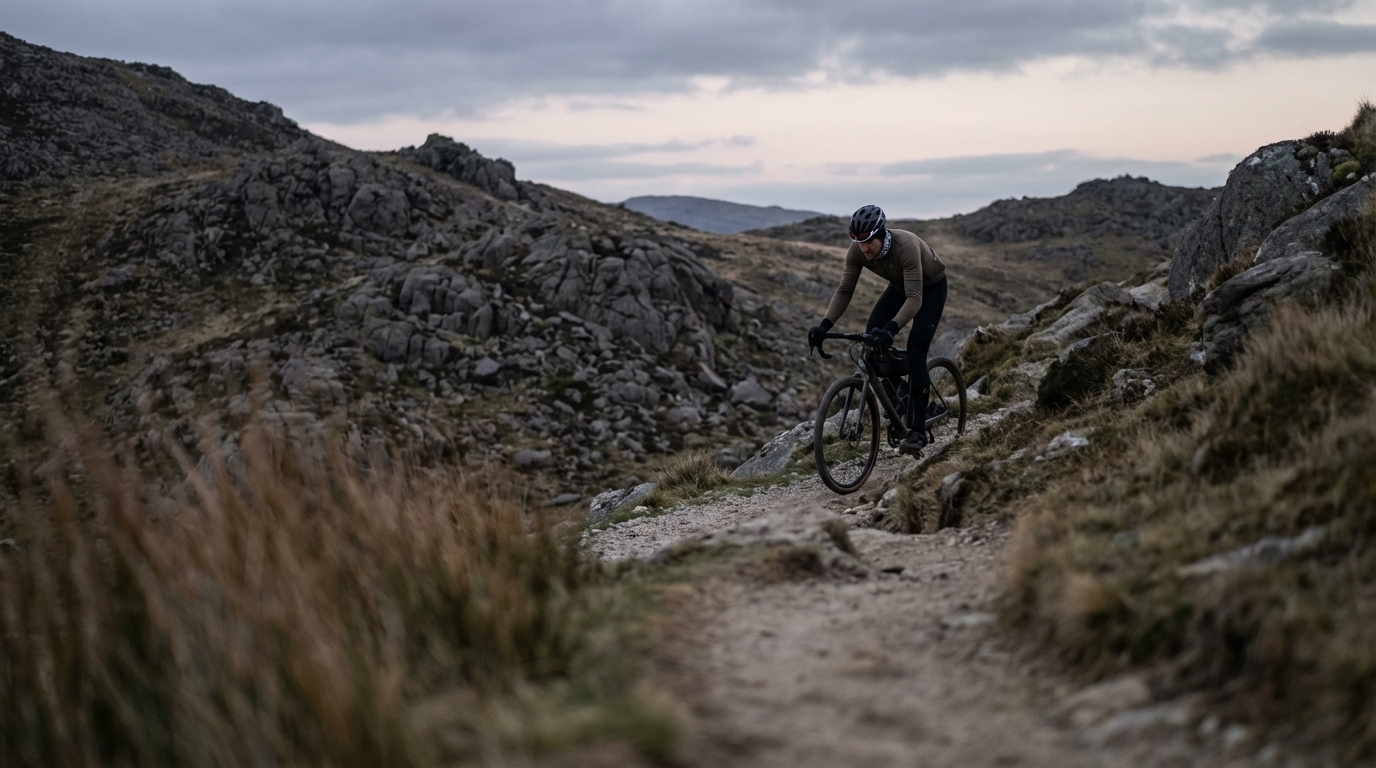
Cycling is a dynamic activity, demanding continuous adaptation from the rider. While the fundamental act of pedaling remains constant, the execution of cycling technique undergoes significant shifts depending on the terrain encountered. A cyclist navigating a steep climb will employ a vastly different approach compared to one cruising on a flat road or descending a winding path. Understanding these adaptations is crucial not only for enhancing performance and efficiency but also for ensuring safety and maximizing enjoyment on every ride. This exploration delves into how varying terrains necessitate specific adjustments to body position, pedaling mechanics, gear selection, and steering, revealing the intricate relationship between the rider and their environment.
Foundational Cycling Principles
Before examining terrain-specific adaptations, it’s helpful to briefly consider the core principles that underpin efficient cycling across all conditions. These principles serve as a baseline, from which terrain-specific adjustments are made.
- Pedaling Efficiency: A smooth, continuous circular motion, minimizing “dead spots” in the pedal stroke.
- Body Position: A neutral, balanced stance that allows for quick adjustments and minimizes unnecessary effort.
- Braking Control: Gradual, controlled application of brakes, primarily using the front brake for stopping power, while maintaining traction.
- Anticipatory Shifting: Changing gears preemptively to match changes in gradient or speed, rather than reactively.
These fundamentals provide a canvas upon which the art of terrain-specific technique is painted.
The Influence of Flat Terrain
Riding on flat terrain often prioritizes sustained speed and aerodynamic efficiency. The technique here is typically about maintaining momentum and minimizing drag.
Body Position on Flats
- Aerodynamic Tuck: The rider generally adopts a lower, more aerodynamic position. This involves bending the elbows, lowering the torso, and bringing the hands closer to the center of the handlebars to reduce frontal area.
- Relaxed Upper Body: Despite the aerodynamic posture, the upper body remains relaxed to absorb minor road vibrations and prevent tension buildup in the neck and shoulders.
Pedaling and Gearing on Flats
- Consistent Cadence: Maintaining a steady, relatively high cadence (revolutions per minute) is key for efficiency, often in a larger gear.
- Smooth Power Delivery: Focus is on a continuous, even application of power throughout the pedal stroke to maintain momentum.
- Strategic Shifting: Gearing is often kept higher, with shifts primarily occurring to adapt to minor gradient changes, wind conditions, or group dynamics.
Steering and Vision on Flats
- Subtle Steering: Steering inputs are typically minimal, focusing on maintaining a straight line and smooth trajectory.
- Scanning Ahead: Vision is directed further down the road to anticipate obstacles, turns, and other road users.
Conquering Climbing Terrain
Ascending inclines demands a significant shift in technique, emphasizing sustained power at lower speeds and efficient body mechanics to counteract gravity.
Body Position for Climbs
- Forward Weight Shift: When seated, the rider often shifts slightly forward on the saddle to better engage gluteal and hamstring muscles and keep weight over the bottom bracket for power transfer.
- Standing to Climb: For steeper gradients or short, punchy climbs, riders may stand, shifting their weight over the pedals. This utilizes body weight for additional leverage, but requires more energy. When standing, the bike should be allowed to sway gently side-to-side beneath the rider.
- Relaxed Upper Body: Even when standing, the upper body should remain relatively relaxed, gripping the handlebars lightly to prevent energy waste and maintain control.
Pedaling and Gearing for Climbs
- Lower Cadence, Higher Torque: Climbing often involves a lower cadence than flat riding, but with increased torque through each pedal stroke.
- Smooth Power Application: Consistent, even power delivery is crucial to prevent wheel slip and maintain momentum.
- Anticipatory Gearing: Riders should shift into easier (lower) gears before the gradient becomes too steep, allowing them to maintain a manageable cadence and avoid grinding. Frequent, small gear changes are common.
Steering and Pacing on Climbs
- Maintaining Balance: At slower climbing speeds, maintaining balance becomes more critical. Steering inputs might be slightly more pronounced to keep a straight line.
- Pacing Strategy: Consistent pacing, managing effort to avoid “burning out,” is paramount. Looking ahead to gauge the climb’s length and steepness helps in planning effort.
Navigating Descending Terrain
Descending requires confidence, precise control, and a focus on maintaining stability and choosing optimal lines.
Body Position for Descents
- Lower Center of Gravity: The rider lowers their torso, often bending their elbows significantly and sometimes getting into the drops of road handlebars, to lower their center of gravity and enhance stability.
- Weight Distribution: Weight is typically shifted slightly backward to prevent pitching forward, especially under braking, and to maintain traction on the rear wheel.
- Relaxed Grip: While firm, the grip on the handlebars should be relaxed enough to allow the bike to move underneath the rider and absorb road imperfections.
- Wide Elbows: Elbows are often kept wide to act as shock absorbers and provide better leverage for steering.
Braking and Gearing for Descents
- Controlled Braking: Braking should be smooth and progressive, primarily before corners, rather than within them. Feathering both brakes helps modulate speed without locking wheels. The front brake provides significant stopping power, while the rear brake offers stability.
- Anticipatory Gearing: While descending, gearing is often set higher to allow for pedaling out of corners or on any flatter sections within the descent. However, the primary focus is usually on braking and steering control.
Steering and Vision for Descents
- Counter-Steering: Gentle counter-steering (briefly turning the handlebars in the opposite direction of the turn to initiate a lean) is crucial for effective cornering at speed.
- Line Choice: Riders actively choose their line through corners, often employing a wide entry, clipping the apex, and a wide exit (outside-inside-outside) to maximize speed and safety.
- Looking Ahead: Vision is directed far through the turn and down the road, anticipating the next corner or obstacle. This is often referred to as “looking where you want to go.”
Mastering Variable and Technical Terrain
Off-road riding, gravel paths, or uneven urban surfaces present a dynamic challenge, requiring constant micro-adjustments and an active riding style.
Body Position for Technical Terrain
- Dynamic “Attack Position”: Often, riders adopt a slightly raised, bent-knee, bent-elbow “attack position” while standing or hovering just above the saddle. This allows the body to act as a suspension system, absorbing shocks and impacts from obstacles.
- Weight Shift: Constant shifts in weight are needed to maintain traction, unweight wheels over obstacles, and navigate varied surfaces.
Pedaling and Gearing for Technical Terrain
- Intermittent Pedaling: Pedaling might be less continuous, focusing on bursts of power to clear obstacles or gain momentum, followed by coasting and positioning.
- Traction Management: Pedal strokes are timed to avoid spinning out on loose surfaces.
- Rapid Gearing Changes: Frequent and decisive gear changes are essential to match sudden changes in gradient, traction, and speed.
Braking and Steering for Technical Terrain
- Delicate Braking: Braking requires more finesse to avoid locking wheels on loose or slippery surfaces. Modulating brake pressure to maintain traction is key.
- Active Steering: Steering is more active and responsive, constantly adjusting to obstacles, ruts, and changes in surface texture.
- Line Selection: Identifying the smoothest or safest line through technical sections, often weaving around rocks, roots, or potholes, is paramount.
Adapting to Wind Conditions
Wind, while not a terrain feature, significantly impacts cycling technique and rider effort.
- Headwind: Adopting a more aerodynamic position (similar to flat terrain) reduces drag. Shifting into slightly lower gears can help maintain a consistent cadence and manage effort.
- Tailwind: Riders can utilize the push from a tailwind to maintain higher speeds with less effort, often using higher gears to capitalize on the momentum.
- Crosswind: Crosswinds demand careful bike handling. Leaning subtly into the wind, maintaining a relaxed grip, and being prepared for sudden gusts are crucial for control. Riders must be particularly vigilant when riding in groups, as the wind dynamic changes as others block or funnel the air.
Conclusion
The journey of cycling is a continuous dance between rider and environment. Understanding how terrain impacts cycling technique transforms a rudimentary act into a sophisticated skill. From the aerodynamic efficiency demanded by flat roads to the controlled power of climbing, the precise balance of descending, and the dynamic adaptability required for technical paths, every landscape calls for a tailored approach. By consciously adjusting body position, pedaling mechanics, gear selection, and steering inputs to match the demands of the ground beneath them, cyclists can unlock greater efficiency, enhance their safety, and derive deeper satisfaction from their rides. The adaptable cyclist is not just a stronger rider, but a more intelligent and confident one, ready for whatever the road, or trail, may present.
Frequently Asked Questions (FAQs)
Q1: Why is body position so critical when the terrain changes?
A1: Body position is critical because it directly influences weight distribution, aerodynamics, and the rider’s ability to absorb shocks and transfer power. On climbs, a forward shift helps engage climbing muscles. On descents, a lower, rearward position lowers the center of gravity for stability and prevents pitching forward. On technical terrain, a dynamic, “attack position” allows the body to act as suspension, absorbing impacts and maintaining control over varied surfaces.
Q2: How does gear selection differ significantly across various terrains?
A2: Gear selection is fundamental to managing effort and maintaining efficient cadence. On flat terrain, higher gears are typically used to maintain speed at a consistent, often higher, cadence. For climbing, much lower gears are selected to reduce resistance and allow a sustainable cadence against gravity. Descending often involves higher gears to allow for powerful pedaling out of corners or on flatter sections within the descent, though braking and steering take precedence. Technical terrain demands rapid and precise gear changes to match fluctuating gradients and traction conditions.
Q3: What is the main difference in braking technique between flat and descending terrain?
A3: On flat terrain, braking is generally for stopping or slowing down gradually, using both brakes proportionally. On descending terrain, braking becomes a more critical and nuanced skill. The primary difference is the need for controlled, progressive application, often “feathering” the brakes, mainly before corners, not within them. Weight is shifted back to prevent the front wheel from washing out, and the balance between front (power) and rear (stability) brake is crucial to avoid skidding while maintaining speed control.
Q4: Is it possible to develop a “universal” cycling technique?
A4: While core principles like smooth pedaling and controlled braking are universal, there isn’t a single “universal” technique that applies optimally to all terrains. Instead, the proficient cyclist develops a versatile skillset, adapting their technique dynamically. They learn to fluidly transition between different body positions, pedaling styles, and steering inputs based on immediate environmental demands, drawing from a repertoire of specific techniques for various terrains.
Q5: How can a cyclist effectively practice adapting their technique?
A5: Effective practice involves conscious awareness and deliberate effort. Cyclists can practice by seeking out varied terrains, focusing on one aspect of technique at a time (e.g., body position on a climb). Riding with experienced cyclists, observing their adaptations, and seeking feedback can be beneficial. Regular practice on mixed routes that include climbs, descents, and flat sections allows for continuous refinement and seamless transitions between different techniques, building muscle memory and intuitive adaptation.

Diana Miller, is a dedicated nature enthusiast and an outdoor adventurer. She began leading groups for excursions in her teens and never stopped. Following her passion for nature, she gathers her friends for outdoor trips every now and then. And for the last 10 years, she has executed workshops on backpacking, snow kayaking and traveling that included her main motive of lightweight packing while outdoors. During leisure, she loves planning for her next adventure.