
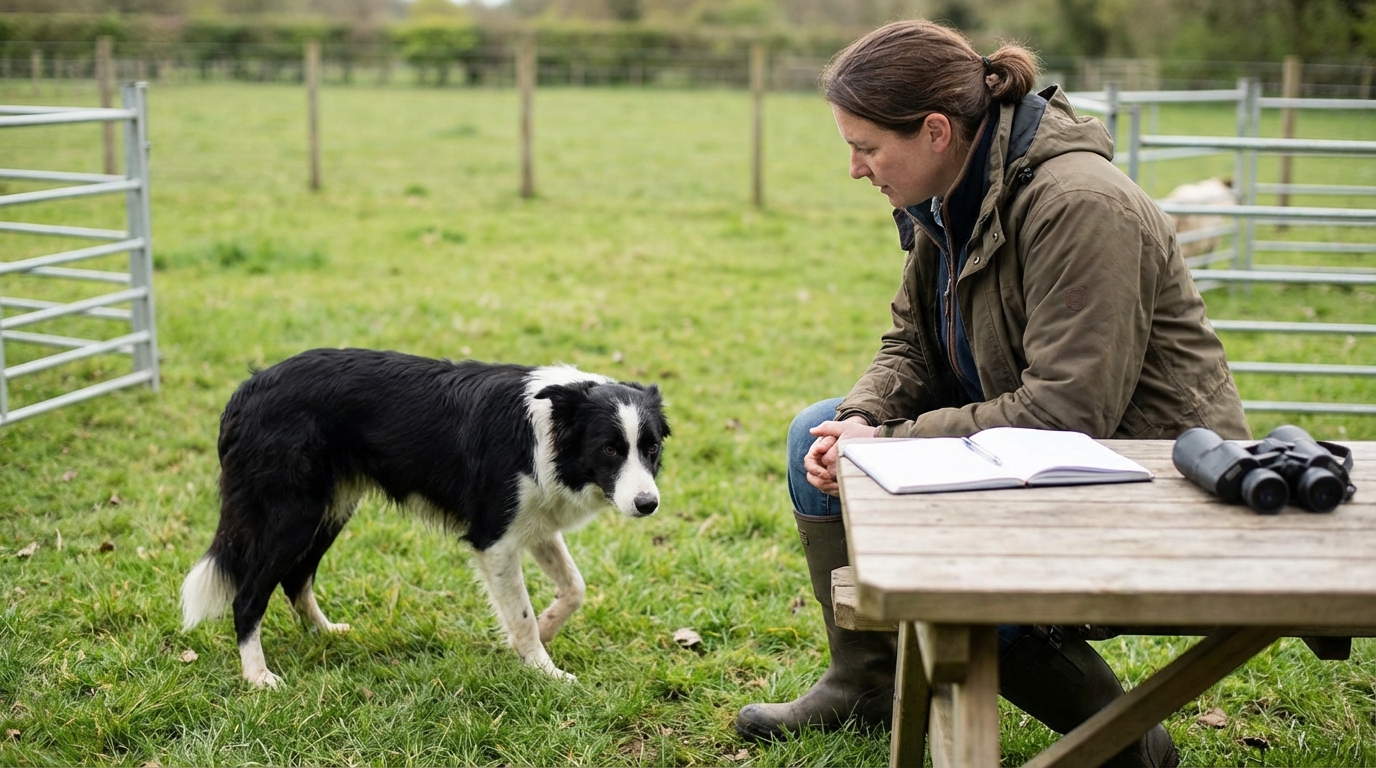
Animals communicate their physical and emotional states through a complex array of behaviors. Unlike humans, they cannot articulate symptoms verbally, making careful observation of their actions and habits a crucial aspect of understanding their well-being. Subtle shifts in an animal’s routine, demeanor, or physical presentation can often be the earliest indicators of underlying health conditions, ranging from minor discomfort to serious illness. Recognizing these signals requires a deep understanding of an individual animal’s typical patterns and a keen eye for deviation.
Understanding Baseline Behavior
Before any changes can be identified, it is essential to establish what constitutes normal or “baseline” behavior for a particular animal. This baseline is unique to each individual and can be influenced by species, age, breed, personality, and environmental factors. Consistent observation over time allows caregivers to develop a comprehensive understanding of their animal’s usual:
- Activity levels and energy.
- Eating and drinking habits.
- Social interactions.
- Grooming routines.
- Sleep patterns.
- Vocalizations.
- Elimination habits.
Any departure from this established baseline, no matter how minor it seems, warrants attention. A sudden alteration in a long-standing routine or a gradual, subtle shift can both be significant indicators.
Key Behavioral Indicators of Health Conditions
Changes in Appetite and Thirst
Modifications in an animal’s consumption patterns are frequently among the first signs of internal issues:
- Decreased Appetite (Anorexia): A reduction or complete refusal of food can point to a wide range of conditions, including pain, nausea, dental problems, oral injuries, digestive upset, kidney disease, liver issues, or systemic infections.
- Increased Appetite (Polyphagia): While less common as an illness indicator, an unusual increase in hunger without weight gain might suggest malabsorption issues, intestinal parasites, or certain metabolic conditions.
- Decreased Thirst (Adipsia): A reluctance to drink can lead to dehydration and may indicate nausea, oral pain, or severe weakness.
- Increased Thirst (Polydipsia): Excessive water consumption often signals metabolic disorders like diabetes, kidney disease, or hyperthyroidism, as well as certain infections or electrolyte imbalances.
Alterations in Activity Levels and Mobility
An animal’s typical energy and movement can provide direct clues about its physical state:
- Lethargy or Reduced Activity: A noticeable decrease in energy, increased sleeping, or reluctance to play/move often points to generalized weakness, pain, fever, infection, or systemic illness.
- Restlessness or Increased Activity: Pacing, inability to settle, or unusual agitation can indicate discomfort, pain (especially abdominal), anxiety, neurological issues, or even certain toxicities.
- Lameness or Stiffness: Limping, difficulty rising, a reluctance to bear weight, or a stiff gait are clear signs of musculoskeletal injury, arthritis, joint disease, or neurological problems affecting coordination.
- Changes in Gait: Any unusual walking pattern, stumbling, or loss of balance can suggest neurological disorders, inner ear problems, or severe weakness.
Shifts in Social Interaction
An animal’s engagement with its environment and companions can reflect its comfort level:
- Withdrawal or Hiding: Animals experiencing pain, fear, or illness often seek solitude. They might retreat to secluded areas, become less responsive to interactions, or avoid usual social contact.
- Increased Clinginess: Conversely, some animals may become unusually needy, seeking constant attention or comfort when feeling unwell or anxious.
- Aggression or Irritability: An animal that is normally docile but suddenly becomes defensive, growls, hisses, snaps, or acts irritable might be experiencing pain (especially when touched), neurological changes, fear, or hormonal imbalances.
Changes in Elimination Patterns
Urination and defecation patterns are direct indicators of digestive and urinary health:
- Urination Changes: Increased frequency, decreased volume, straining, blood in urine, or urinating in inappropriate places can indicate urinary tract infections, bladder stones, kidney disease, or diabetes.
- Defecation Changes: Diarrhea (loose stools), constipation (straining, infrequent stools), blood or mucus in feces, or changes in color/odor can all signal gastrointestinal upset, parasitic infections, dietary issues, or more serious digestive diseases.
Modifications in Grooming Habits
An animal’s coat and skin health often reflect its general well-being:
- Decreased Grooming: A dull, matted, or unkempt coat can be a sign of pain (making it difficult to reach certain areas), weakness, lethargy, or general illness.
- Excessive Grooming, Licking, or Chewing: Concentrated licking or chewing at specific body parts can indicate localized pain, skin irritation, allergies, fleas, or even anxiety. Generalized excessive grooming can sometimes point to systemic discomfort.
- Hair Loss or Skin Lesions: Beyond normal shedding, patchy hair loss, redness, scabs, or sores can indicate skin infections, allergies, parasites, hormonal imbalances, or autoimmune conditions.
Vocalizations and Sound Changes
An animal’s sounds can convey distress or pain:
- Increased Vocalization: Whining, crying, howling, or meowing more than usual can signal pain, distress, anxiety, confusion, or the onset of cognitive decline.
- Decreased Vocalization: An unusually quiet animal, especially one typically vocal, might be experiencing weakness, depression, or respiratory difficulties.
- Changes in Tone or Quality: A hoarse bark, a raspy purr, or any altered sound quality might indicate throat irritation, respiratory infection, or pain.
Variations in Sleep Patterns
Sleep is vital for recovery, and disturbances can be telling:
- Increased Sleep or Lethargy: While sometimes just age-related, a significant increase in sleep duration or depth can point to pain, systemic illness, fever, or exhaustion.
- Decreased or Disrupted Sleep: An animal that struggles to settle, wakes frequently, or appears restless during sleep may be experiencing discomfort, pain, anxiety, or cognitive dysfunction.
Postural and Positional Anomalies
How an animal holds its body can reveal internal discomfort:
- Hunched Posture: Often indicates abdominal pain, back pain, or generalized discomfort.
- Reluctance to Lie Down or Stand: Can signal joint pain, weakness, or respiratory distress.
- Head Pressing: Pushing the head against a wall or furniture is a serious neurological sign.
- Shaking or Trembling: Can indicate pain, fear, weakness, fever, or neurological issues.
The Critical Role of Observation
Attentive observation serves several critical functions. It enables the early detection of health conditions, often before they become severe. Animals are masters at masking illness, a survival instinct that can delay diagnosis. Subtle behavioral changes are frequently the only clues an animal provides. Moreover, being attuned to an animal’s non-verbal communication empowers caregivers to provide a more complete history to a veterinary professional, aiding in accurate diagnosis and timely intervention.
Factors Influencing Behavioral Expression
Interpreting behavioral changes requires context. Not all changes indicate illness; some may be stress-related, environmental, or simply part of the natural aging process. Species-specific behaviors are fundamental; for example, a cat hiding might be more typical than a dog. Individual personality plays a significant role, as does the animal’s prior experiences and current environment. A sudden change in household routine or the introduction of a new animal can elicit behavioral shifts that are not health-related, but rather stress-induced. Distinguishing between these possibilities is part of the challenge and underscores the value of knowing an animal’s full background.
When to Seek Professional Consultation
While minor, transient behavioral changes might sometimes resolve on their own, it is prudent to consult a veterinary professional if any changes are:
- Persistent: Lasting more than a day or two.
- Severe: Significantly impacting the animal’s quality of life or ability to function.
- Acute and Sudden: Appearing without warning, especially if accompanied by other concerning symptoms.
- Accompanied by Physical Symptoms: Such as vomiting, diarrhea, difficulty breathing, or visible pain.
Early intervention can often prevent conditions from escalating and improve an animal’s prognosis.
Conclusion
The intricate link between an animal’s behavior and its underlying health is profound. By cultivating careful observational skills and understanding an animal’s baseline patterns, caregivers gain an invaluable tool for monitoring well-being. Behavioral changes are not merely quirks; they are often silent pleas for help, serving as vital indicators that something internal requires attention. Recognizing these signals empowers responsible animal care, allowing for timely professional consultation and contributing significantly to the health and longevity of companion animals. Always prioritize professional veterinary advice for any concerning behavioral deviations.
Frequently Asked Questions (FAQs)
Q: How quickly can behavioral changes indicate illness?
A: Behavioral changes can manifest very quickly, sometimes within hours, especially with acute conditions like sudden pain or infection. Other times, changes can be gradual, developing over days or weeks, making consistent observation essential.
Q: Can stress or anxiety cause similar behavioral changes to physical illness?
A: Yes, stress and anxiety can certainly cause behavioral changes such as decreased appetite, lethargy, withdrawal, increased vocalization, or even changes in elimination. It’s crucial to consider the animal’s environment and recent events. However, any persistent change warrants veterinary assessment to rule out physical causes.
Q: Are very subtle behavioral changes always serious?
A: Not necessarily. Subtle changes can sometimes be temporary reactions to minor environmental shifts or normal variations. However, consistently subtle changes, especially if they combine with other minor indicators, should not be ignored. It’s always a good idea to monitor them closely and consult a professional if they persist or worsen.
Q: How do I establish a “baseline” for my animal’s behavior?
A: Establish a baseline by observing your animal daily during routine activities. Pay attention to its eating habits, playfulness, sleep patterns, social interactions, and how it responds to different stimuli. Keep a mental (or even written) note of what is typical for your animal over several weeks in various situations.
Q: Should I wait to see if a concerning behavior resolves on its own before contacting a veterinary professional?
A: For very minor, transient changes (e.g., one skipped meal without other symptoms), brief observation might be appropriate. However, if a behavioral change is sudden, severe, persistent for more than 24-48 hours, or accompanied by other physical symptoms like vomiting, lethargy, or pain, it is always advisable to seek professional veterinary advice promptly rather than waiting.

Diana Miller, is a dedicated nature enthusiast and an outdoor adventurer. She began leading groups for excursions in her teens and never stopped. Following her passion for nature, she gathers her friends for outdoor trips every now and then. And for the last 10 years, she has executed workshops on backpacking, snow kayaking and traveling that included her main motive of lightweight packing while outdoors. During leisure, she loves planning for her next adventure.