
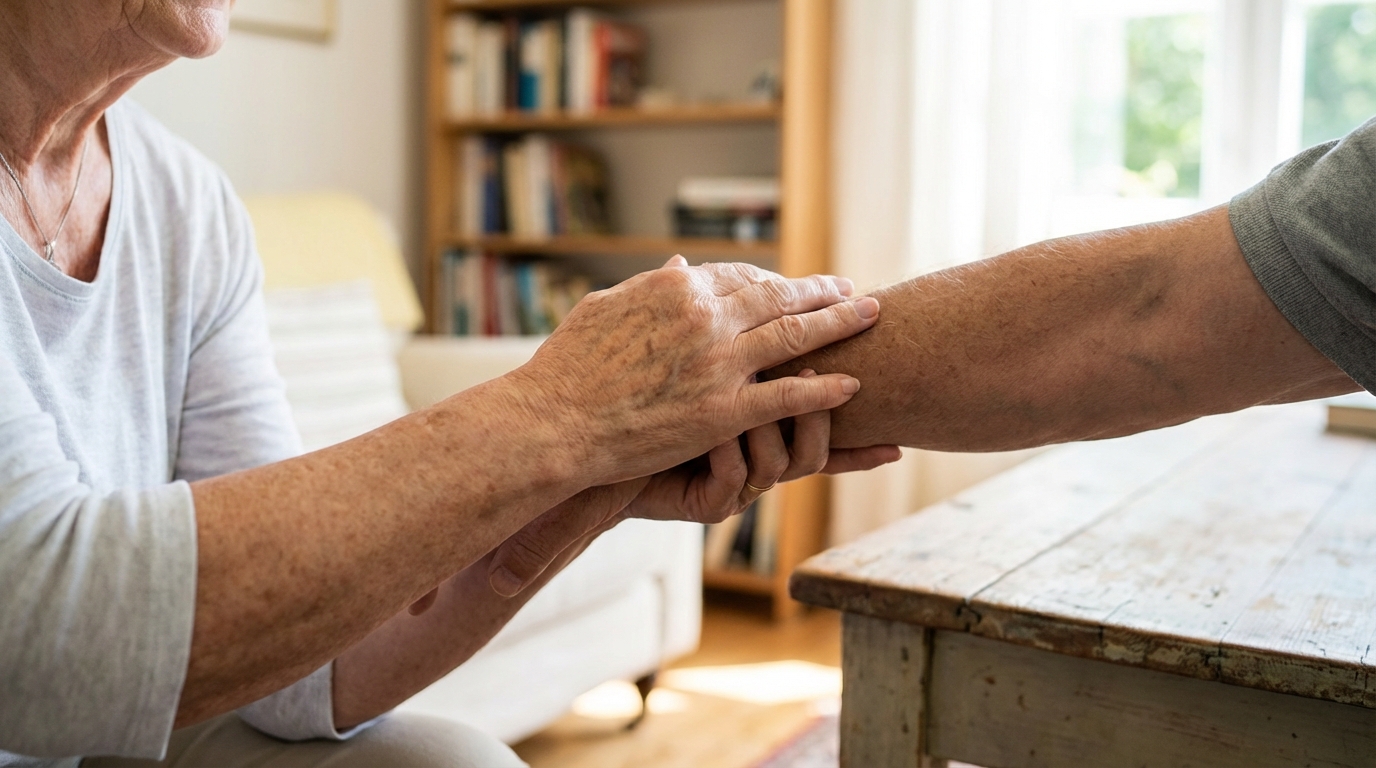
How Aging Impacts Skin Texture and Elasticity
The skin, our body’s largest organ, undergoes a series of complex changes as we age. These transformations are a natural and inevitable part of life, affecting not only the skin’s appearance but also its structural integrity and functional capabilities. Among the most noticeable effects of aging are alterations in skin texture and elasticity. Understanding the underlying biological processes that drive these changes can provide valuable insight into maintaining skin health throughout different life stages.
Understanding Skin Structure and Function
To appreciate how aging influences skin, it’s helpful to first understand its basic architecture. The skin comprises three primary layers:
- Epidermis: The outermost layer, primarily responsible for protection against environmental aggressors and regulating water loss. Its cells are constantly renewing.
- Dermis: Situated beneath the epidermis, this layer provides strength and elasticity to the skin. It contains vital components such as collagen, elastin, and hyaluronic acid, all produced by cells called fibroblasts.
- Hypodermis: The innermost layer, composed mainly of fat and connective tissue, offering insulation and cushioning.
The youthful qualities of skin—its smoothness, plumpness, firmness, and ability to rebound—are largely attributed to the health and abundance of specific molecules within the dermis:
- Collagen: A fibrous protein that provides structural support and tensile strength to the skin.
- Elastin: A protein that gives skin its flexibility and ability to stretch and return to its original shape.
- Hyaluronic Acid: A potent humectant (moisture-binding molecule) that helps keep the skin hydrated and plump, contributing to its volume and smoothness.
- Fibroblasts: Cells responsible for synthesizing collagen, elastin, and hyaluronic acid.
- Sebaceous Glands: Produce sebum, a natural oil that lubricates the skin and helps maintain its barrier function.
Intrinsic Aging: The Chronological Process
Intrinsic aging, also known as chronological aging, refers to the natural, genetically predetermined aging process that occurs regardless of external factors. This process begins in our mid-twenties and gradually progresses over time, leading to a cascade of internal changes within the skin.
Cellular Turnover Slowdown
As we age, the rate at which epidermal cells renew themselves gradually decreases. Young skin typically replaces its entire epidermal layer every 28-30 days, but this process can slow significantly with age. This reduction in cell turnover can lead to:
- An accumulation of dead skin cells on the surface.
- A duller, less radiant complexion.
- A rougher, uneven skin texture.
Collagen and Elastin Degradation and Reduced Production
Perhaps the most significant intrinsic factor impacting skin texture and elasticity is the decline in the quantity and quality of collagen and elastin fibers in the dermis. With age:
- Fibroblasts become less active and produce less new collagen and elastin.
- Existing collagen and elastin fibers become fragmented, disorganized, and less functional.
- The structural scaffolding of the skin weakens, leading to a loss of firmness, increased sagging, and the formation of fine lines and wrinkles.
Decreased Hyaluronic Acid Production
The natural production of hyaluronic acid within the skin diminishes over time. This reduction impairs the skin’s ability to attract and retain water, resulting in:
- Decreased skin hydration and plumpness.
- A drier skin feel.
- The appearance of fine dehydration lines.
Diminished Sebaceous Gland Activity
Over the years, the activity of sebaceous glands tends to decrease, particularly for women after menopause. This leads to:
- Reduced sebum production.
- A drier skin surface.
- Compromised skin barrier function, making the skin more susceptible to environmental stressors and further impacting texture.
Changes in Microvasculature
The network of tiny blood vessels (microvasculature) in the skin also undergoes changes with age, leading to reduced blood flow. This means:
- Less efficient delivery of oxygen and nutrients to skin cells.
- Reduced removal of metabolic waste products.
- Can contribute to a sallow complexion and slower healing.
Extrinsic Aging: Environmental Accelerants
While intrinsic aging is inevitable, extrinsic aging refers to the acceleration of these processes due to external environmental and lifestyle factors. These factors can significantly compound the effects of chronological aging, making their impact on skin texture and elasticity even more pronounced.
Ultraviolet (UV) Radiation (Photoaging)
Chronic exposure to UV radiation from the sun is arguably the primary driver of extrinsic aging, a phenomenon known as photoaging. UV rays penetrate the skin and cause damage through several mechanisms:
- They generate free radicals, which harm cellular components, including DNA, proteins, and lipids.
- They directly damage collagen and elastin fibers, leading to their degradation and abnormal accumulation of damaged elastin (elastosis).
- This results in deeply etched wrinkles, rough and thickened skin texture, a leathery appearance, and diminished elasticity far beyond what intrinsic aging alone would produce.
- UV exposure also triggers uneven melanin production, leading to hyperpigmentation, such as age spots or sun spots.
Pollution
Exposure to air pollution, including particulate matter and various gases, can also accelerate skin aging. Pollutants contribute to the generation of free radicals on the skin’s surface and within its layers, leading to oxidative stress. This stress damages collagen and elastin, further compromising skin texture and elasticity.
Smoking
Smoking has a profound negative impact on skin aging. The chemicals in cigarette smoke:
- Constrict blood vessels, reducing blood flow and the delivery of oxygen and vital nutrients to the skin.
- Generate a massive amount of free radicals, causing widespread oxidative damage.
- Activate enzymes that break down collagen and elastin, accelerating their degradation.
- This combination often leads to premature and deeper wrinkles, particularly around the mouth and eyes, a sallow skin tone, and a significant loss of elasticity.
Nutrition and Lifestyle
Dietary habits, hydration levels, sleep quality, and stress management all play a role in skin health. A diet high in processed foods and sugars can contribute to processes like glycation, where sugars bind to proteins, stiffening collagen and elastin fibers. Dehydration, lack of sleep, and chronic stress can also negatively impact skin barrier function, cellular repair, and overall vitality, making the skin appear duller and less resilient.
Visible Manifestations of Aging on Skin Texture and Elasticity
The cumulative effects of intrinsic and extrinsic aging become visible through a range of changes in the skin’s surface and underlying structure:
- Fine Lines and Wrinkles: Initially appearing as fine lines, these progress into deeper wrinkles as collagen and elastin diminish and repetitive facial movements etch lines into the skin.
- Roughness and Dullness: Slower cell turnover and a compromised skin barrier can lead to a rougher surface texture and a loss of youthful radiance.
- Loss of Firmness and Sagging: The breakdown of collagen and elastin, combined with gravitational pull, results in noticeable sagging, particularly around the jawline (jowls), eyelids, and neck. The skin loses its tautness and begins to appear lax.
- Reduced Resilience: The skin’s ability to “snap back” after being stretched or pinched decreases, a direct indicator of lost elasticity.
- Thinning Skin: As the dermis thins due to collagen loss and reduced cellular activity, the skin becomes more fragile, transparent, and prone to bruising.
- Uneven Skin Tone and Pigmentation: Accumulated sun damage and irregular melanin production can lead to the formation of age spots, sun spots, and a generally uneven complexion.
- Enlarged Pores: As skin loses its elasticity, the supportive structures around pores weaken, making them appear larger.
Supporting Skin Health Through Aging
While aging is a natural process, understanding its mechanisms allows for informed strategies to support skin health. The focus is on protection, maintenance, and promoting optimal cellular function.
- Protection from UV Radiation: Consistent use of broad-spectrum sun protection helps shield the skin from photoaging, preserving collagen and elastin.
- Moisturization: Regularly hydrating the skin supports its barrier function, reduces water loss, and can temporarily improve the appearance of fine lines by plumping the skin. Ingredients that attract and hold moisture are particularly helpful.
- Antioxidant Support: Incorporating substances that neutralize free radicals can help mitigate oxidative stress caused by environmental factors like pollution and UV exposure.
- Gentle Care: Avoiding harsh cleansing agents and aggressive treatments helps maintain the skin’s delicate barrier and prevents irritation, which can exacerbate aging signs.
- Healthy Lifestyle Choices: A balanced diet rich in nutrients, adequate hydration, sufficient sleep, and stress management contribute significantly to overall skin vitality and its capacity for repair and regeneration.
Conclusion
The journey of skin aging is a complex interplay of intrinsic biological clocks and extrinsic environmental influences. Both factors contribute to observable changes in skin texture and elasticity, manifesting as wrinkles, sagging, dryness, and a loss of youthful resilience. By understanding the science behind these transformations, individuals can make knowledgeable choices to support their skin’s health and appearance throughout the aging process, fostering a greater appreciation for its evolving nature.
Frequently Asked Questions About Skin Aging
Q1: At what age do changes in skin texture and elasticity typically begin to appear?
A1: While intrinsic aging processes begin in our mid-twenties, visible signs like fine lines, minor changes in texture, and subtle reductions in elasticity typically become more noticeable in our 30s and 40s. However, this timeline can be significantly influenced by extrinsic factors like sun exposure and lifestyle habits, which can accelerate their appearance.
Q2: Can skin elasticity be fully restored once it has been lost?
A2: While it is challenging to completely restore skin elasticity to its youthful state once significant loss has occurred, certain approaches can help improve its appearance and firmness. These strategies often focus on supporting collagen and elastin production and protecting existing fibers from further degradation, rather than a full reversal.
Q3: How does dehydration specifically affect skin texture?
A3: Dehydration primarily affects the skin’s outermost layer (epidermis). When skin lacks sufficient water, it can appear dull, feel rough, and fine lines may become more pronounced due to the temporary shrinkage of skin cells. Proper hydration helps maintain a smoother, plumper surface texture.
Q4: Is there a difference between aging wrinkles and dehydration lines?
A4: Yes, there is a distinction. Aging wrinkles (static wrinkles) are typically deeper, more permanent lines caused by the breakdown of collagen and elastin over time, often exacerbated by muscle movements and gravity. Dehydration lines, on the other hand, are finer, shallower lines that appear when the skin lacks moisture. They often disappear or become significantly less noticeable with adequate hydration.
Q5: What is the primary role of collagen and elastin in maintaining youthful skin?
A5: Collagen provides the structural framework and strength to the skin, acting like scaffolding that keeps it firm and resistant to stretching. Elastin is responsible for the skin’s flexibility and ability to recoil, allowing it to stretch and return to its original shape. Together, these proteins are crucial for maintaining the skin’s firmness, smoothness, and resilience.

Diana Miller, is a dedicated nature enthusiast and an outdoor adventurer. She began leading groups for excursions in her teens and never stopped. Following her passion for nature, she gathers her friends for outdoor trips every now and then. And for the last 10 years, she has executed workshops on backpacking, snow kayaking and traveling that included her main motive of lightweight packing while outdoors. During leisure, she loves planning for her next adventure.