
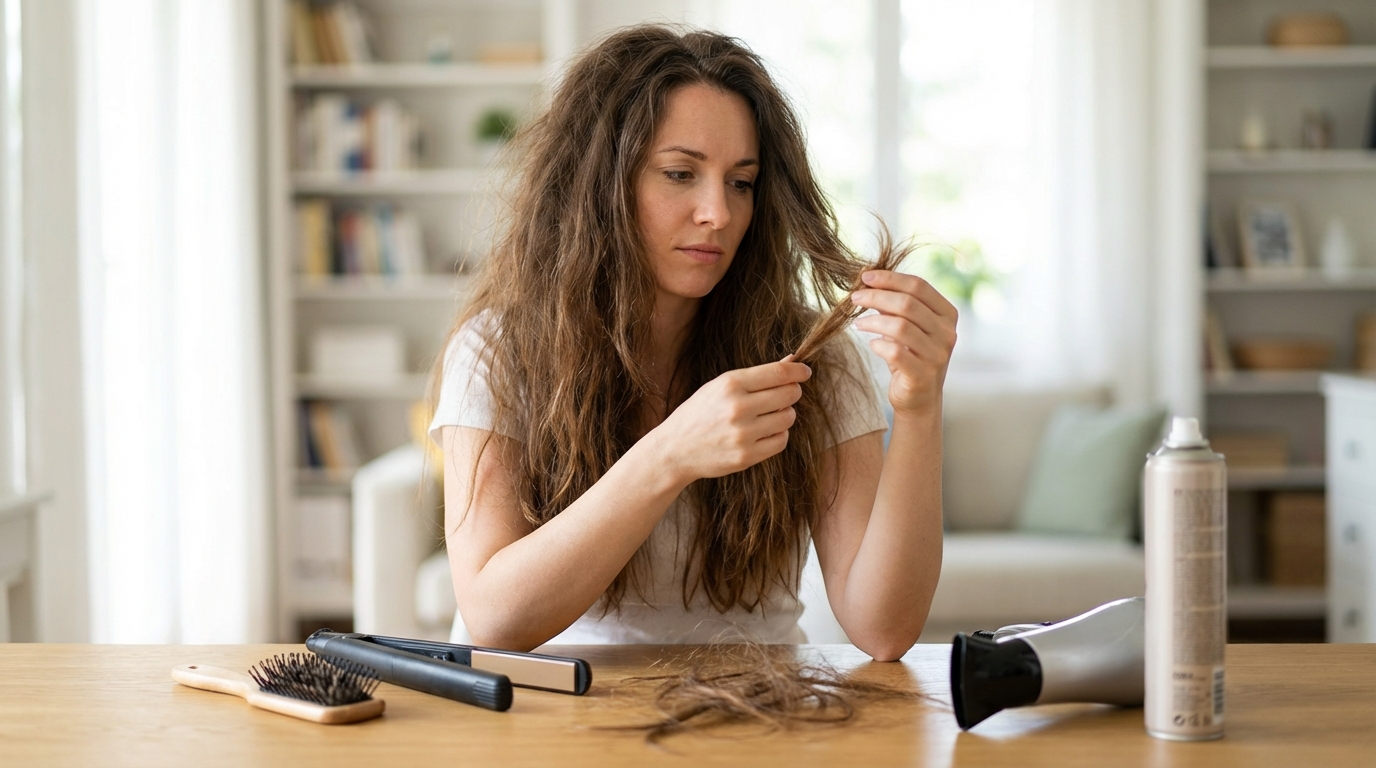
Understanding Hair Damage: A Comprehensive Overview
Hair is an intricate structure, primarily composed of keratin protein, designed to be resilient yet susceptible to a variety of internal and external factors that can compromise its integrity. Hair damage is a common concern, manifesting in various ways such as dryness, brittleness, split ends, and breakage. Understanding the fundamental causes of this damage is the first step towards maintaining healthy, vibrant hair. This post will delve into the diverse stressors that contribute to hair deterioration, providing a clear explanation of how each factor impacts hair structure.Mechanical Stressors
Hair can be surprisingly delicate, and physical manipulation, even daily routines, can lead to significant damage if not approached with care. Mechanical stressors involve any form of physical force applied to the hair shaft.Vigorous Brushing and Combing
Aggressive brushing or combing, especially when hair is wet and most vulnerable, can cause the cuticle layer to lift and chip. This roughens the hair surface, making it prone to tangling and further damage. Using appropriate tools, like wide-tooth combs, and working through tangles gently from the ends upwards, can mitigate this risk.Tight Hairstyles
Hairstyles that pull the hair tightly, such as high ponytails, braids, or buns, can place excessive tension on the hair follicles and the hair shaft. This constant pulling can lead to traction alopecia, a form of hair loss, and can also cause breakage along the length of the hair, particularly at the points of greatest strain.Rough Towel Drying
Rubbing hair vigorously with a towel after washing can create friction, ruffling the cuticle layer and leading to frizz, dullness, and breakage. Hair is more fragile when wet due to hydrogen bonds being temporarily broken, making it more elastic and susceptible to damage. Blotting hair gently with a microfiber towel or an old cotton t-shirt is a gentler alternative.Friction and Abrasion
Everyday friction, such as that caused by sleeping on cotton pillowcases, rubbing against clothing collars, or wearing hats, can contribute to cuticle wear and tear. Over time, this constant abrasion can weaken the hair shaft, leading to thinning and breakage in specific areas.Thermal Stressors
Heat, while often used to style hair, is a powerful force that can significantly alter the protein structure of hair, leading to moisture loss and damage.Heat Styling Tools
Tools like flat irons, curling irons, and blow dryers use high temperatures to reshape hair. Excessive or improper use of these tools can:- Evaporate the natural moisture from the hair, leading to dryness and brittleness.
- Denature keratin proteins, causing permanent structural changes.
- Create tiny cracks and blisters along the hair shaft, weakening it and making it prone to breakage.
Hot Water Washing
While not as damaging as direct heat styling, washing hair with excessively hot water can strip the scalp and hair of its natural oils, leading to dryness and increased porosity. Lukewarm water is generally recommended for washing, with a cool rinse to help seal the cuticle.Sun Exposure
Prolonged exposure to ultraviolet (UV) radiation from the sun can damage hair in ways similar to skin. UV rays can degrade hair proteins, particularly melanin, leading to color fading, dryness, and a weakened hair shaft. It can also cause the hair cuticle to lift, making hair feel rougher and more susceptible to further damage.Chemical Stressors
Many popular hair treatments involve chemical processes that intentionally alter the hair’s internal structure. While these can achieve desired aesthetic results, they inherently carry a risk of damage if not performed correctly or if done too frequently.Coloring and Bleaching
Hair coloring, especially bleaching, involves chemical agents that penetrate the hair shaft to either remove natural pigment or deposit new color.- Bleaching: This process uses alkaline agents (like ammonia) to swell the hair and oxidative agents (like hydrogen peroxide) to break down melanin. This can severely weaken the hair’s protein structure, making it highly porous, brittle, and prone to breakage.
- Dyeing: Permanent dyes also use chemicals to open the cuticle and deposit color. While generally less damaging than bleaching, repeated coloring can still lead to dryness, dullness, and cuticle damage.
Perming and Relaxing
These treatments permanently alter the hair’s natural curl pattern.- Perming: Uses chemicals to break and then reform the disulfide bonds within the hair cortex, creating curls or waves.
- Relaxing (Chemical Straightening): Uses strong alkaline chemicals to break the disulfide bonds, resulting in straightened hair.
Over-Processing
This term refers to subjecting hair to chemical treatments for too long, using too strong a chemical solution, or applying multiple chemical treatments too close together. Over-processing drastically strips hair of its strength and elasticity, leading to extreme brittleness, a gummy texture when wet, and severe breakage.Environmental Factors
Beyond direct human interaction and chemical treatments, the environment also plays a role in hair health.Pollution
Airborne pollutants, including dust, smoke, and particulate matter, can accumulate on the hair and scalp. These particles can contain chemicals that damage the hair’s cuticle, making it dull, rough, and more prone to breakage. Pollution can also contribute to scalp irritation and oxidative stress.Hard Water
Hard water contains high levels of dissolved minerals, particularly calcium and magnesium. When washing hair with hard water, these minerals can accumulate on the hair shaft, creating a residue that makes hair feel stiff, dull, and dry. This mineral buildup can also interfere with the effectiveness of hair products and make hair more susceptible to breakage.Chlorine and Saltwater
Exposure to chlorinated water in swimming pools or saltwater from the ocean can strip hair of its natural oils and moisture. Chlorine can also react with hair proteins and artificial color, leading to dryness, brittleness, and color fading, especially in chemically treated hair. Saltwater can dehydrate hair, leaving it feeling rough and tangled.Nutritional and Internal Factors
Hair health is often a reflection of overall bodily health. Internal factors, including diet and physiological changes, can significantly impact hair structure and growth.Nutrient Deficiencies
Hair is made of protein, and its growth requires a steady supply of vitamins and minerals. Deficiencies in key nutrients can compromise hair quality and growth.- Protein: Essential building block of hair. Insufficient protein intake can lead to weak, brittle hair and reduced growth.
- Iron: Important for oxygen transport to hair follicles. Iron deficiency (anemia) is a common cause of hair thinning and loss.
- Zinc: Involved in hair tissue growth and repair. Deficiency can lead to hair loss and dull hair.
- Biotin (Vitamin B7): Plays a role in keratin production. Deficiency can result in brittle hair.
- Vitamins A, C, D, E: Contribute to scalp health, collagen production, and antioxidant protection, all indirectly supporting hair integrity.
Stress
Chronic stress can impact the hair growth cycle, potentially pushing more follicles into the resting phase (telogen effluvium), leading to increased shedding and weaker hair. Stress can also manifest in other ways that indirectly affect hair, such as poor diet or hormonal imbalances.Hormonal Changes
Fluctuations in hormone levels, common during puberty, pregnancy, postpartum, menopause, or due to conditions like thyroid disorders or polycystic ovary syndrome (PCOS), can significantly affect hair growth patterns and hair quality, often leading to thinning, dryness, or increased fragility.Medical Conditions and Medications
Certain medical conditions (e.g., autoimmune diseases, scalp infections) and medications (e.g., chemotherapy, some antidepressants, blood thinners) can directly or indirectly cause hair damage, shedding, or changes in texture.Conclusion
Hair damage is a multifaceted issue, often resulting from a combination of mechanical, thermal, chemical, environmental, and internal factors. Each of these stressors has a distinct mechanism of action, from lifting the delicate cuticle layer to denaturing vital keratin proteins. Recognizing these common causes is paramount for individuals seeking to protect their hair’s integrity and promote its long-term health. By understanding how daily habits and external exposures influence hair structure, one can adopt more informed practices to minimize damage and maintain strong, resilient hair.Frequently Asked Questions (FAQs)
1. How does excessive heat styling specifically damage hair?
Excessive heat from styling tools like flat irons and curling irons rapidly dehydrates the hair by evaporating its internal moisture. This intense heat can also cause the keratin proteins within the hair shaft to denature, meaning their natural structure is altered. This leads to the formation of microscopic cracks and blisters along the hair shaft, making it brittle, porous, and highly susceptible to breakage and split ends.2. Can a person’s diet really affect their hair’s health and susceptibility to damage?
Absolutely. Hair is primarily composed of protein (keratin), and its growth and strength are heavily reliant on a consistent supply of essential nutrients from the diet. Deficiencies in protein, iron, zinc, biotin, and vitamins (like A, C, D, E) can lead to weaker hair strands, reduced growth, increased brittleness, and overall poor hair quality, making it more prone to various forms of damage.3. Is all hair coloring damaging to the hair?
Any chemical process that alters the natural pigment of the hair carries some degree of risk to hair integrity. Bleaching, which removes natural pigment, is generally the most damaging as it involves strong oxidative agents that significantly weaken the hair’s protein structure. Permanent dyes also use chemicals to open the hair cuticle to deposit color, which can lead to dryness and cuticle damage over time. However, damage can be minimized with proper application, suitable formulations, and diligent aftercare.4. What does “porosity” mean in the context of hair damage, and why is it important?
Hair porosity refers to how easily moisture and chemicals can penetrate and exit the hair shaft. Hair with low porosity has a tightly bound cuticle layer, while high porosity hair has a more open or damaged cuticle. Damaged hair often has high porosity, meaning its cuticle is lifted or compromised. This makes the hair absorb moisture quickly but also lose it rapidly, leading to dryness, frizz, and increased vulnerability to further damage because its internal structure is exposed.5. How frequently should I wash my hair to avoid causing damage?
The ideal washing frequency varies greatly depending on hair type, scalp oil production, activity level, and environmental factors. Over-washing can strip the scalp and hair of its natural protective oils, leading to dryness and potential irritation, which can indirectly contribute to damage. Conversely, not washing enough can lead to product buildup and scalp issues. For many, washing every 2-3 days is a good balance, but individuals with oily hair might need to wash more frequently, while those with dry or coily hair might wash less often. It’s important to observe your hair and scalp’s specific needs.
Diana Miller, is a dedicated nature enthusiast and an outdoor adventurer. She began leading groups for excursions in her teens and never stopped. Following her passion for nature, she gathers her friends for outdoor trips every now and then. And for the last 10 years, she has executed workshops on backpacking, snow kayaking and traveling that included her main motive of lightweight packing while outdoors. During leisure, she loves planning for her next adventure.